Champagne at Vinoscout: sparkling wine made of chalk, yeast, and patience
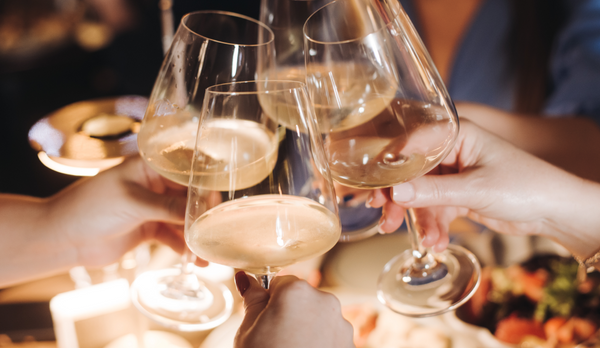
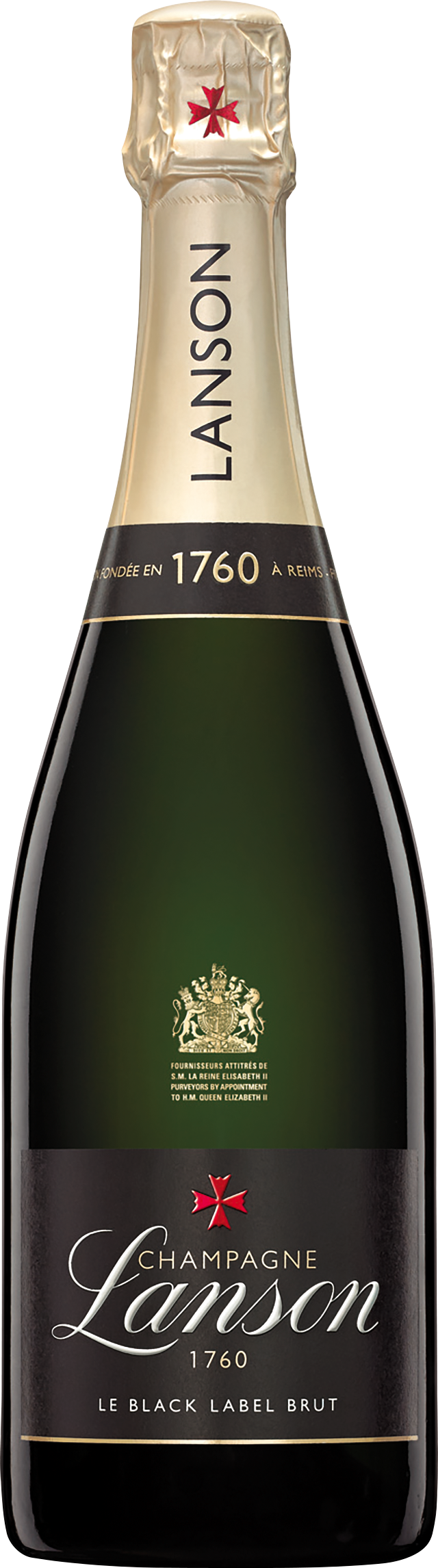
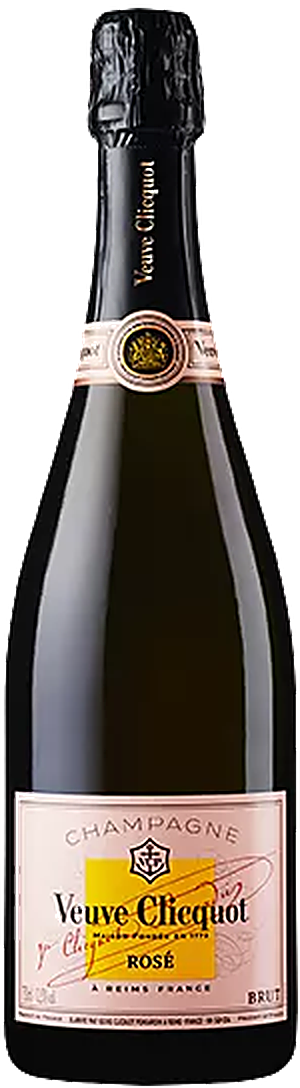
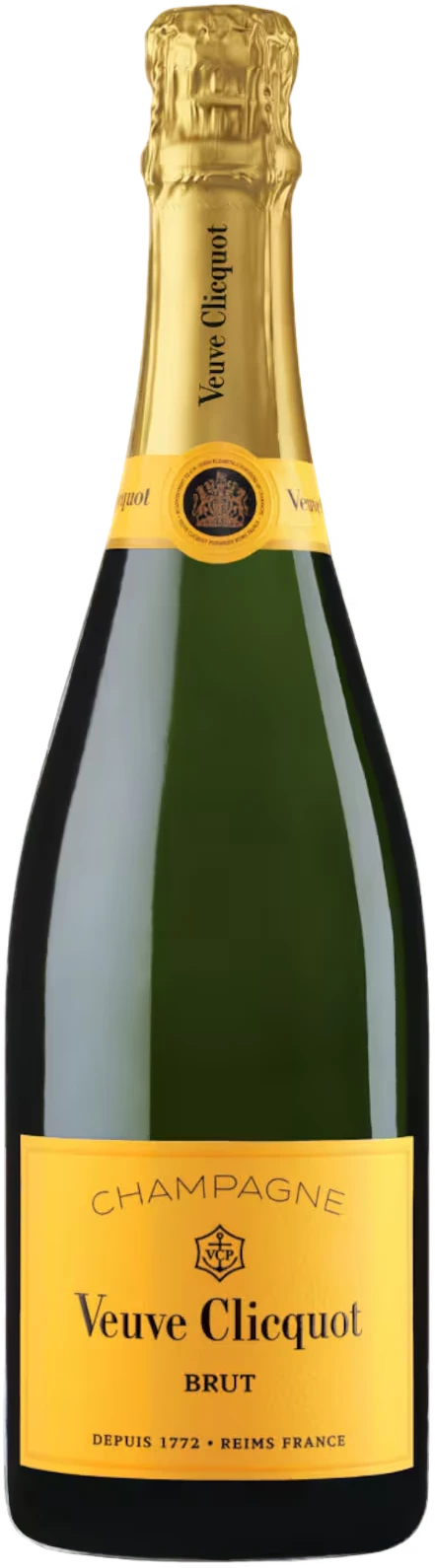
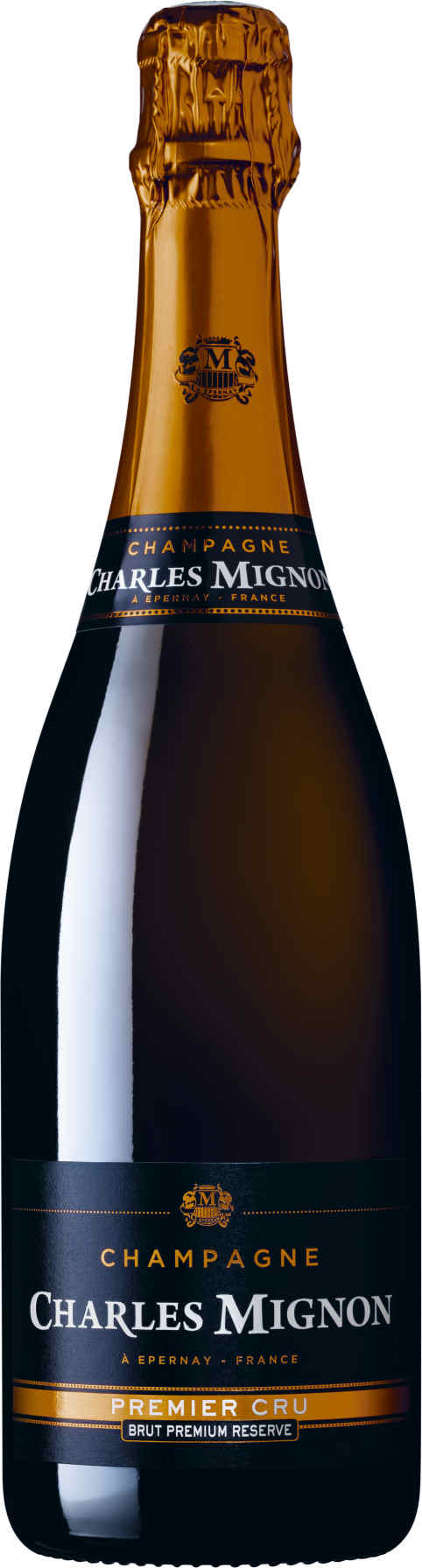
Champagne is sparkling wine with a protected origin from the northern French Champagne region, and Vinoscout carries over 100 bottlings. The selection ranges from fresh Brut classics to Blanc de Blancs and Blanc de Noirs to prestige cuvées from the great houses. All wines are produced using bottle fermentation. Prices range from under €65 to €145 and up.
Style & Taste
Champagne tastes primarily fresh, finely sparkling, and is characterized by clear acidity. Aromas of citrus fruit, green apple, and white peach are typical. Depending on maturity, notes of brioche, nut, and toast are added. The alcohol content in this selection is between 5.5 and 12.5% vol.
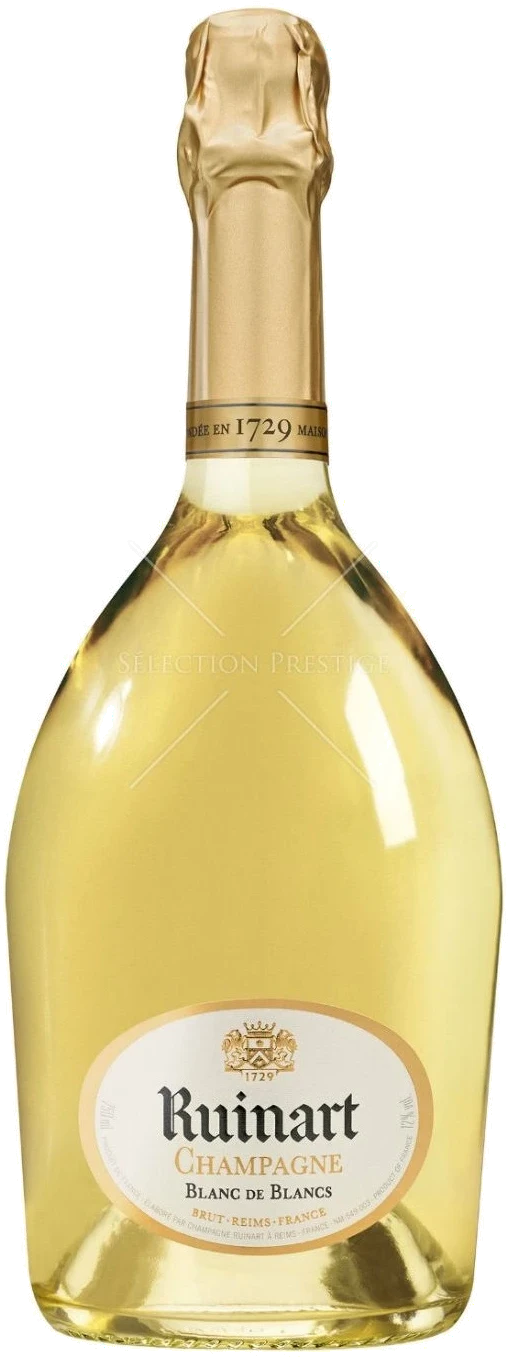
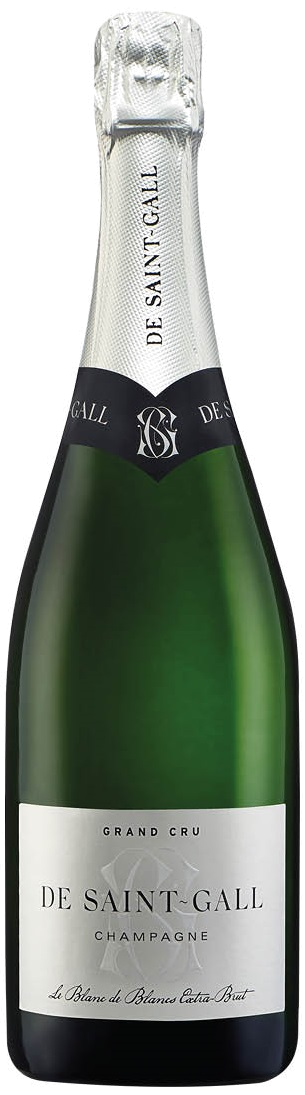
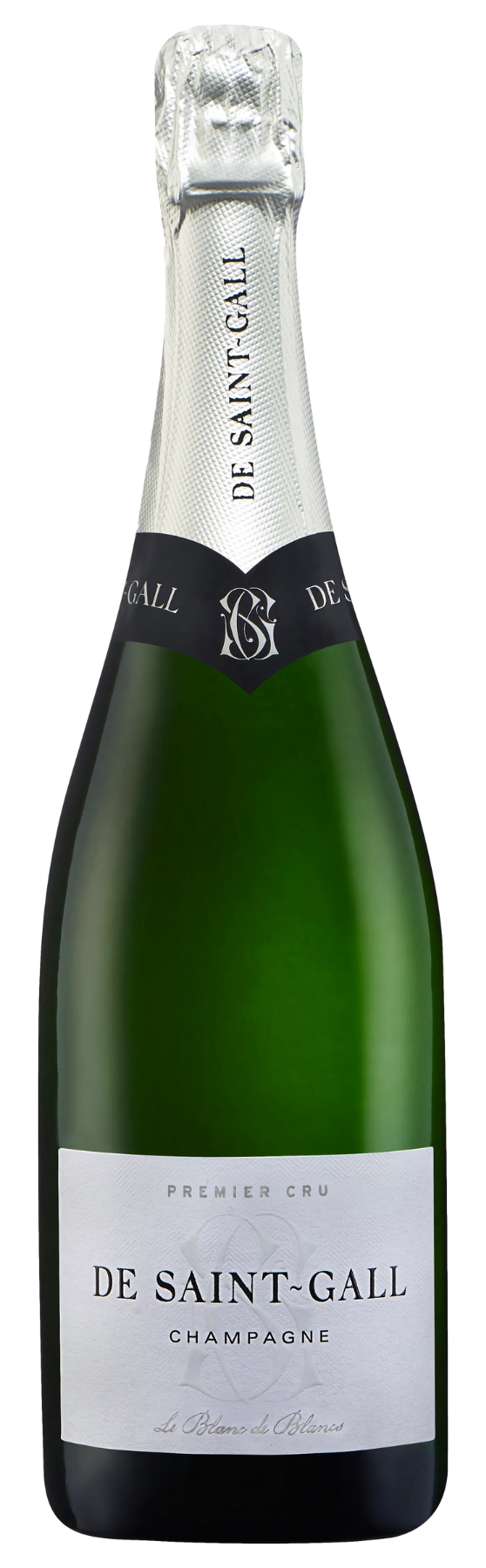
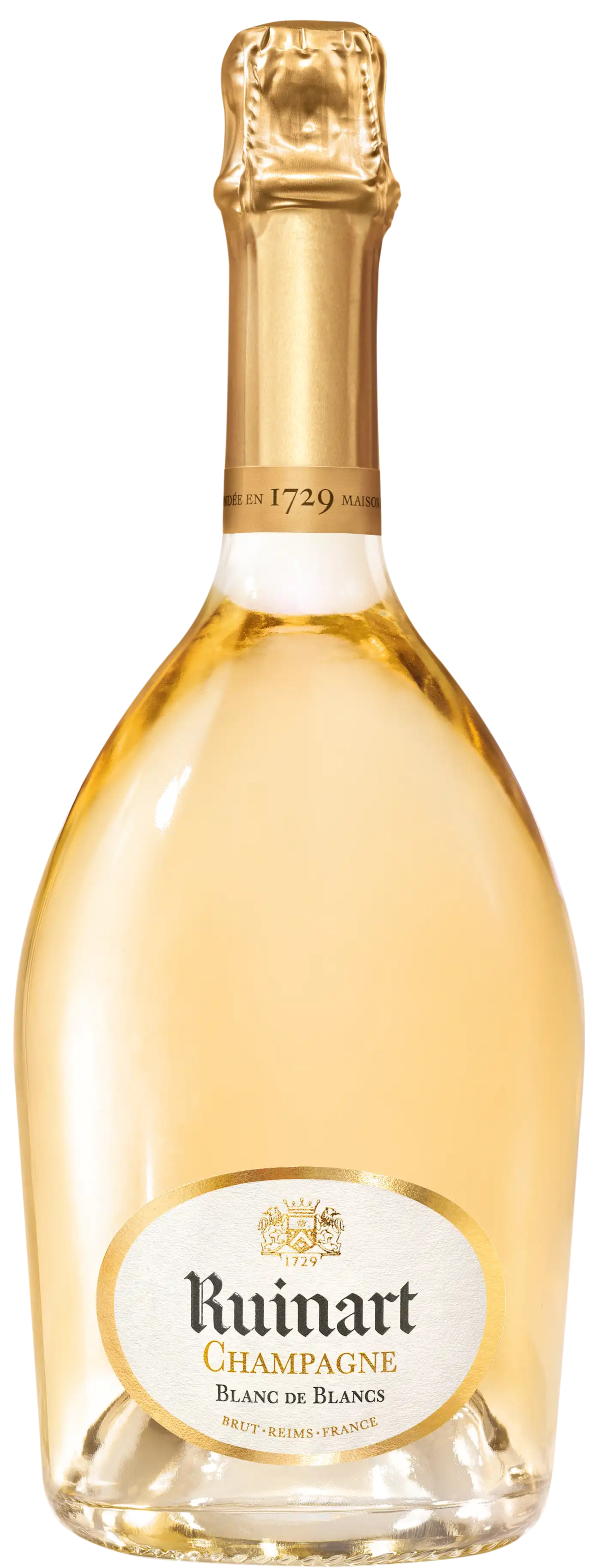
The grape varieties determine the character. Chardonnay stands for citrus, slenderness, and elegance. Pinot Noir, known in Champagne as Spätburgunder, brings fullness and red fruit. Pinot Meunier complements with fruity roundness. A Blanc de Blancs consists of pure Chardonnay, a Blanc de Noirs of red varieties.
The dosage determines the taste profile. Extra Brut and Brut appear dry and taut. Extra Dry and Trocken show somewhat more fruit. Off-dry and luscious are significantly milder. Aging also shapes the style: bottle fermentation ensures fine perlage, aging in barriques brings spice and texture, especially in the top-tier wines.
Which Champagne suits whom
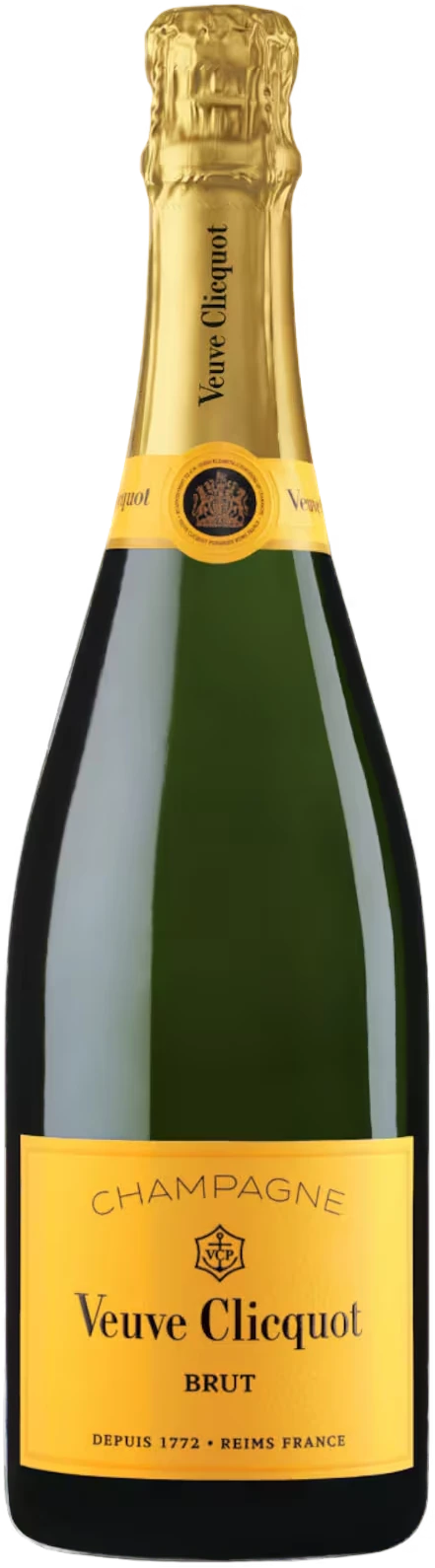
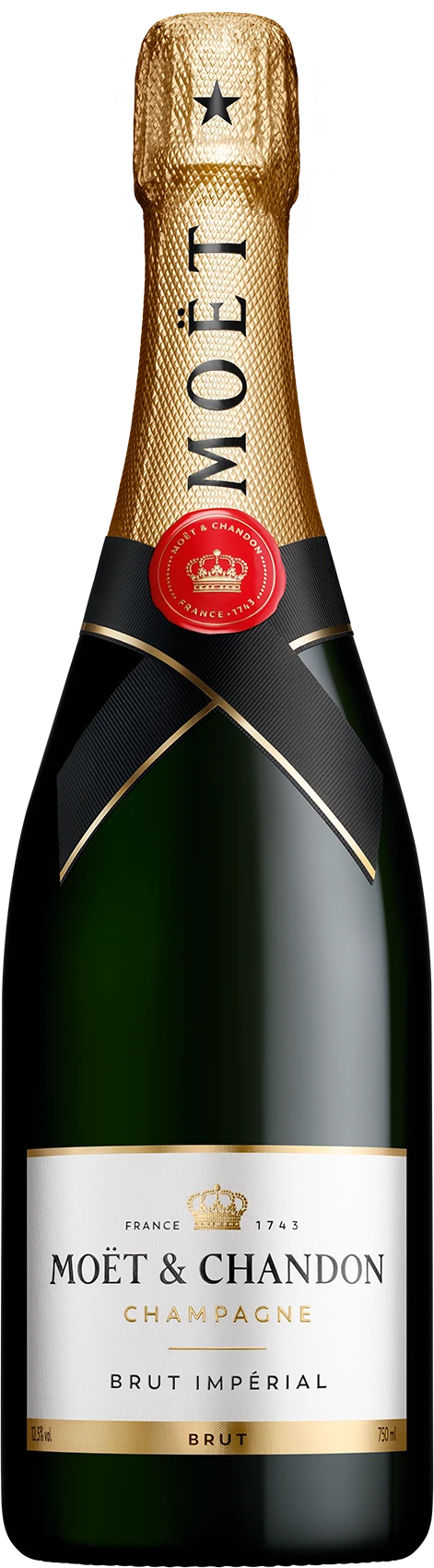
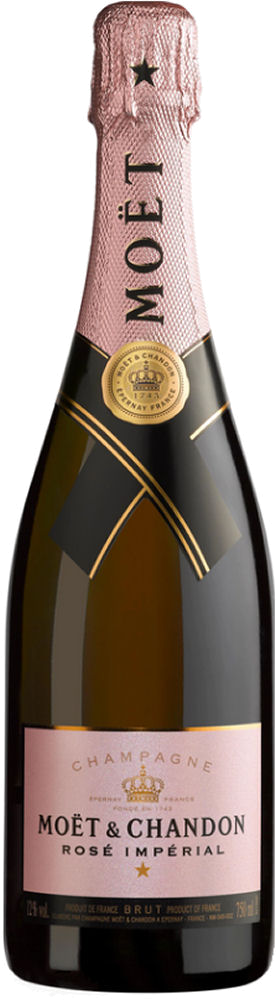
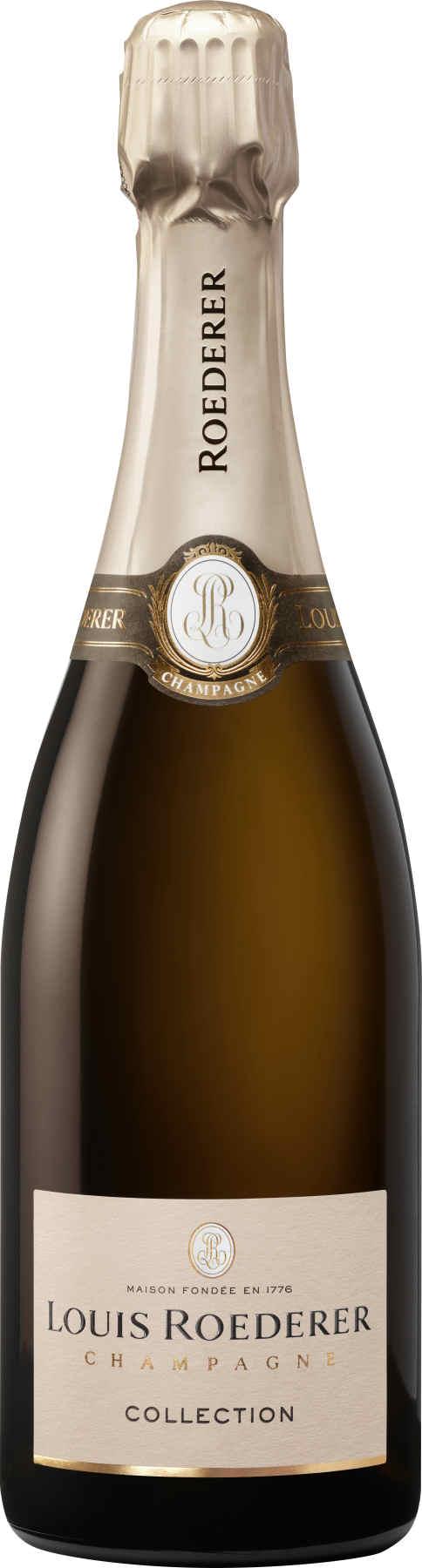
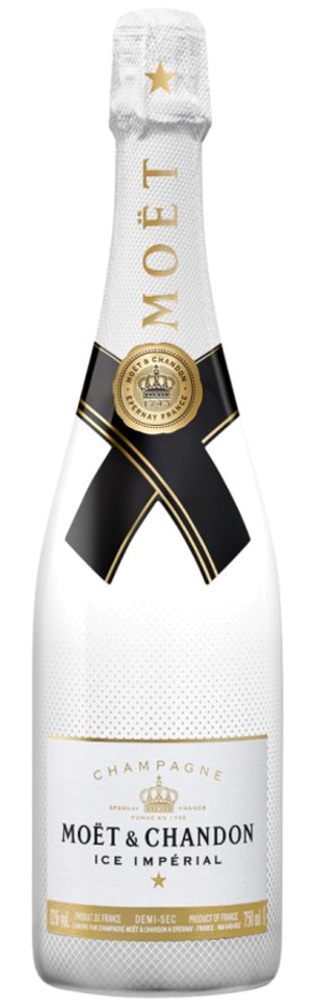
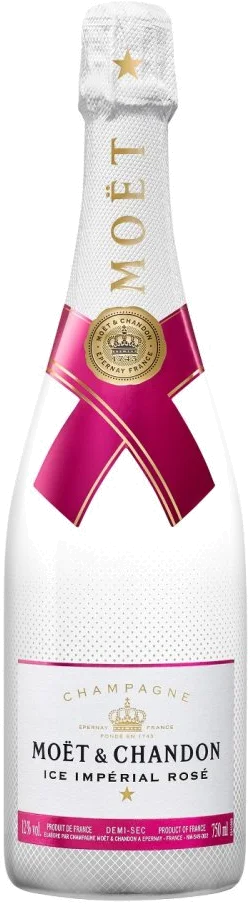
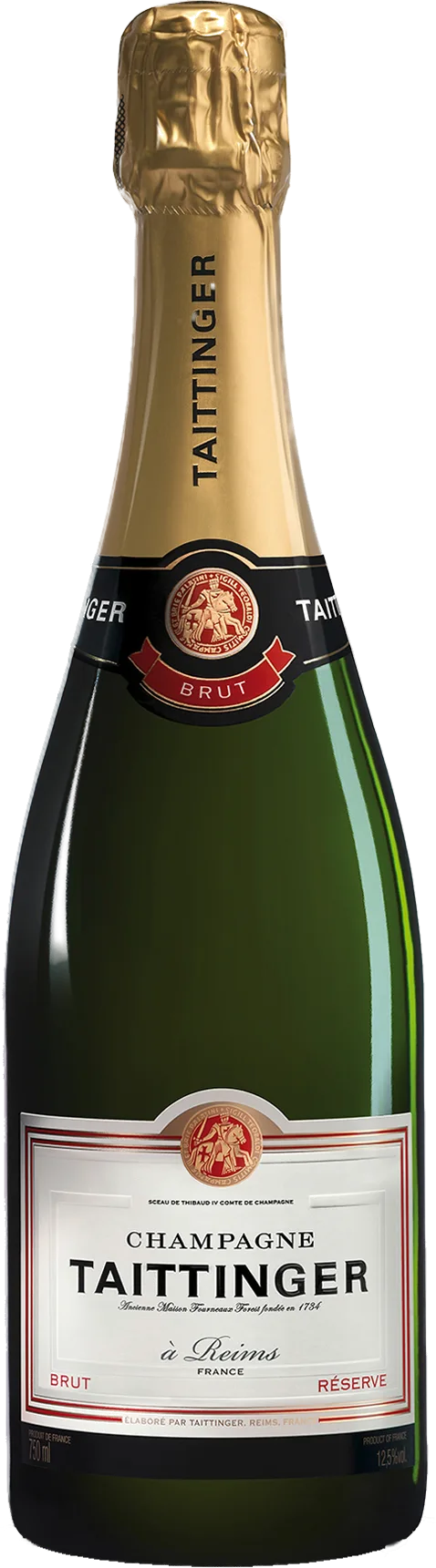
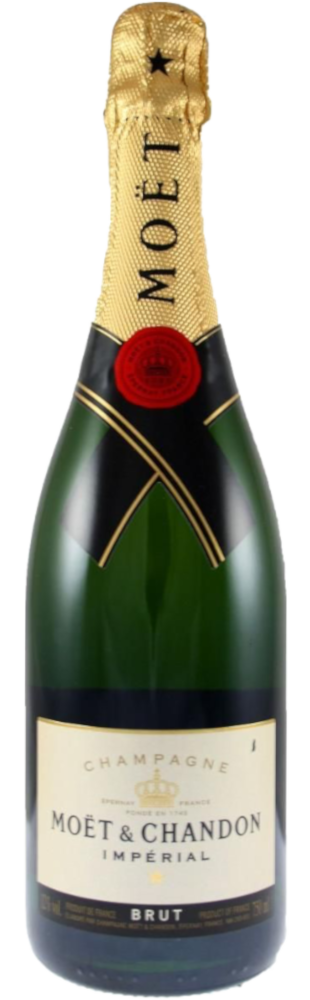
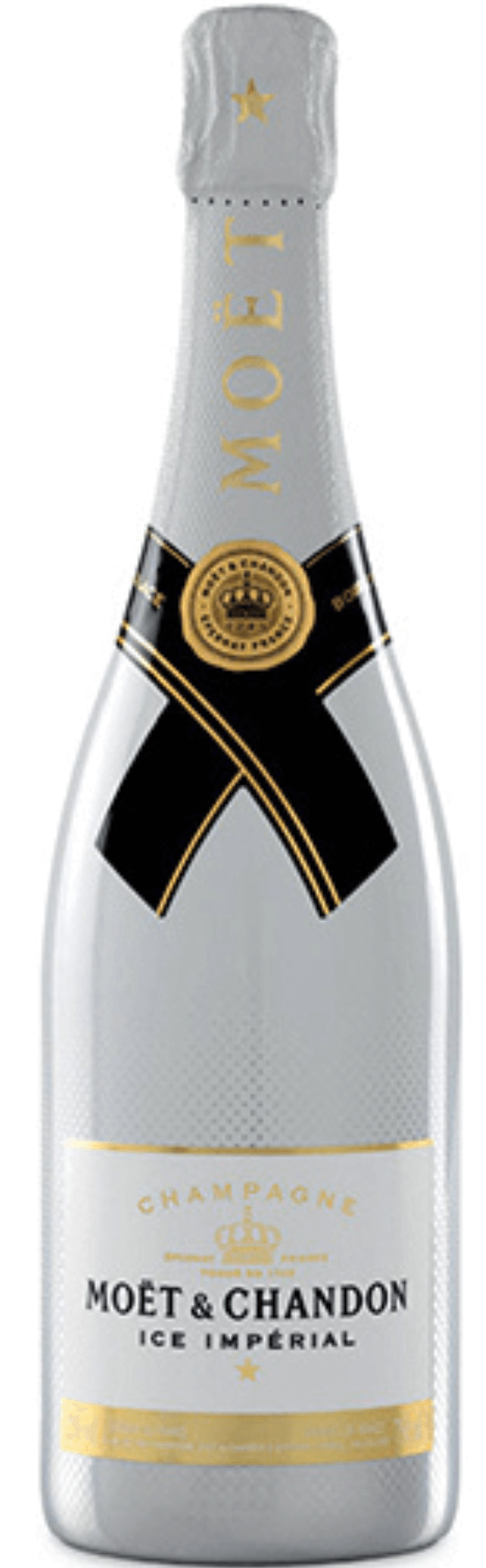
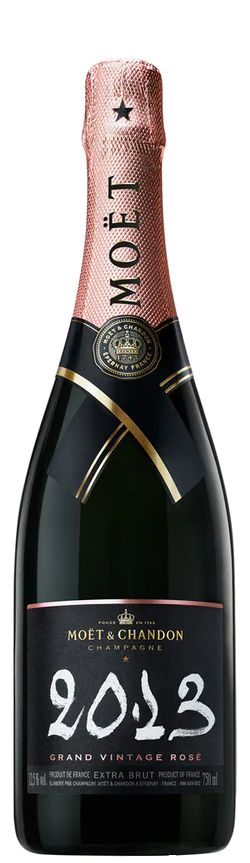
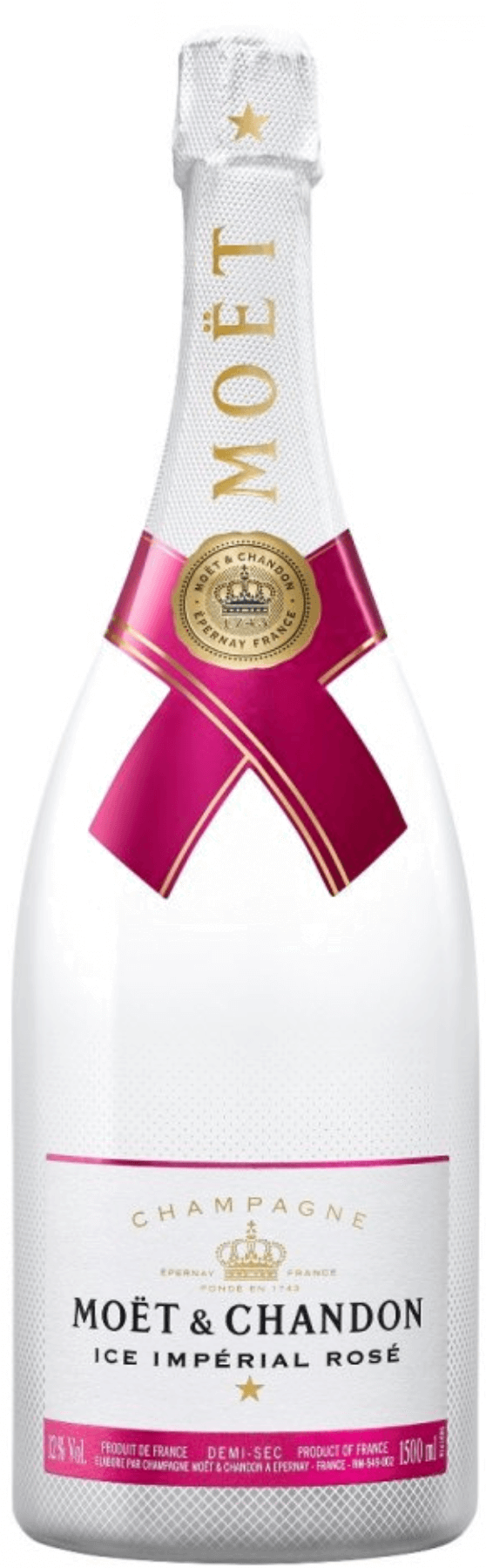
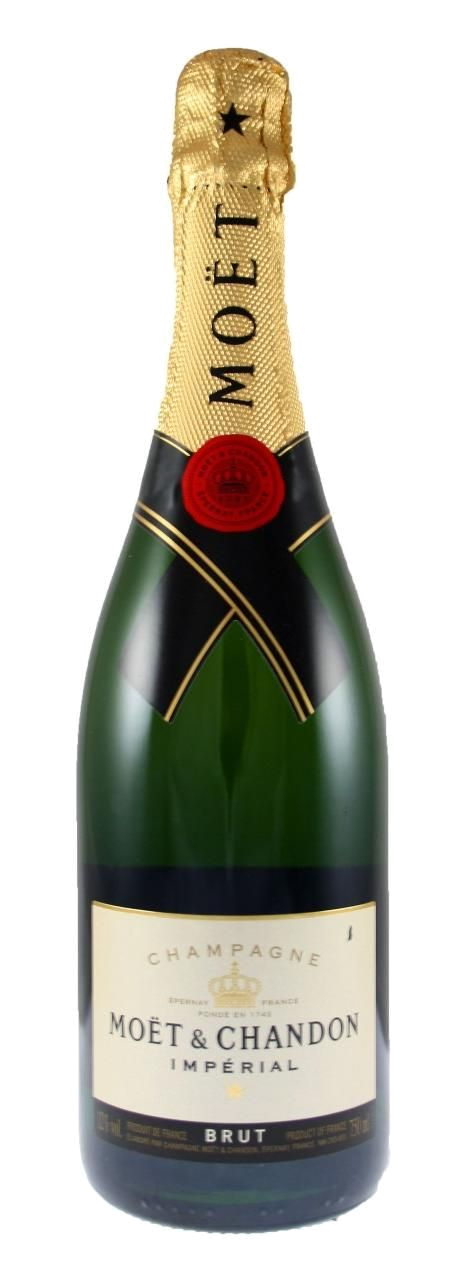
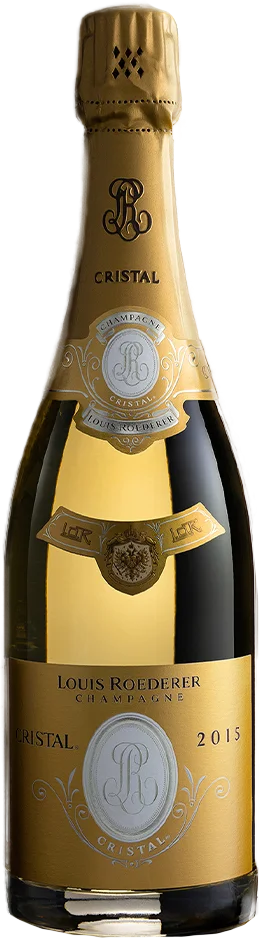
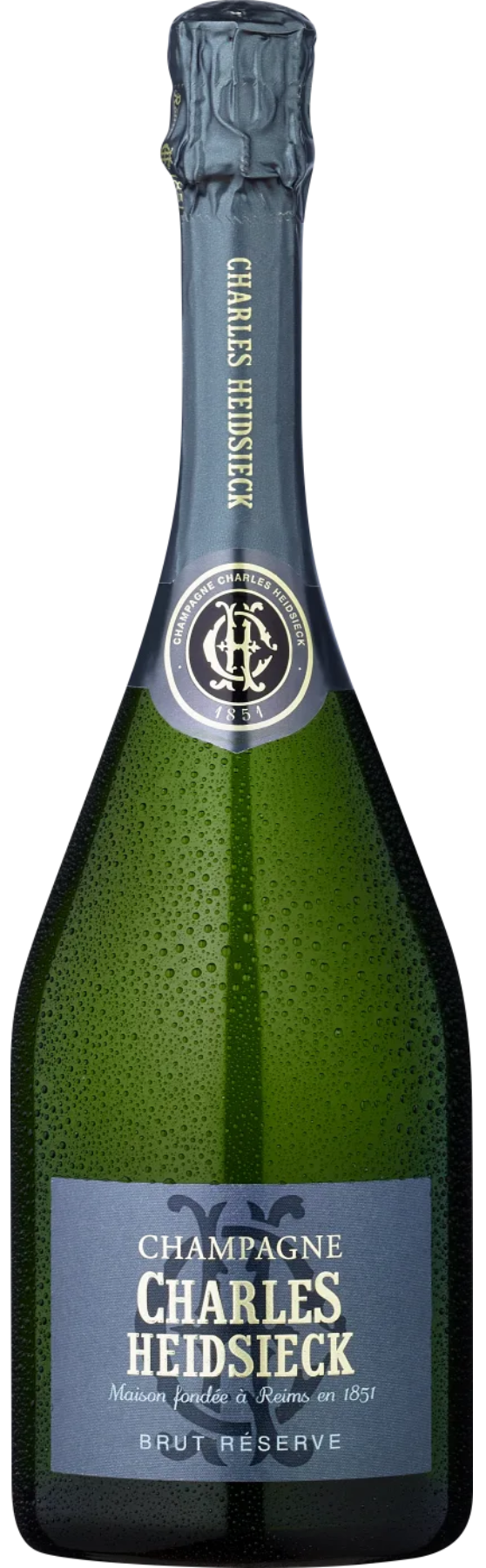
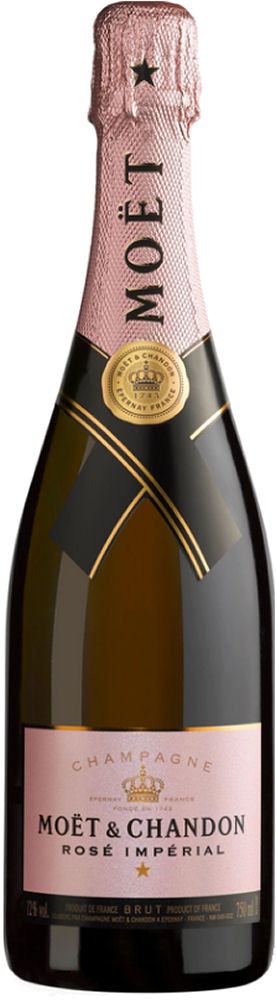
Entry-level (under €65): This level suits you if you are looking for a reliable Champagne for an aperitif, celebration, or spontaneous occasion. About a third of the assortment is here. The wines bear the designation Champagne AOC and show the classic, fresh house style. Producers like Taittinger, Moët & Chandon, Champagne Louis Roederer, and Champagne J. Charpentier characterize this level.
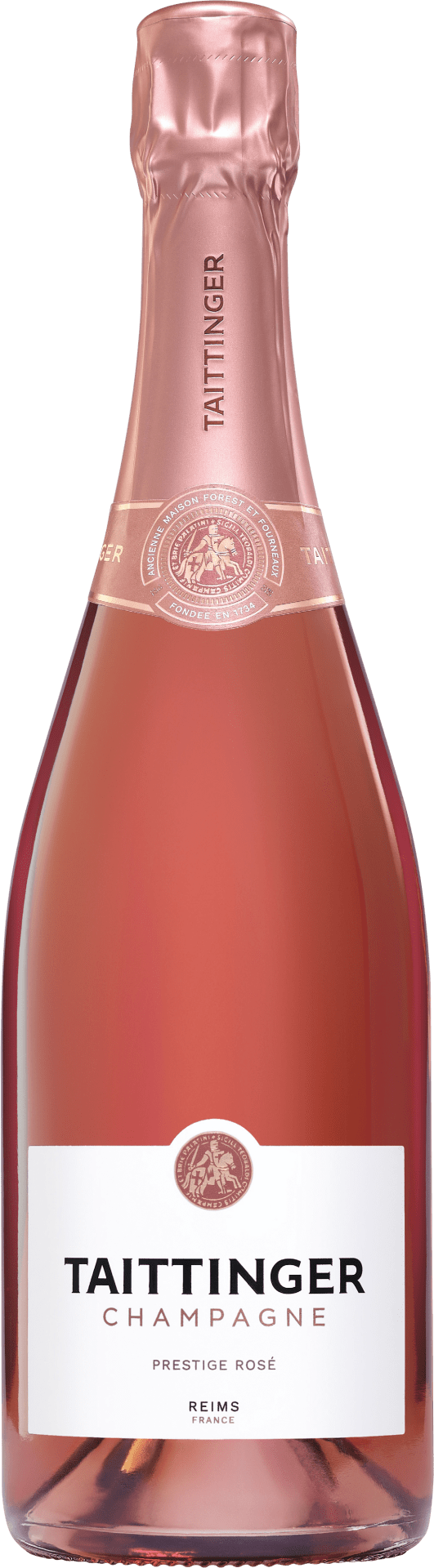
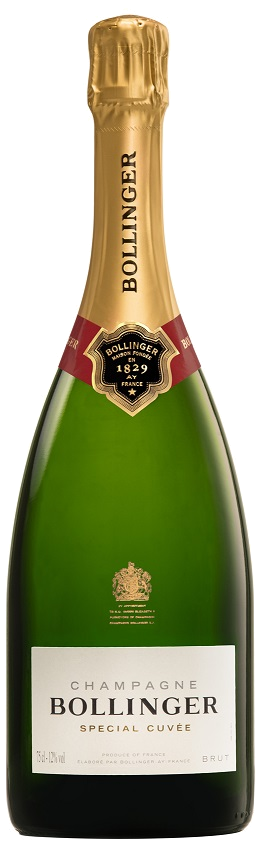
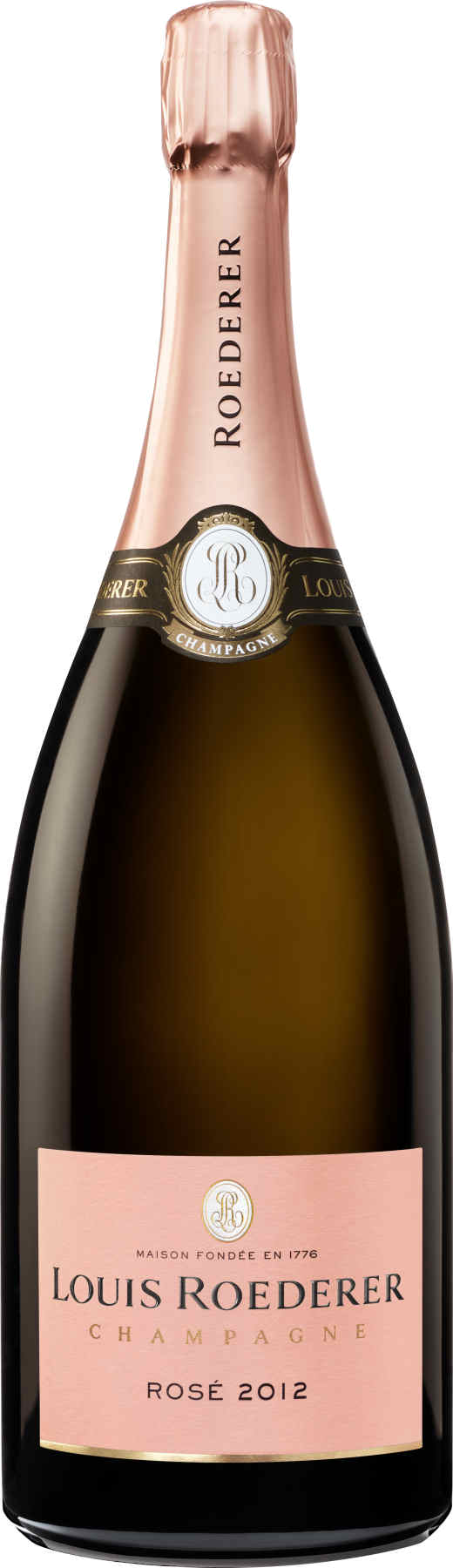
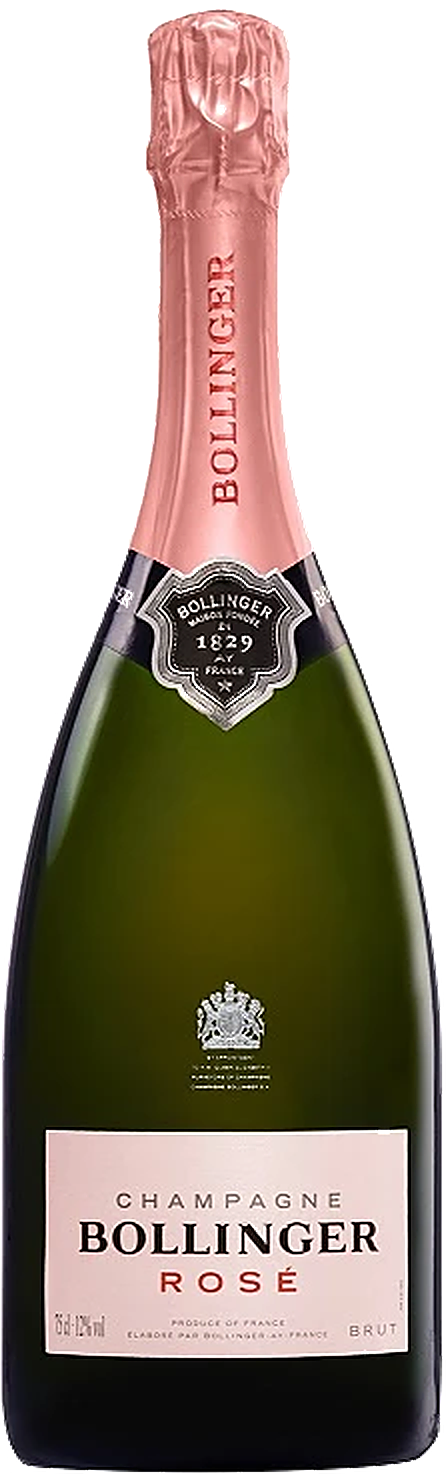
Mid-range (€65–€145): This level is suitable for meals with guests and for gifts with high standards. Also about a third of the assortment belongs here. The wines show more depth, more yeast notes, and a more distinct house style. Champagne Bollinger, Champagne Louis Roederer, Taittinger, and Moët & Chandon stand for this level.
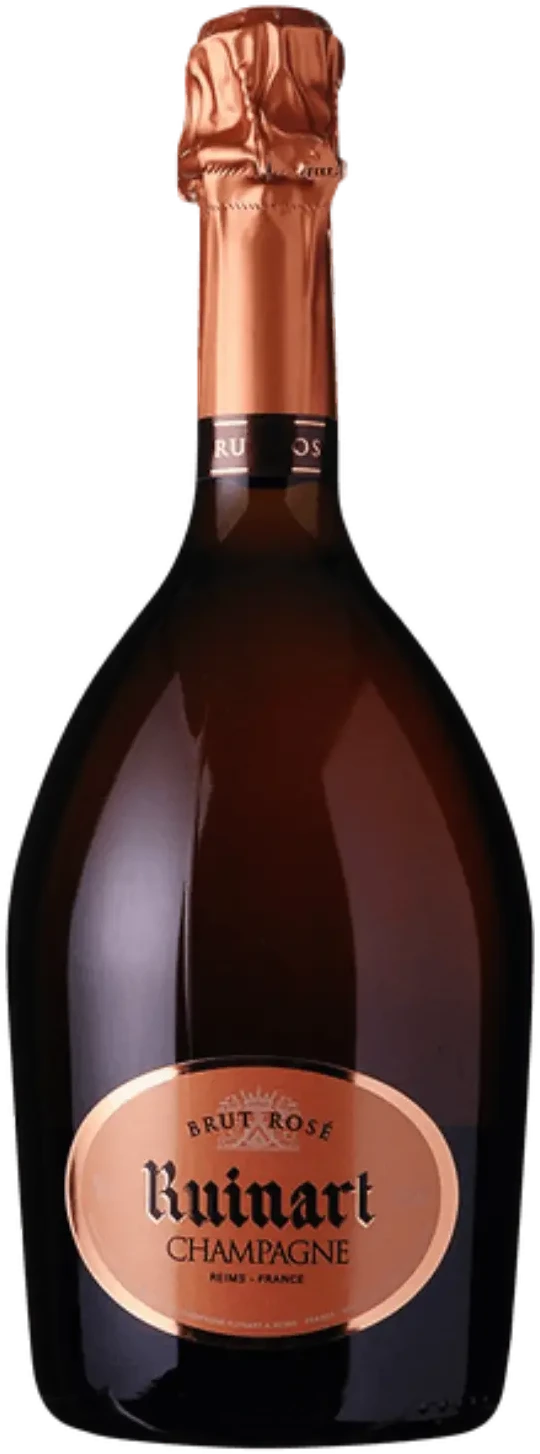
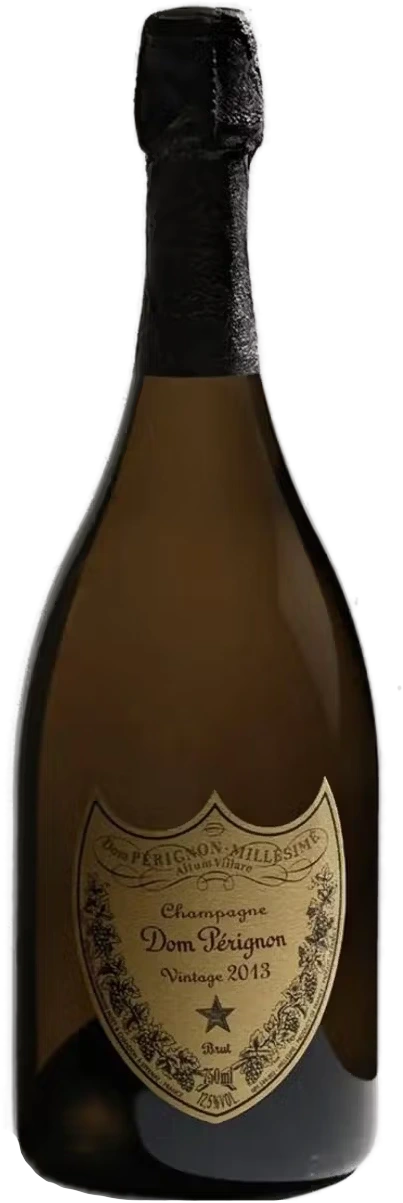
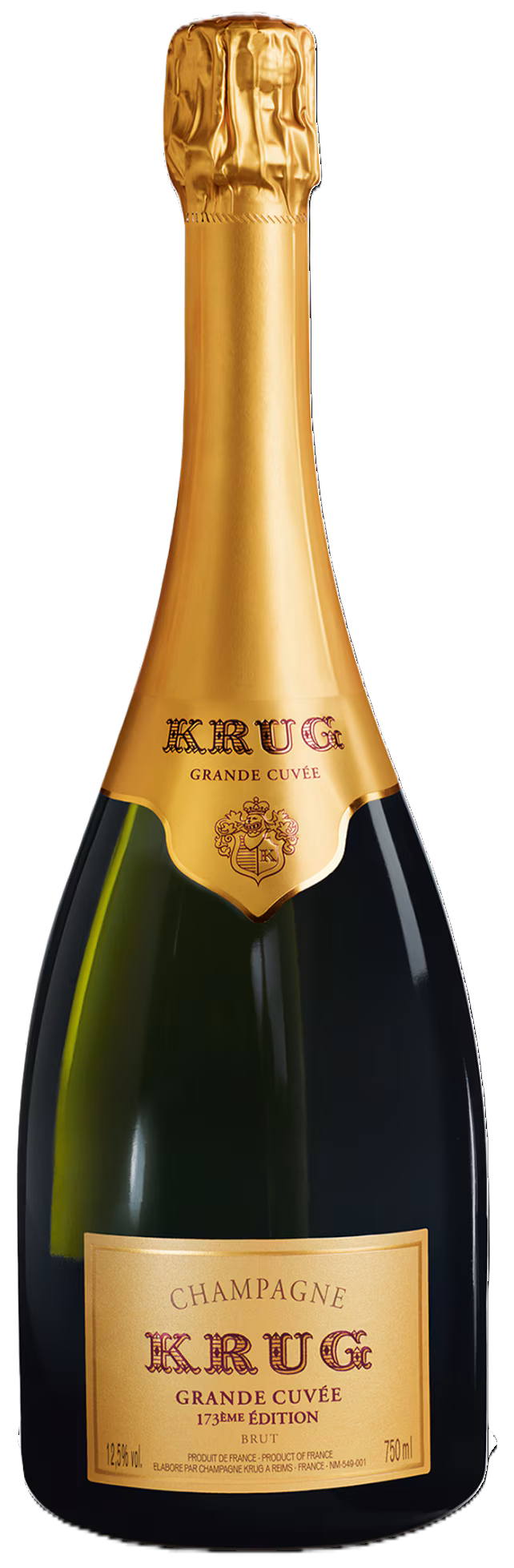
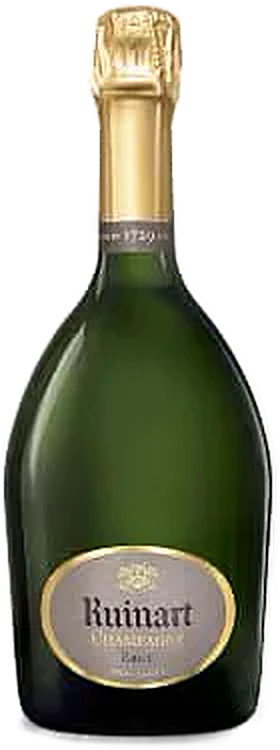
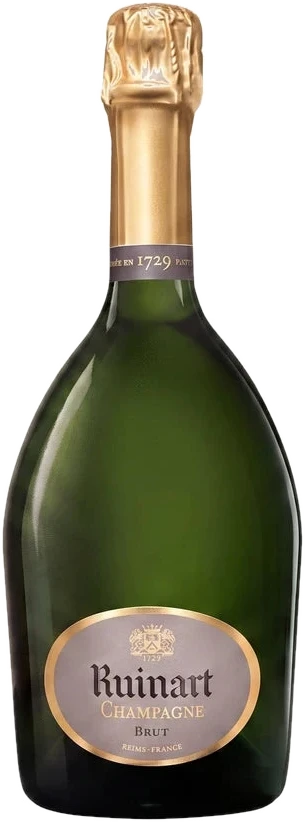
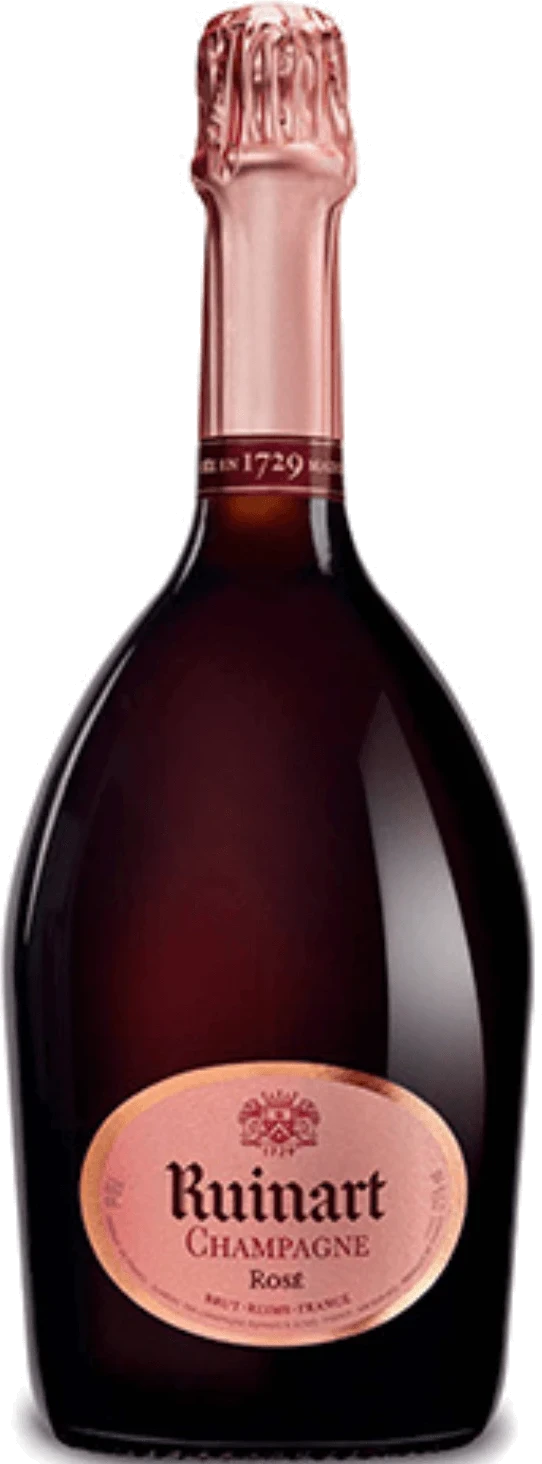
Top-tier (€145 and up): This level is aimed at collectors and special occasions. About a third of the assortment counts here. Here you will find prestige cuvées with aging in barriques and long yeast storage. They appear dense, complex, and persistent on the finish. Champagne Bollinger, Champagne Louis Roederer, Champagne Ruinart, and Champagne Taittinger characterize the top tier.Origin & Subcategories
Champagne comes exclusively from the Champagne region in France. The designation of origin Champagne is protected. The assortment comes almost entirely from there, with one exception from Australia. You can find more French wines in the France collection.
The selection can be further narrowed down by grape variety. The Chardonnay collection bundles fresh, elegant wines, as are typical for Blanc de Blancs. Under Pinot Noir you will find wines with more body and red fruit. The Pinot Meunier collection shows the third classic variety of Champagne.
Pairs with
Champagne pairs first as an aperitif because acidity and perlage stimulate the palate and whet the appetite for the meal. Brut and Extra Brut accompany seafood, oysters, crustaceans, and fried or grilled fish particularly well.
Blanc de Blancs pairs with salad and light appetizers. More full-bodied cuvées and Blanc de Noirs can also handle grilled food and aged cheese. For celebrations, gifts, and festive menus, the selection offers a suitable bottle in every price range.