From Almacenista to benchmark bodega: 125 years of Sherry history
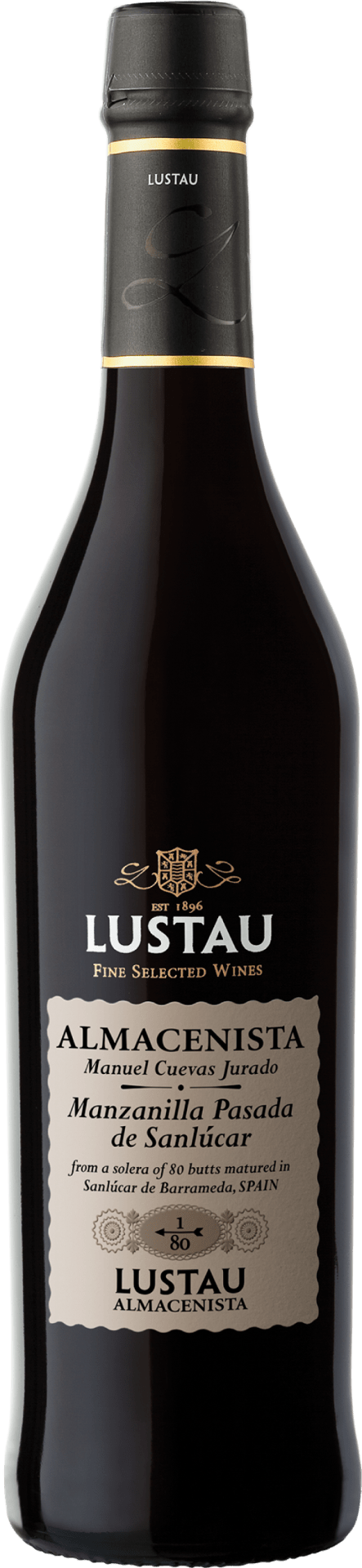
The history of Emilio Lustau begins in 1896 — not with a large bodega, but with a vineyard. Don José Ruiz-Berdejo, a court clerk in Jerez, grew vines on his Finca Nuestra Señora de la Esperanza, made wine, and sold it to larger exporters. He was a so-called Almacenista — a wine storer who aged Sherries and provided them as raw material for established houses. After his death in 1931, his daughter María Ruiz-Berdejo Alberti took over management and moved the soleras to a small bodega closer to the center of Jerez. In the 1940s, her husband, Emilio Lustau Ortega, moved the bodega again — this time to the historic Santiago district, into buildings that had once been part of the Moorish city wall. There, starting in 1945, he began marketing his own brands instead of passing the wines on anonymously. By the 1950s, Lustau was already firmly established in the circle of Sherry exporters. The next decisive step was taken in the early 1980s by Rafael Balao: He introduced the Almacenista line, which for the first time bottled rarities from small, independent storekeepers under their own names — a tribute to the house's roots. In 1990, the Luis-Caballero group acquired a majority stake, which gave Lustau the financial basis for expansion; in 2001, the bodega moved to its current home on Calle Arcos — six restored 19th-century buildings with around 20,000 square meters of cathedral-like warehouses.
Three cities, two vineyards, one solera philosophy
Lustau is the only bodega that produces wine in all three cities of the Sherry Triangle: in Jerez de la Frontera, El Puerto de Santa María, and Sanlúcar de Barrameda. This is not a geographical curiosity, but a deliberate strategy: Each city offers different conditions, different microclimates, and different characters. The Manzanilla matures in Sanlúcar under the Atlantic sea breeze, the Fino del Puerto is created on the coast in El Puerto, while the main soleras are stored in the heart of Jerez.
Two of our own vineyards provide the grapes: Montegilillo, a classic Albariza slope in the interior of Jerez with chalky white soil and high moisture-retention capacity, ideal for Palomino Fino — and Las Cruces near the coast, where sand, clay, and Albariza mix and all three permitted grape varieties grow: Palomino, Pedro Ximénez, and Moscatel. Vinification is modern and precise; the centerpiece remains the traditional solera, in which wine from different vintages is successively blended together through staggered racking. For the biologically aged types — Fino and Manzanilla — the flor, a layer of yeast on the wine, takes over, preventing oxidation and shaping the characteristic salty, nutty tone. Cellar master Sergio Martínez, who has been with the house since 2003, is responsible for this process today.
The range: Sherry in all its breadth
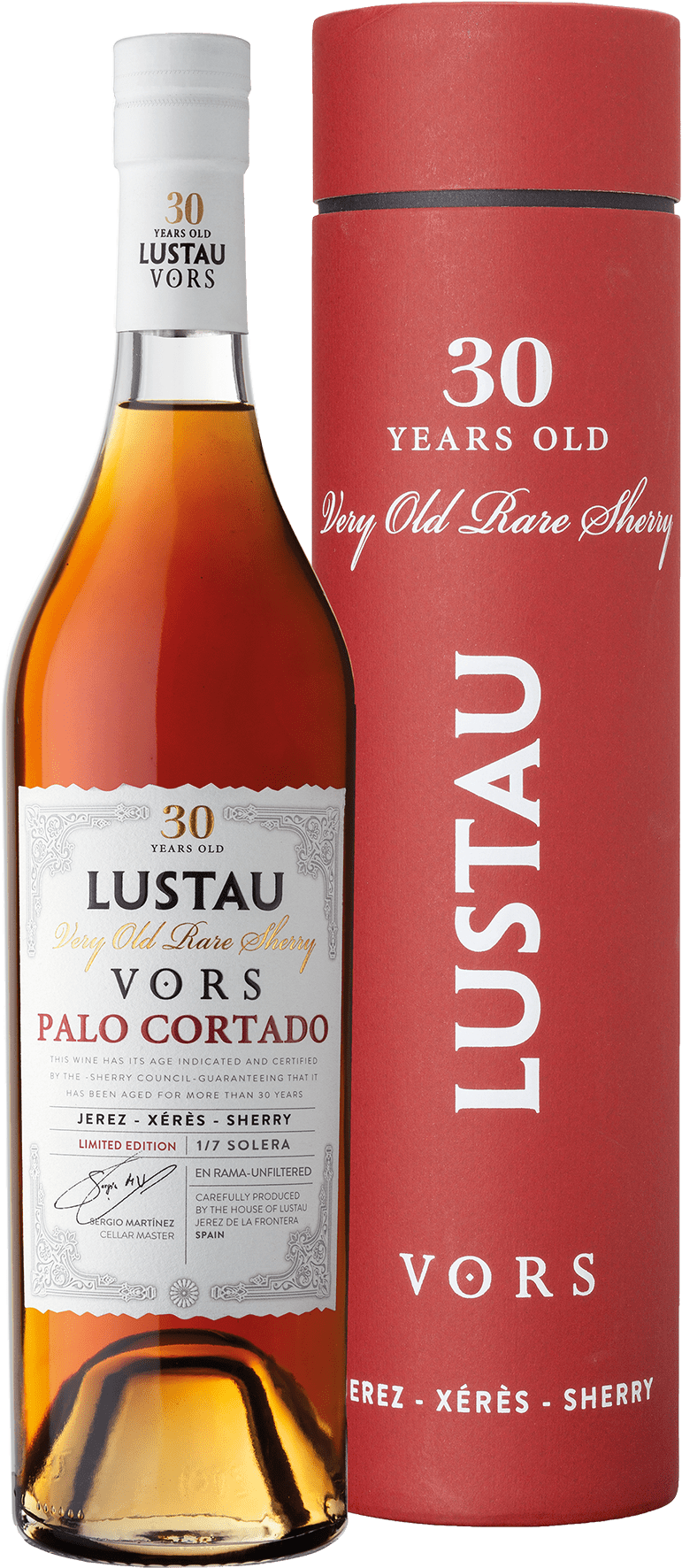
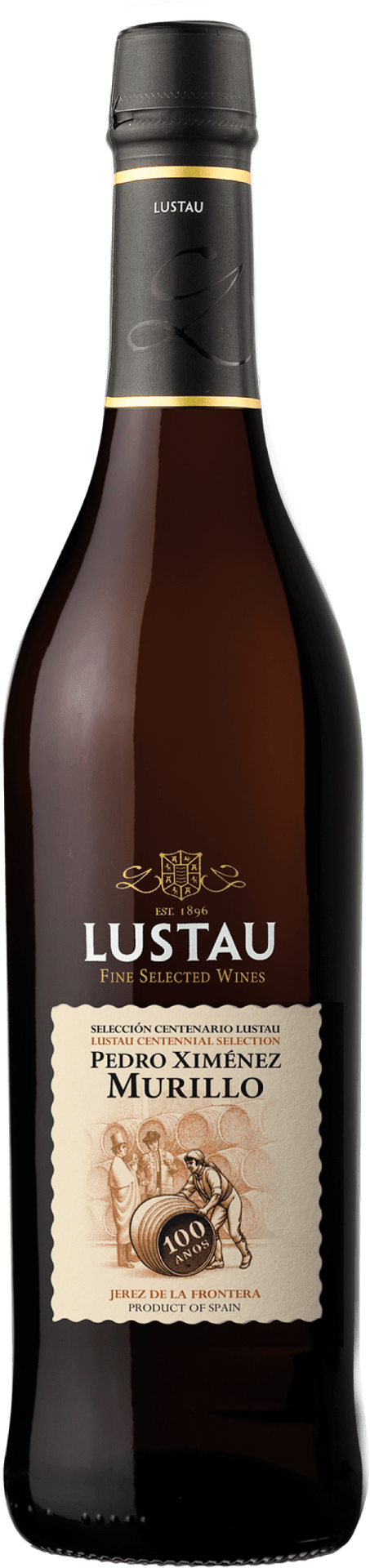
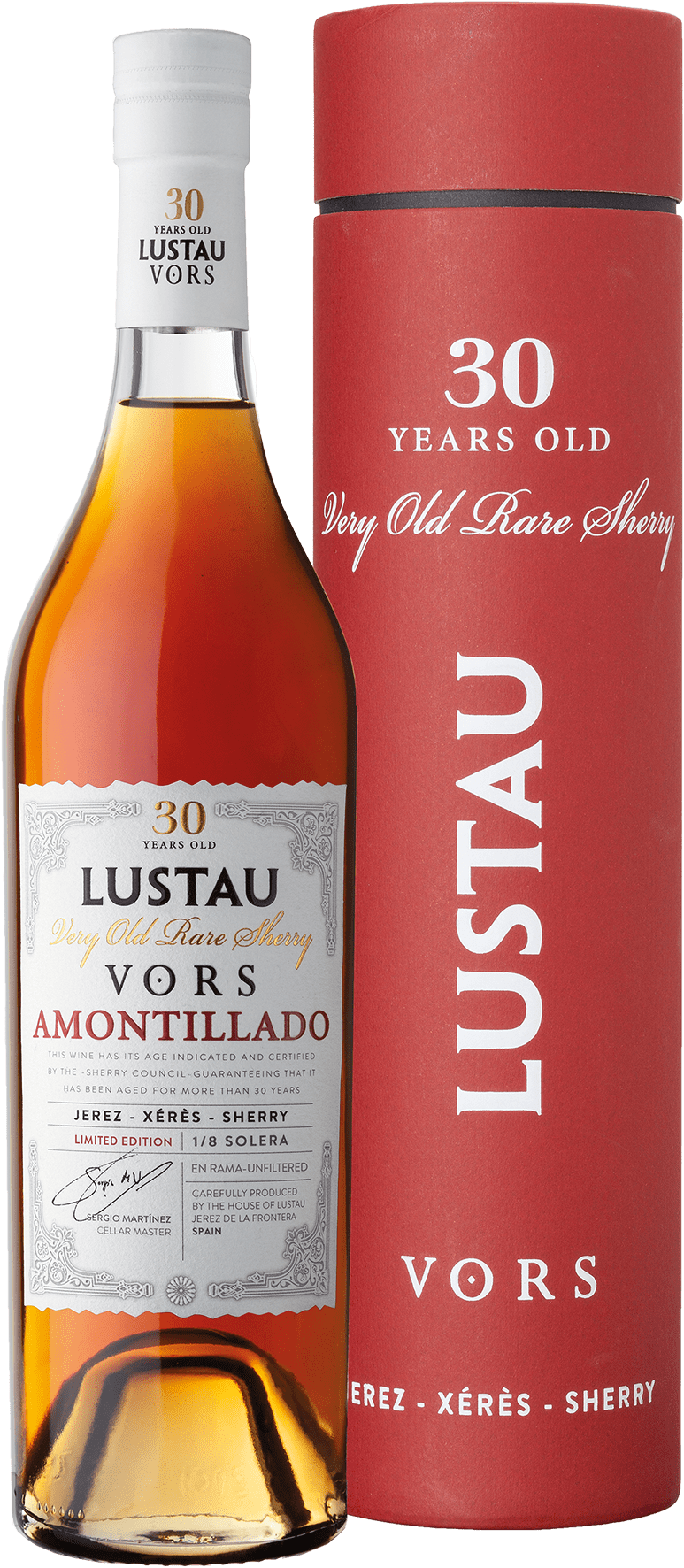
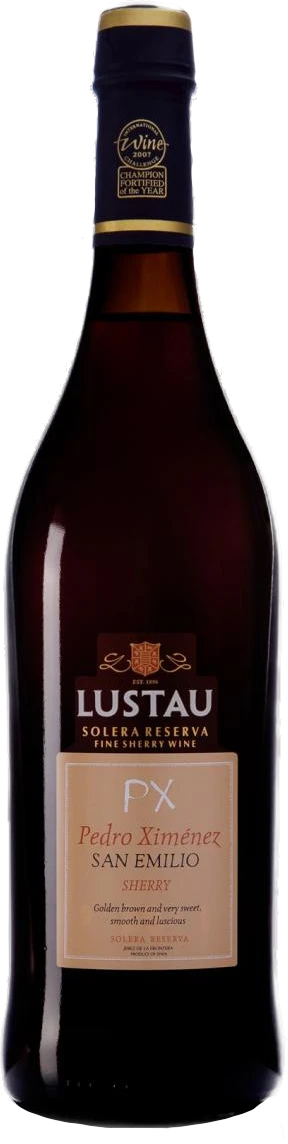
Lustau produces over 40 different Sherries — a range that covers the entire stylistic spectrum of the DO Jerez-Xérès-Sherry. The Solera Familiar line is the classic entry-level line: It includes the light, sea-breeze-scented Manzanilla Papirusa from Sanlúcar, the bone-dry, elegant Finos Jarana and Fino del Puerto, the nutty, multi-layered Amontillado Los Arcos, the dark, dry Oloroso Don Nuño, as well as the rich sweet wines Moscatel Emilín and Pedro Ximénez San Emilio, and the gently creamy Cream Capataz Andrés. Each style appears here in its purest form, without compromises for mass taste. Those who want to delve deeper will find bottlings in the Almacenista line from the cellars of small, named storekeepers — rare wines that would otherwise disappear into anonymous blends without Lustau. In addition, there are VORS Sherries with over 30 years of barrel aging as well as vintage bottlings. As the only producer at all, Lustau has revived the East India Solera style, a historical category that the house has redeveloped on its own.