From Jerez to the world: 190 years of family history
In 1835, the then 23-year-old Manuel María González Ángel bought a small bodega near the Alcázar of Jerez de la Frontera — with the goal of producing quality wines and carrying the name of the city into the world. Decisive support came from his uncle José Ángel de la Peña, affectionately called "Tío Pepe" in the family circle: He taught his nephew the craft and gave the first own solera approach his name. In 1849, the Tío Pepe brand was created, which was registered in 1888 as the first registered trademark in Spain. A few years later, the British sales representative Robert Blake Byass joined as a partner — thus the transatlantic view was part of the company DNA from the beginning. The Byass family left the company in 1988; since then, the sole responsibility has lain with the González family, who today manage the house in the fourth and fifth generation. Mauricio González-Gordon stands as president for this generational approach: a company that thinks in decades, not in quarters.
The bodega itself is a piece of architectural history: La Concha, built on the occasion of the visit of Queen Isabel II in 1862, carries a steel vault from the school of Gustave Eiffel. Beneath it, in the lower levels of the Tío Pepe bodega from the 1960s, around 30,000 barrels are stored. It is no wonder that the location has become one of the most visited wine tourism destinations in Europe.
Albariza soils, solera system, and generational thinking
The heart of production lies in the Sherry Triangle between Jerez, Sanlúcar de Barrameda, and El Puerto de Santa María. The chalk-white Albariza soils store the winter rainfall and release it in a controlled manner during the dry summer months — optimal conditions for the Palomino Fino vine, which cultivates the majority of the vineyard area. Aging is carried out according to the traditional solera method: wine matures in 600-liter American oak barrels and becomes a blend of many harvest years through the successive inflow of younger vintages. Some of these soleras at González Byass have been working continuously for over a century. In parallel, the house already operated its own oenological research center in the 1960s — an unusually progressive step for that time. With the "5+5 Caring for the Planet" initiative, the company also promotes social programs for the cultivation communities in Spain, Chile, and Mexico.
From Fino to VORS: a range that shows the entire depth of Sherry
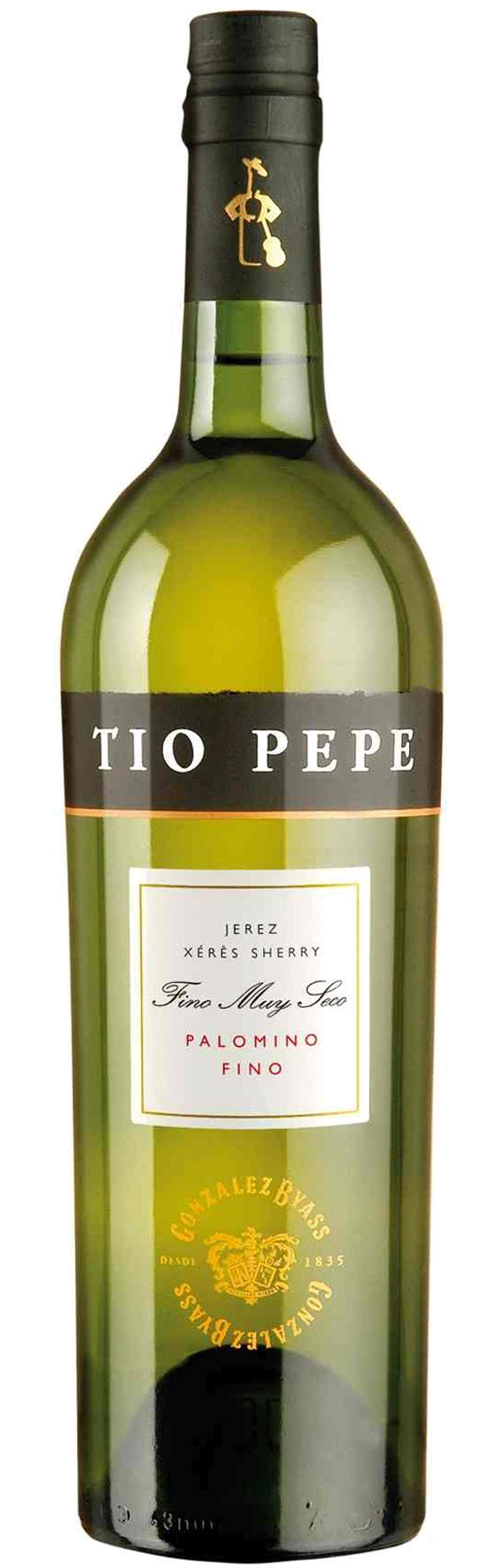
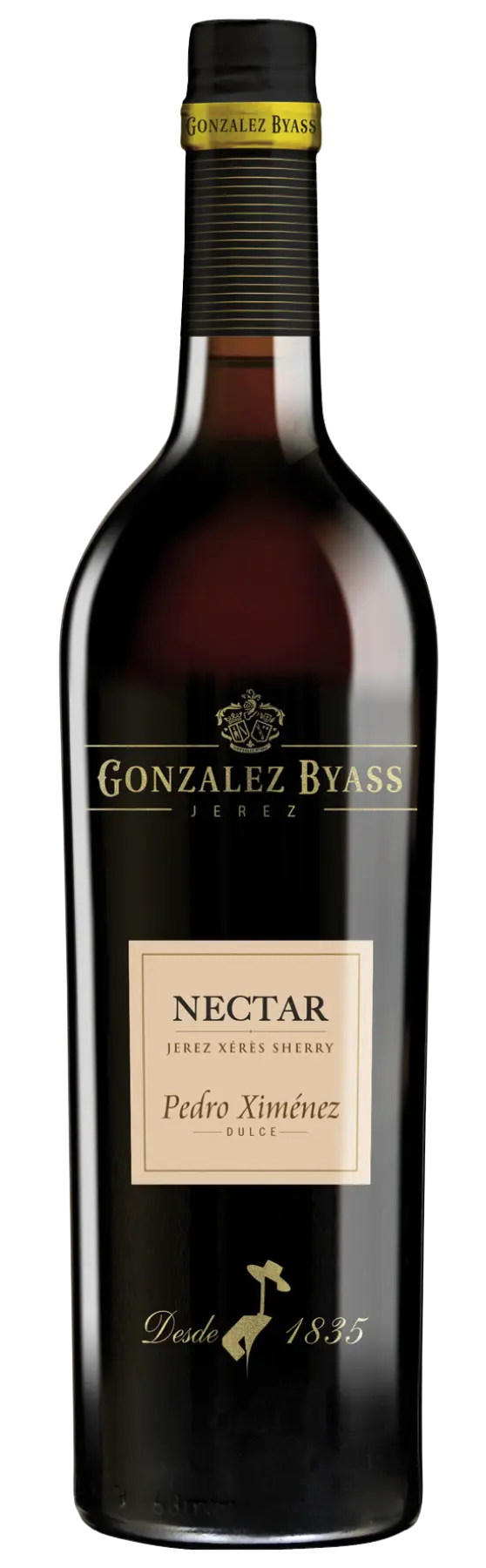
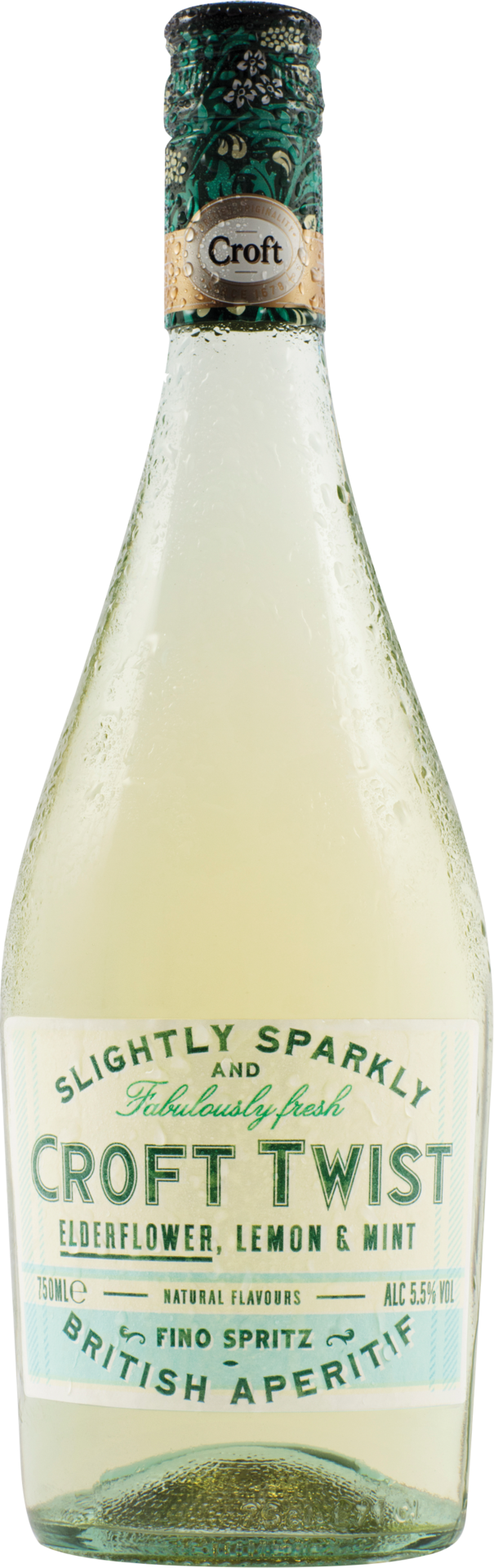
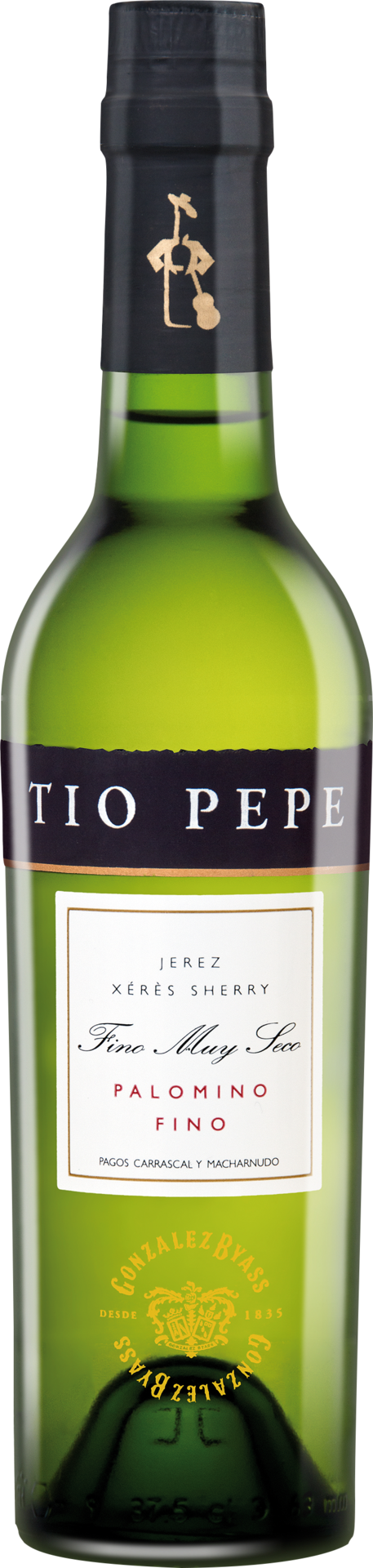
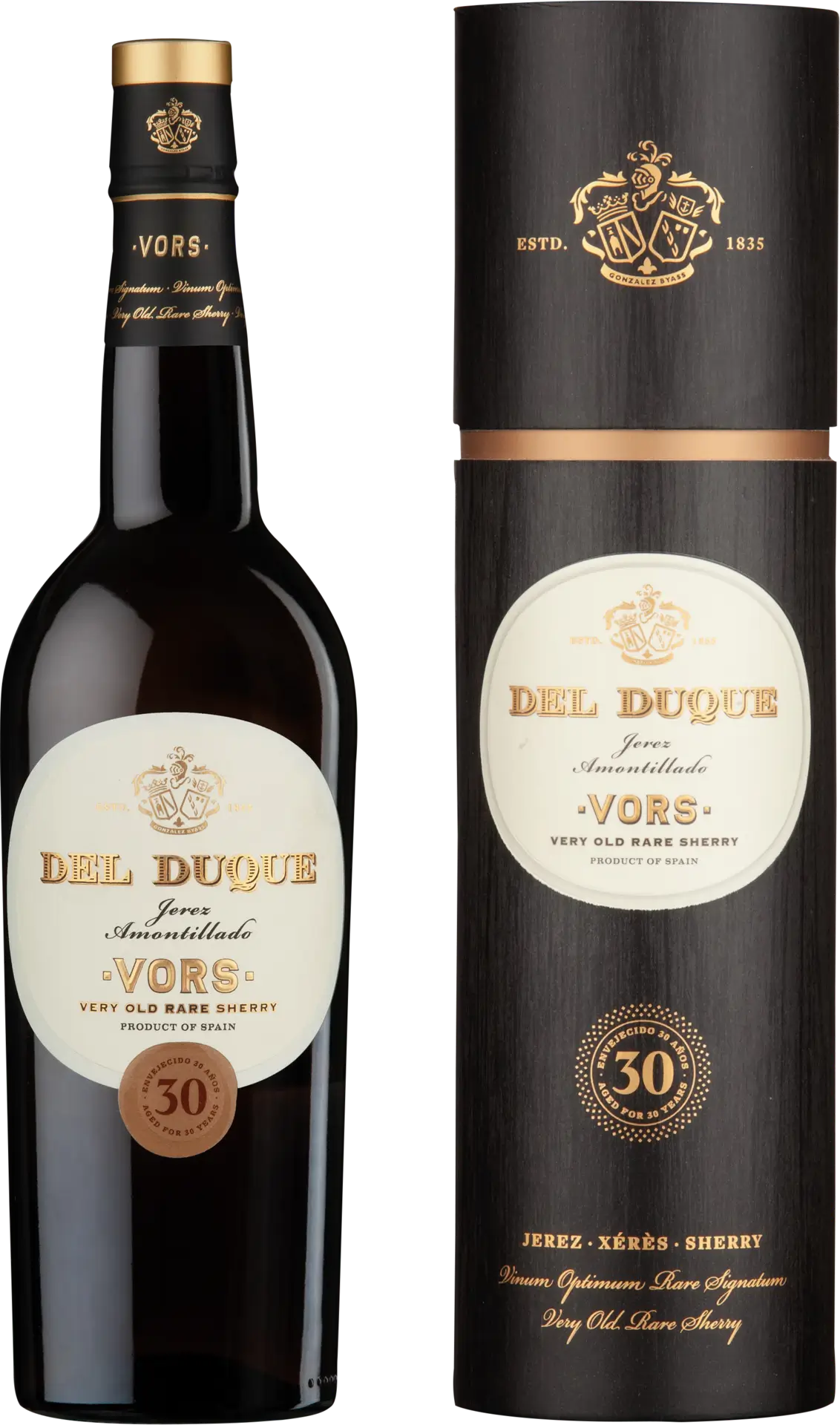
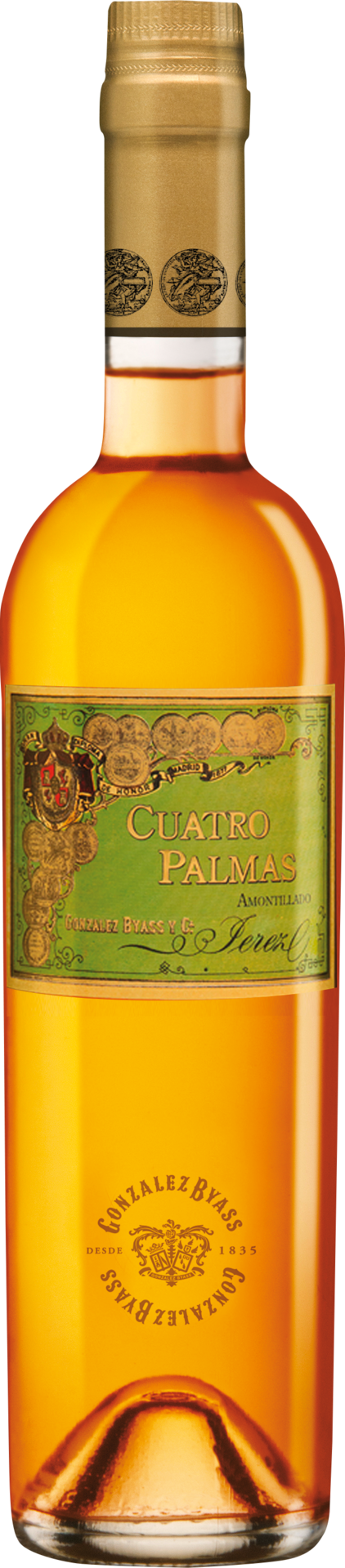
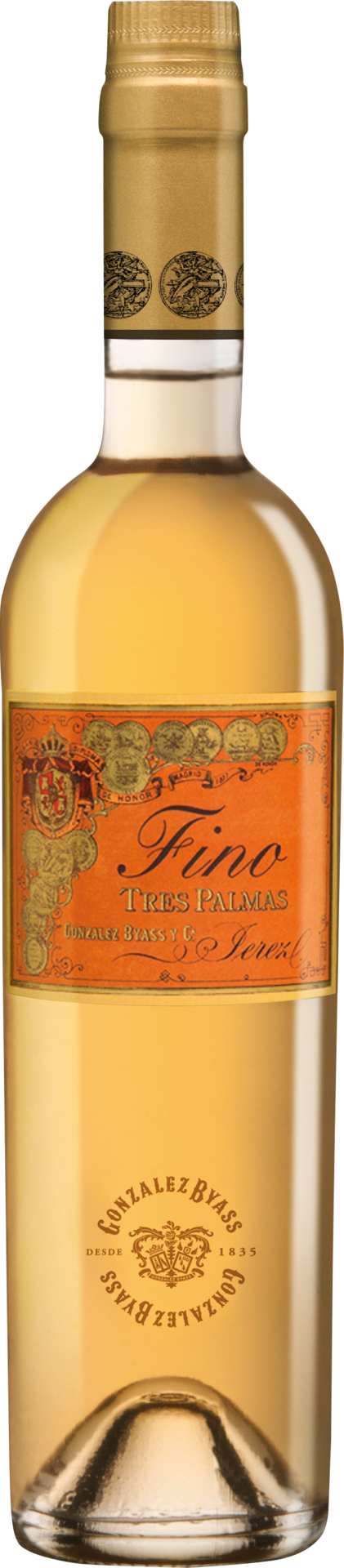
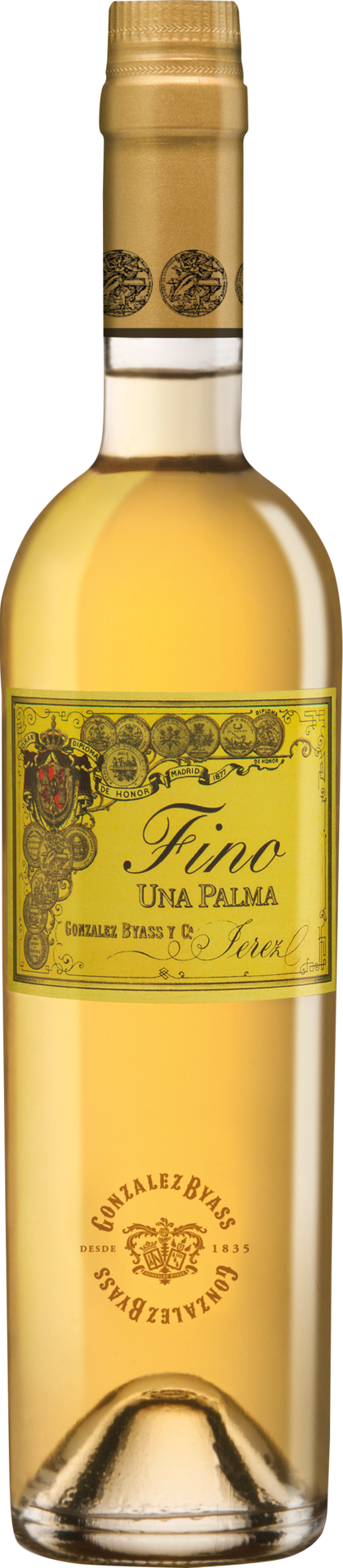
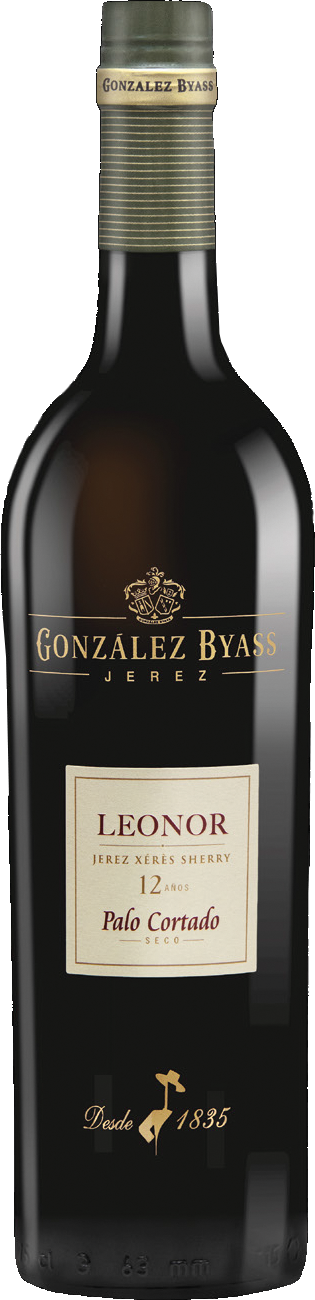
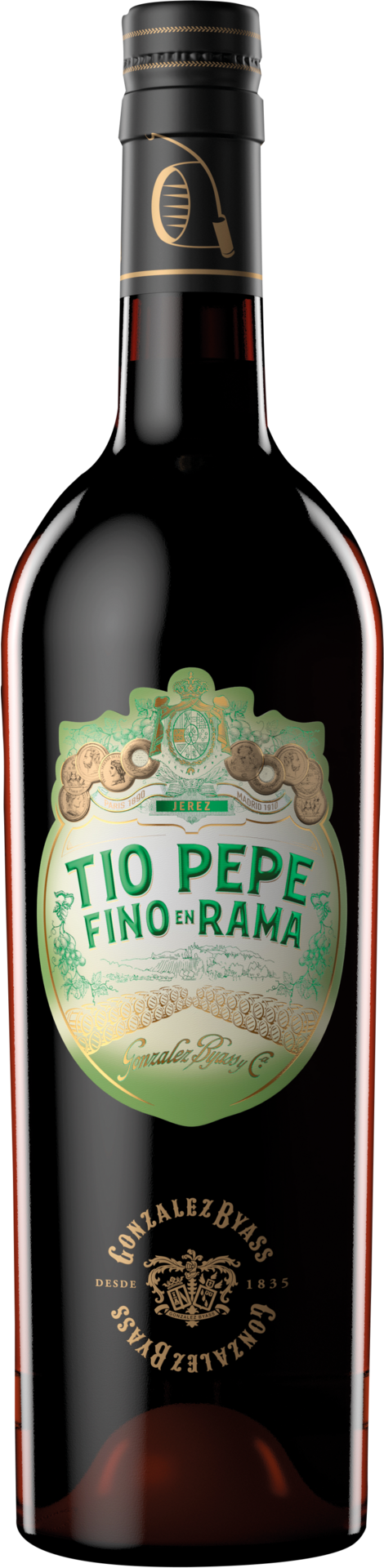
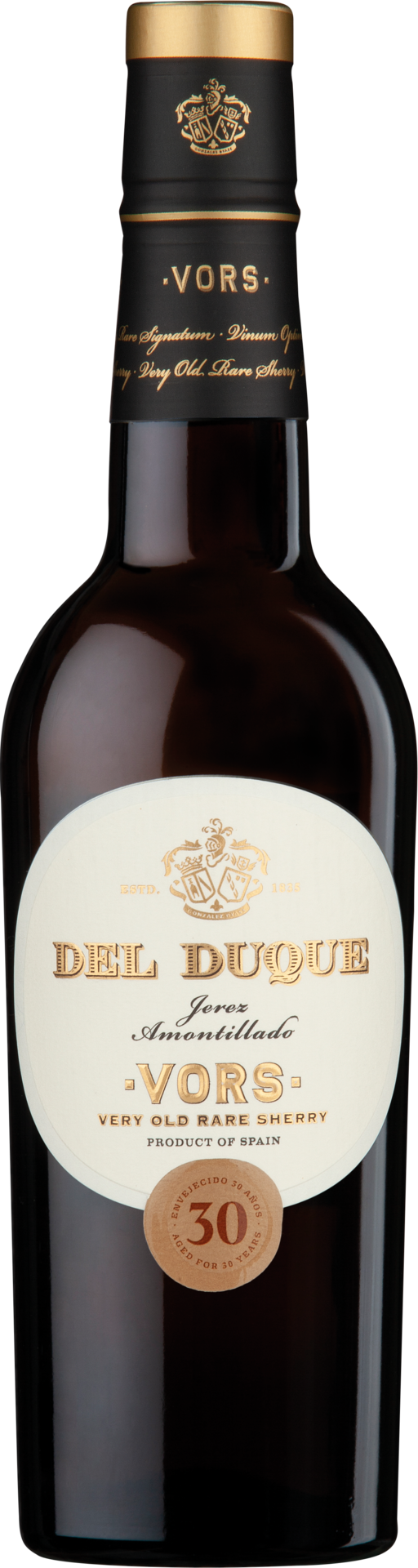
Tío Pepe, the world's best-known Fino, is the entry into a style that is hard to surpass in breadth: biological aging under the yeast veil Flor for about four years results in that salty, bone-dry profile that has made the wine famous. Those who want to go deeper will find the Palmas line: Tres Palmas and Cuatro Palmas are older expressions of the same solera approach — the Cuatro Palmas with about 45 years of aging develops from Fino to a complete Amontillado, with an aroma profile of hazelnut, dried fruit, and fine oxidation. At the very top of the range sits the VORS collection (Very Old Rare Sherry): wines with an average age of at least 30 years, the authenticity of which is certified by the D.O. control board. The Del Duque Amontillado VORS — single-varietal Palomino from the historic solera stock of the Duke of Medinaceli — shows deep amber, roasted nuts, dried fruits, and a persistently spicy finesse. The Leonor Palo Cortado, with an average of 15 years of aging, combines the freshness of a biologically aged wine with the structure of oxidative storage. Pedro Ximénez in the form of intensely sweet grape must completes the spectrum on the other side of the scale. Those looking for an easier entry will find it in Croft Twist — a modern Fino-based aperitif that translates the Sherry tradition into contemporary drinking moments.