From English merchant to symbol of Spain
Thomas Osborne Mann left England and settled in 1772 in El Puerto de Santa María — a port city on the Atlantic coast of the province of Cádiz, which together with Jerez de la Frontera and Sanlúcar de Barrameda forms the famous Sherry Triangle. What began as a small bodega quickly grew into one of the most important sherry houses in Andalusia. Osborne initially used the cellars of the legendary Duff-Gordon company; in 1833 he became a partner, and in 1872 the family finally took over all shares including the historic soleras. The founder's sons, Tomás and Juan-Nicolás, were awarded the specially created count title "Conde de Osborne" by Pope Pius IX in 1869 — an indication of the social standing the house had earned in less than a century.
In the 20th century, Osborne gradually expanded its business: more bodegas, the acquisition of Bodegas Montecillo in La Rioja, as well as production facilities for brandy in La Mancha, whose distillates are brought to Andalusia and aged there in oak barrels. Today, the family runs the company in the eighth generation, employs over 900 people, and distributes its products in more than 40 countries.
Albariza, Atlantic, and the Solera process
El Puerto de Santa María is located on the edge of the Atlantic, where the "Poniente" breeze — cool and humid — moderates the heat of the Andalusian summers. The dominant soil of the region is Albariza: light limestone that stores rainwater like a sponge and slowly releases it to the Palomino Fino grape over the dry months. This combination of oceanic climate and mineral-rich subsoil is the basis for the characteristic style of Osborne sherries.
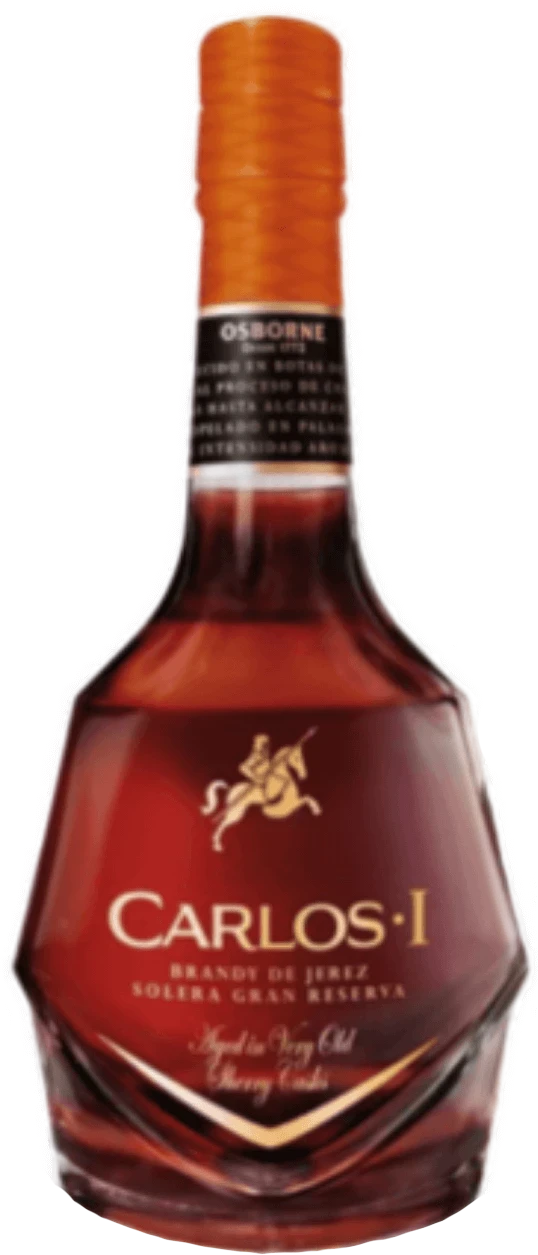
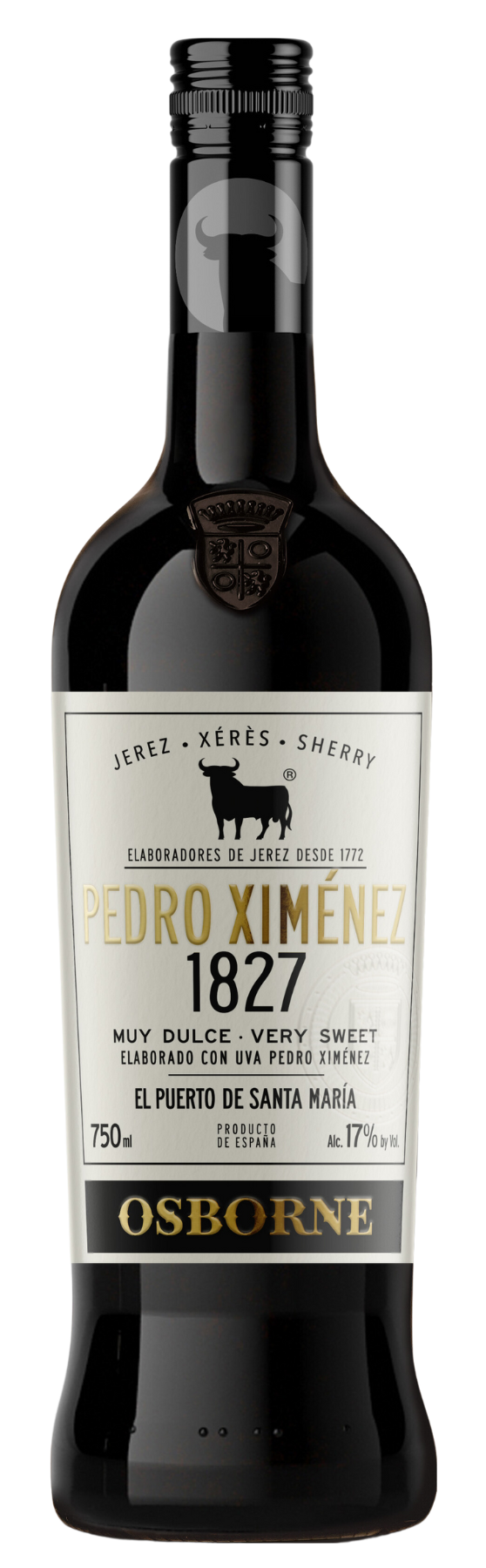
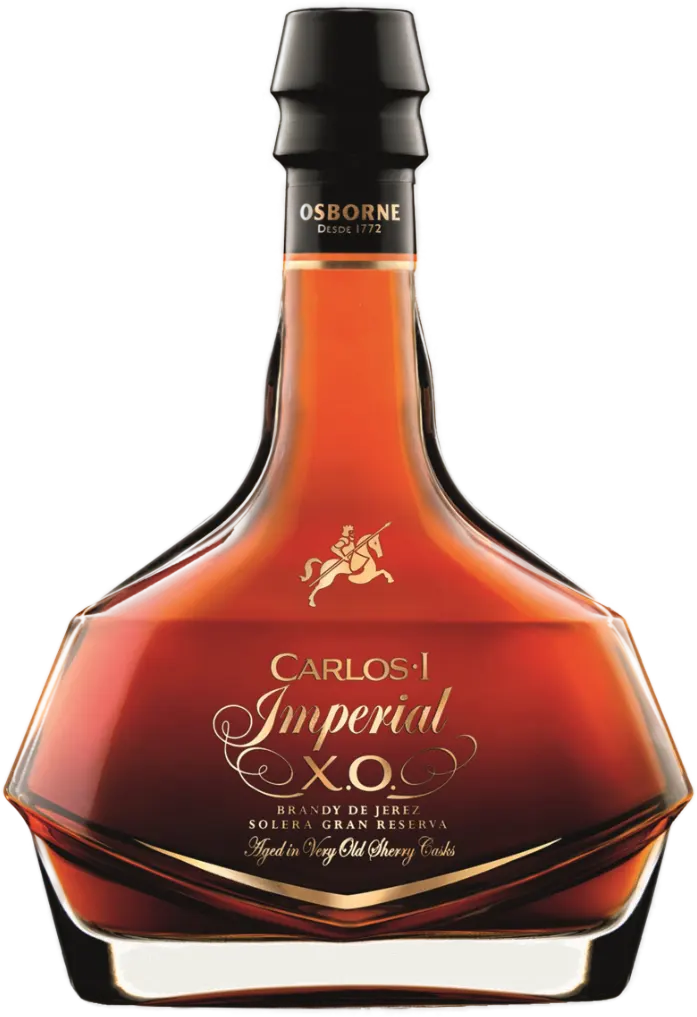
Both sherry and brandy mature at Osborne using the traditional solera process: barrels of different vintages are systematically combined so that young wine is continuously blended with older wine. All spirits are stored for at least twelve months in oak barrels in El Puerto de Santa María. The Carlos I brandy, for example, matures in barrels that previously contained Amontillado and Oloroso sherry — hence the complex layering of aromas of dried fruits, vanilla, and spicy wood notes. The estate's own vineyards, planted with Palomino Fino and Pedro Ximénez, provide the basis for a range that extends from bone-dry, tart Fino to velvety Cream.
Fino, Oloroso, Brandy — a range with depth
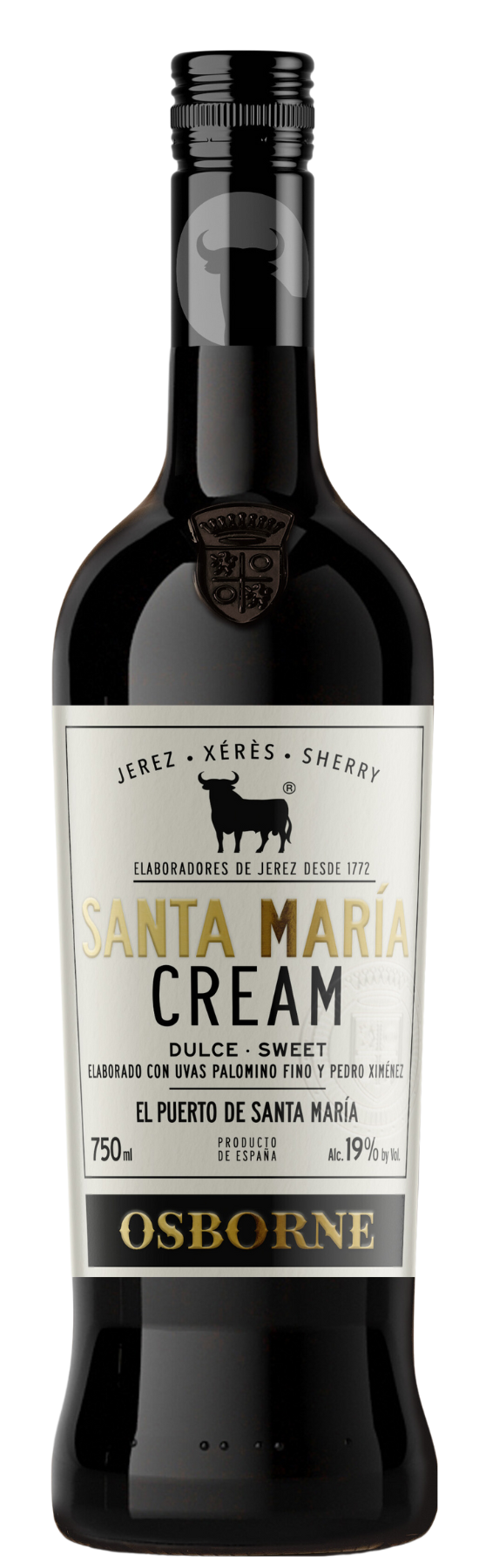
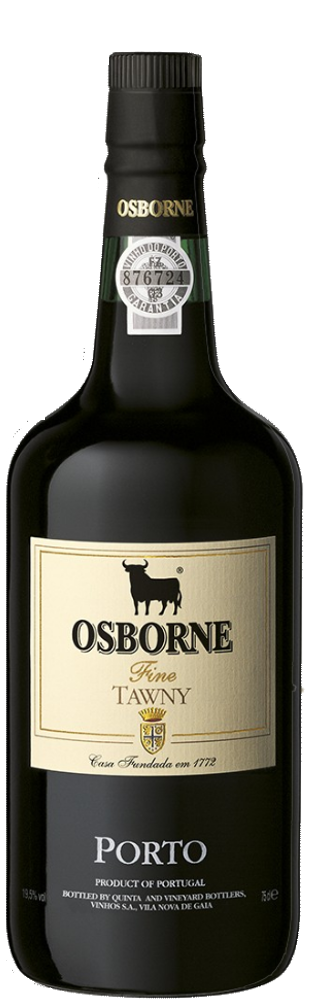
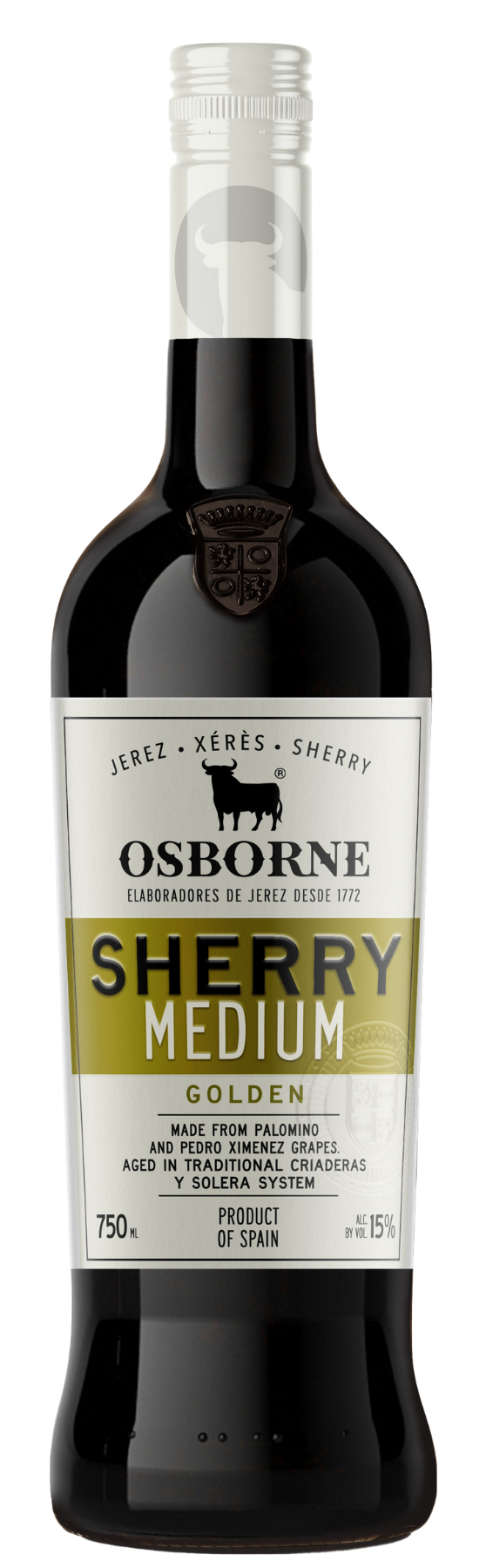
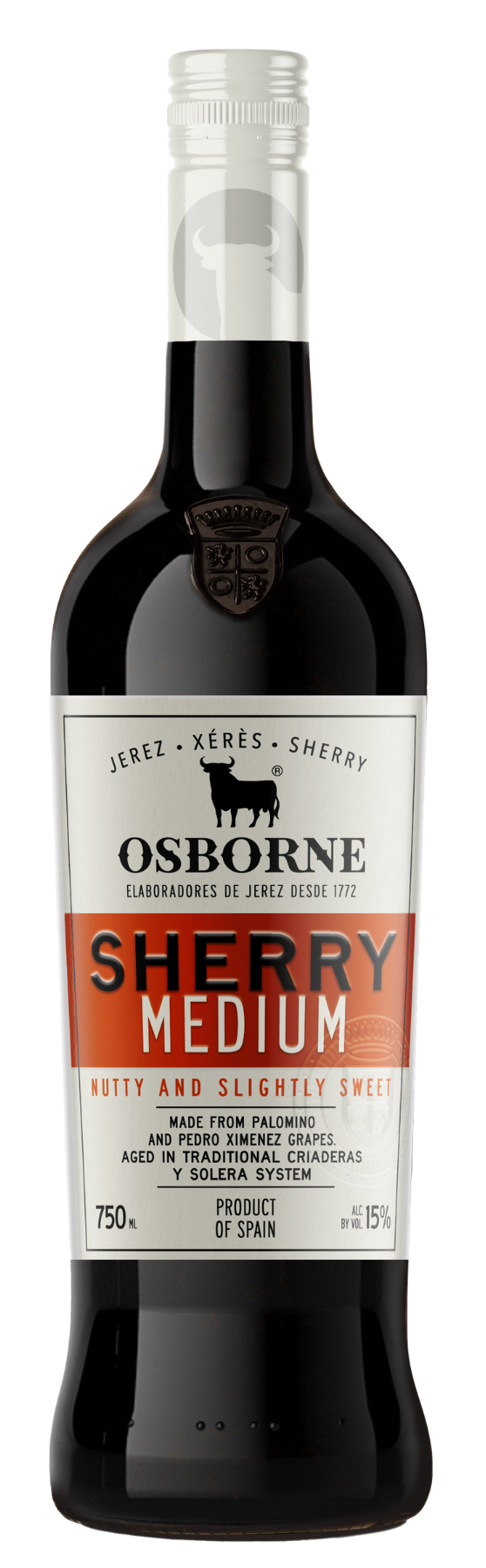
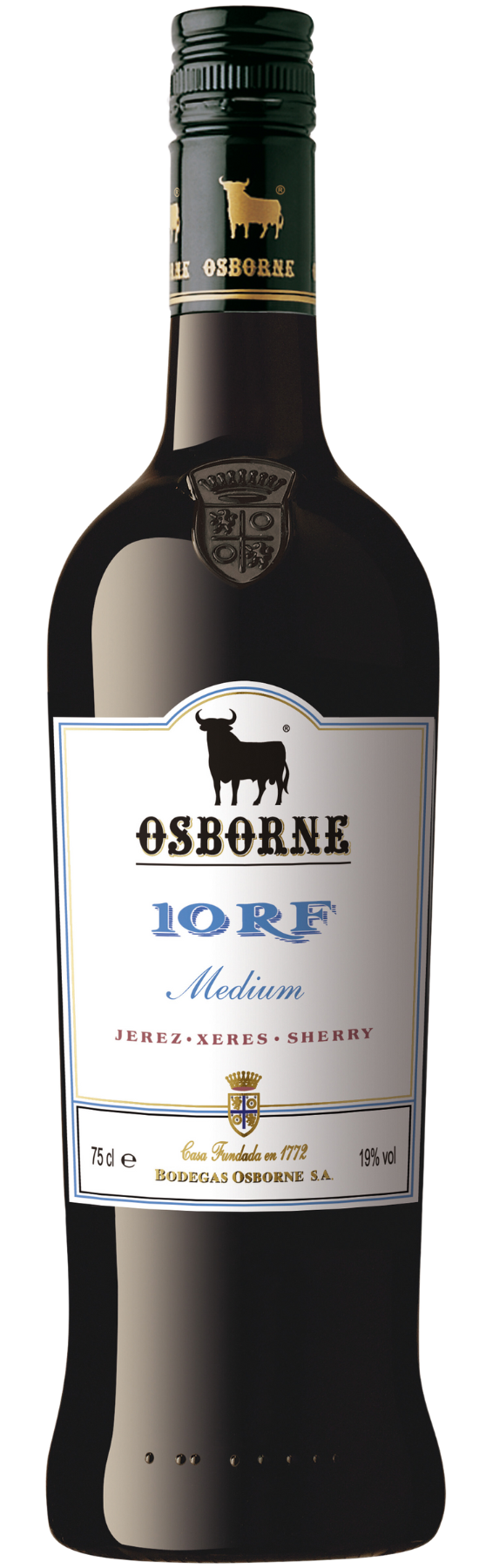
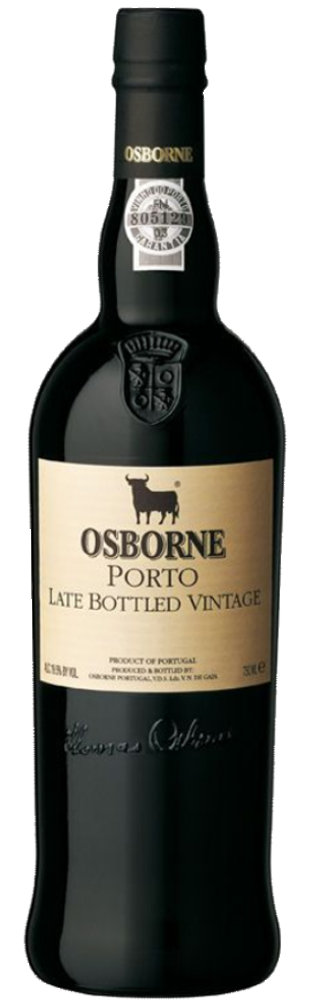
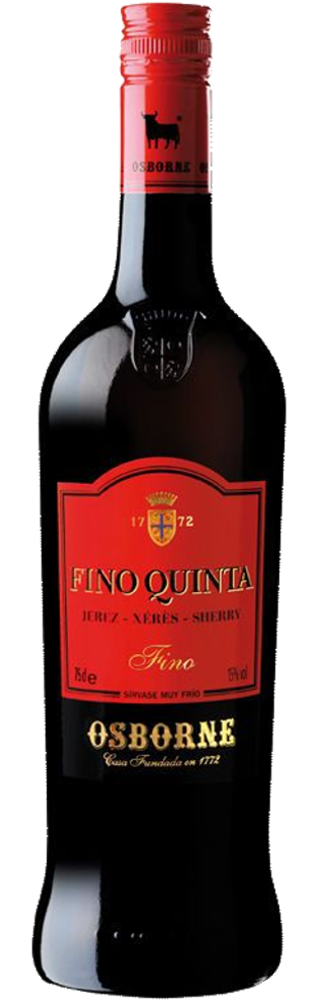
Osborne produces all classic sherry types within the Denominación de Origen Jerez-Xérès-Sherry: the dry, yeast-fresh Fino Quinta, the powerful, nutty-oxidative Oloroso 10 RF, the full-bodied Cream Santa María, as well as a Golden and Medium for a more accessible entry. Added to this is a Late Bottled Vintage Port from Portugal — a sign of the house's early international orientation. The Brandy de Jerez stands equally alongside it: Carlos I Primero as Solera Gran Reserva and Carlos I Imperial X.O. are among the best-known Spanish brandies of all; the X.O. was marketed in a bottle whose label was designed by Salvador Dalí.
The black bull silhouette, the house's trademark since 1956 and under monument protection by court ruling since 1997, now stands on 90 steel figures along Spanish highways. Hardly any sign connects wine culture, craftsmanship, and national identity as directly as this one — and hardly any bodega embodies the history of Andalusian sherry as seamlessly as Osborne from El Puerto de Santa María.