From the Cave d'Eguisheim to number one in Alsace
The history of Wolfberger begins in 1902 in Eguisheim, one of the oldest wine-growing villages in Alsace, a few kilometers south of Colmar. At that time, the local winegrower families joined forces and founded one of the first wine cooperatives in the region – under the name Cave d'Eguisheim. The merger was a response to the economically difficult situation of Alsatian viticulture at the beginning of the 20th century: pressing together, marketing together, standing together.
The decisive breakthrough came in the 1970s. A new generation of winemakers consistently pushed quality and brand development – and thus laid the foundation for the name Wolfberger. 1976 was a double birth year: the Crémant d'Alsace appellation was officially recognized by decree, and Wolfberger established its brand at exactly this moment. No coincidence – because the cooperative had already made its first attempts at bottle fermentation of Alsatian wines in 1972, thereby laying the foundation for the entire appellation. Today, Wolfberger is the leading wine brand in Alsace and is present in more than 50 countries.
1,200 hectares, around 400 winegrower families, a clear commitment to sustainability
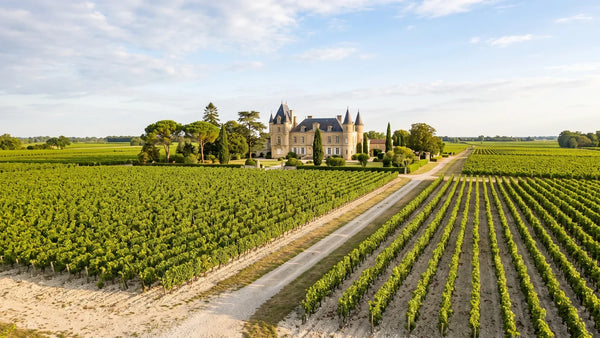
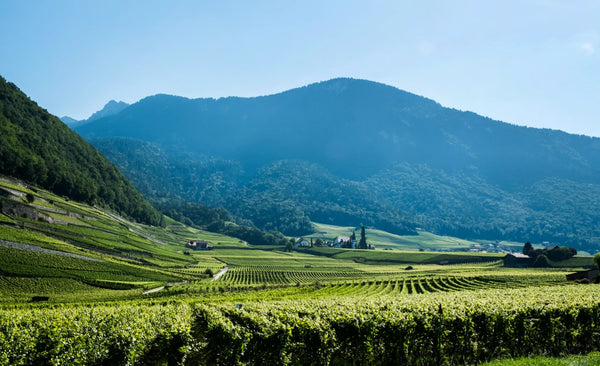
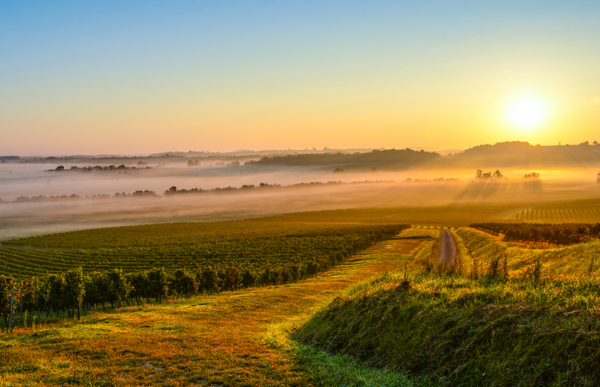
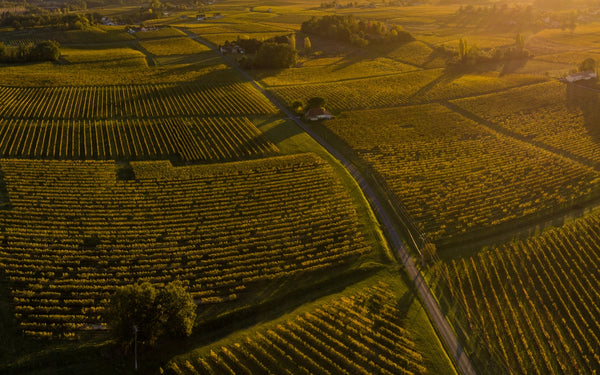
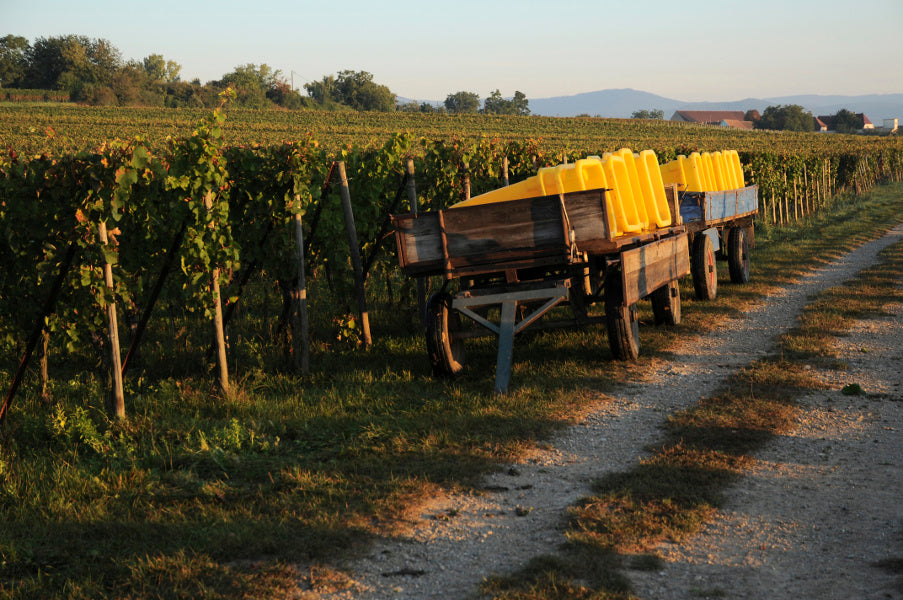
Around 400 winegrower families now jointly manage about 1,200 hectares of vineyards – which corresponds to about eight percent of the entire Alsatian wine-growing region. The parcels are spread over almost 100 kilometers from north to south, with production facilities in Eguisheim, Colmar, Orschwihr, and Dambach-la-Ville. This distribution across both departments allows for a wide spectrum of soil types and microclimates: granite, limestone, loess, volcanic sandstone.
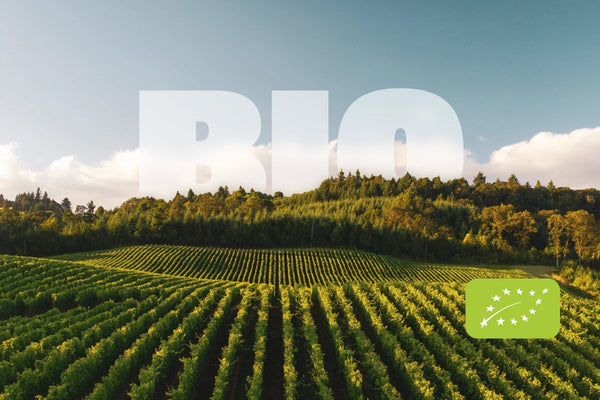
Sustainability at Wolfberger is not a marketing promise, but a documented standard. The house is certified according to ISO 9001, ISO 22000, and ISO 50001. Organically certified areas have been an integral part of the operation for more than 15 years. The cooperative sees itself as a pioneer of agroecological farming, with a focus on soil health, biodiversity, and the gradual reduction of pesticides.
Crémant as the heart, Gewürztraminer as a character head
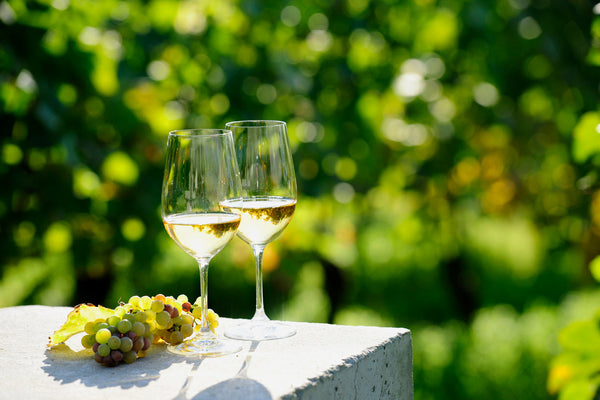
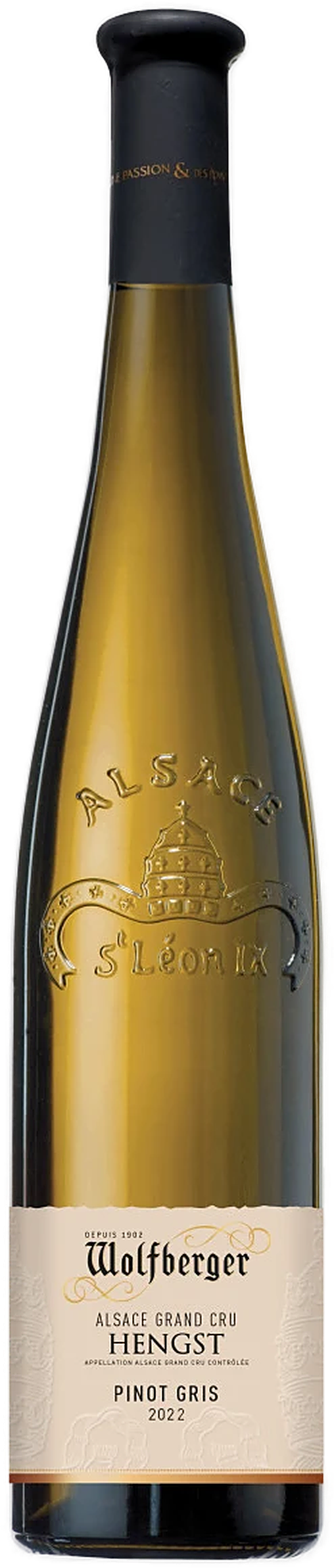
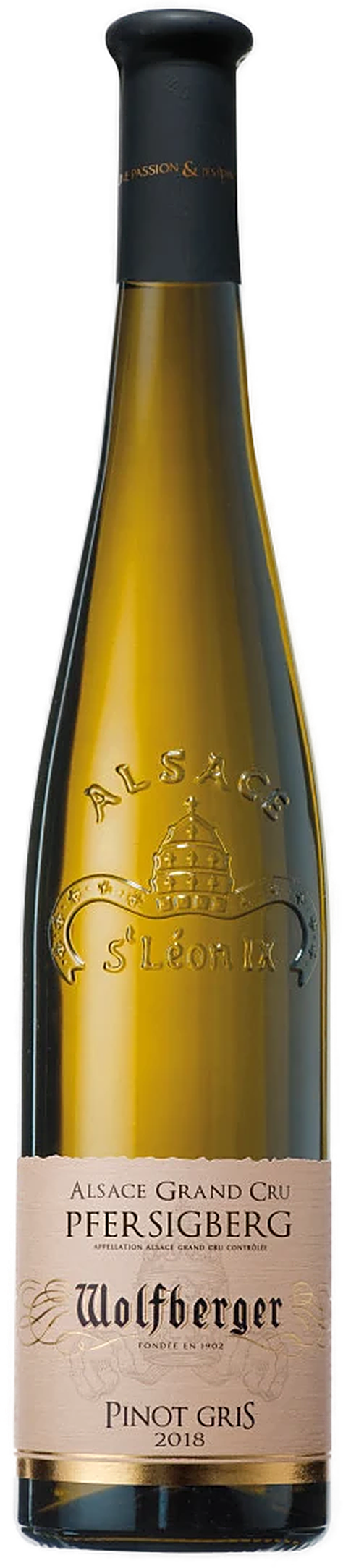
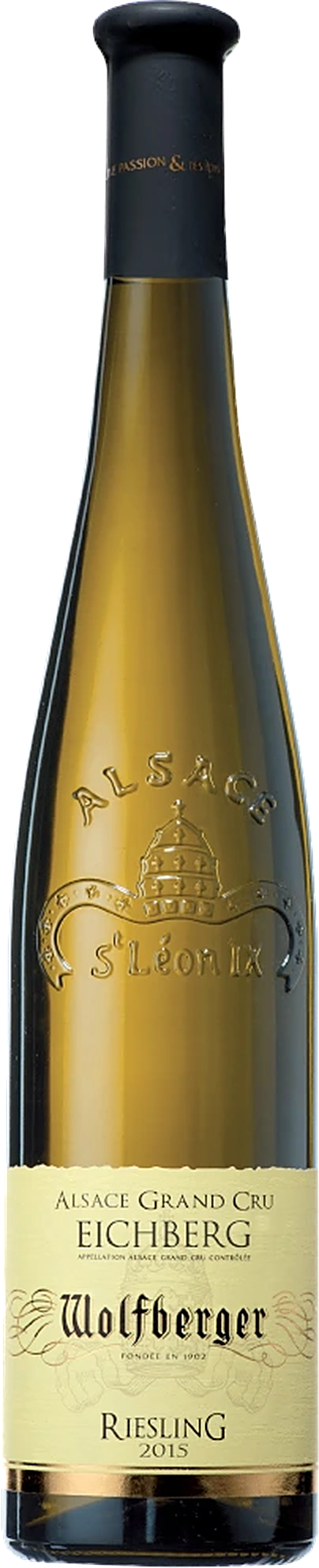
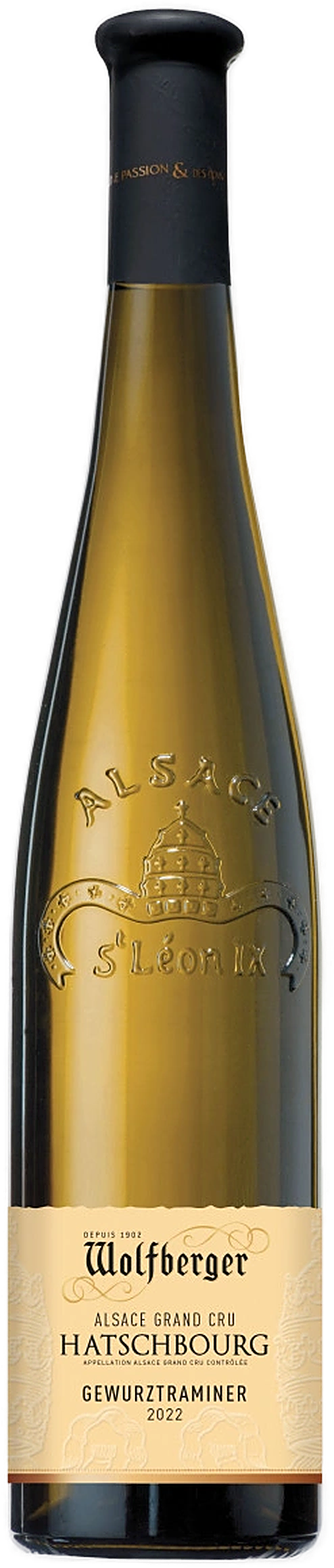
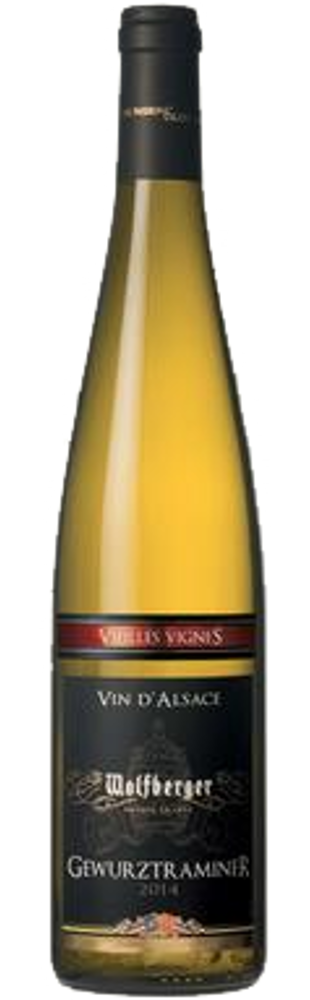
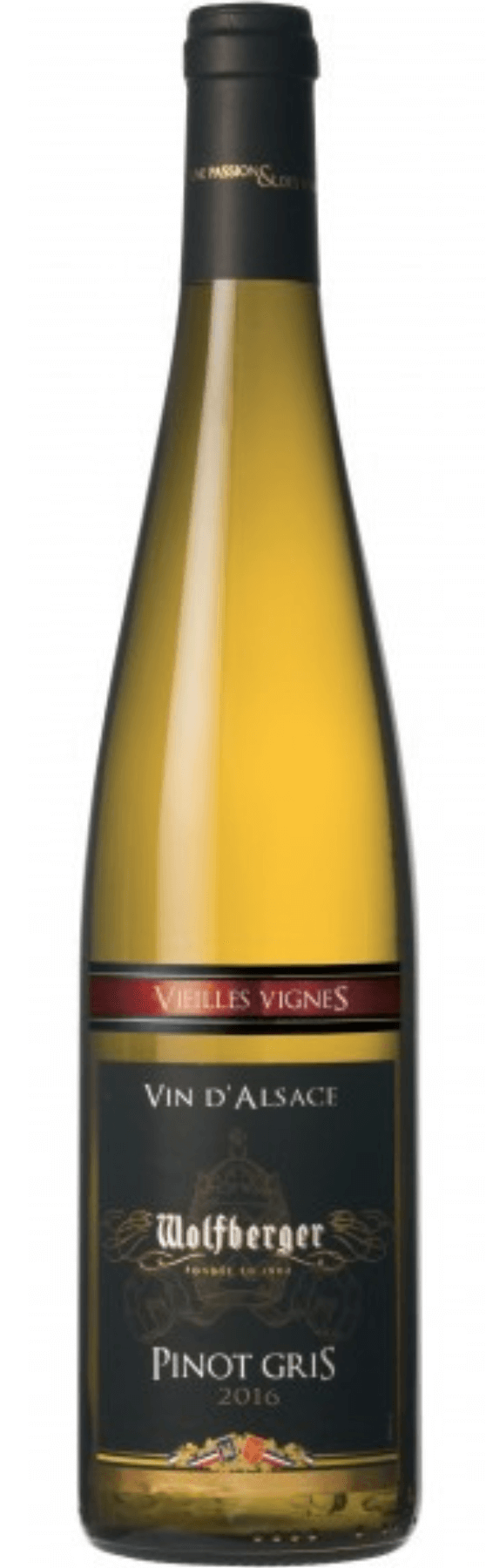
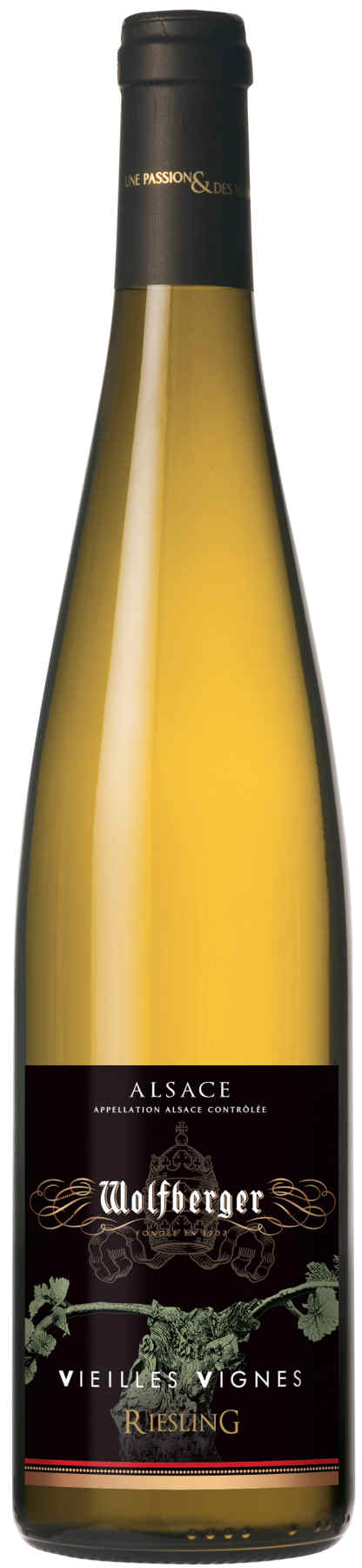
Wolfberger produces all seven classic grape varieties of Alsace: Riesling, Gewürztraminer, Pinot Gris, Pinot Blanc, Muscat, Sylvaner, and Pinot Noir. The portfolio ranges from light entry-level wines to Grands Crus from around 15 classified sites – including the Hengst, one of the most significant Grand Cru locations in Alsace, known for lime-rich marl soil and the ability to produce Gewürztraminer with extraordinary depth and aging potential.
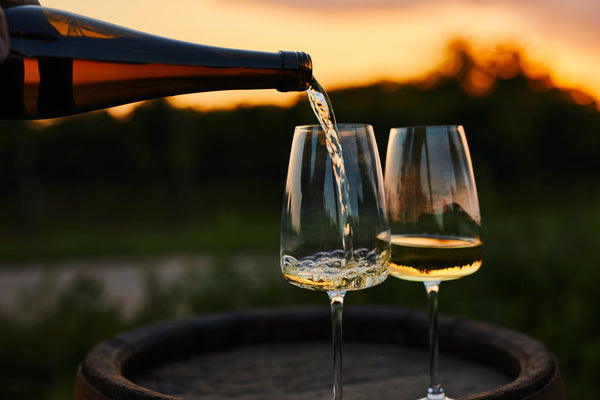
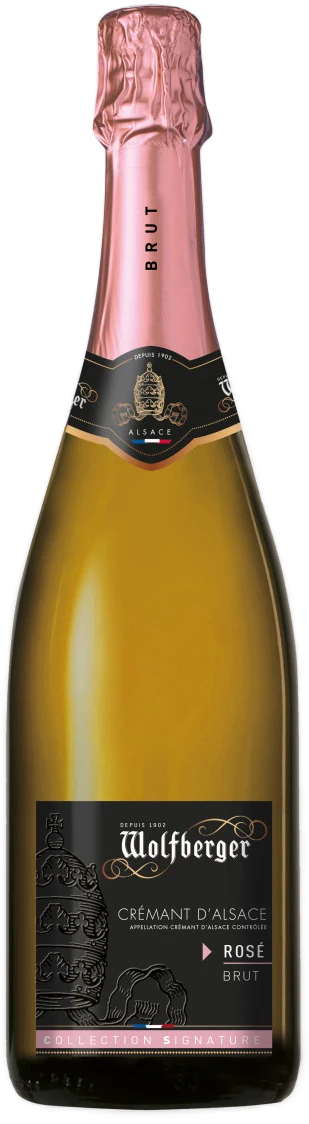
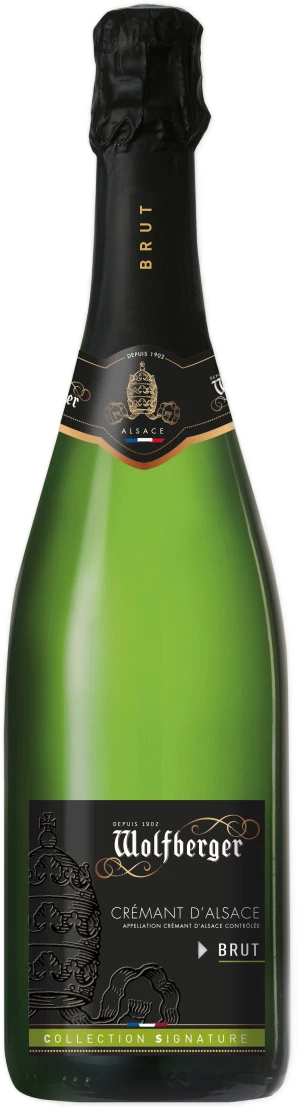
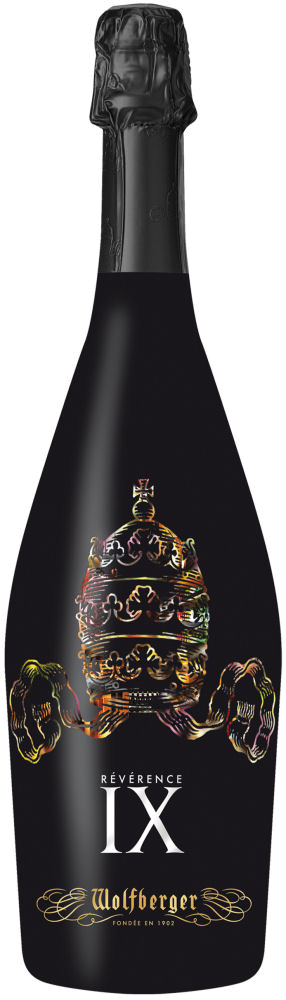
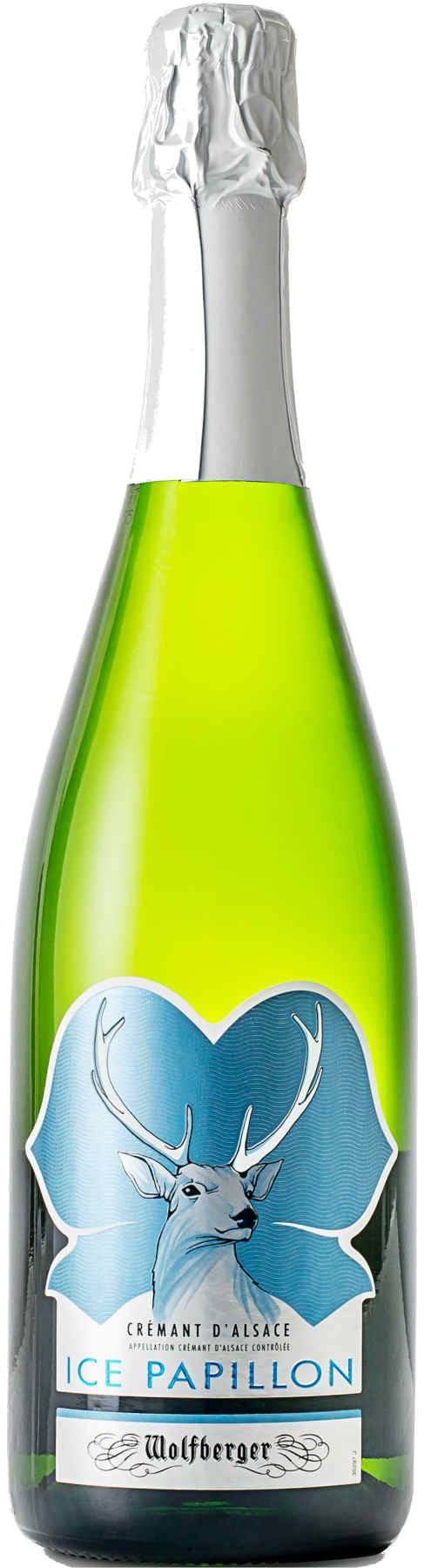
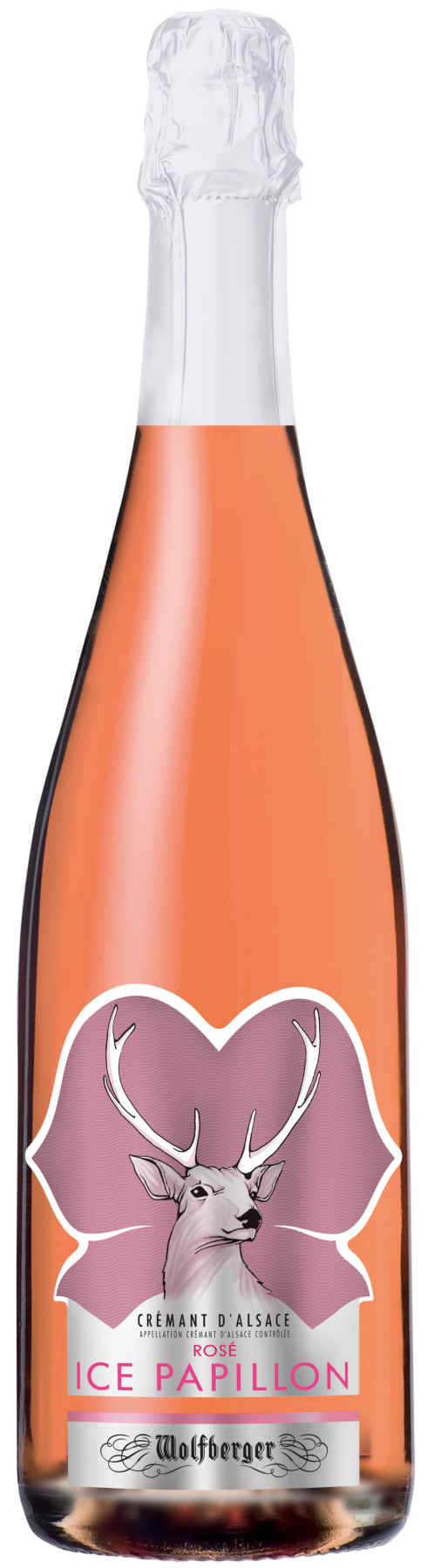
The backbone of the house is the Crémants. As a co-founder of the appellation, Wolfberger now produces about half of all Alsatian sparkling wines. The traditional cuvées lie on the lees for at least 16 months, single-varietal bottlings for at least 18 months – significantly above the legal minimum. Individual prestige cuvées even mature for 36 months in the bottle, which gives the perlage finesse and the finish creaminess. Whether Brut, Demi-Sec, Rosé, or the playfully fresh ICE Papillon for an aperitif on ice: the Crémant line is the most consistent interpretation of what Alsace can do in terms of sparkling wine.