

Alsace · France
Hugel & Fils
Read more Read less
Hugel & Fils – the soul of Alsace. Since 1639, this name has been inextricably linked to winemaking in Riquewihr. Today, Jean-Philippe, Etienne, and Marc Hugel run the family winery in its 13th generation – a global synonym for Alsatian wines. Their 30 hectares in and around Riquewihr comprise half of Grand Cru vineyards such as Schoenenbourg, with vines averaging 35 years old. Hugel consciously avoids Grand Cru labeling – their own quality standards are stricter. Riesling, Gewürztraminer, Pinot Gris, and Pinot Noir develop unparalleled finesse here. A member of Primum Familiae Vini, recognized by Wine Spectator – and still a family business. Alsace as it should be.

Filters
8 products
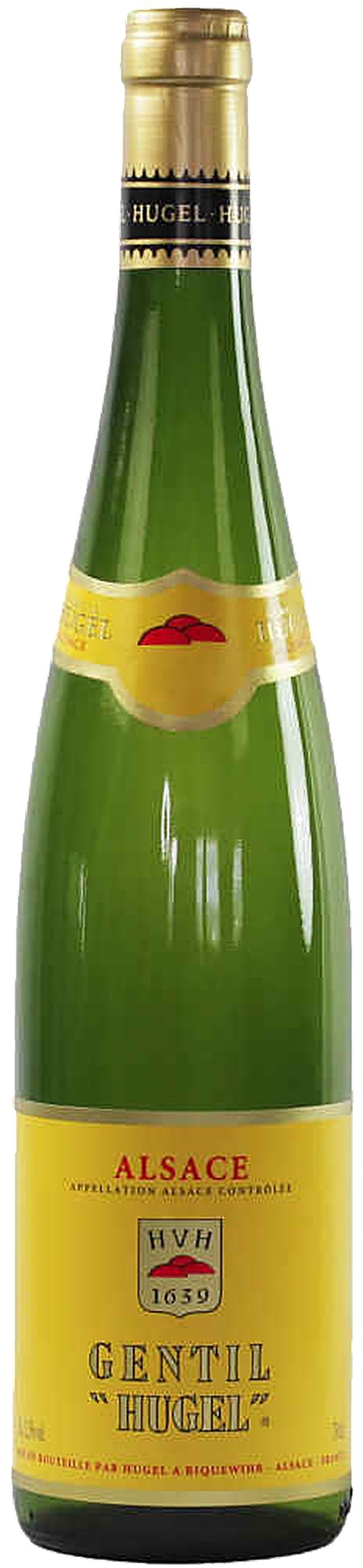
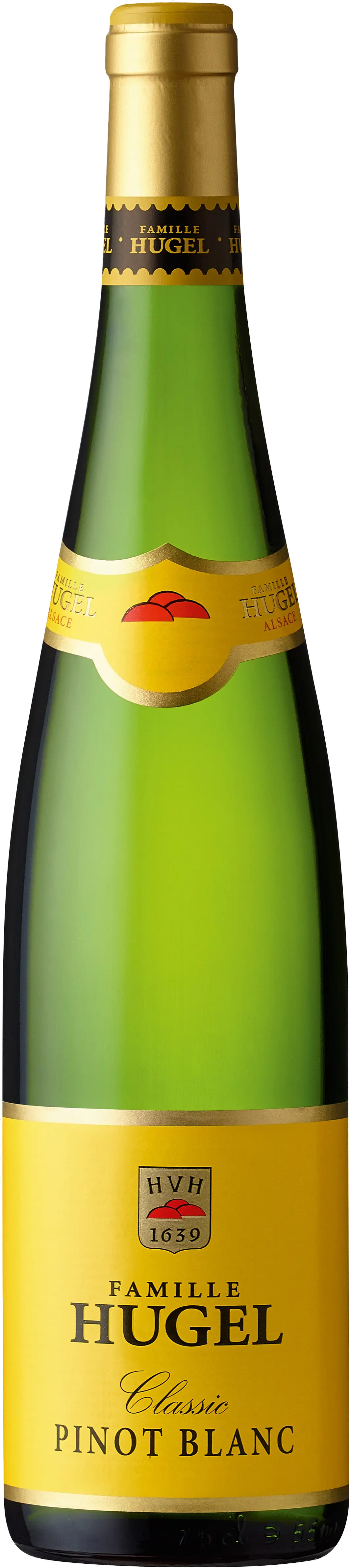
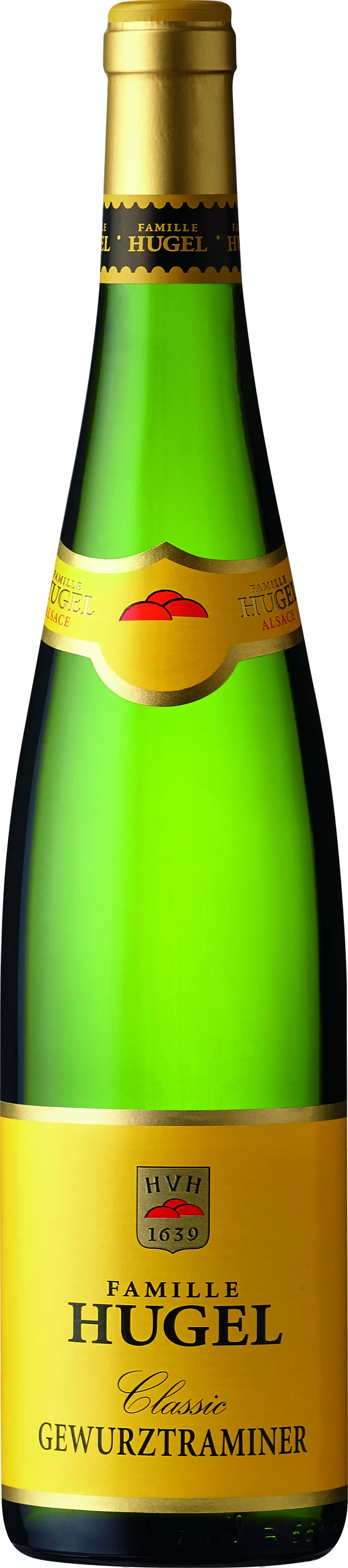
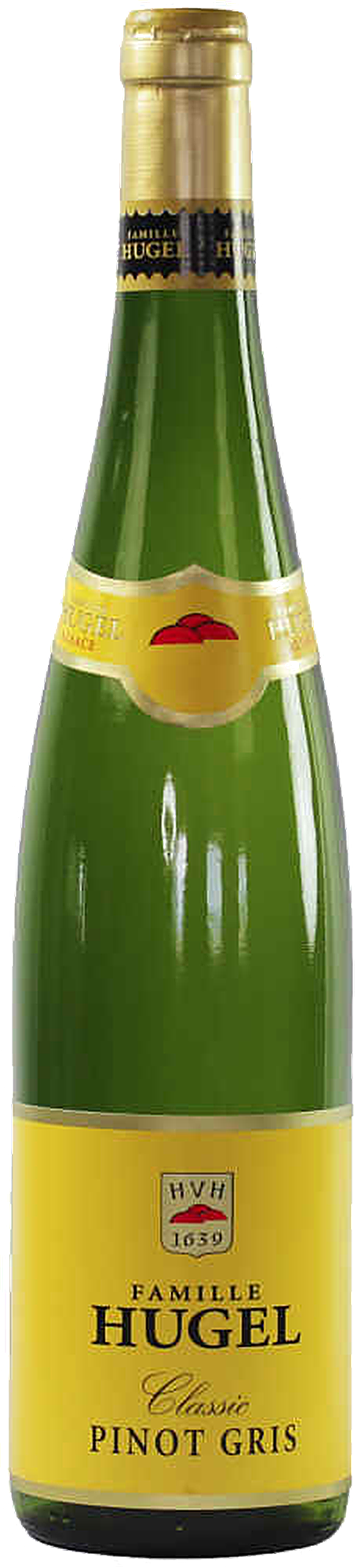


About Hugel & Fils
In Riquewihr since 1639: A family writing wine history
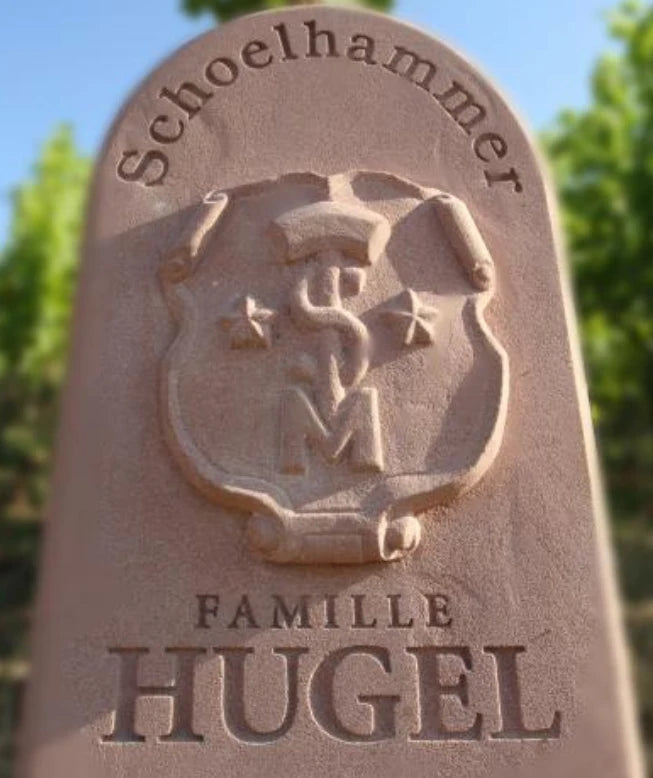
Hans Ulrich Hugel settled in Riquewihr, Alsace, in 1639 – a Swiss man who had left the Thirty Years' War behind him and found a new home in the vineyards at the foot of the Vosges mountains. What he founded is now a family business over 385 years old, still managed by the 13th generation. The coat of arms, which still serves as the logo today, was carved into the lintel of a house in Riquewihr in 1672 – built by one of the founder's sons. In 1902, the house moved into its current premises in the heart of the medieval town center, where the cellars and headquarters have remained to this day.
The most significant mark on the 20th century was left by Jean "Johnny" Hugel. When wine expert Tom Stevenson described him as "the most important single individual in the development of Alsatian viticulture in the 20th century," he was referring primarily to Jean's work on the legal establishment of Vendange Tardive and Sélection de Grains Nobles – classifications for late harvest and noble rot wines, the creation of which Hugel significantly promoted. The production rules established in 1984 are still considered the strictest within all French AOC areas. Hugel was thus not only a producer, but a legislator in the best sense of the word.
Handcraft, terroir, and sustainable management
The estate itself comprises 30 hectares in and around Riquewihr, largely classified as Grand Cru – including the Schoenenbourg, a steep slope that is one of the most renowned Riesling terroirs in Alsace. In addition, there are grapes from around 110 hectares, which contract farmers in the region cultivate long-term and according to Hugel's specifications. The vines in their own possession are on average 35 years old. Only the classic Alsatian varieties are grown: Riesling, Gewürztraminer, Pinot Gris, Pinot Blanc, and Muscat.
The vineyards are managed sustainably – with limited use of pesticides, targeted composting, and thoughtful canopy management for yield control. The winery holds the Terra Vitis and High Environmental Value 3 (HVE 3) certifications, the highest level of French sustainability labeling. The harvest is carried out exclusively by hand so that the selection of grapes on the vine can be controlled. In the cellar, under buildings from the 16th century, the grapes are pressed gently; barrique aging or residual sugar enrichment is deliberately avoided. Every production step is personally overseen by a family member.
Varietal character – from entry-level to rarity
What distinguishes Hugel wines from many Alsatian producers: they do not carry a Grand Cru designation on the label – not because of a lack of quality, but because their own quality standards exceed the official classification rules. The range is divided from the accessible Classic line to the Estate wines from their own sites, and finally to the Grossi Laüe series, which brings out the character of individual plots. The striking yellow labels – a trademark for generations – stand for dry to Luscious wines that emphasize the varietal character: the cool minerality of the Riesling, the opulent spice of the Gewürztraminer, the textural depth of the Pinot Gris. Around 90 percent of production is exported to over 100 countries – which effectively makes Hugel the most famous ambassador of Alsace worldwide. The house has been a member of the Primum Familiae Vini, the association of the most renowned wine families in the world, for years – an affiliation that aptly summarizes its status.
Riquewihrm.hugel.com
What our customers say


Hugel & Fils, Riquewihr –
13 generations of Alsatian wine culture
Hugel & Fils is one of the few wineries whose history is older than some countries: the family has been growing wine in Riquewihr since 1639 – today in the 13th generation with Jean-Philippe, Etienne, and Marc Hugel. What began as a small winery in the heart of Alsace is today a benchmark for the entire region.
The 30 hectares around Riquewihr include half Grand Cru sites, including the Schoenenbourg with its vines averaging 35 years of age. Hugel consciously refrains from Grand Cru labeling – their own quality standards are stricter than the official classification. Riesling, Gewürztraminer, and Pinot Gris show here what Alsatian terroir can achieve: depth, precision, and an aroma profile that balances between fruit and minerality.
As a member of the Primum Familiae Vini, Hugel stands in a line with the most renowned family wineries in the world – and remains what it has always been: a family business that grows, presses, and bottles its own wines. If you want to understand Alsace in a glass, you cannot ignore Hugel.