From cooperative to Piedmontese reference address
Prunotto dates back to 1904, when the cooperative Cantina Sociale "Ai Vini delle Langhe" was founded in Serralunga d'Alba – the young Alfredo Prunotto was present as a witness to the founding document. After economic difficulties, exacerbated by the First World War, Alfredo Prunotto took over the cooperative in 1923 together with his wife Luigina and gave it his name. Under the two of them, the winery quickly became one of the first Piedmontese houses to systematically market Barolo and Barbaresco in South America and the USA – export markets that hardly anyone believed in at the time.
In 1956, Alfredo Prunotto handed over the winery to his friend and cellar master Beppe Colla, who continued the quality line together with his brother Tino. In 1989, the Tuscan wine dynasty Marchesi Antinori joined as a distribution partner; in 1994, upon the withdrawal of the Colla brothers, they took over the winery completely. Albiera Antinori, the eldest daughter of Marchese Piero Antinori, pushed forward the development of their own vineyards from 1990 – above all the Bussia estate in Monforte d'Alba.
Cru thinking as a program: Vineyard and cellar at Prunotto
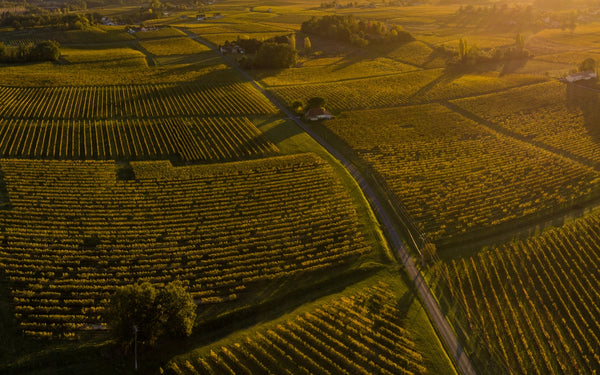
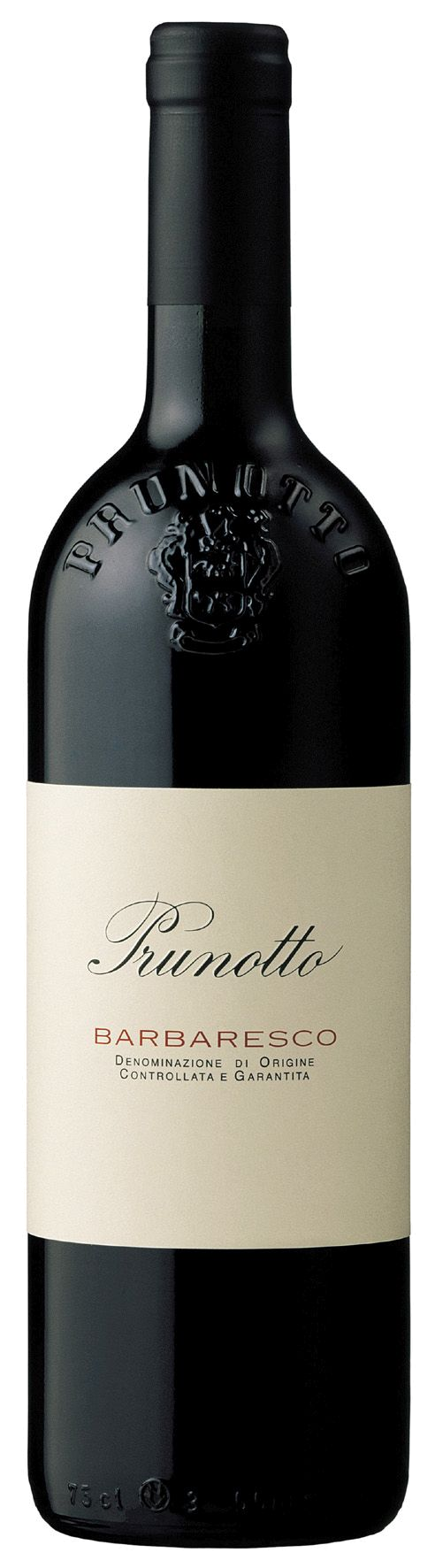
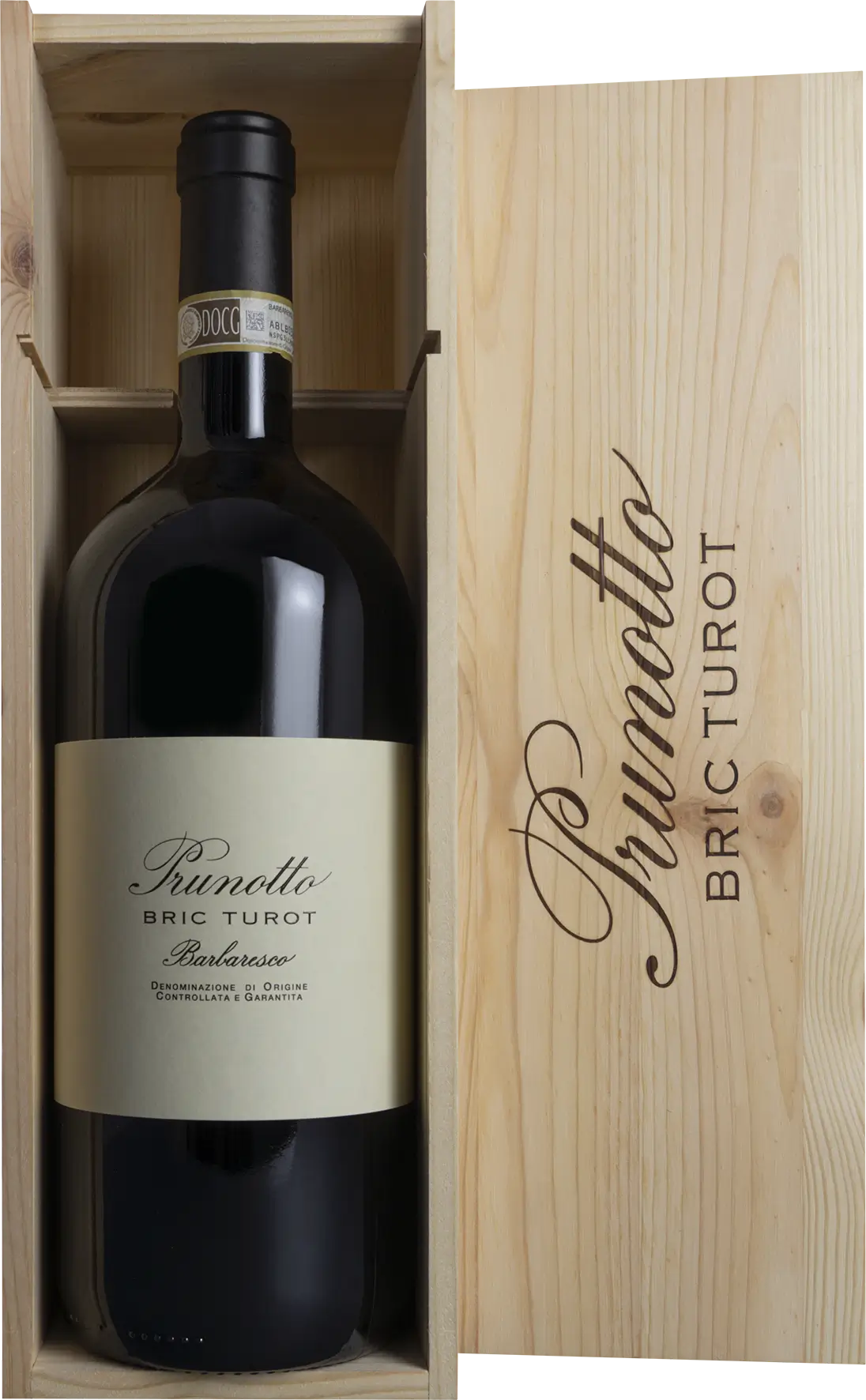
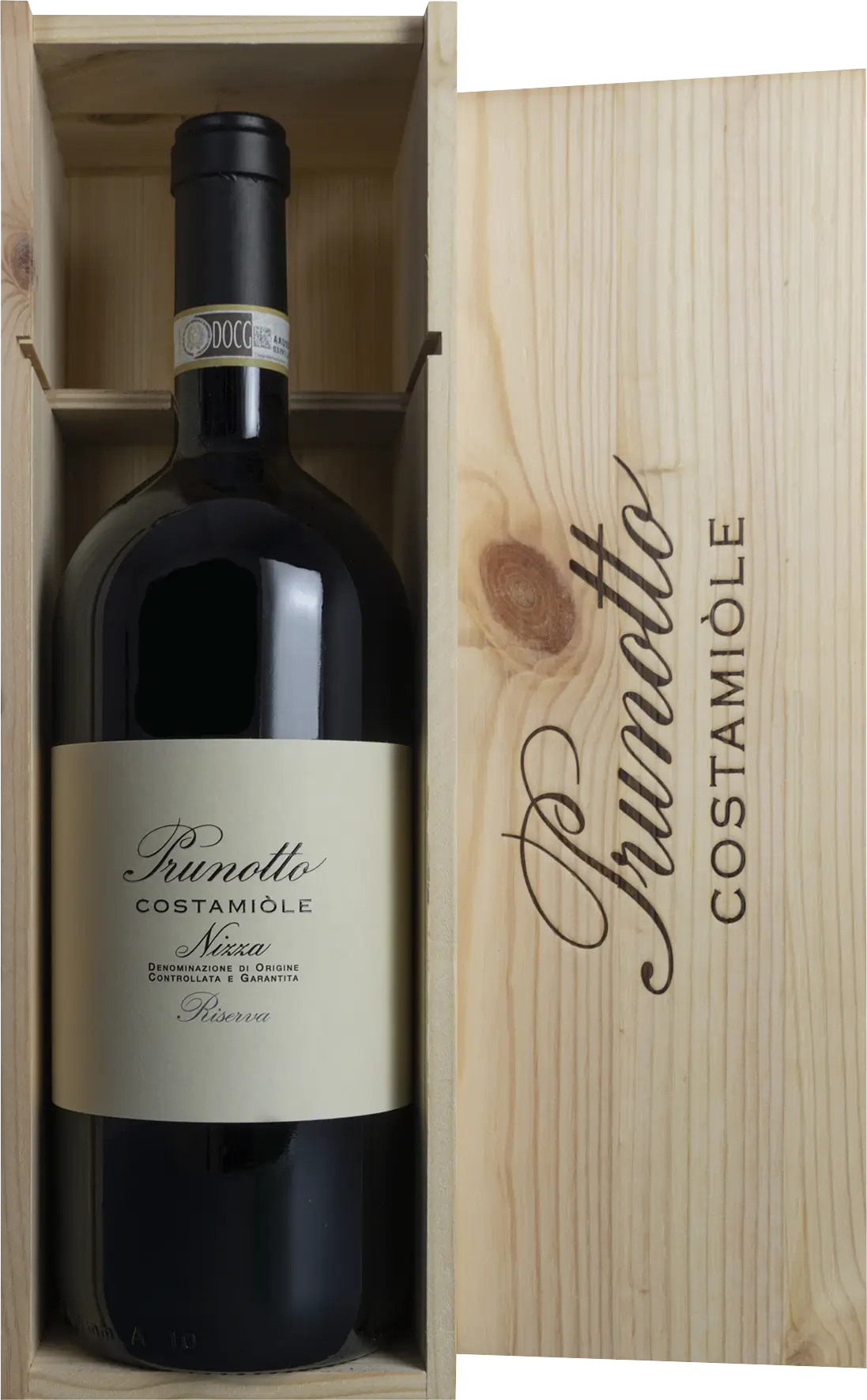
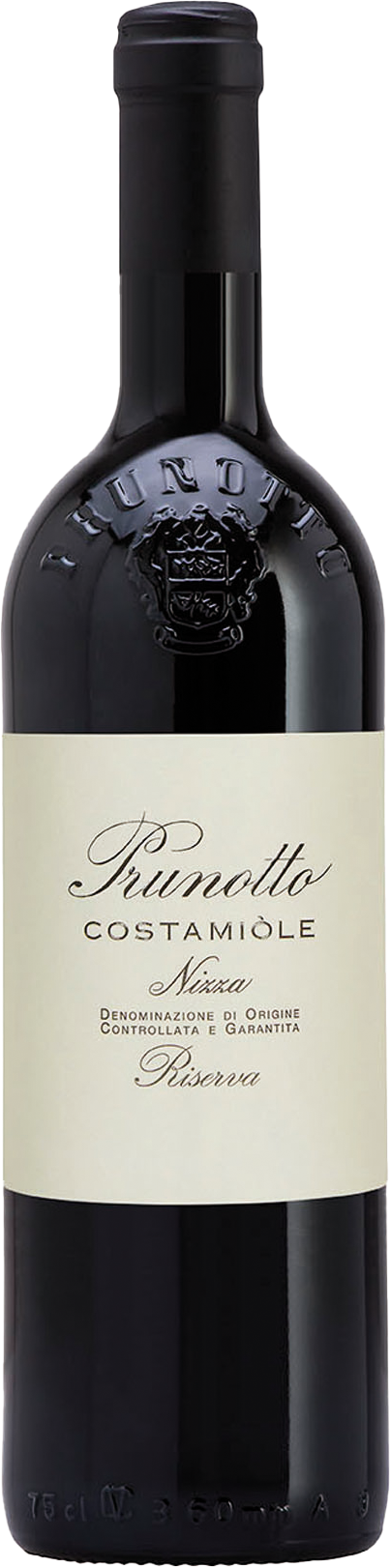
Prunotto has a firm place in the history of Piedmontese viticulture: The winery was the first in the region to consistently vinify single vineyards from 1961 onwards and bottle them under their own site name – a practice that still shapes the understanding of Barolo and Barbaresco today. The amphitheater-shaped Bussia vineyard in Monforte d'Alba, with its Tortonian soils of lime and clay, has provided the grapes for the Barolo Bussia since that first vintage. In addition, there are sites such as Bric Turot and Secondine for Barbaresco as well as Costamiòle in Monferrato for the Nizza DOCG.
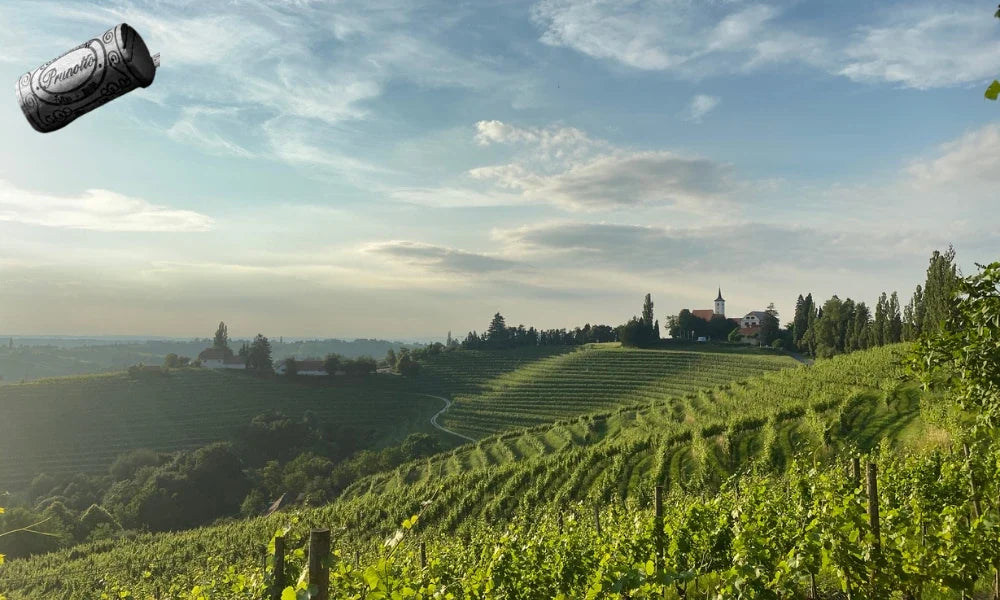
Today, Prunotto cultivates around 71 to 74 hectares spread across the Langhe and Monferrato, on mixed soils of clay, tuff, sand, and Tortonian sediments. In the cellar, the Nebbiolo wines are traditionally aged in large oak barrels; the vinification of the Barolo Bussia includes maceration and subsequent wood aging. Consistent manual labor in the vineyard is considered the house's fundamental principle.
Nebbiolo at the center – and the entire Piedmont in the assortment
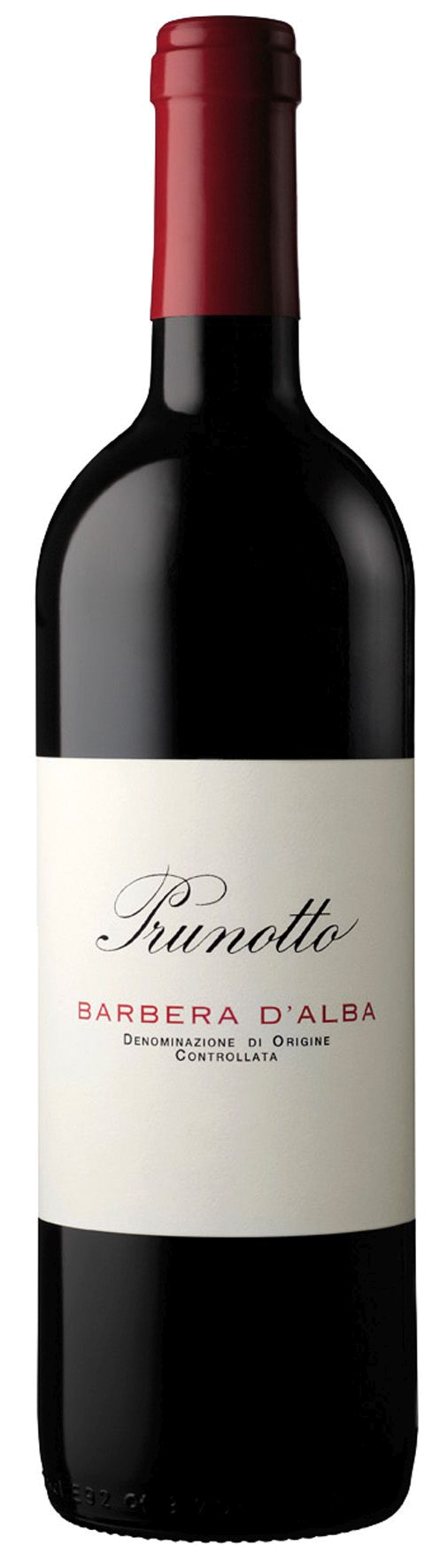
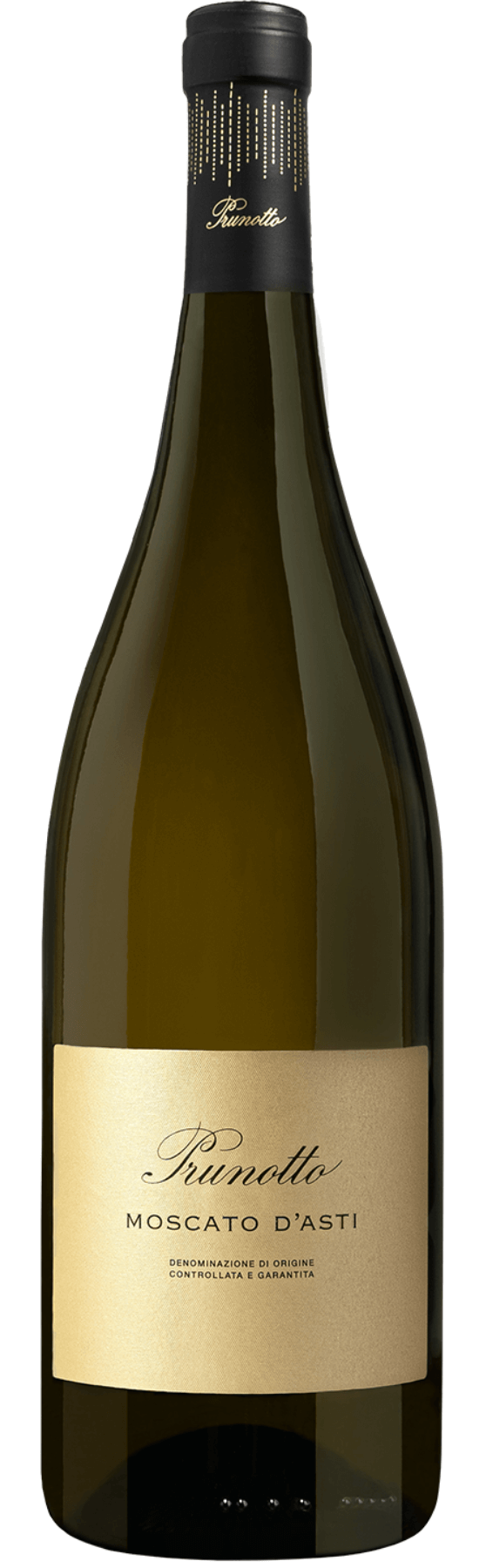
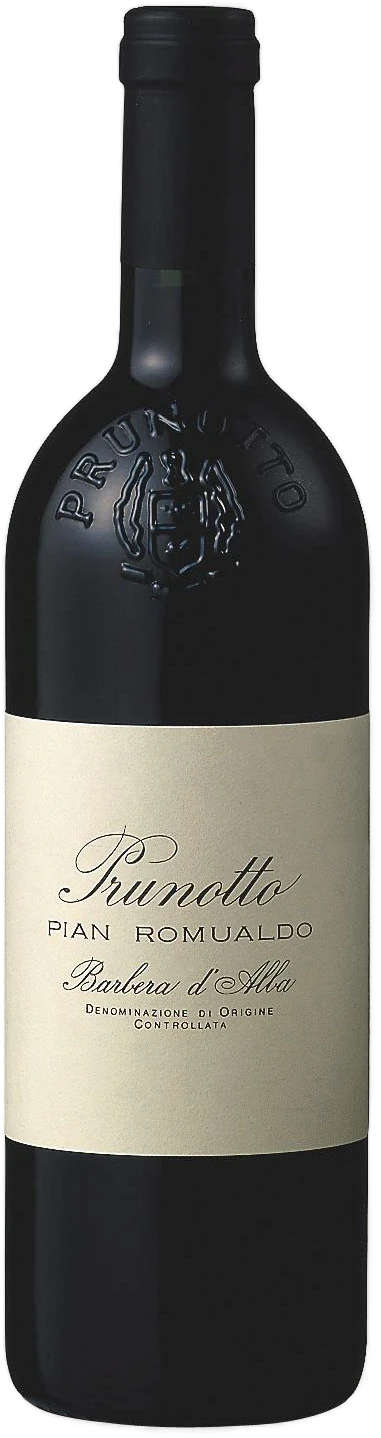
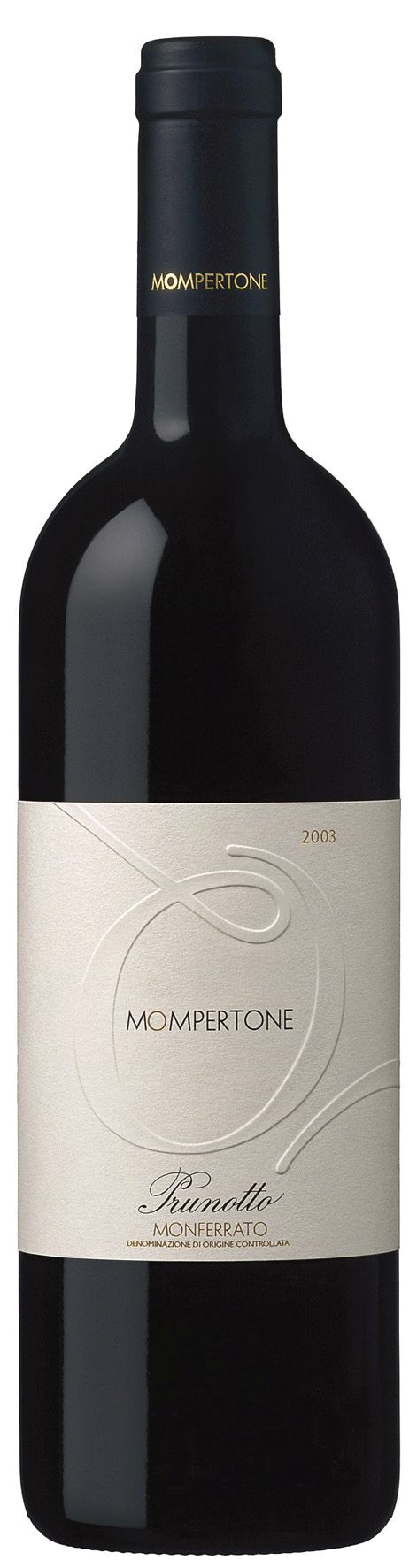
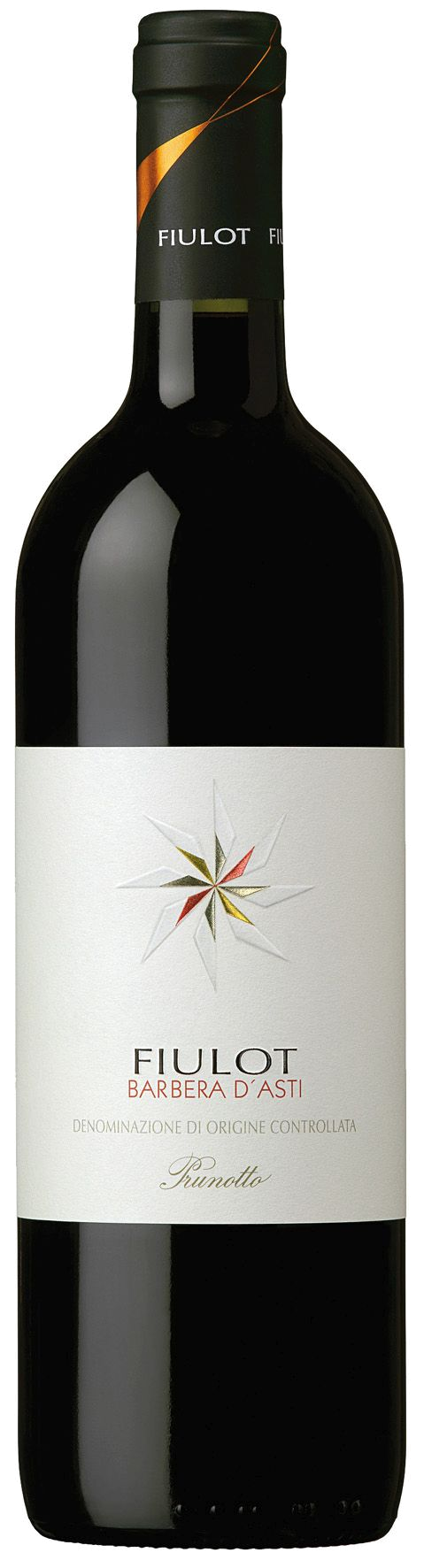
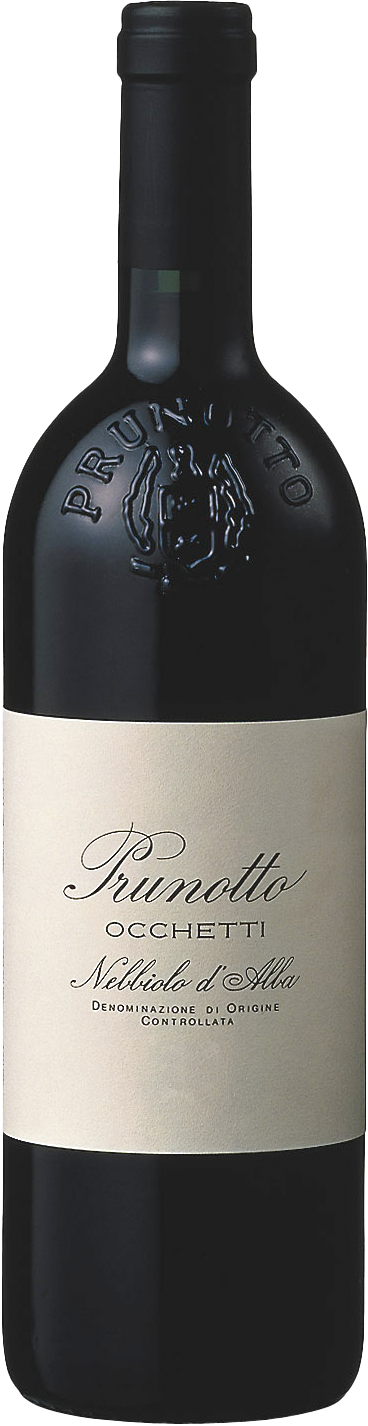
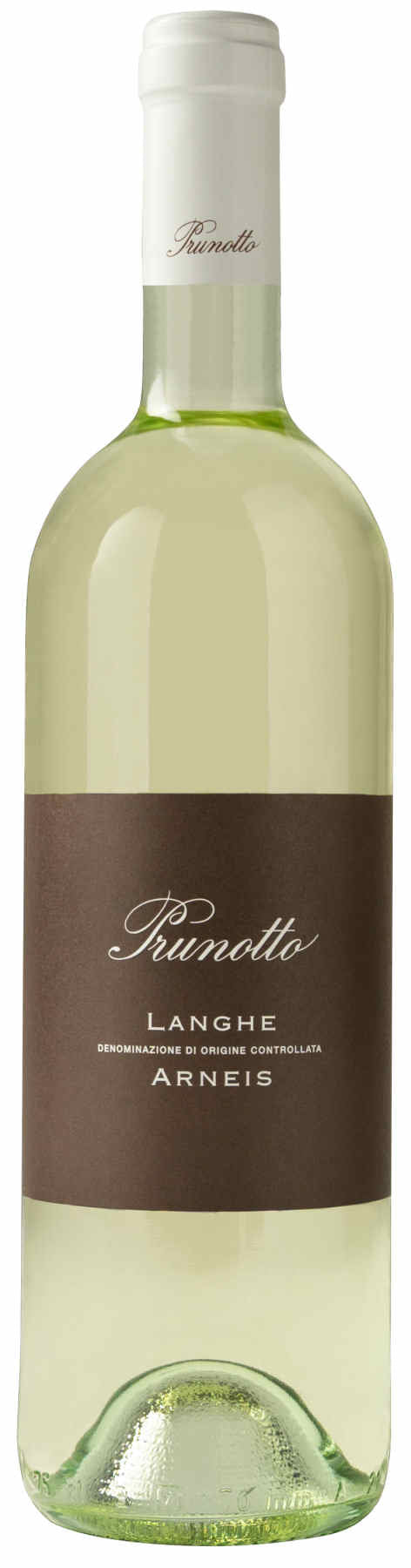
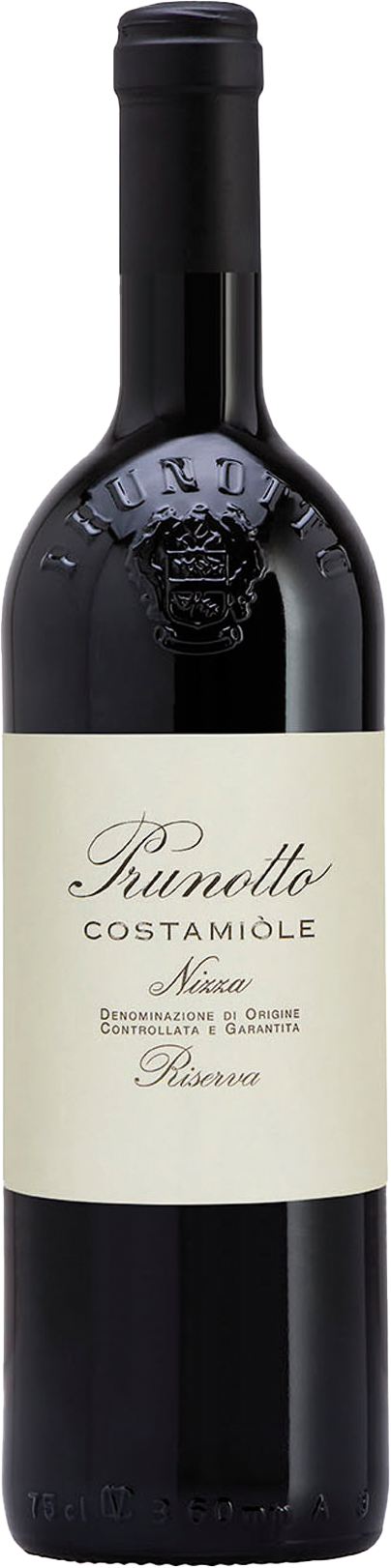
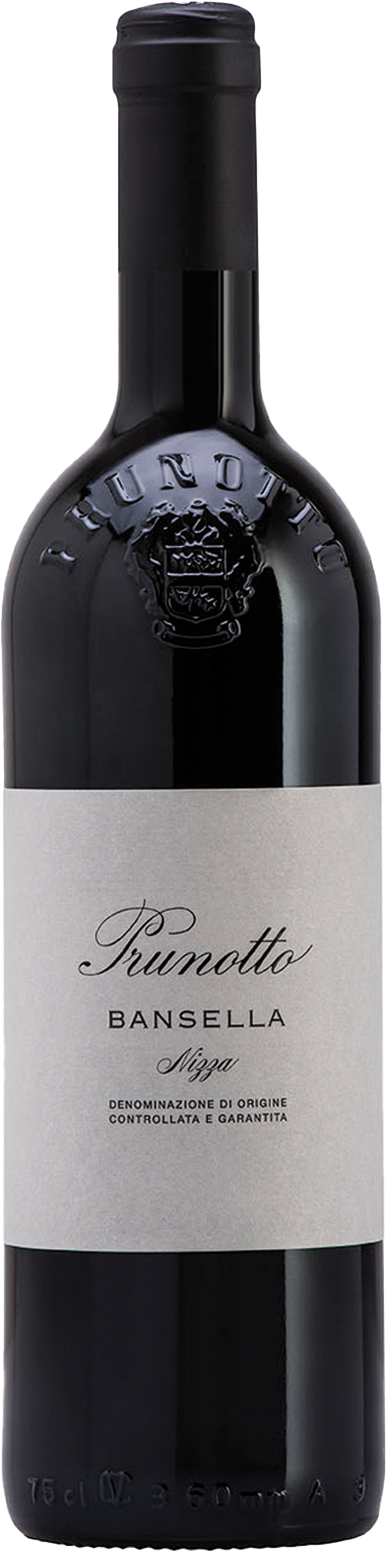
The focus is clearly on the great Nebbiolo appellations: Barolo DOCG and Barbaresco DOCG, including single sites such as the Barolo Mosconi from Monforte d'Alba and the Occhetti Langhe Nebbiolo as an accessible entry into the variety. In addition, Prunotto shows the full spectrum of Piedmontese grape varieties: The Fiulot stands for a juicy Barbera d'Asti DOCG, the Langhe Arneis DOC for the aromatic white wine tradition of the Roero. With the Nizza DOCG wines Costamiòle and Bansella, the house commits itself to Barbera as an independent high-performance variety apart from the Nebbiolo world.
What holds the assortment together is the decades-long consistency in cru thinking: Each site is vinified independently and reflects the specific soil and microclimate characteristics of the Langhe and Monferrato. For everyone who wants to get to know the Piedmont systematically, Prunotto thus offers a reliable cross-section through the most important appellations of the region.