From Arturo Bersano's motto to a Piedmontese institution
The history of Bersano begins in 1907 in Nizza Monferrato, the center of the Barbera d'Asti growing area in the heart of Piedmont – a landscape that has been a UNESCO World Heritage site since 2014. Founded as a family cellar business, the winery experienced its defining turning point in 1935: Arturo Bersano, a trained lawyer, took over the management from his father Giuseppe and turned it into something fundamentally different. His guiding principle – "If you want to drink well, buy a vineyard" – was a statement against the zeitgeist of the time, in which wine was often bought from the market and blended. Instead, Arturo focused on complete control of his own vineyards and expanded the winery step by step through targeted acquisitions: in 1968, Bersano acquired the Cascina Badarina in Serralunga d'Alba, thereby securing one of the best sites in the Barolo area early on. Arturo Bersano was also a passionate collector and cultural mediator: in 1961, he opened the Museo delle Contadinerie, one of the first museums dedicated to rural crafts in Italy, and later created the Collezione di Stampe sul Vino – one of the most significant collections of historical wine prints ever. In the early 1970s, he sold the company, which has been owned by the Massimelli family since 1985.
Today, the four Massimelli sisters run the winery, including CEO Federica Massimelli. With her and the team, Bersano has kept its roots in history without standing still.
Ten cascine, 230 hectares, one clear principle
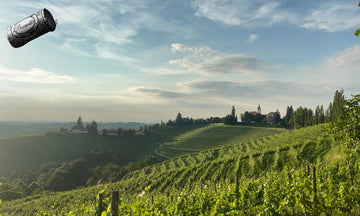
Today, Bersano manages ten historic cascine – traditional Piedmontese farmsteads – with a total of over 230 hectares of vineyards, spread across the best sites of Monferrato, Langhe, and Roero. Each farm has its own soil structure: limestone, sand, and marl alternate and give the autochthonous varieties their unmistakable character. The Barbera grapes come from sites around Nizza Monferrato, the Nebbiolo for the Barolo grows in Serralunga d'Alba at the Cascina Badarina, Ruchè thrives on the hills of Castagnole Monferrato, and Moscato and Brachetto ripen between Asti and Alessandria. In the cellar, depending on the grape variety and the desired style, stainless steel tanks, large wooden barrels, or small barriques are used – no standard recipe, but a decision that begins in the vineyard. The seamless control from the vineyard to the bottling – Arturo's principle – remains an unchangeable rule to this day.
Piedmontese grape varieties in their full breadth
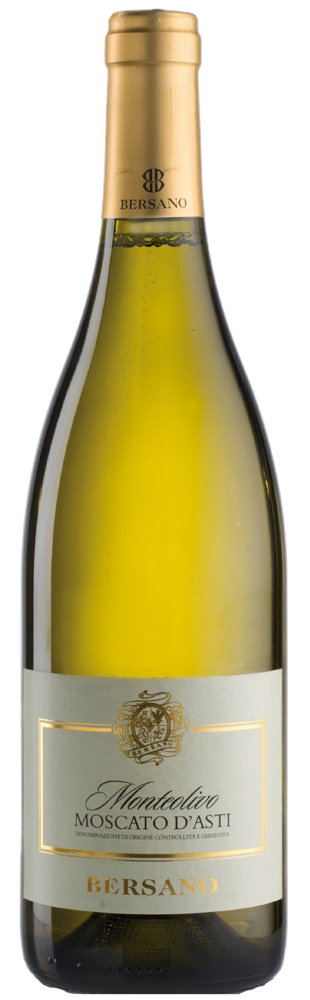
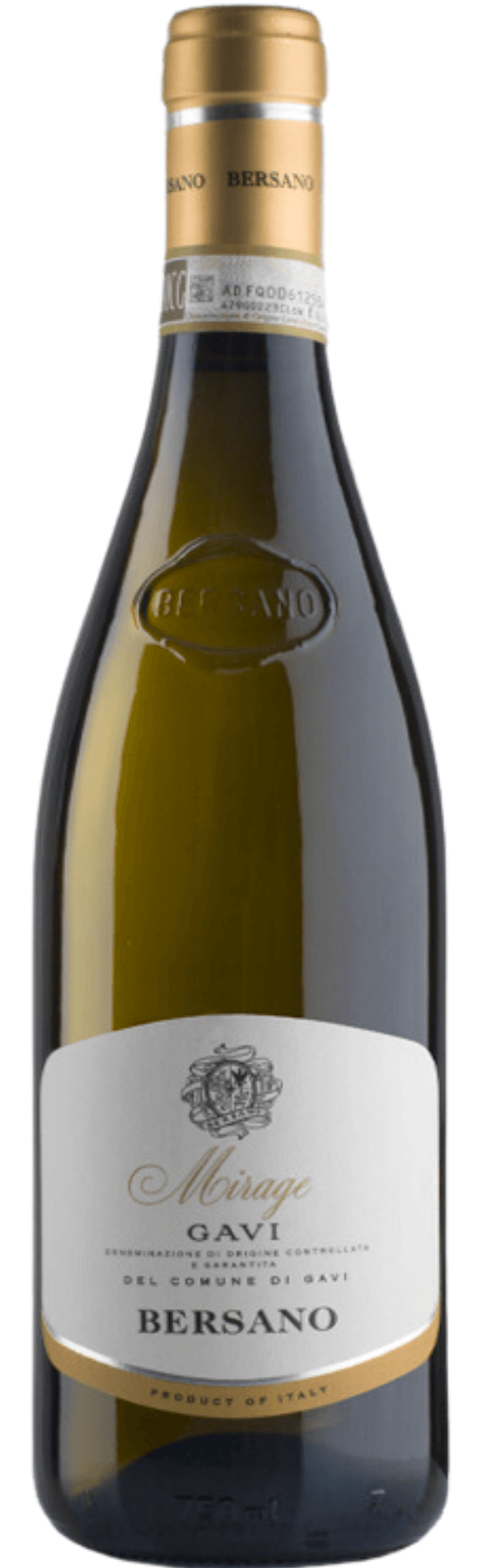
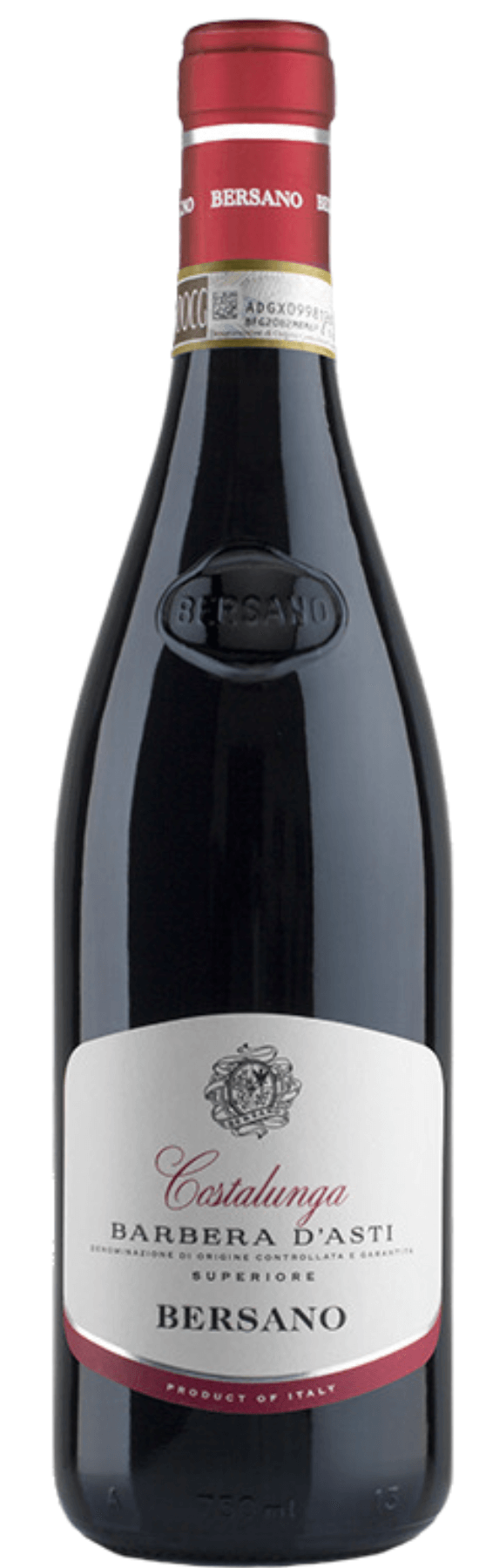
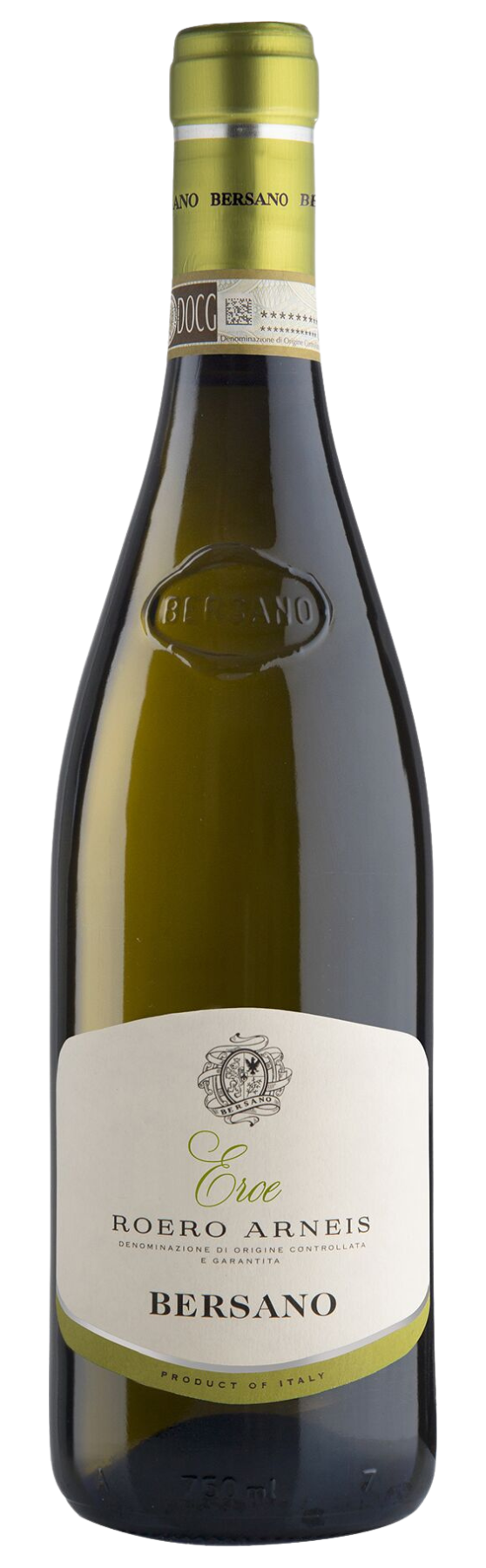
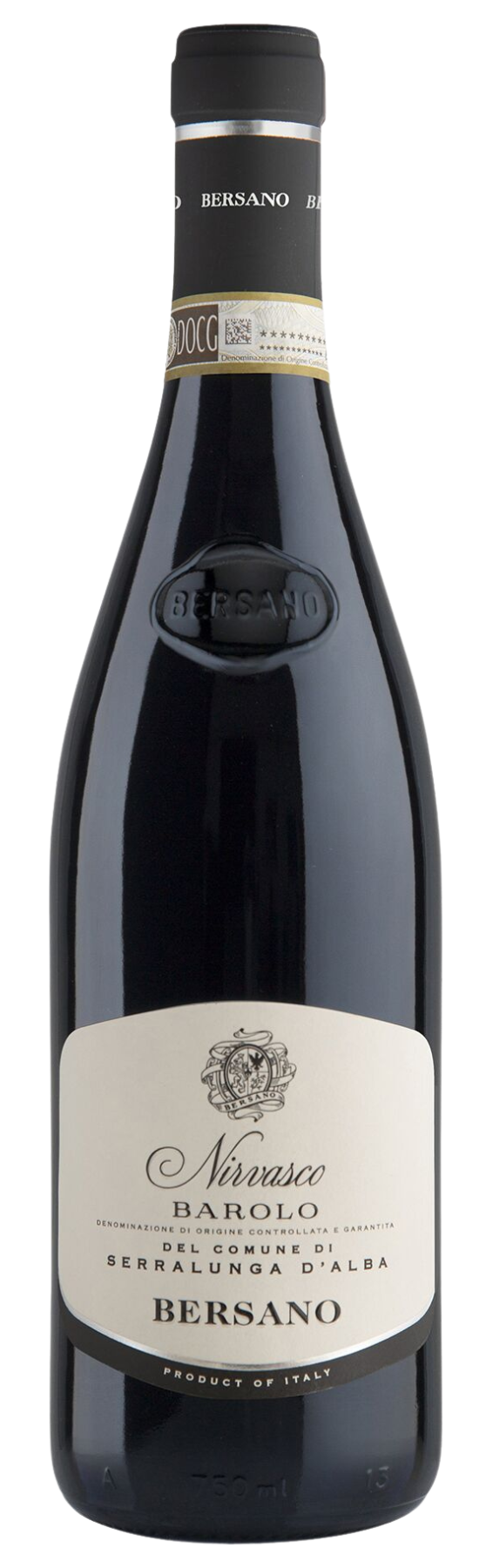
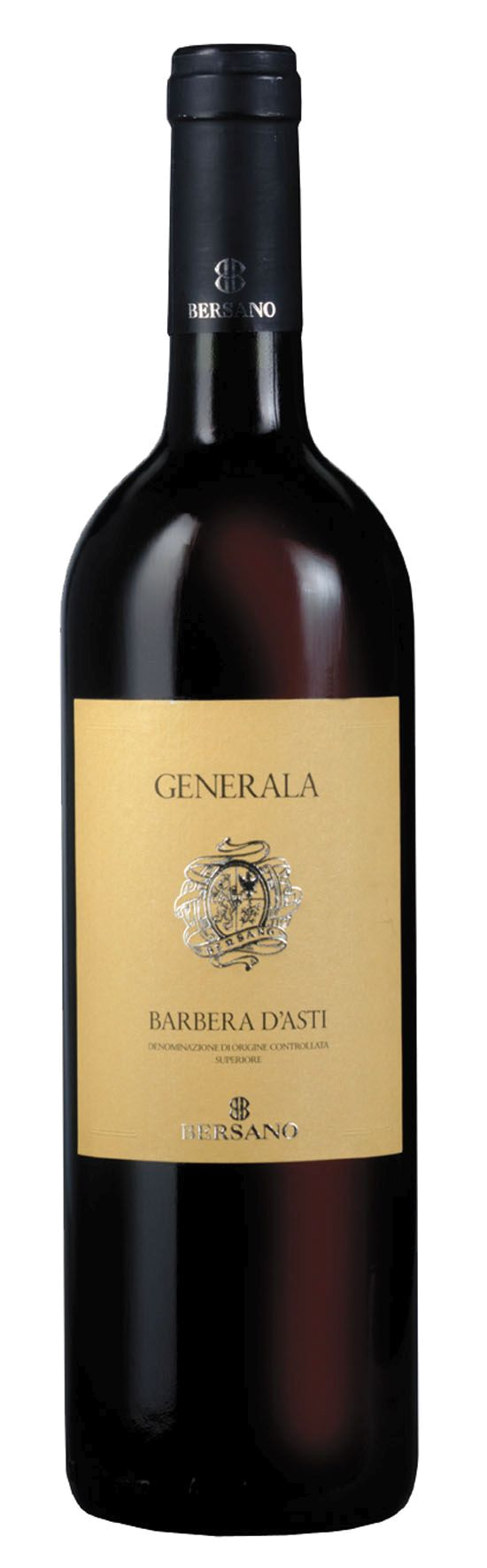
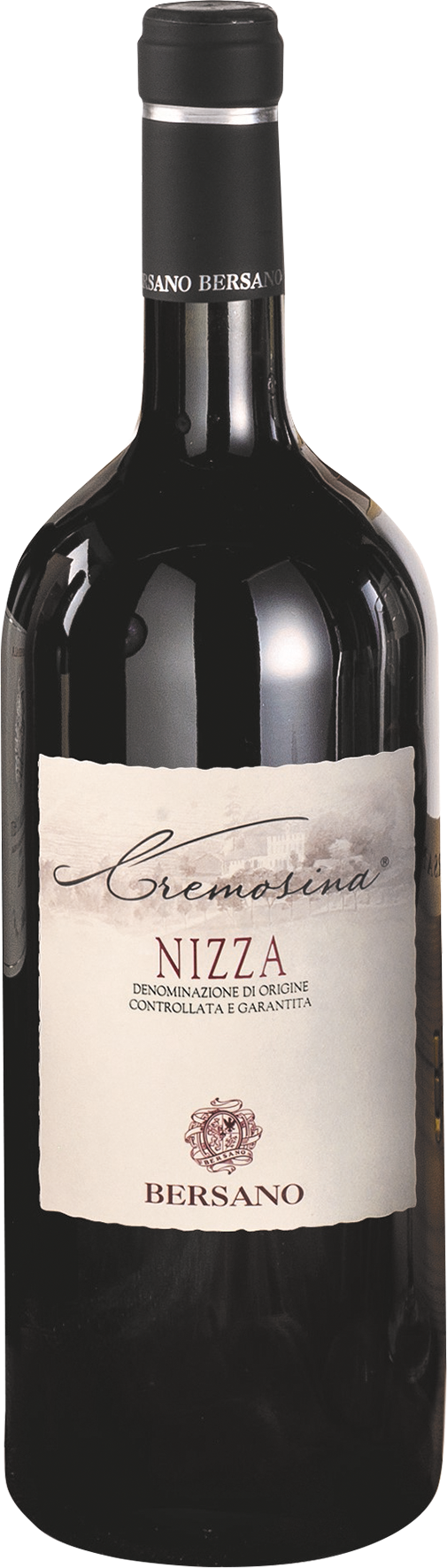
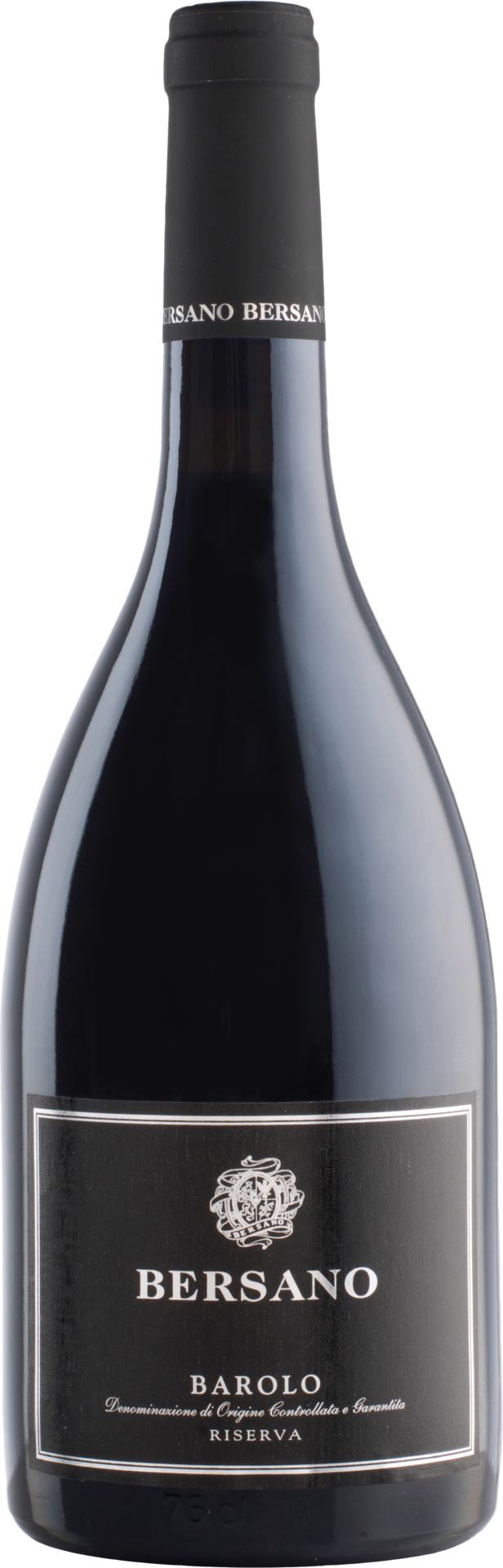
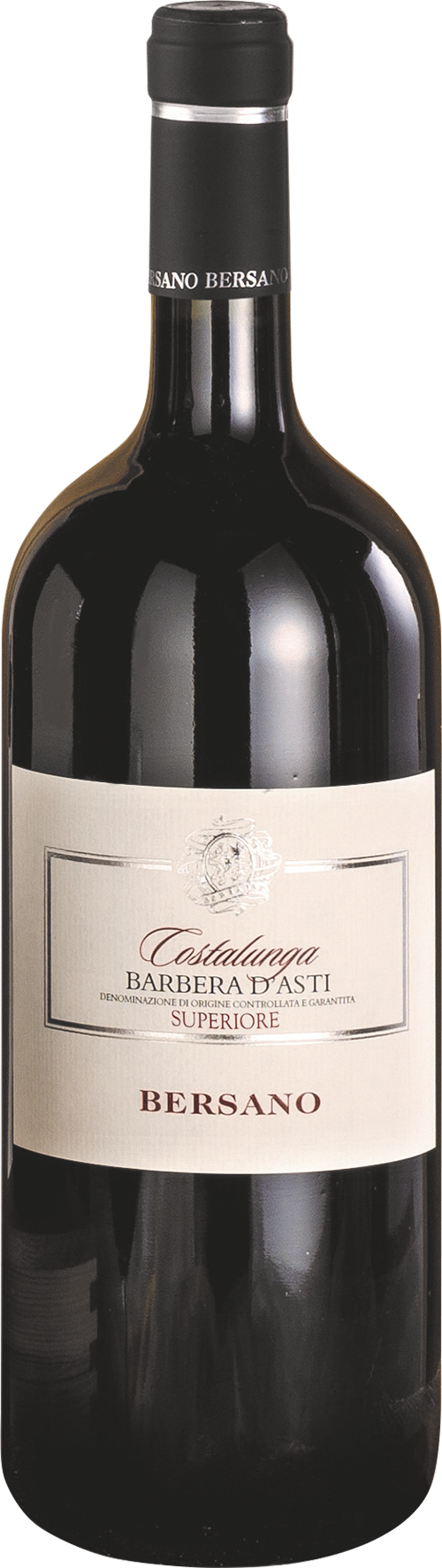
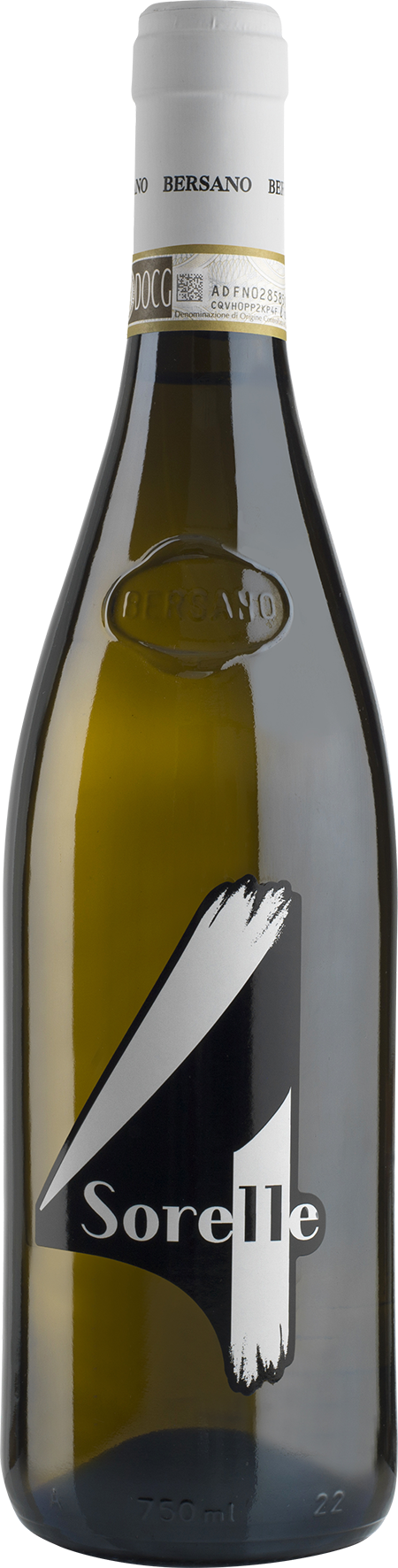
Bersano's range covers almost the entire diversity of Piedmont: Barbera d'Asti DOCG and Nizza DOCG in various styles, Barolo DOCG and Barolo Riserva from Serralunga d'Alba, plus Roero Arneis DOCG, Gavi del Comune di Gavi DOCG, Barbaresco DOCG, Dolcetto, Grignolino, Ruché di Castagnole Monferrato, as well as the sweet specialties Moscato d'Asti DOCG and Brachetto d'Acqui DOCG. Also a varietal Sauvignon Piemonte DOC. The style is shaped by the respective soils and microclimates of the individual cascine: The Cremosina, located on a southwest-facing limestone-clay slope, delivers expressive, age-worthy Barbera with structured fruit. The Badarina wines from Serralunga d'Alba show the freshness typical of this site and the classic rose petal note of the Nebbiolo. Anyone who drinks their way through the range does not get a generic picture of Piedmont, but a collection of site portraits – every bottle tells where it comes from.