1898: The pioneer from Canelli who reinvented Grappa
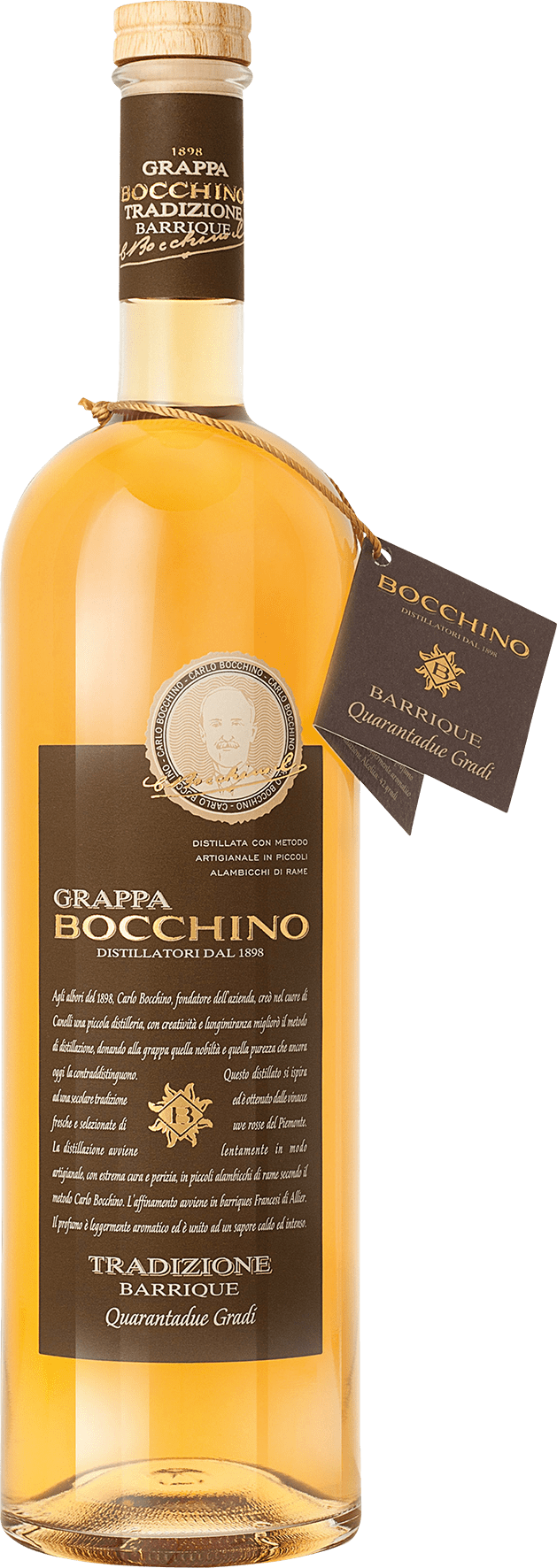
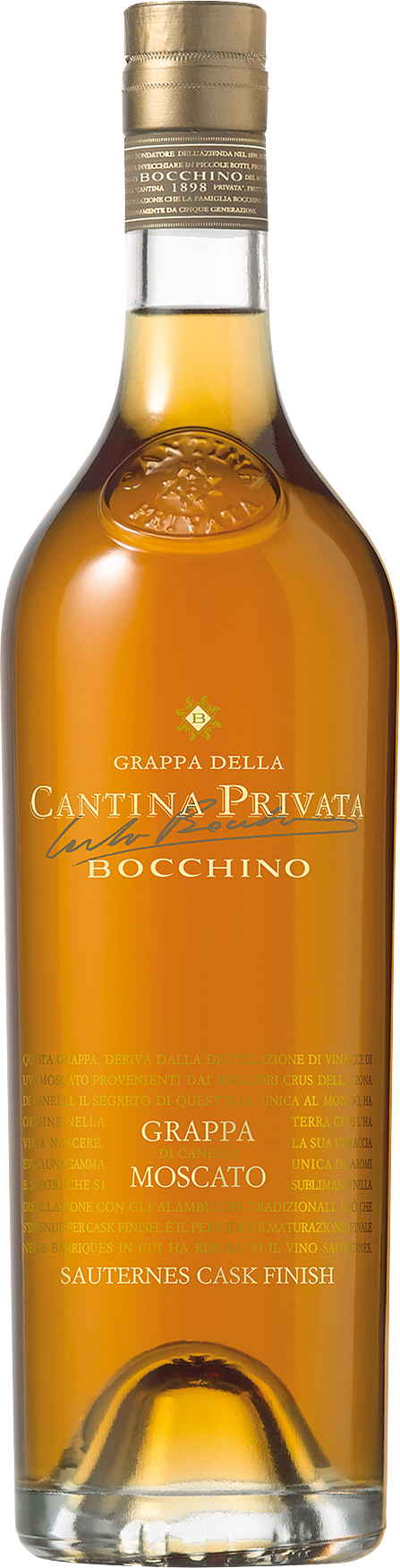
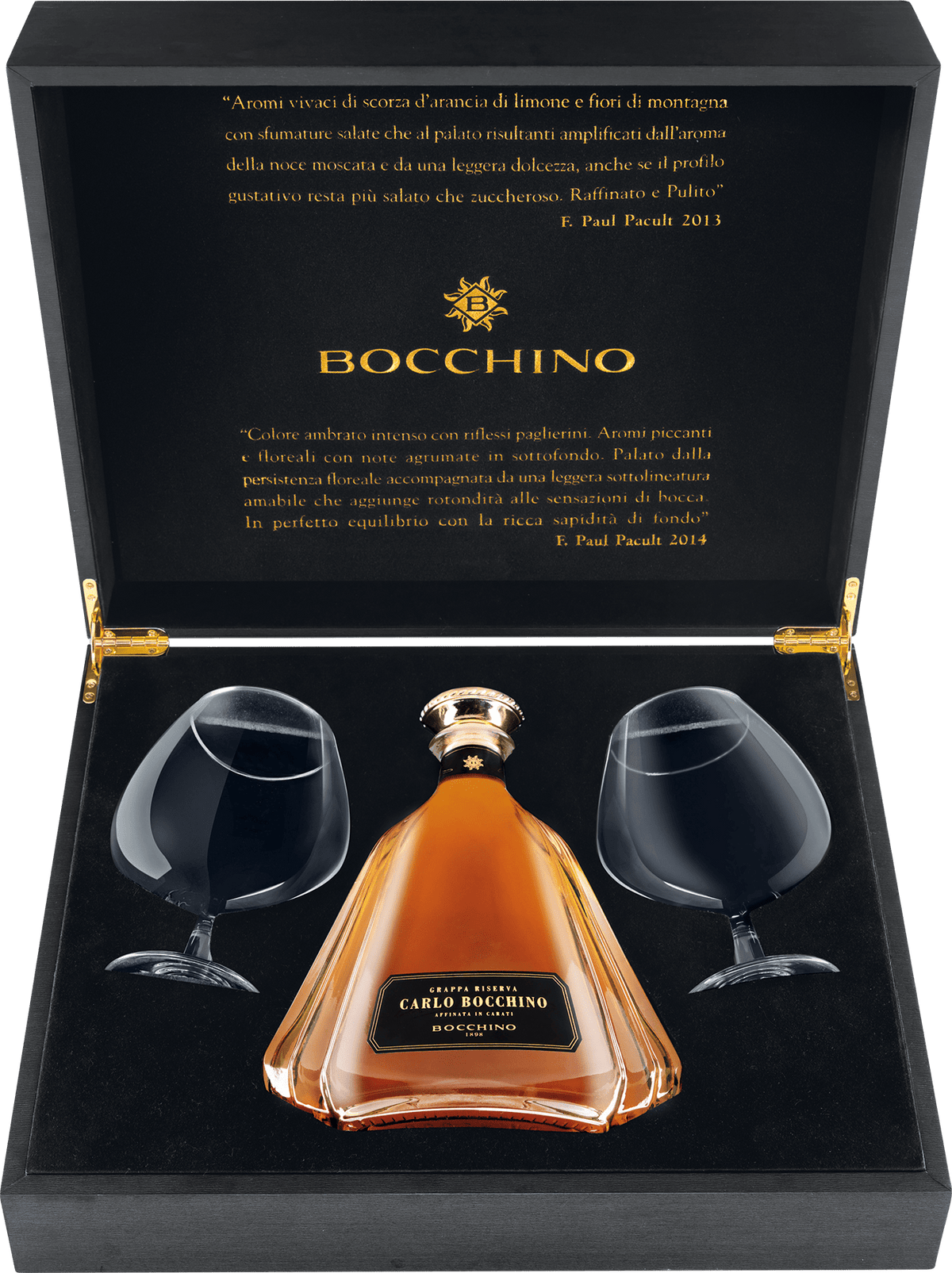
The history of the Distilleria Bocchino begins with a decision that marked a break in the world of Grappa in 1898. Carlo Bocchino founded a small distillery in Canelli, right in the heart of Piedmont – and did something unheard of at the time: he distilled exclusively from Moscato pomace, instead of using a blend of different pomace like everyone else. This single-varietal approach was a premiere in Italy and laid the foundation for a new definition of quality for the distillate.
Carlo passed on his artisanal knowledge and strict raw material selection to his son Lazarito in 1937, who consistently further developed the principle of long aging. Lazarito's son-in-law Giorgio Micca brought the distillery to the top of the market in the 1970s with the "Sigillo Nero" brand presence. Since 1996, Carlo Micca Bocchino – grandson of the founder – has been managing the distillery, supported by his daughters Miranda and Marta. Four generations, one address: Canelli.
Tuff stone cellars, cru pomace, and the patience of barrel aging
What distinguishes Bocchino from industrially produced grappas to this day is the consistent selection of the starting materials. The pomace comes from the Langhe and Monferrato – those hillside locations from which Barolo, Barbaresco, and Moscato d'Asti also derive their identity. Each parcel of pomace is evaluated according to its cru characteristics; the aromatic profile of the grape decides whether it finds its way into the still.
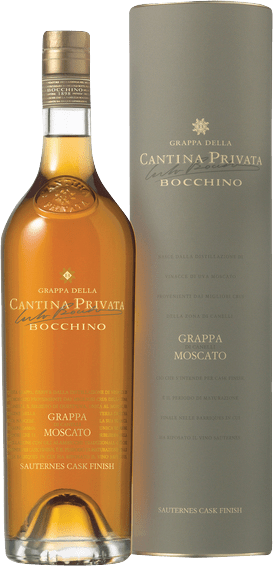
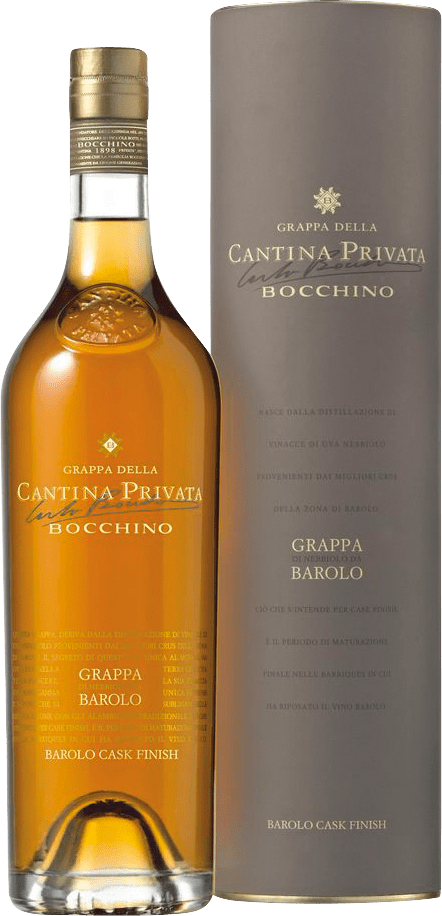
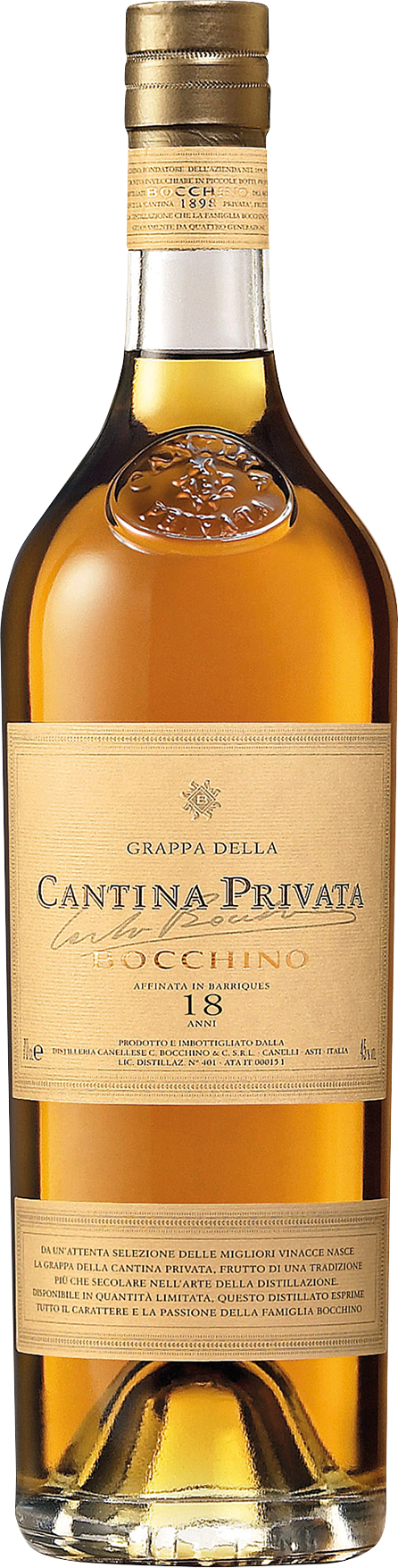
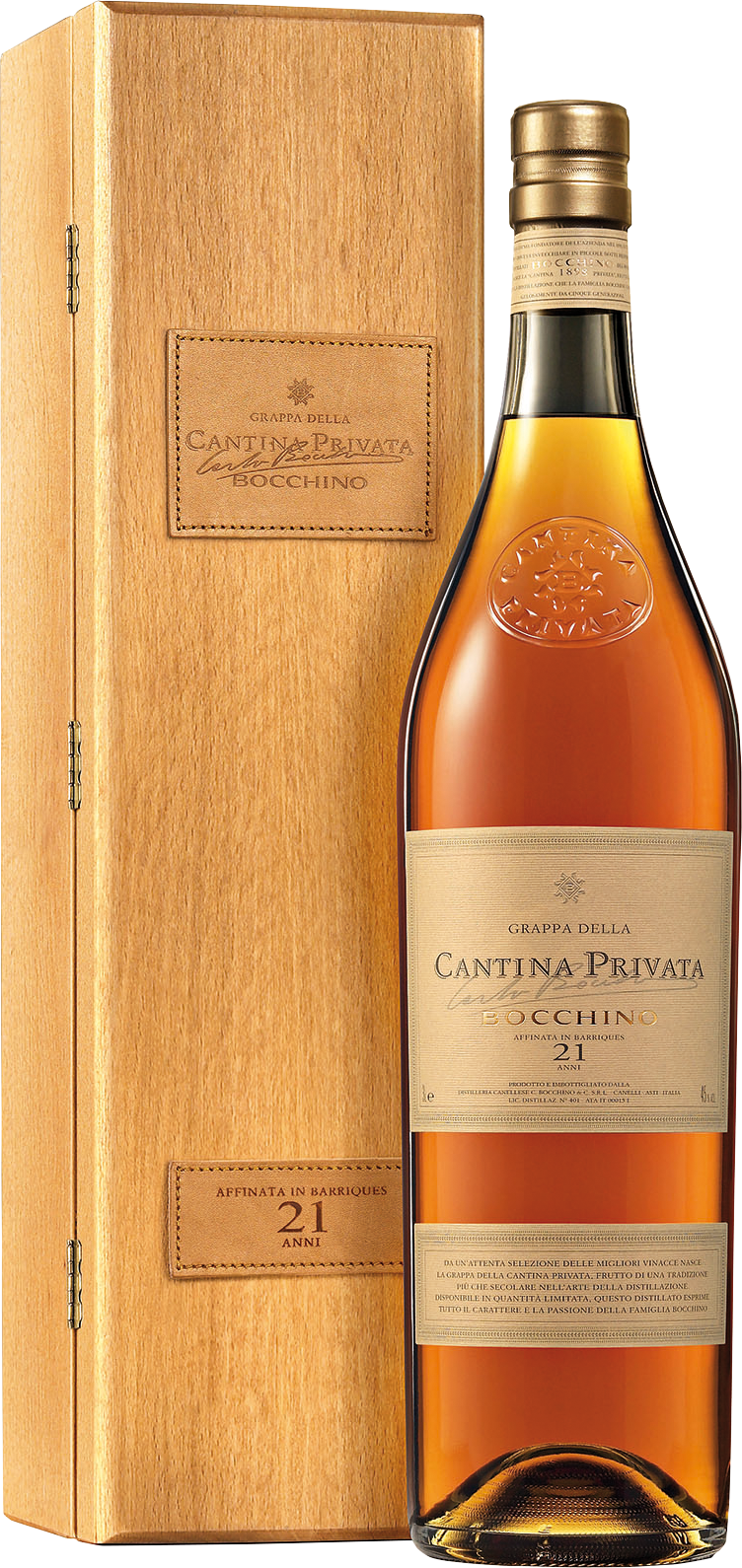
The aging of the distillates is carried out in cellars carved into the tuff stone near the distillery – a constant microclimate that stabilizes the development of aromas over many years. The grappas are stored in small oak barrels and barriques; patience is not an end in itself, but the craft tool that transforms the harsh sharpness of the distillate into depth and velvetiness. The Cantina Privata line – originally reserved for the family reserve – matures for 18 or 21 years before it is bottled and numbered.
Barolo, Barbaresco, Moscato: a range with a clear language of origin
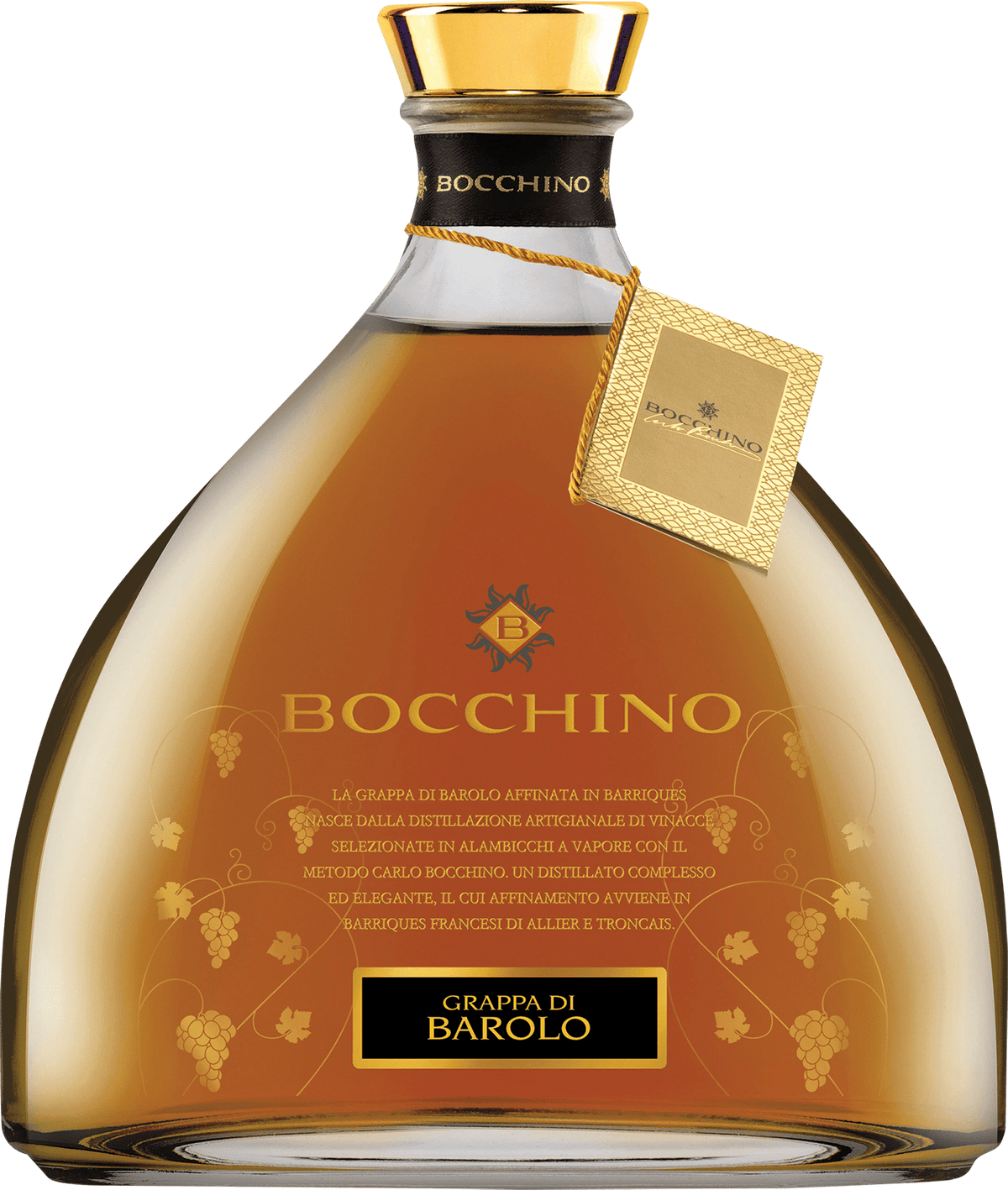
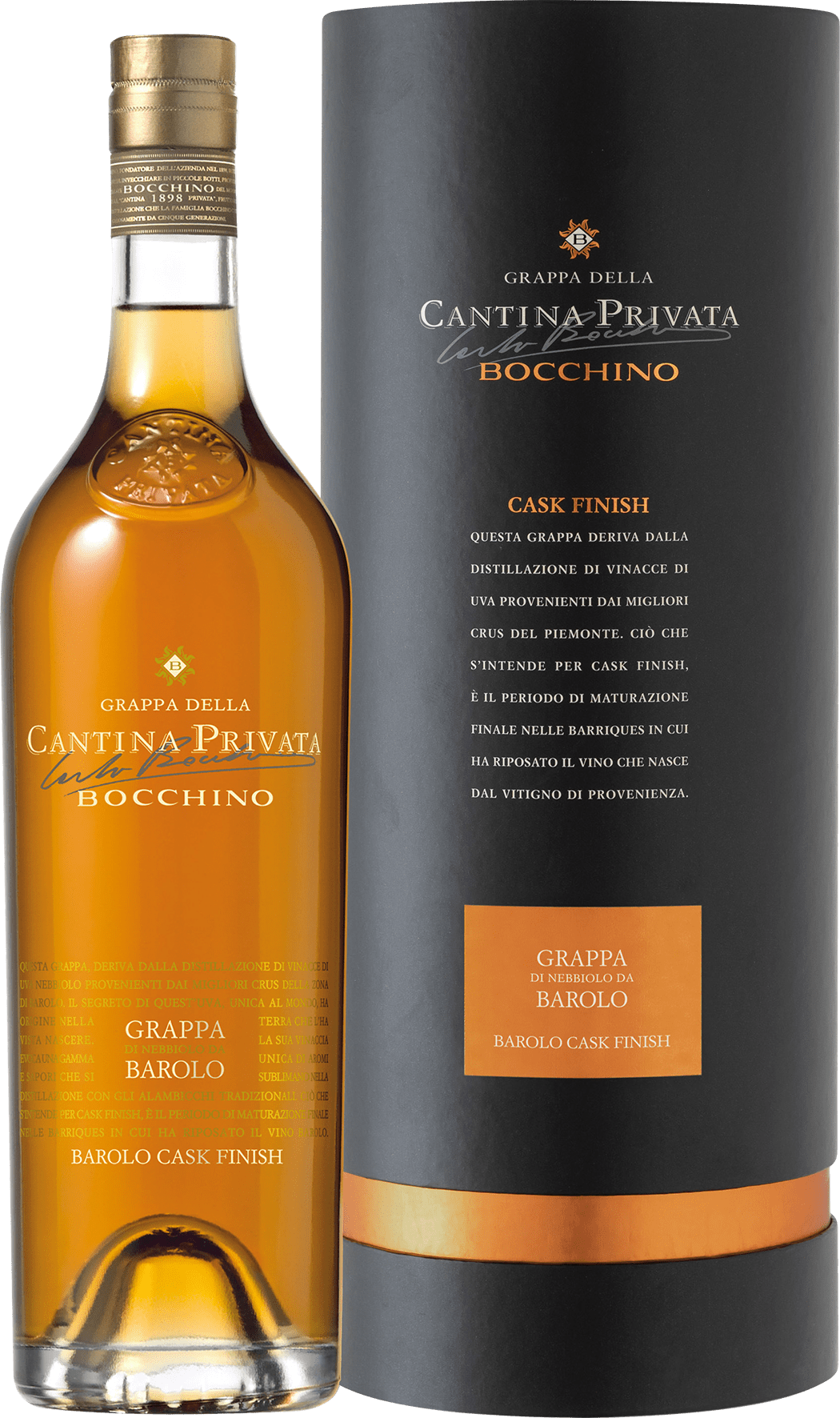
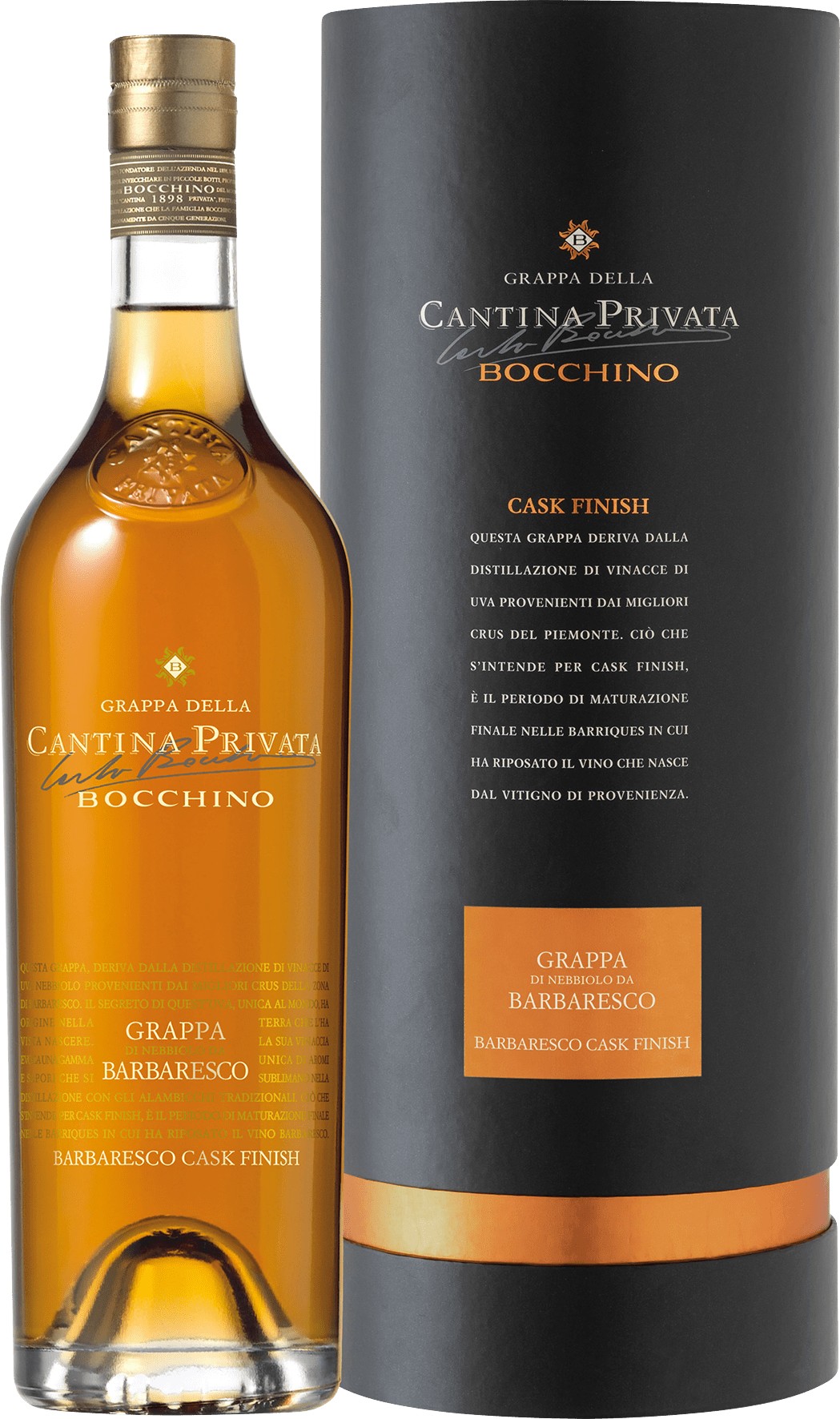
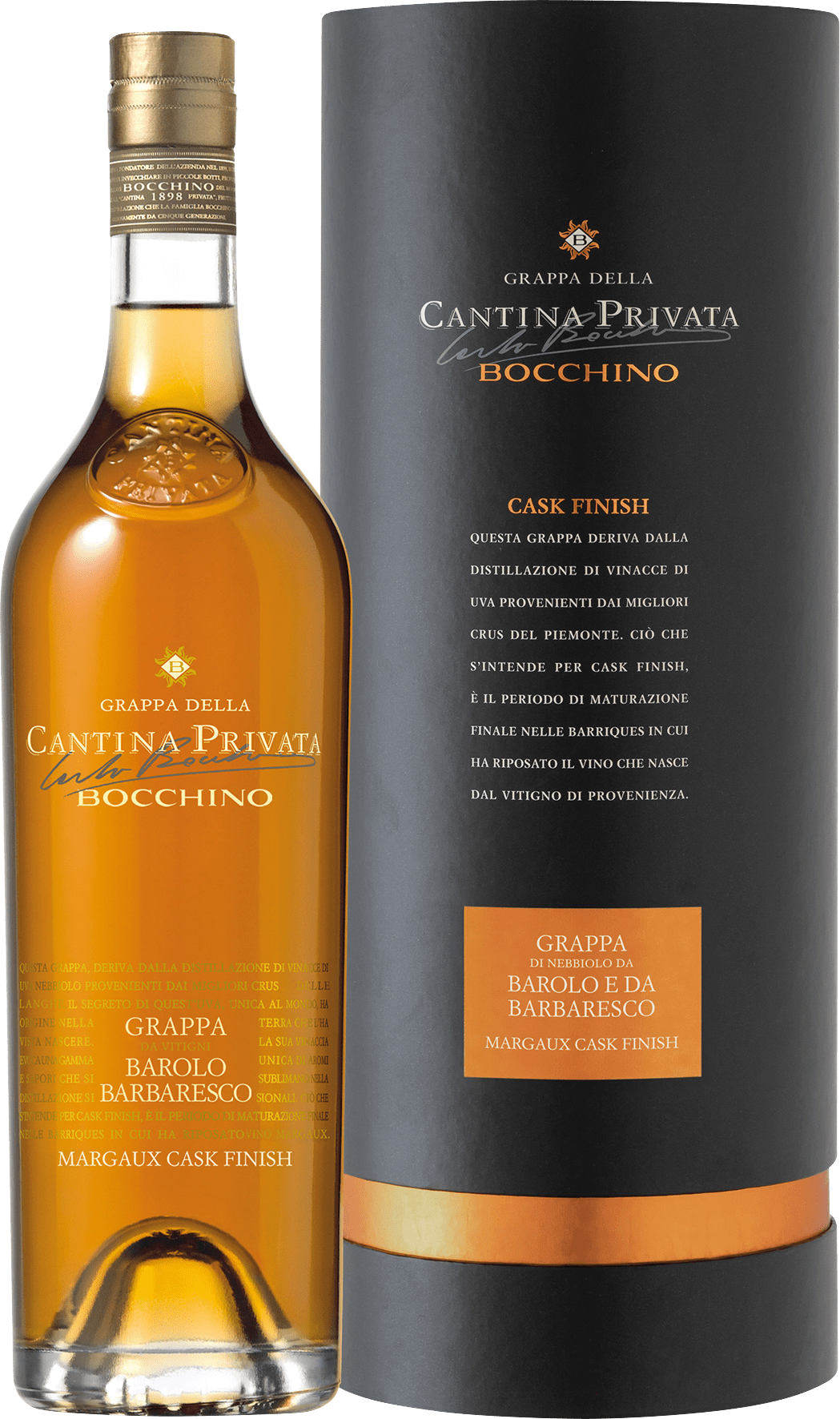
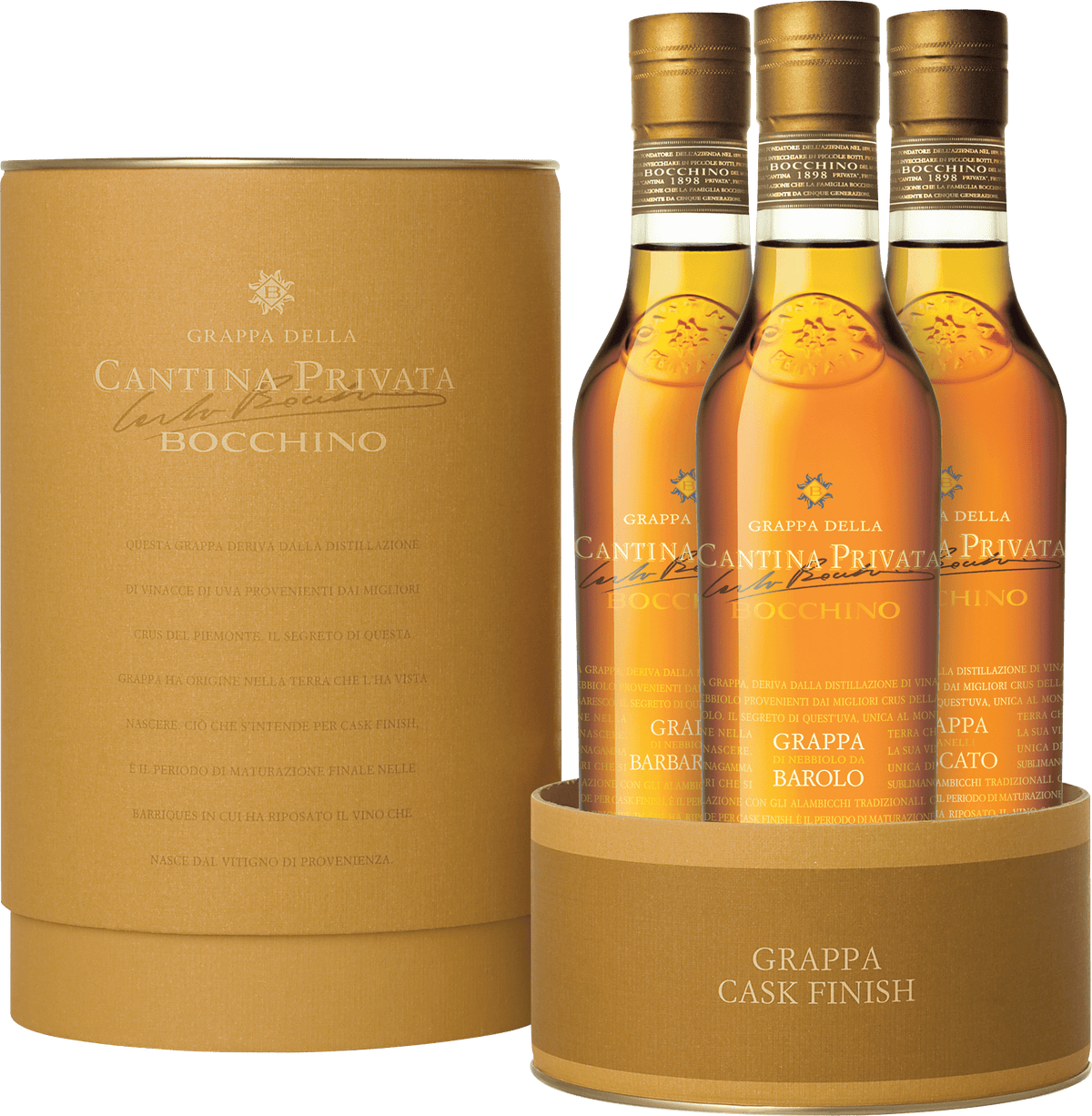
Bocchino does not produce generic grappas, but distillates with a readable origin. The Grappa di Barolo is based on Nebbiolo pomace from the Barolo growing region and matures in former Barolo barrels – the cask finish gives the distillate notes of candied oranges, white flowers, cinnamon, and hazelnut; the finish is long and spicy-warm. The range is complemented by the Grappa di Barbaresco using the same cask finish process as well as by the Grappa di Barolo e Barbaresco in a Margaux cask finish, where red wine barrels from Bordeaux bring in additional fruit depth.
At the top are the vintages of the Cantina Privata: the 21-year cuvée combines Nebbiolo pomace from Barolo and Barbaresco with Moscato d'Asti and spends at least twelve years in the barrique before it comes into the bottle. The result is a distillate with clear complexity – dried fruits, dark spices, a hint of walnut – which is best drunk neat, slightly tempered to 14–16 °C, after an extensive dinner.