






Herbs / Bitters
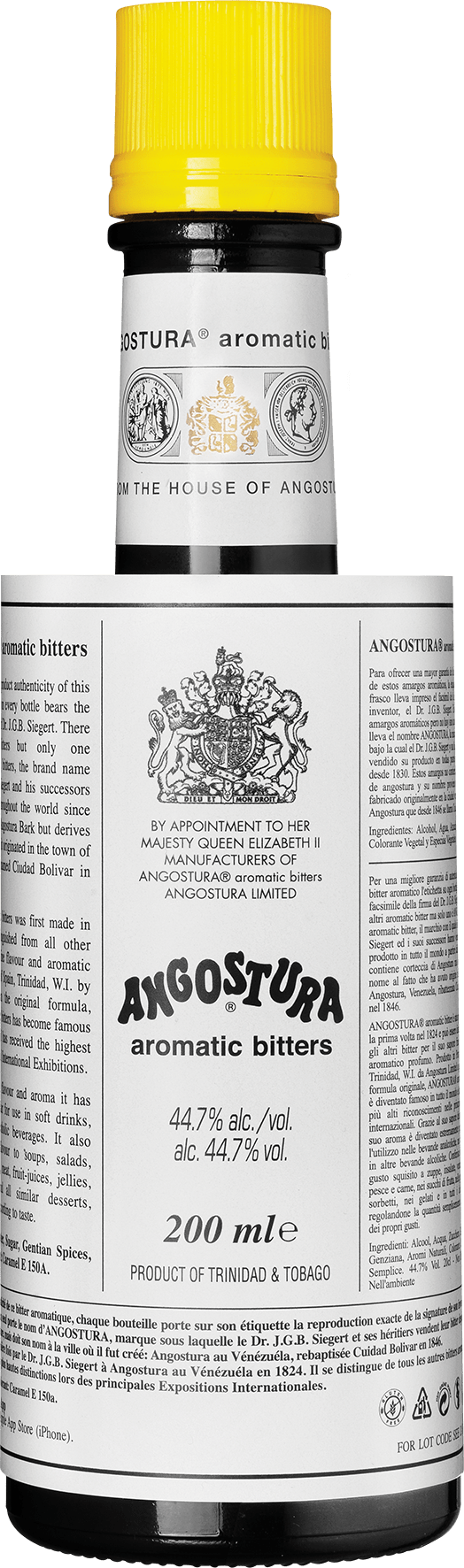
Bitters contain, in addition to agricultural alcohol, ingredients such as herbs, citrus plants, angostura bark, cinchona bark, berries or anise.
These spirits are made with a very special combination of herbs, which is said to have a positive effect on digestion. For this reason, they are often used as a digestif or served in long drinks.
Filters
12 products
Spirits Categories
Frequently asked questions
What is the difference between a herbal bitter and an Amaro?
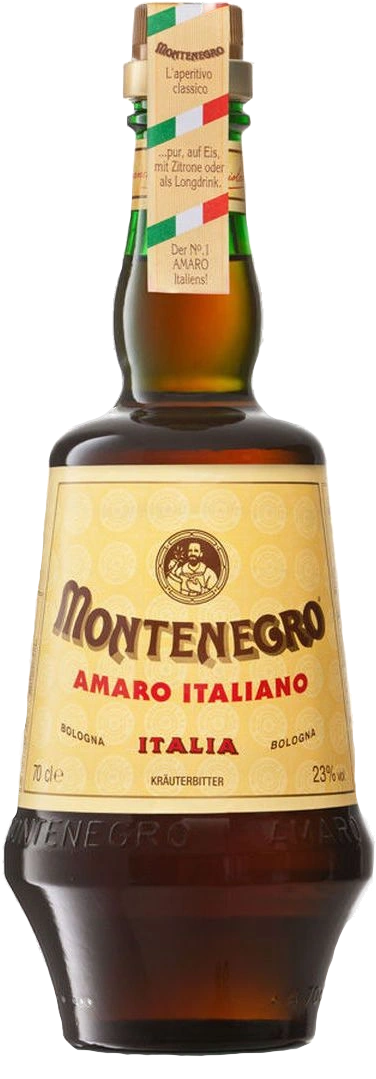
Both are based on herbal and bark extracts, but differ in origin and style: herbal bitter is the German-language umbrella term, Amaro is the Italian tradition – often softer, with more citrus and sweetness. Both act as a digestif.
How do I recognize a good herbal bitter?
A good herbal bitter has a clearly recognizable bitterness that is not masked by sweetness, and a herbal complexity that unfolds in the finish. Cheap products often taste one-dimensionally sweet or artificial – the recipe and the quality of the botanicals make the difference.
What do you drink herbal bitter with – and how do you serve it properly?
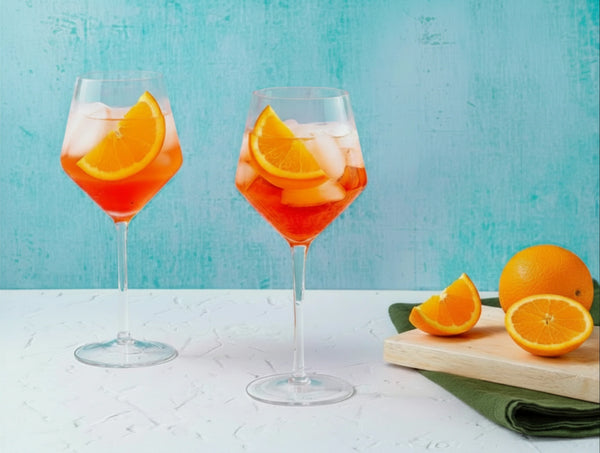
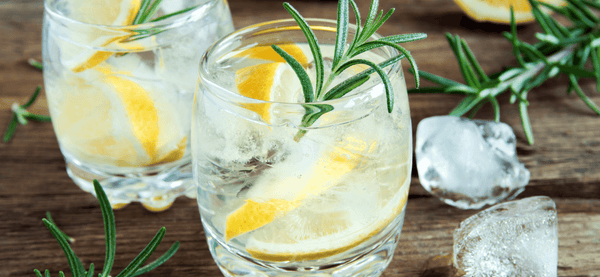
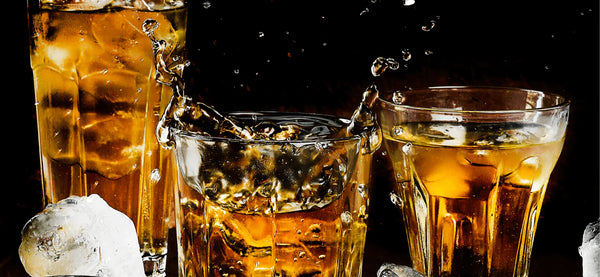
Classically after a meal as a digestif, neat and slightly chilled in a small glass. Many bitters are also suitable as a base for long drinks or cocktails – with tonic, soda, or ginger beer. Ice cubes open up the aromas and soften the bitterness.
What does bitterness mean in spirits – and where does it come from?
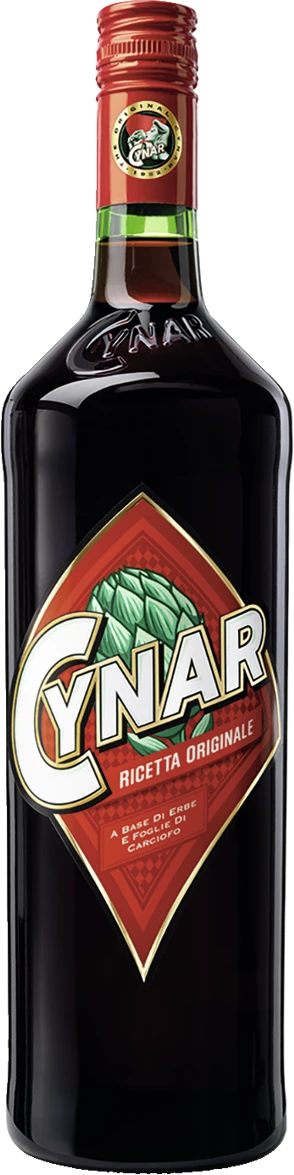
The bitterness is created by plant ingredients such as cinchona bark, angostura bark, gentian, or artichoke. These bitter substances stimulate digestion and give the drink its characteristic depth. Depending on the recipe, herbs, citrus, roots, or blossoms dominate.
Are there herbal bitters with regional differences – for example from the Alps or from Italy?
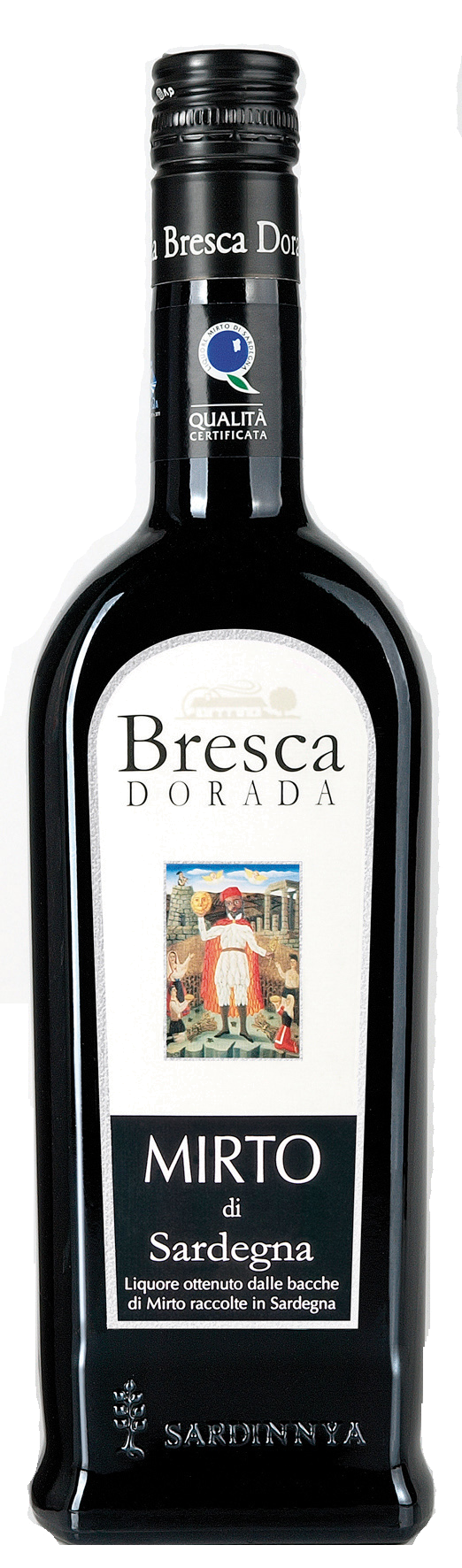
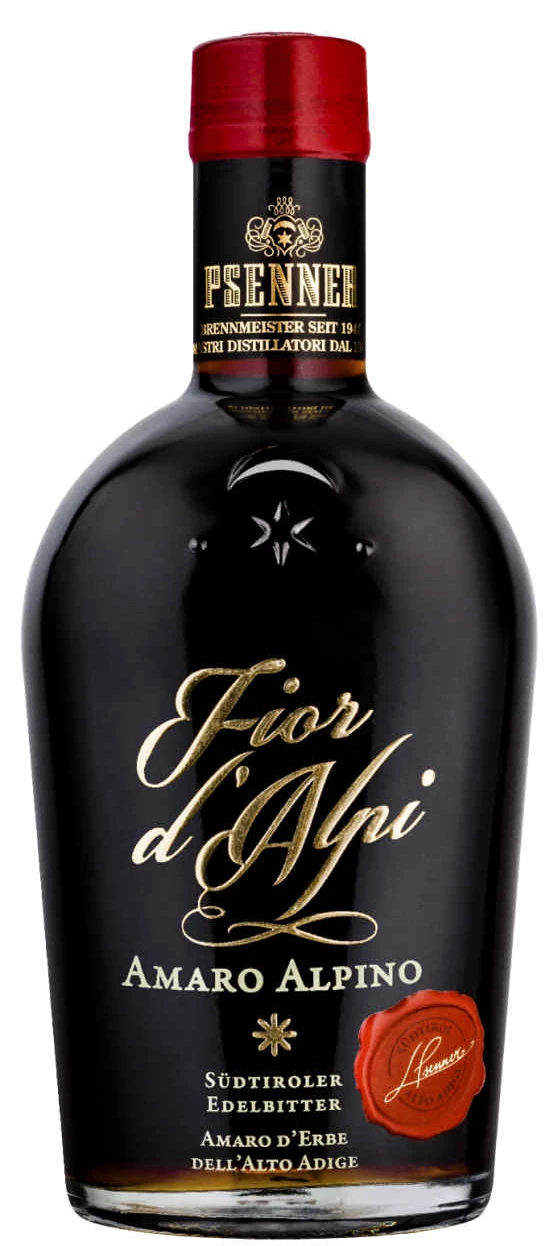
Yes, the origin significantly shapes the character. Alpine bitters often rely on mountain herbs, gentian, and mountain pine, while Italian Amari frequently use citrus peels, artichoke, or myrtle. Scandinavian bitters like the Danish style are usually drier and spicier. Our assortment reflects this diversity.
Is herbal bitter the same as herbal liqueur?
Not quite: Herbal liqueur generally has a higher sugar content and tastes rounder and sweeter. Herbal bitter emphasizes the bitterness more strongly and contains less residual sugar. The boundaries are fluid – some products move between both categories.
The spirit bitter/herbal - buy online
These spirits are made with a very special combination of herbs, which is said to have a positive effect on digestion. For this reason, they are often used as a digestive schnapps or served in long drinks. A bitter spirit has an alcohol content of at least 15%.
In addition to agricultural alcohol, bitters contain ingredients from herbs, citrus plants, Angostura bark, cinchona bark, berries, or anise. Since a bitter taste is assessed subjectively, sweet, non-bitter herbal liqueurs are also classified as stomach bitters.


