From beehive to distillery: the founding story at Monte Liuru
Paolo Melis and Enrico Diana met at a beekeeping course in Cagliari — two young men with a shared passion for the Sardinian landscape and its bees. In the 1980s, they searched the province of Cagliari for the right spot for their apiary until they found it near Muravera in the Sarrabus region: 7 hectares of wild macchia land at the foot of Monte Liuru, barely accessible at the time, fragrant with myrtle, mastic, and rockrose. They bought the land and built the base there, which remains the company's headquarters to this day. They chose the name from the Sardinian language: Bresca means honeycomb, Dorada stands for the golden color of the honey. The apiary grew, and the first products — honey and other bee products — found customers. Then came the turning point: in the small agriturismo that the two ran on the side, they served their guests homemade Mirto after dinner. The digestif became the talk of the evening, guests asked for bottles to take home, and in 1990 the idea was born to produce the myrtle liqueur in series — without sacrificing the artisanal quality that had made the liqueur so popular.
Macchia, organic certification, and respect for what the island provides
The valley near Cann'è Frau, about 20 kilometers from Muravera, lies between the Tyrrhenian Sea and the wooded slopes of the Sette Fratelli. Wild myrtle, mastic, rockrose, and strawberry trees grow on the farm's 6.5 hectares — the macchia accounts for about 30 percent of the harvest. In addition, there are 300 olive trees, quince plantations, and hedges of medicinal and aromatic plants. The Flumendosa plain in the depths of the valley provides particularly fertile soil: decades of flooding have left a layer of silt up to one meter thick, which makes the region's citrus fruits so aromatic. Since 2013, Bresca Dorada has been organically certified for its liqueurs and jams. For Paolo and Enrico, this is not a marketing decision, but a logical consequence of their attitude: only harvest what nature produces in abundance, and work in symbiosis with it — that is what they learned from the bees, as they say themselves.
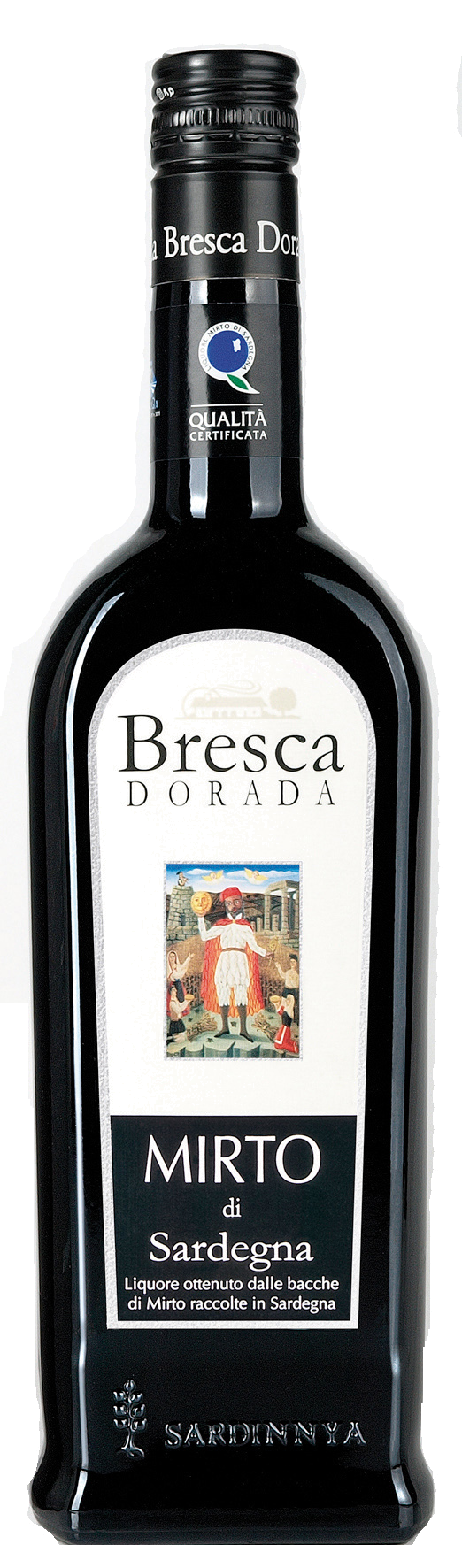
The myrtle berries for the Mirto Rosso are picked by hand, predominantly from wild plants in the interior. The harvest takes place between November and January; the berries then macerate in pure alcohol for at least three months before the infusion is rounded off with water, sugar, and a portion of Sardinian honey — up to 10 percent of the sweetener. For the Mirto Verde, fresh myrtle leaves and flowers from the Sette Fratelli area are placed in alcohol immediately after harvest, as the aromatic compounds of the leaves evaporate quickly. Here, too: only sugar, honey, and water as additives.
Mirto, Limoncino, and more: what Bresca Dorada brings to the glass
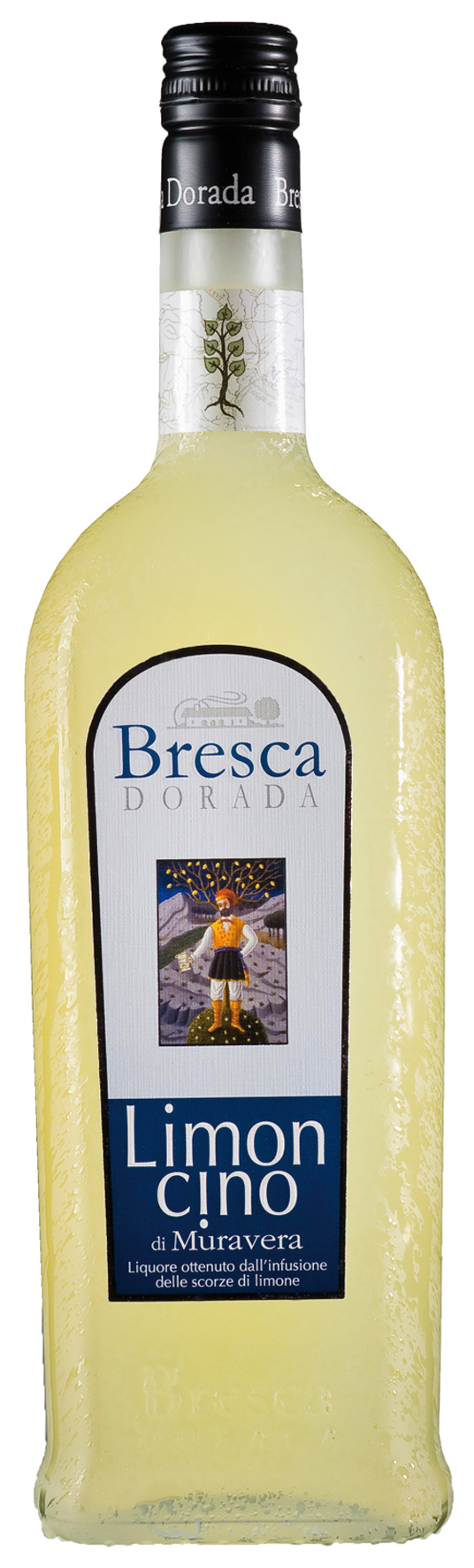
The Mirto Rosso di Sardegna is the heart of the range — deep ruby red, with a bouquet of wild berries, Mediterranean herbs, and a balsamic, spicy finish. Alongside it is the Mirto Verde, which shows a rarer, more mineral character with its light green color and the tart-fresh profile of myrtle leaves and flowers. Liqueurs such as Limoncino, Aràngiu (orange), and a mandarin liqueur come from the citrus gardens around Muravera — all extracts from the peels of local producers, without artificial additives. More complex is the Mirtamaro, a herbal infusion of wild plants from the Gennargentu mountains and the east coast of Sardinia, mixed with fresh myrtle sprouts and ripe berries. The range also extends to a vermouth based on the local grape varieties Nasco and Malvasia del Capo, flavored with wild herbs, as well as a gin and an amaro — all made from regional ingredients, all handcrafted in a facility designed according to ecological building standards. Bresca Dorada sees every bottle as a piece of Sardinia: the macchia, the light of the east, the river plain of Muravera — condensed into alcohol.