From kibbutz collective to pioneer of Israeli quality viticulture
The history of the Golan Heights Winery does not begin with an entrepreneurial family, but with a collective decision: in 1983, four kibbutzim and four moshavim on the Golan plateau joined forces to found a communal winery in Katzrin. The first vines on the Golan had already been planted in 1976 — on volcanic basalt soils that had previously mainly supported apple orchards. With its first vintage in 1984, the winery immediately attracted international attention. What began as a regional community project developed over the following decades into the driving force behind the Israeli wine revolution: the winery is now considered a co-founder of a national quality identity and has influenced and inspired an entire generation of boutique winemakers in the country.
The decisive qualitative leap came in 1991 with the arrival of Victor Schoenfeld, an oenologist born in Southern California with a degree from UC Davis. Schoenfeld had previously worked at Robert Mondavi, Preston Vineyards and Chateau St. Jean in Sonoma, as well as at the Champagne house Jacquesson & Fils in France. Since 1992, he has shaped the profile of the winery as Head Winemaker — and is today considered one of Israel's most influential winemakers.
Precision agriculture on volcanic basalt
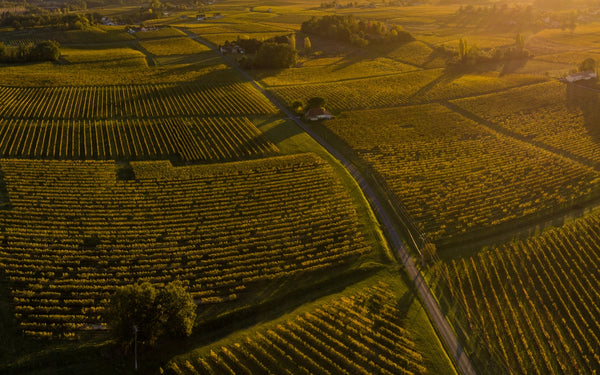
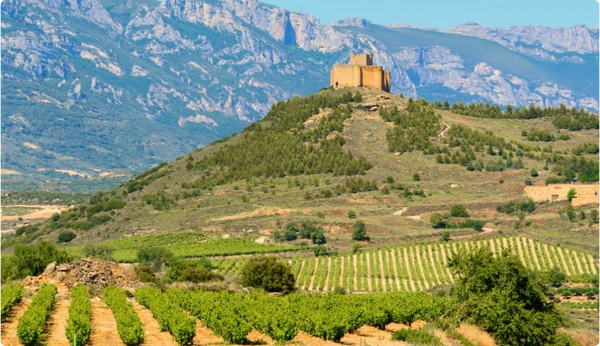
The terroir of the Golan is the foundation of every wine from Katzrin: volcanic basalt soils, rich in minerals and well-drained, combined with a Mediterranean climate that is strongly modified by location and altitude. The 28 vineyards extend over altitudes between 400 and almost 1,200 meters and are divided into around 450 to 500 individual plots — each is managed separately, harvested separately and vinified separately before the final assemblage is decided. Cold, snow-covered winters and warm, dry summer days with cool nights create the tension between ripeness and freshness that gives the wines their structure.
Schoenfeld stands for an approach that combines technological precision with a clear terroir philosophy: climate monitoring, computer-controlled cooling systems, irrigation management and modern pressing technology work hand in hand with practices such as composting and wind energy. The winery was the first Israeli winery to adopt the Californian LODI RULES sustainability certificate and also operates its own nursery to provide virus-free planting material — in collaboration with the ENTAV-INRA institute — for the entire Israeli wine industry.
Four labels, one terroir – from accessible red to collector's wine
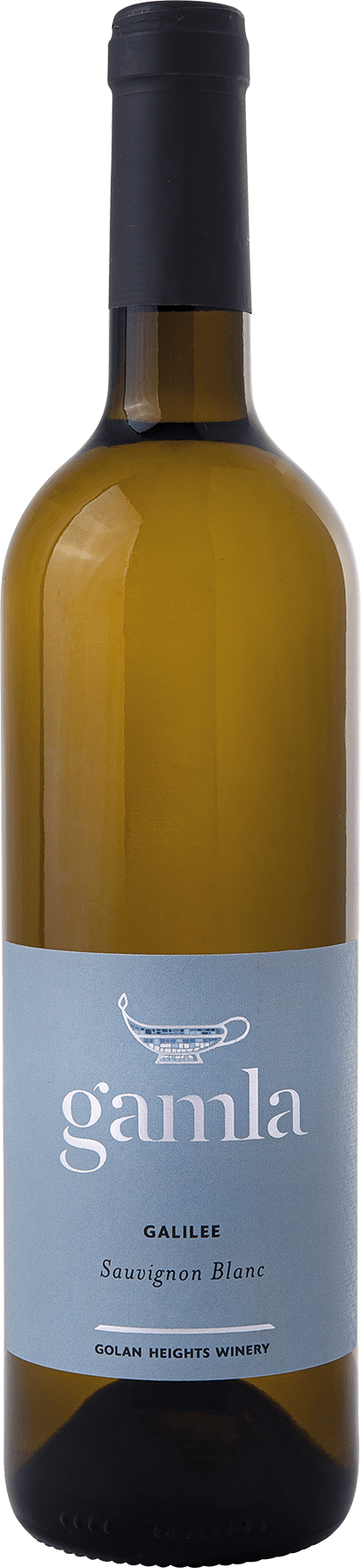
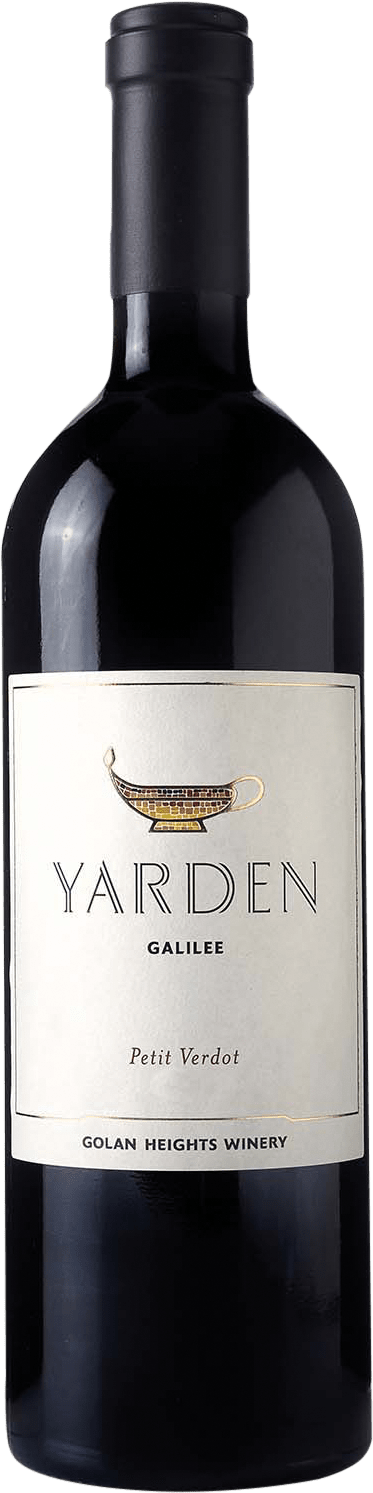
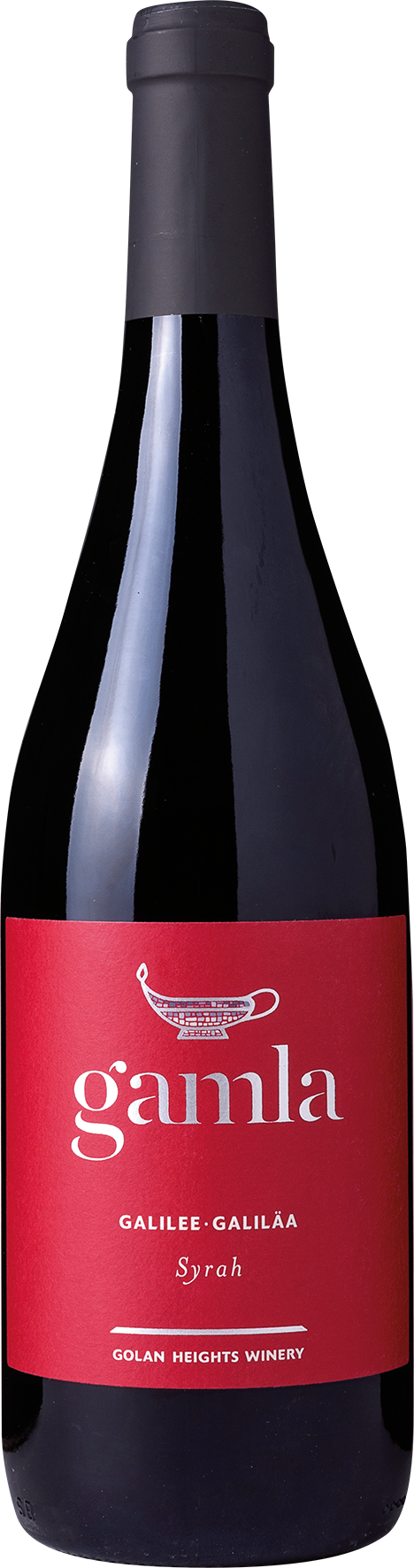
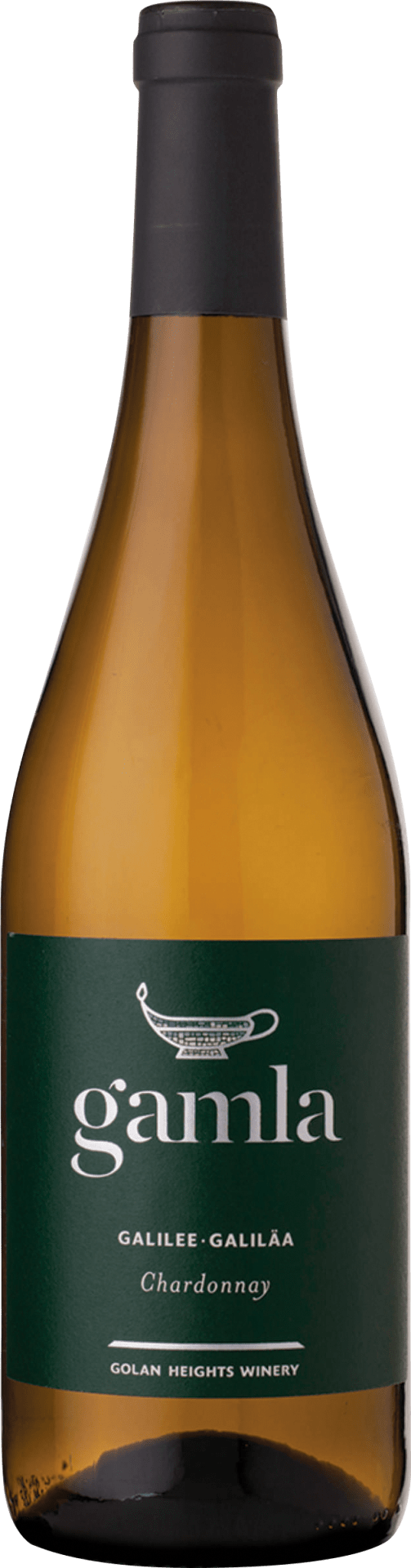
The Golan Heights Winery's range is organized into clearly defined labels that depict different levels of expression of the same terroir. Mount Hermon forms the everyday entry point: the Red is a cuvée of Cabernet Sauvignon, Merlot and other Bordeaux varieties, while the Rosé and the Indigo complement the line with an accessible fruit profile. The Gamla line — represented here by Cabernet Sauvignon, Syrah, Chardonnay and Sauvignon Blanc — stands for varietal expressiveness at a medium quality level: more contoured, with more depth and aging potential. The flagship Yarden bears the Hebrew name of the Jordan River, which separates the Golan Heights from Galilee; the Katzrin Chardonnay and the Katzrin Cabernet Sauvignon from this line are among Israel's most sought-after collector's wines. In 2004, the Yarden Cabernet Sauvignon was the first Israeli wine in the Wine Spectator Top 100; in 2012, Wine Enthusiast Magazine named the winery New World Winery of the Year. Schoenfeld also works with grape varieties such as Syrah, Pinot Noir, Viognier and Gewürztraminer — varieties that show that the terroir of the Golan Heights yields far more than one would generally expect from the Middle East.