From banking career back to the Langhe hills
The Grasso family has been cultivating vineyards around Monforte d'Alba for generations — their sites were already entered into the historical vineyard map of historian Lorenzo Fantini in the early 20th century as a reference for top-class growing areas in Piedmont. Elio Grasso himself initially took a different path and worked as a bank manager before taking over and reactivating his parents' winery in the early 1980s. The decisive step had already been taken in 1978: Grasso began as a pioneer at that time to vinify and bottle the grapes from his best parcels separately by site — at a time when single-vineyard wines in Barolo were by no means a matter of course.
Today, his son Gianluca Grasso runs the winery, having gradually taken over responsibility after training in agronomy and oenology in the late 1990s and early 2000s. The generational transition was seamless; the house style remained unchanged in its fundamentals.
Vineyard first — cellar as an extension of the site
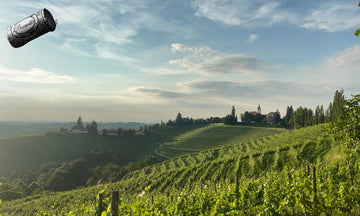
The approximately 18 hectares of vineyard area are concentrated entirely in the Monforte d'Alba area, at altitudes between 300 and 450 meters. The most important sites are the Ginestra with the Casa Maté and Vigna Chiniera parcels, as well as the Gavarini zone directly at the winery. Casa Maté produces southwest-exposed parcels on calcareous clay — darker, more powerful fruit. Chiniera, located slightly higher with sandy subsoil, yields aromatically more delicate, structurally more restrained wines. Manual labor, targeted canopy management, and low yields are the foundation of both locations.
In the cellar, the family follows a clear principle: malolactic fermentation takes place in stainless steel tanks to avoid any wood extraction during this phase. For the classic single-vineyard Barolos, Gianluca Grasso relies on aging in large, old Slavonian oak barrels; for the Riserva Rüncot — a selection of the best parcels, aged only in exceptional vintages — French oak barriques are used. The wine cellar, completed in 2004, was built directly into the hillside and offers constant temperatures and humidity over a length of around 100 meters — ideal conditions for long bottle aging before sale.
Barolo as the centerpiece, Barbera and Dolcetto as honest companions
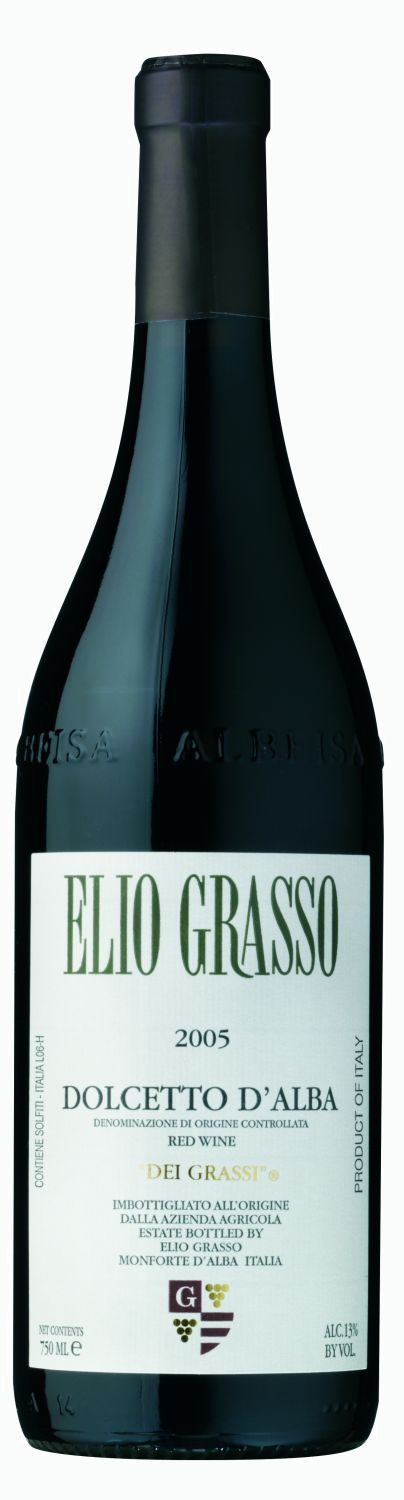
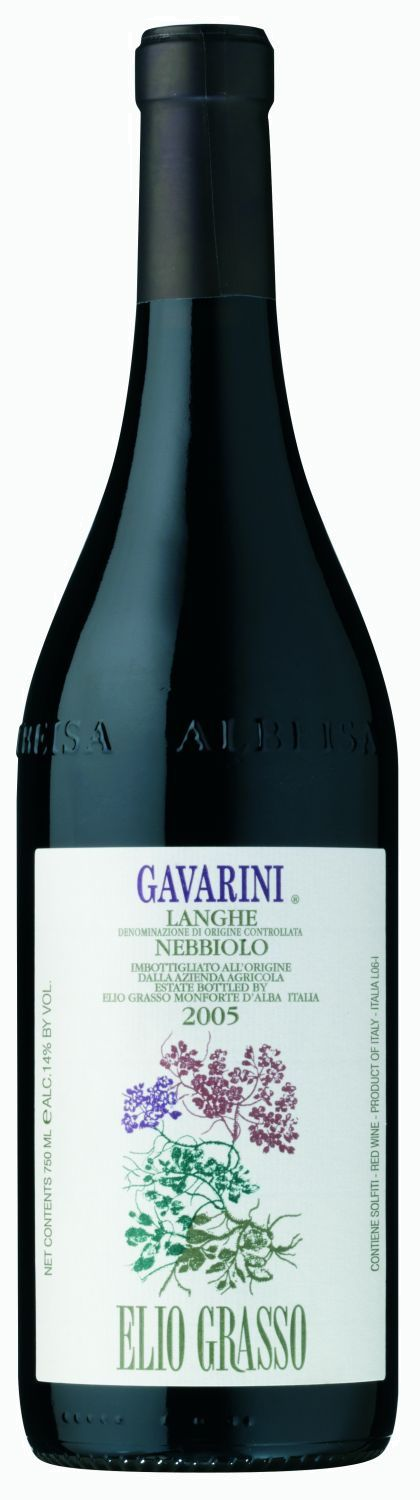
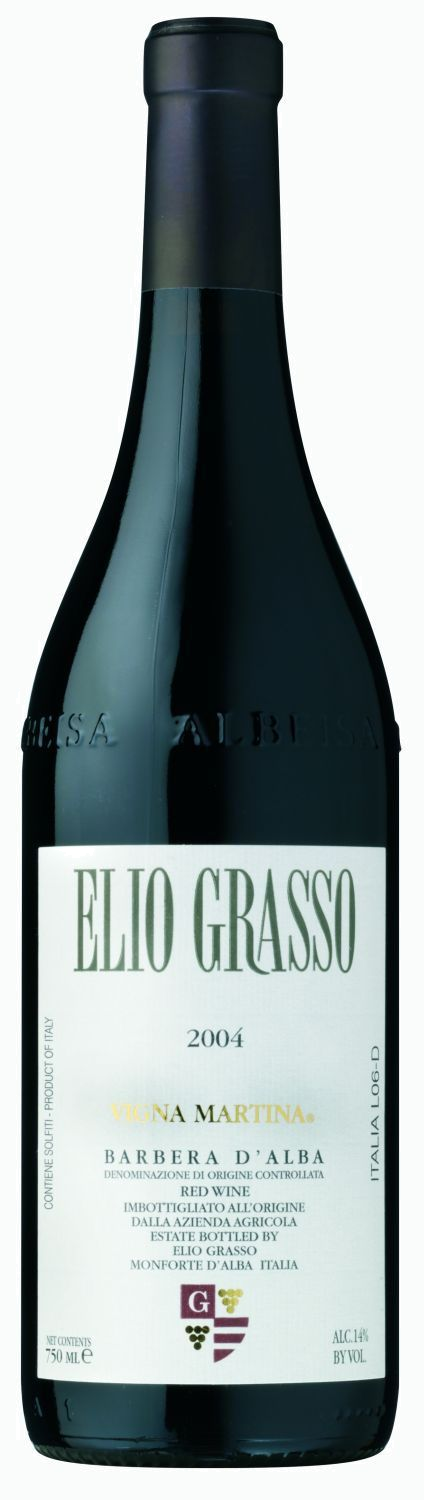
The range follows what the hills around Monforte d'Alba provide: Nebbiolo for Barolo and the Langhe Nebbiolo Gavarini, Barbera for the Vigna Martina, and Dolcetto for the Dei Grassi. Since 1986, there has also been a small Chardonnay parcel that provides the house's only white wine. The style lies between tradition and cautious modernity: structurally strong tannins and acidity, as is typical for Monforte d'Alba, combined with a fruit clarity and elegance that arise from careful cellar hygiene and site-specific fermentation. The Langhe Nebbiolo Gavarini comes from younger Nebbiolo vines in the Gavarini zone and offers earlier access to the variety — accessible and aromatic, without the austerity of a great Barolo. The Barbera Vigna Martina ages for around 15 months in barrique and shows the depth and tension that this hillside location between sand and clay allows. Despite all the focus on the flagship Barolo, total production remains deliberately at a level that allows for largely family-internal management — a decision that Gianluca Grasso and his father Elio understand as a conscious limitation of size.