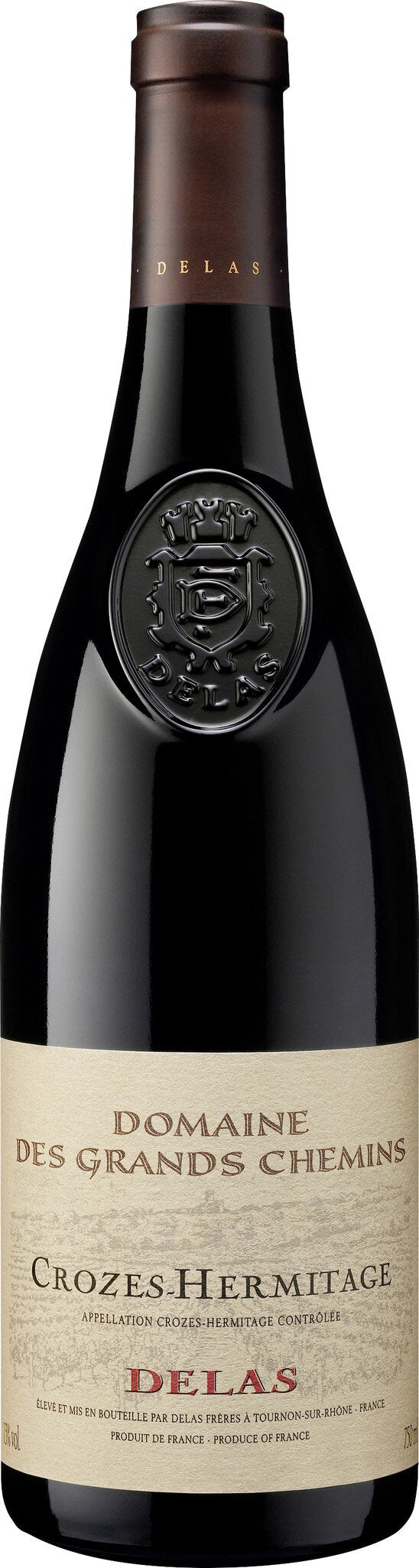
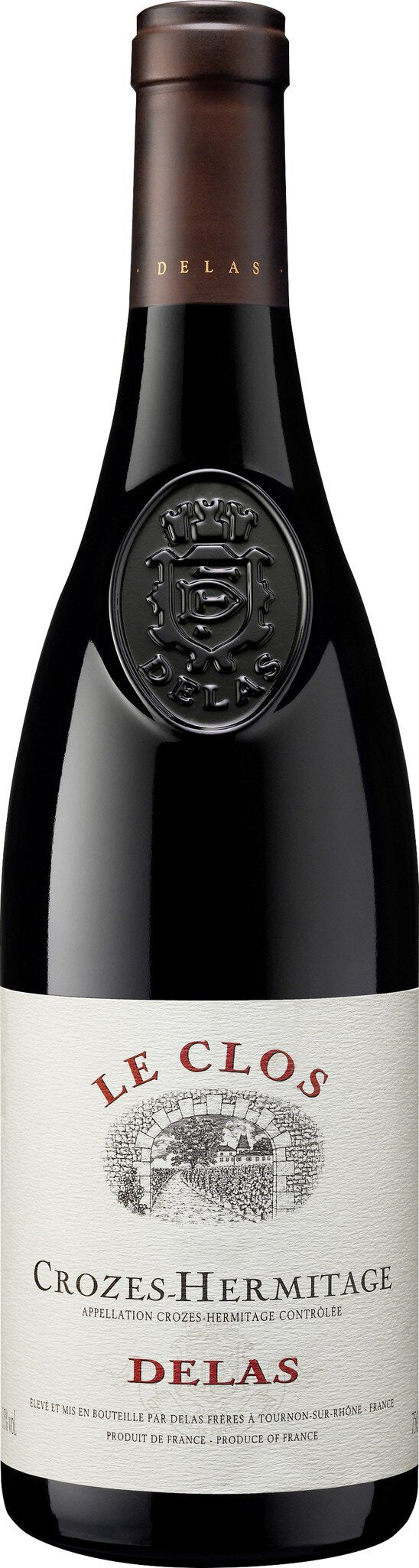
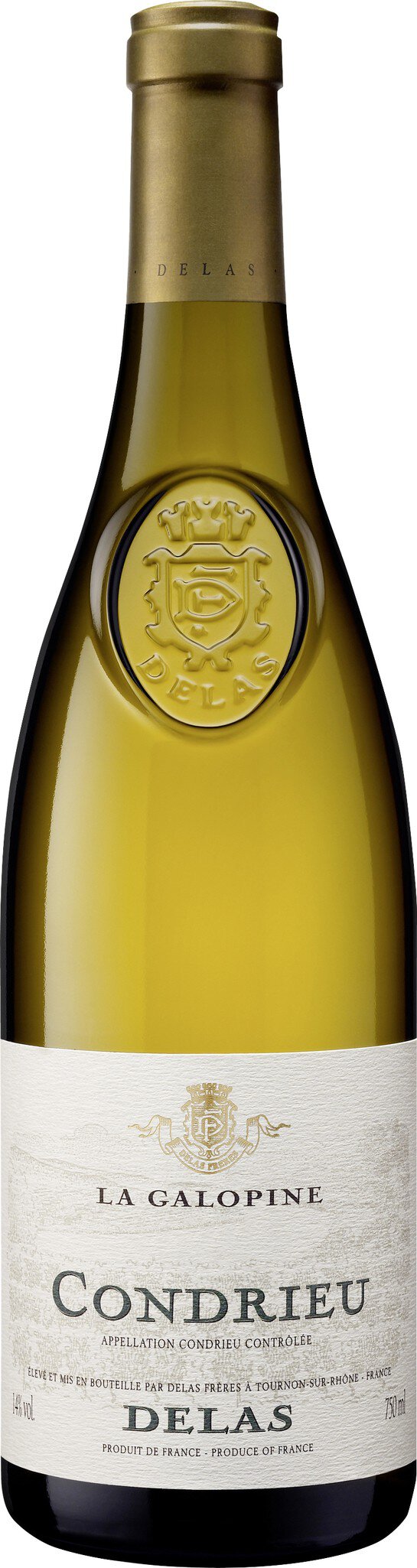
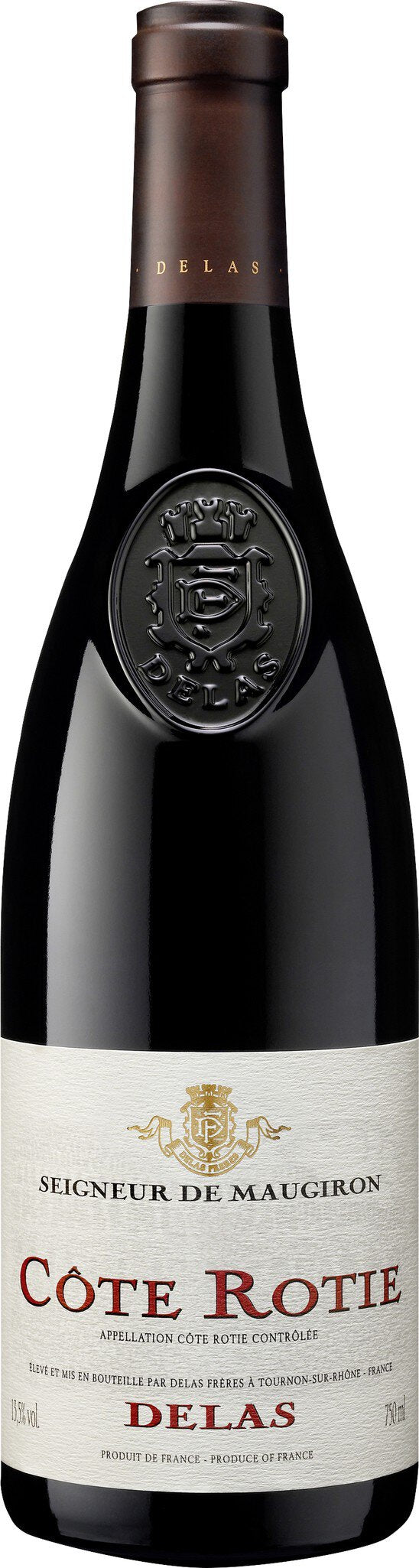
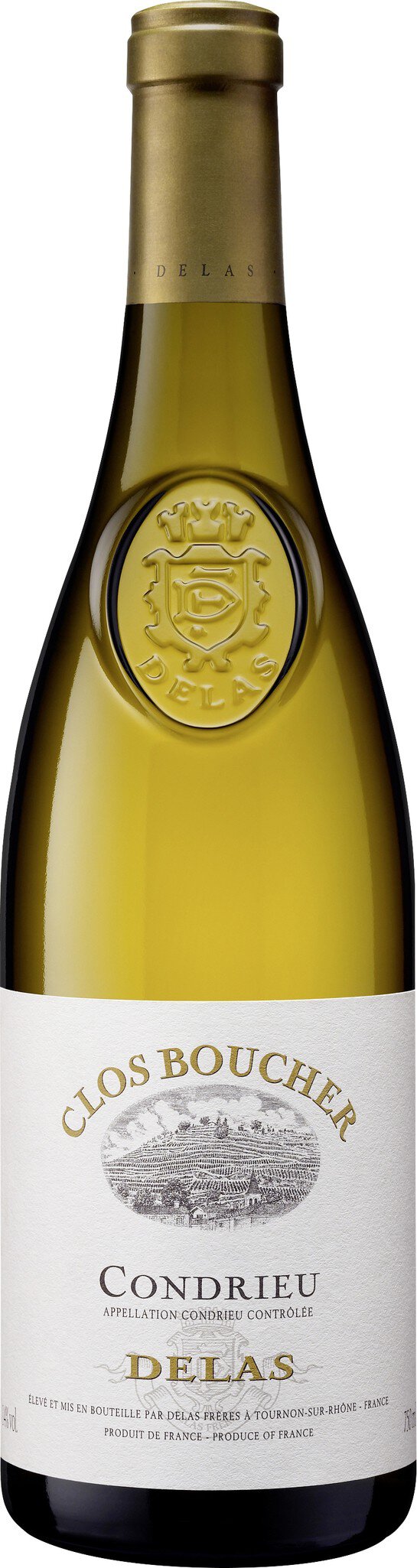
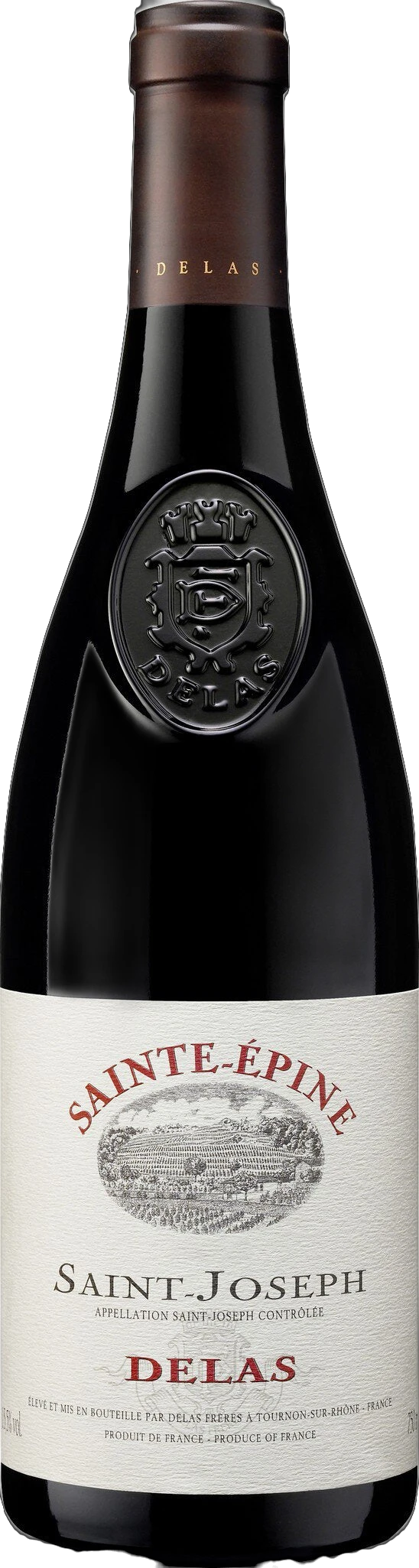
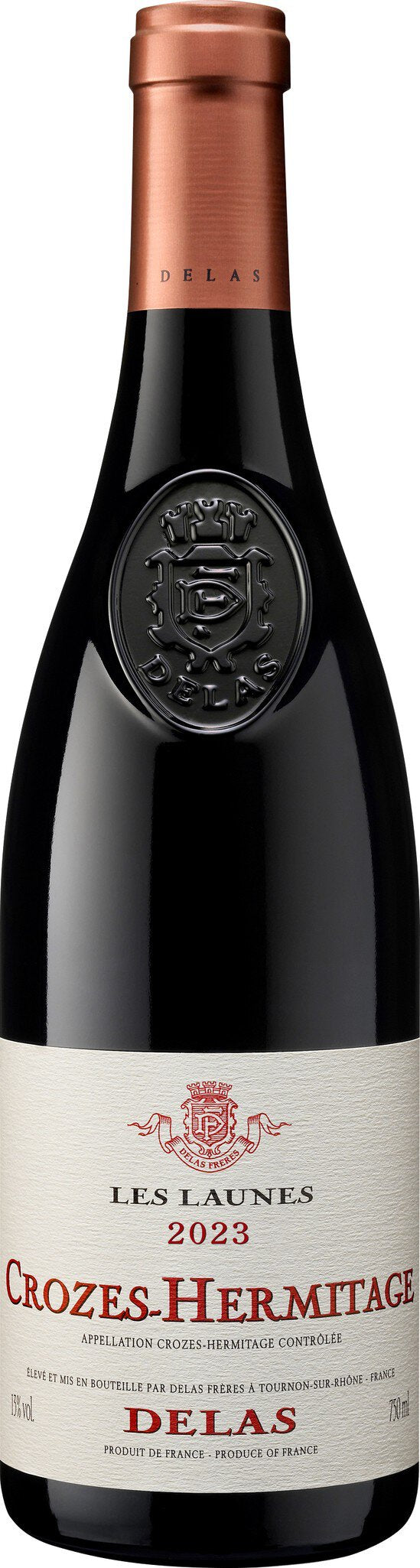
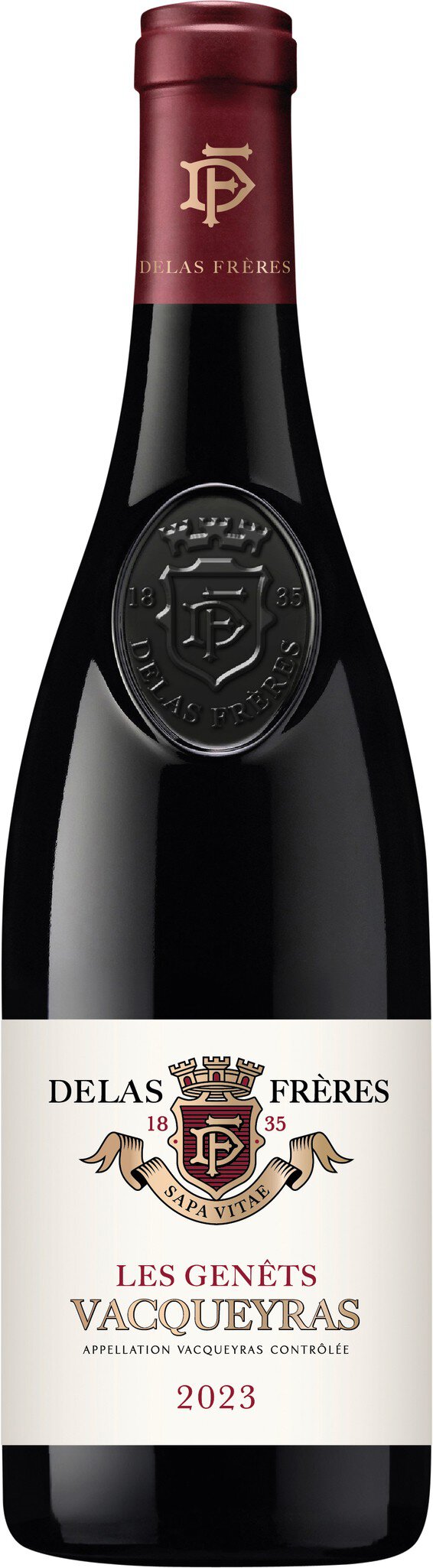
From a Négociant house to the benchmark of the Northern Rhône
The history of Maison Delas Frères began in 1835, when Charles Audibert and Philippe Delas took over an existing trading house in Tain-l'Hermitage that had already been representing the region's winemakers for years. Their shared goal: to capture the extraordinary terroirs of Hermitage and the northern Rhône in bottles. In 1924, Philippe's sons Henri and Florentin gave the house its current name – Maison Delas Frères – and pushed forward the expansion of their own vineyards. In 1977, the Champagne house Deutz joined, and in 1993, the Roederer Group took over the house completely. With Fabrice Rosset as Managing Director and the appointment of Jacques Grange as Technical Director in 1997, a consistent quality offensive began, which made Delas one of the most respected houses in the entire Rhône. In 2020, the new cellar in Tain-l'Hermitage was completed – designed by architect Carl Fredrik Svenstedt and built around the principle of gravity-flow vinification.
Parcel by parcel: Craftsmanship on granite soils
Today, Delas owns 30 hectares of top sites in the northern Rhône, including 10 hectares on the famous Hermitage hill with its steep granite soils. Each parcel is managed individually: vine age, orientation, and specific needs determine the approach. Harvesting is done exclusively by hand, terrace by terrace, and with careful manual selection. Since 2013, the team has been working according to organic principles, without yet seeking certification. In the cellar, Delas relies on parcel-by-parcel fermentation in concrete tanks, which allow for precise temperature control and gentle extraction via gravity. Technical Director Jacques Grange – with a Burgundian background – works together with Cellar Master Marco Beckmann and Vineyard Director Clément Panigai on an approach that prioritizes precision over volume.
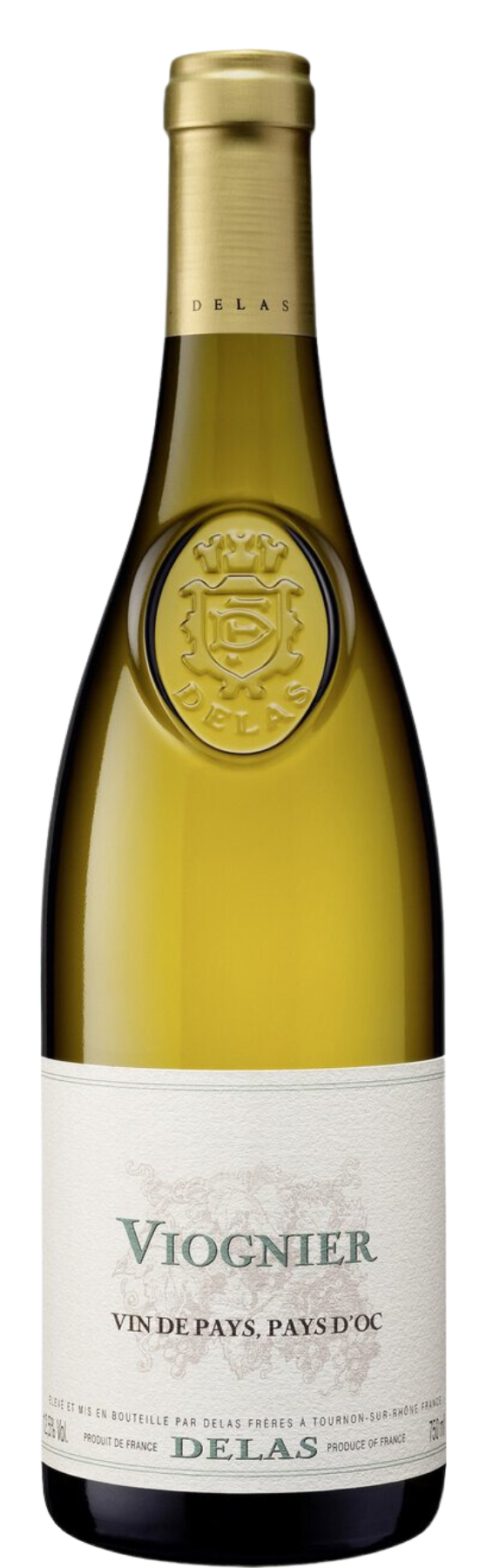
The house's leitmotif: granite soils, low yields, varietal expression. Syrah dominates the red wine portfolio, Viognier the whites from appellations like Condrieu. The naturally acidic, draining granite tames the vine's vitality and concentrates the flavor profile – exactly what distinguishes Delas wines from flatter, alluvial sites.
Style: Elegance over power, terroir over typicity
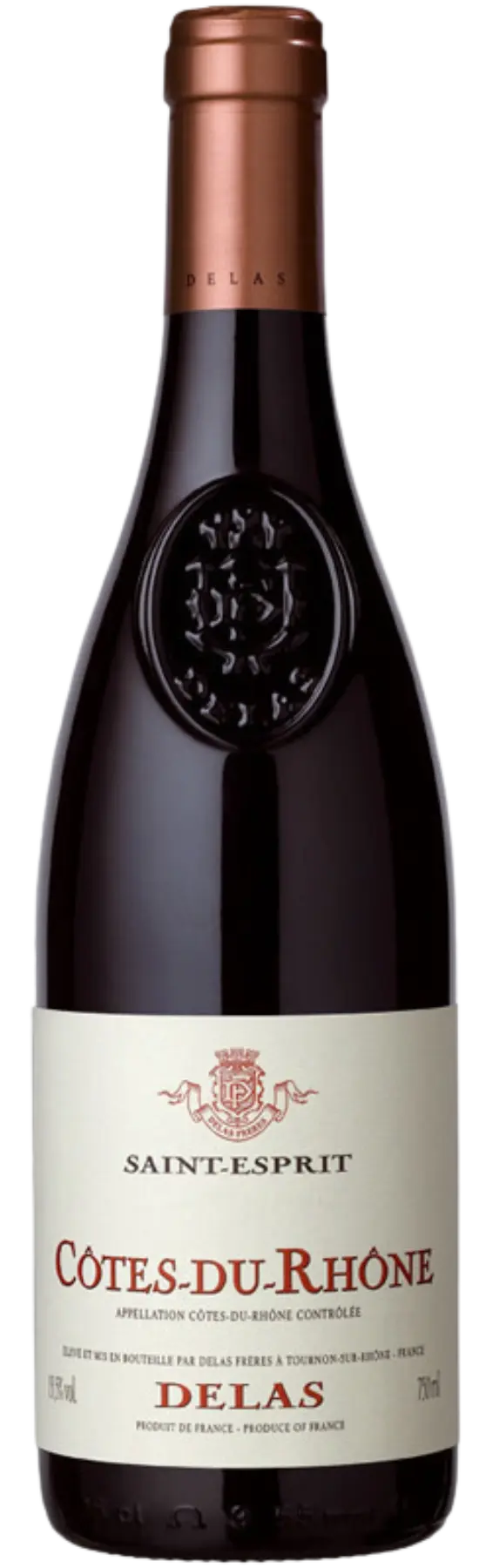
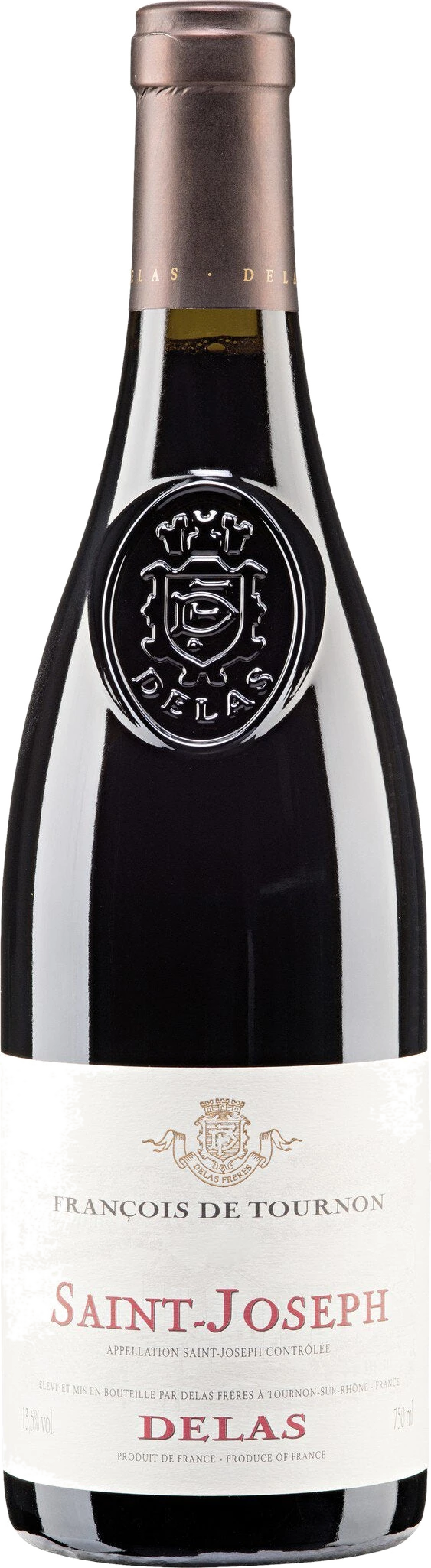
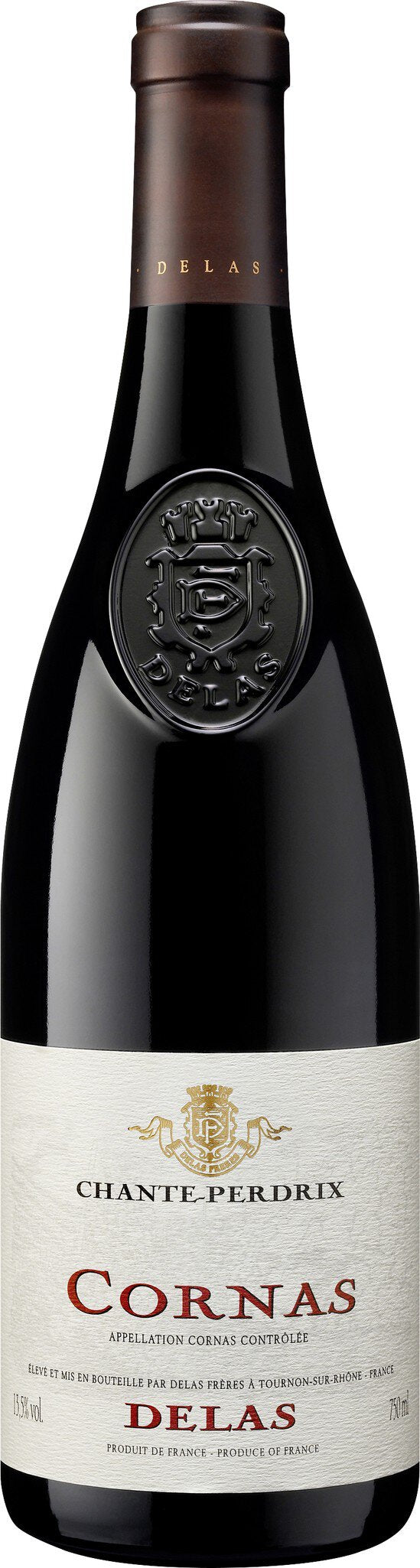
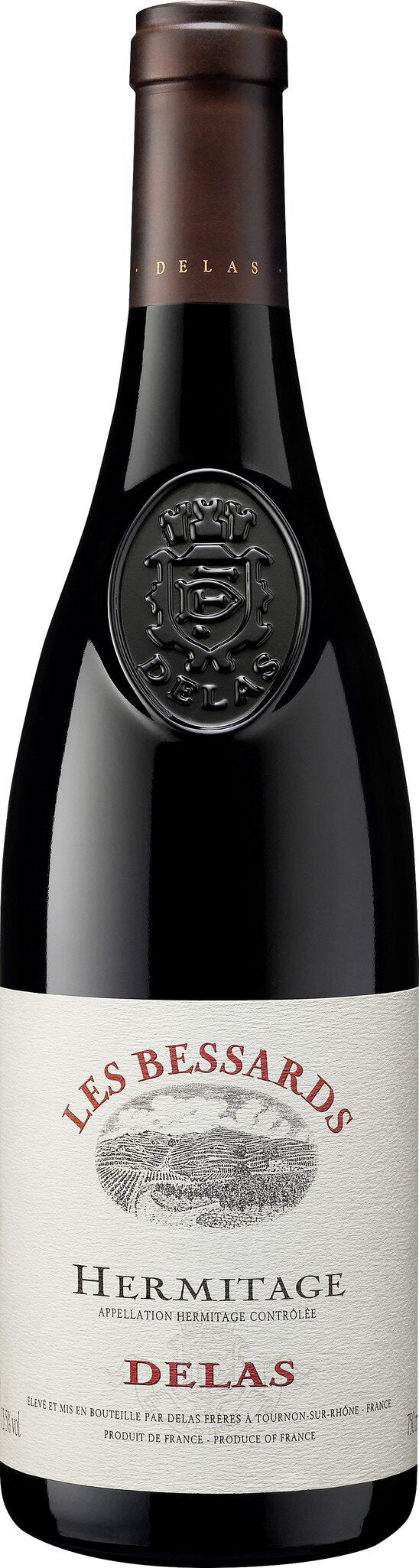
The range spans from accessible Côtes-du-Rhône cuvées to the single-vineyard wines of the Collection Parcellaires – individual sites like Crozes-Hermitage Le Clos or Hermitage Les Bessards, which remain limited to around 5,000 bottles in strong vintages. The wines from Cornas, Saint-Joseph, Condrieu, and Crozes-Hermitage stand for the house principle: freshness and depth over concentrated heaviness, structured tannins instead of opulent fullness. Those who know Delas wines recognize them by their precise arc of acidity, mineral line, and long finish – whether in the entry-level Delas Saint-Esprit or the great Hermitage cuvées.