From apricot picker to the benchmark of the Rhône Valley
Étienne Guigal came to Ampuis, an old village in the heart of the Côte-Rôtie, as a penniless child to harvest fruit. At 14, he found work in the vineyards of Vidal-Fleury, then the largest winery in the Rhône Valley. Over a decade and a half, he worked his way up to Cellar Master before taking the step into self-employment in 1946 – in the midst of post-war poverty – and founding Maison E. Guigal in Ampuis.
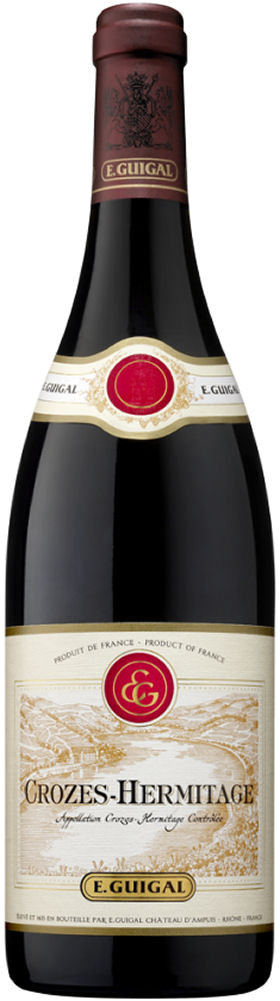
In 1961, the family was struck by a severe blow: Étienne suddenly went blind, and his then 17-year-old son Marcel took over responsibility for the ongoing operations. From this turning point grew one of the most influential partnerships in French viticulture. Marcel led the house into the international top tier and systematically expanded the range: in 1995, he acquired the historic Château d'Ampuis, and in 2001, the Jean-Louis Grippat and Vallouit estates were added, consolidating their presence in Hermitage, Saint-Joseph, and Crozes-Hermitage. Today, Philippe Guigal, Marcel's son and a trained oenologist from the University of Burgundy, manages the winery as the third generation.
Steep slopes, low yields, patient cellar
In the vineyard, Guigal relies on short pruning and strict limitation of the number of shoots per vine – targeted low yields that promote concentration and natural balance. The steep slopes of the Côte-Rôtie, cultivated since Roman times and up to 60 degrees steep, do not allow for mechanical work; every step is done manually. Guigal also continuously renovates parcels that will not be replanted for ten or more years – a clear commitment to long-term, generational thinking. The vineyards are HVE Level 3 certified (Haute Valeur Environnementale); where possible, they are farmed organically.
In the cellar, oak reigns supreme: long maceration times, high extraction control, and extended barrel aging are the heart of the Guigal style. Marcel and Philippe taste together daily in the historic cellars in Ampuis to refine the assemblage and aging step by step. For the prestige cuvées of the Côte-Rôtie – La Mouline, La Landonne, La Turque – this means up to 42 months in new barriques before the wines are released to the market.
Syrah, Viognier, and the full breadth of the Rhône Valley
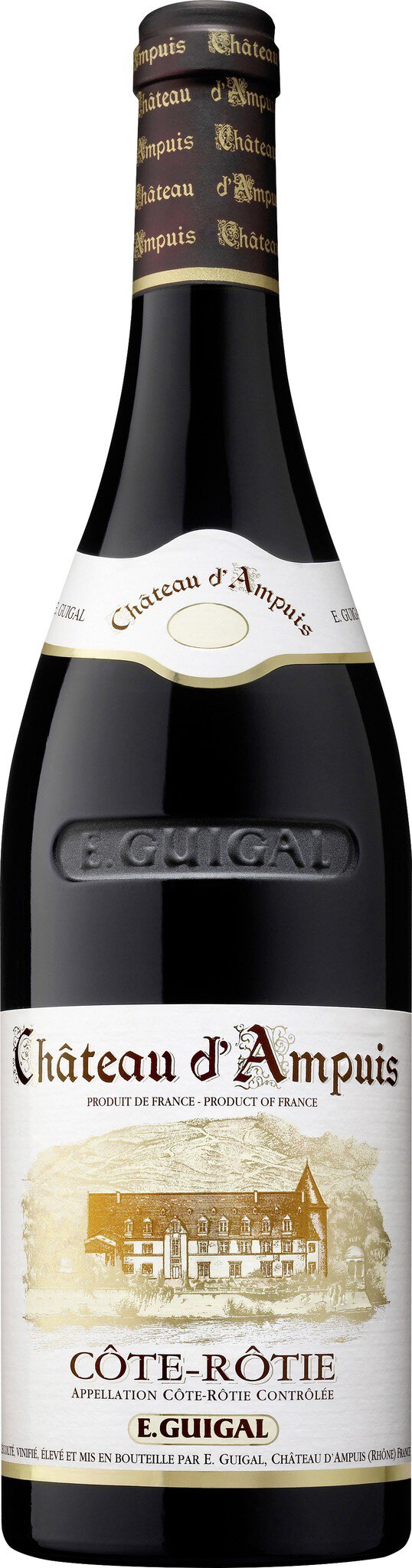
The range spans from accessible Côtes du Rhône in all colors to the rare single-vineyard crus of the Côte-Rôtie. The three legendary wines La Mouline, La Landonne, and La Turque – simply known as "the LaLas" in collector jargon – are considered benchmarks for northern Rhône Syrah: dark fruit, graphite, iron-like minerality, and structure for decades. The Château d'Ampuis, assembled from seven top sites on both sides of the Côte with vines averaging 50 years old, is more accessible and shows how multi-layered Ampuis can be even below the single-vineyard level.
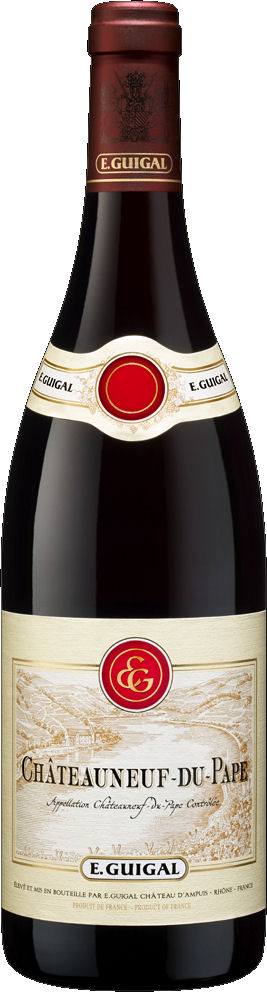
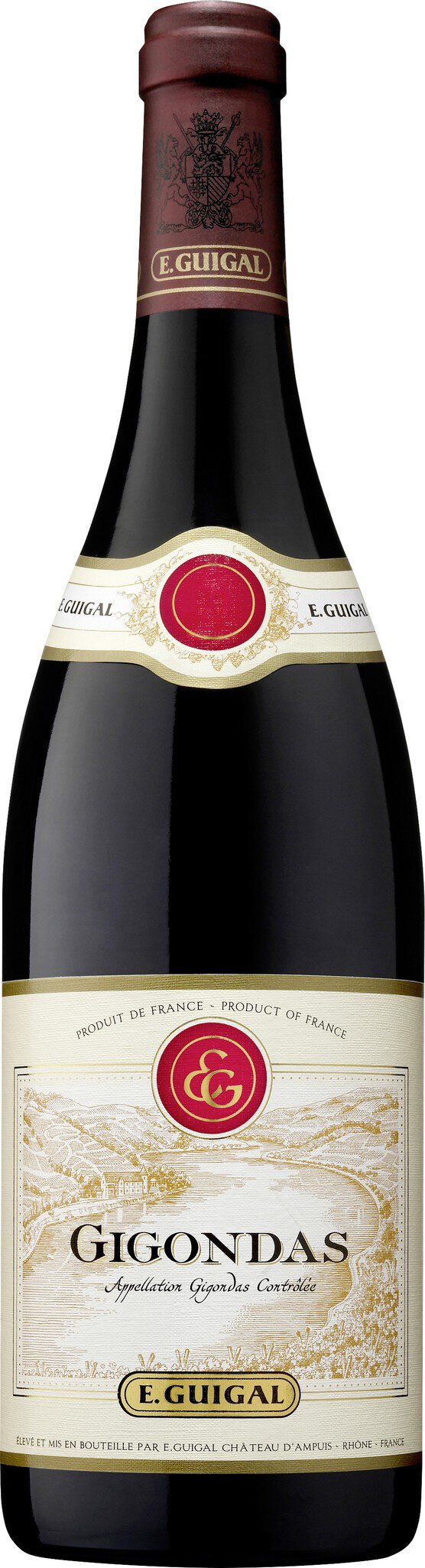
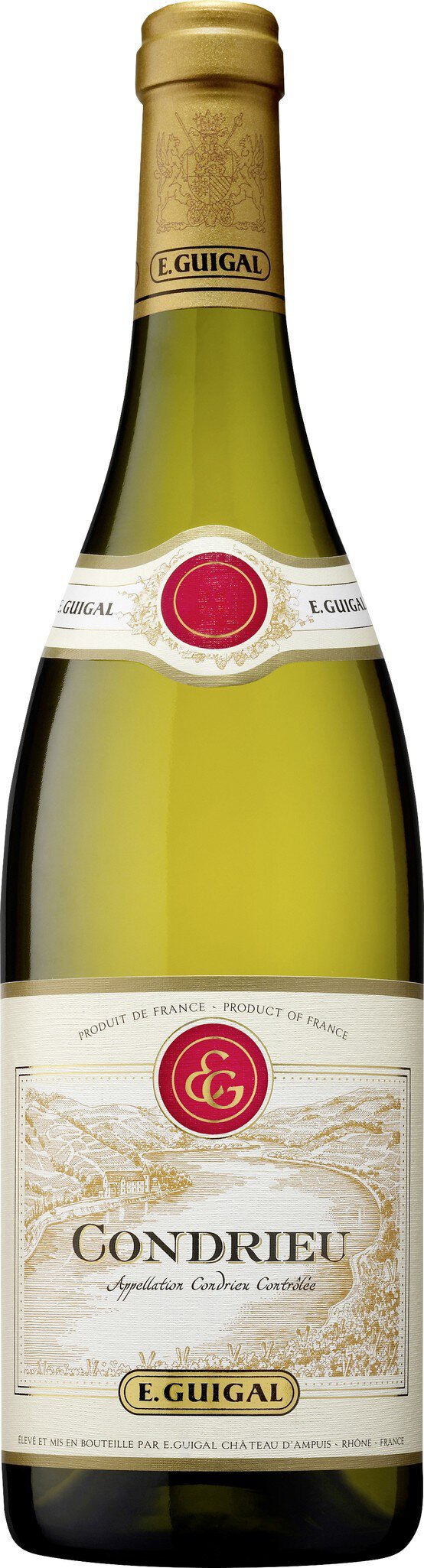
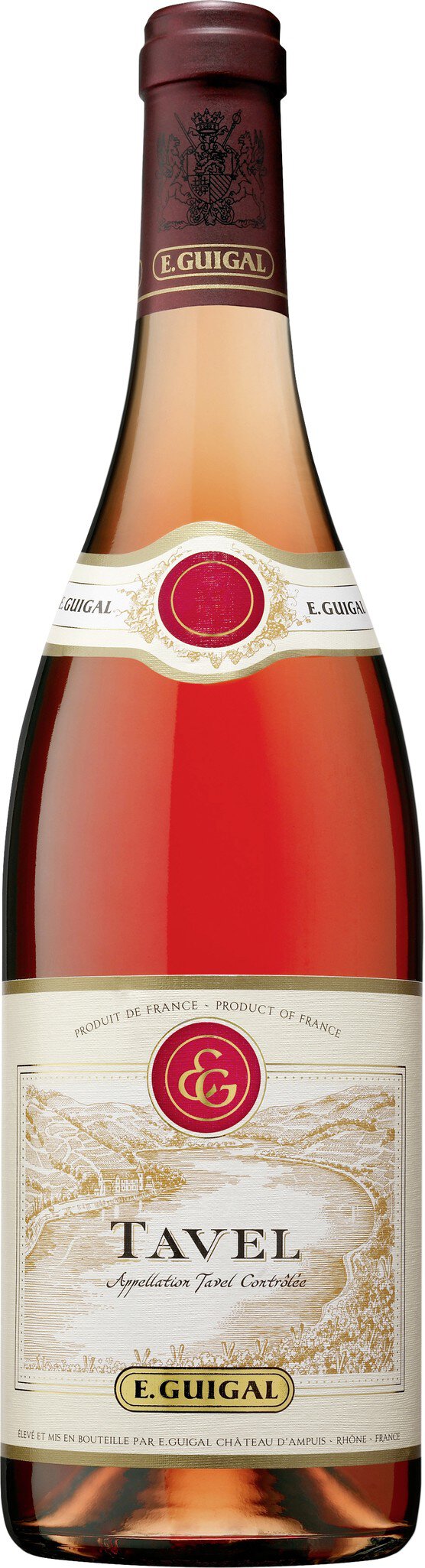
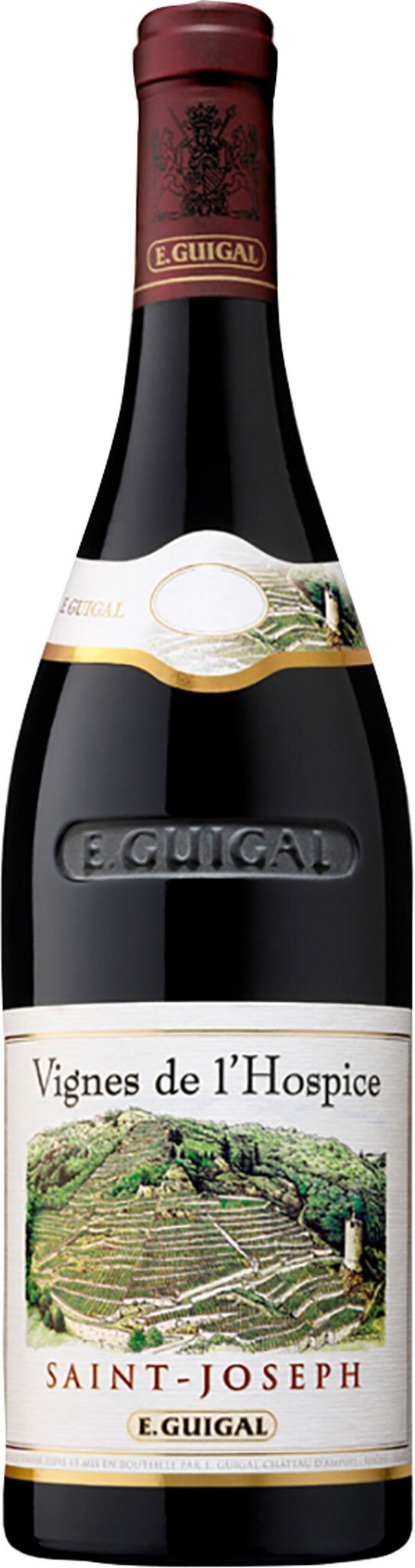
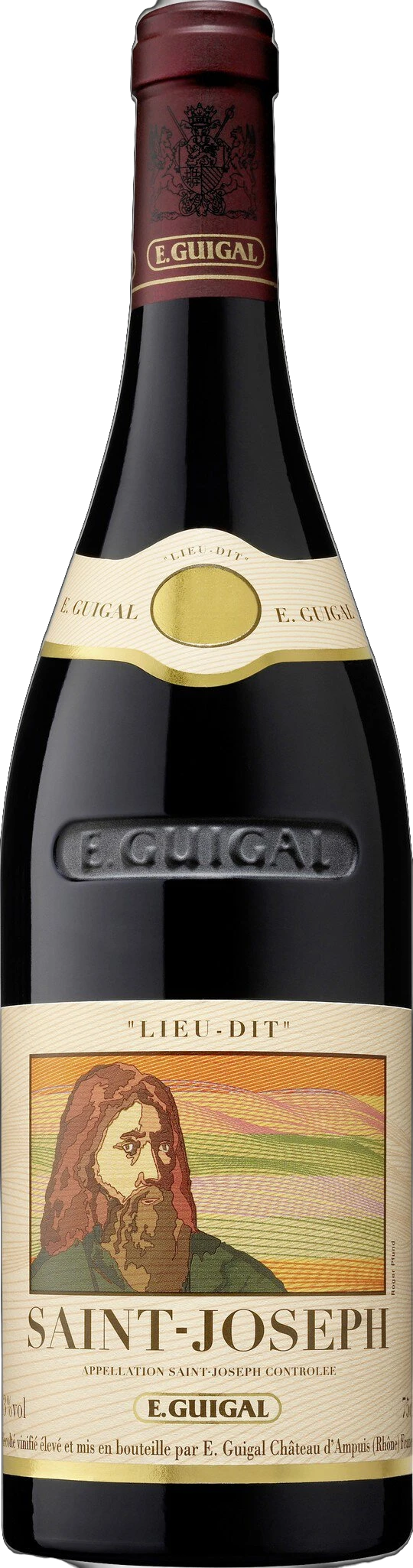
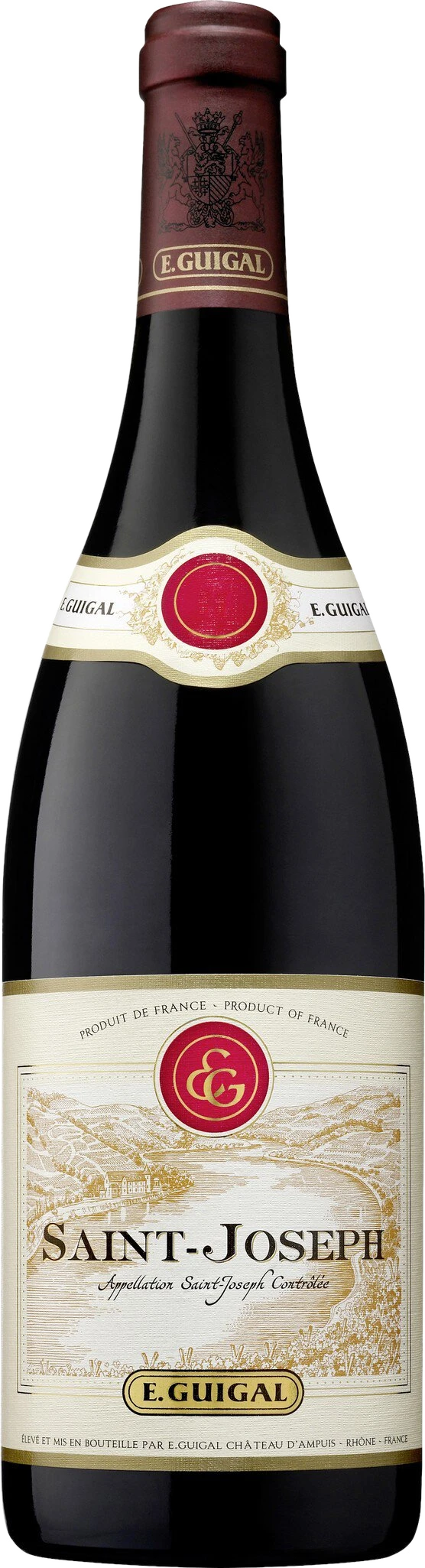
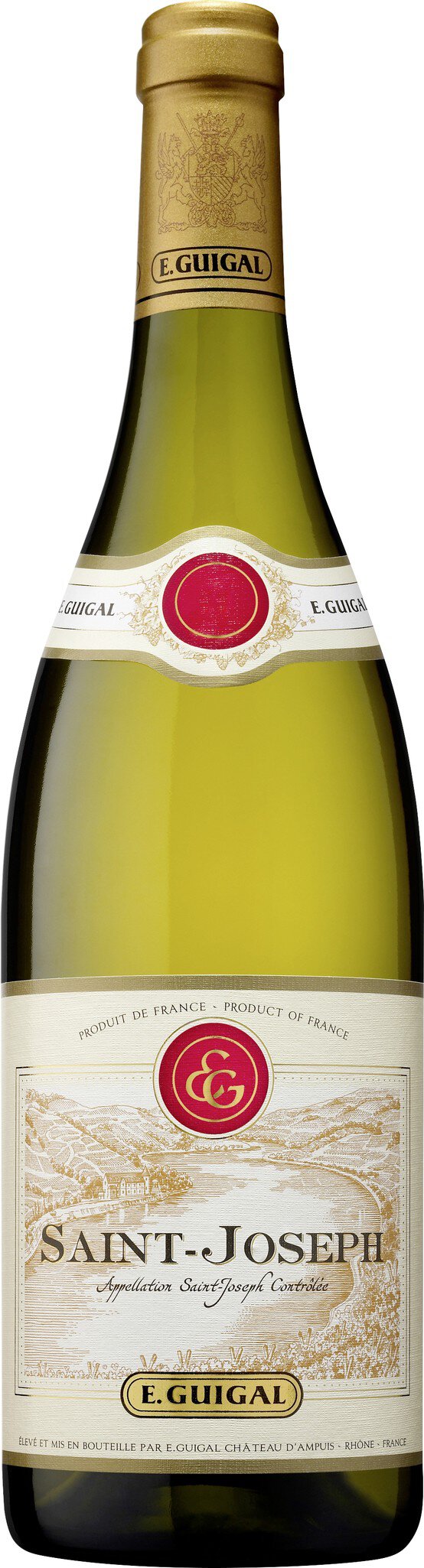
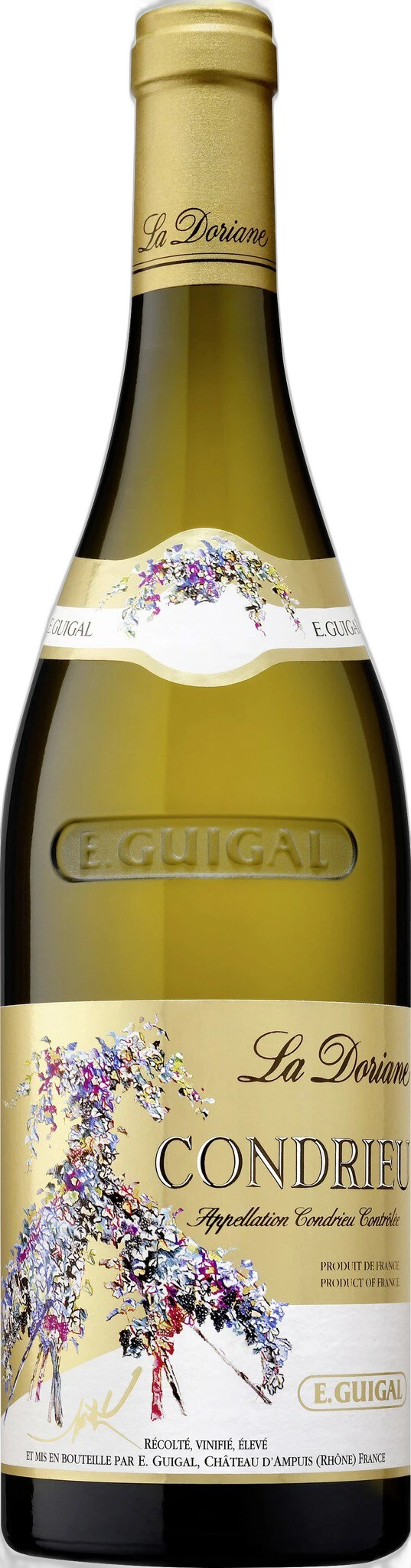
Beyond the Côte-Rôtie, the Condrieu impresses with the power of ripe Viognier fruit from steep granite terraces, and the Saint-Joseph Vigne de l'Hospice with depth and length. In the south – Châteauneuf-du-Pape, Gigondas, Tavel – Guigal translates the same precision into warmer terroir: stony soils, Mediterranean ripeness, and structured rosé wines from Tavel that show more substance than the category average.