From Vaio dei Masi to the reference address for Amarone
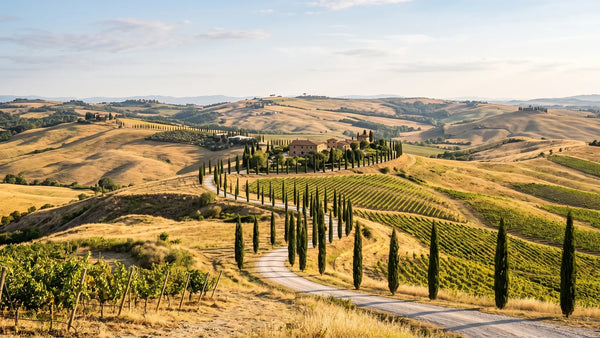
The history of Masi Agricola begins in 1772 with the first harvest of the Boscaini family in a small valley east of Verona: the Vaio dei Masi, the “Little Valley of Masi” in the heart of the Valpolicella Classica near Gargagnago. The family deliberately did not give their wines their own family name, but the name of this valley — a decision that placed the focus on the local connection from the very beginning. Six and seven generations later, Sandro Boscaini as president and his son Raffaele as coordinator of the Masi Technical Group lead the winery in direct family succession. In 1958, Masi was one of the first estates to identify historic single vineyards for Amarone, laying the foundation for today's Cru thinking in the appellation. Since 1973, the house has had a partnership with the Conti Serego Alighieri, descendants of the poet Dante Alighieri, whose winery in Gargagnago dates back to the year 1353.
Appassimento as a craft and subject of research
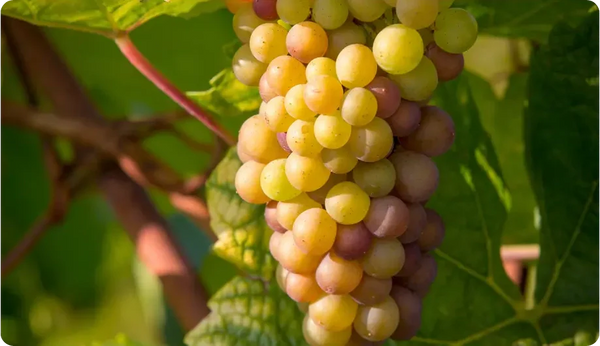
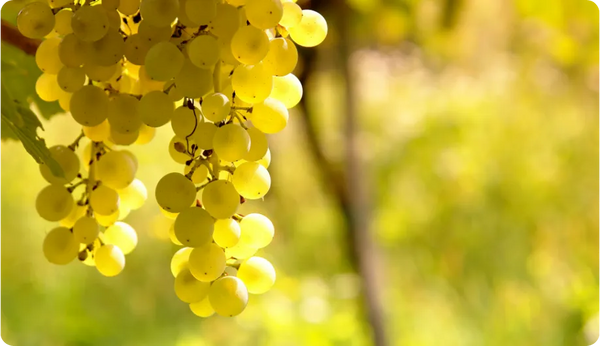
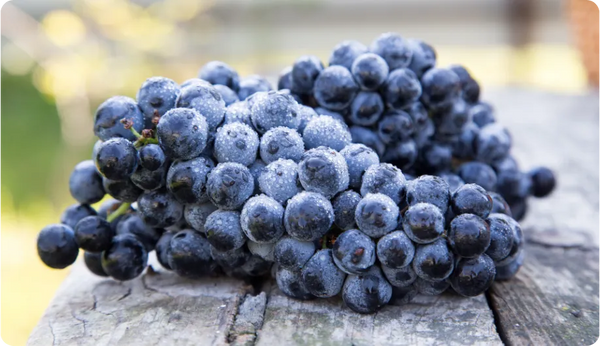
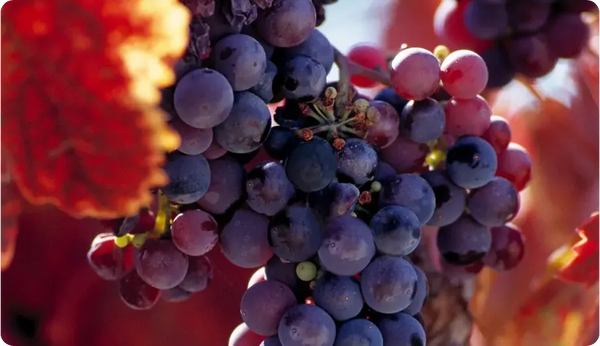
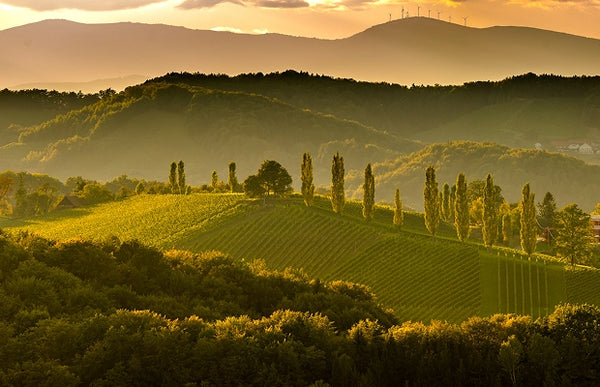
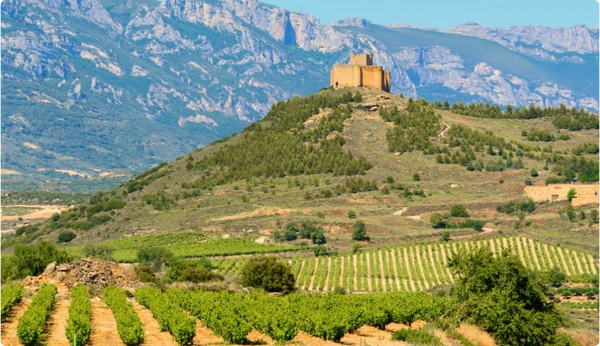
The Valpolicella Classica lies between Verona and Lake Garda, protected to the north by the Lessini Mountains and the Dolomites. The indigenous varieties Corvina, Rondinella, and Molinara — the backbone of all Masi red wines — grow on soils of limestone, clay, and volcanic rock. What has shaped the house for generations is the consistent focus on Appassimento: after the harvest, the grapes are stored in special drying rooms until they have lost 35 to 40 percent of their weight before they are pressed. This concentration is the prerequisite for the extract depth and the characteristic bitter almond note that mark Masi's Amarone. In the 1980s, the in-house Masi Technical Group was founded, which has since worked systematically on Appassimento processes, vinification technology, and the preservation of rare grape varieties — including Oseleta, an almost vanished local variety that Masi rediscovered and incorporated into cuvées. In cultivation, the estate relies on natural fertilizers and the targeted, reduced use of pesticides.
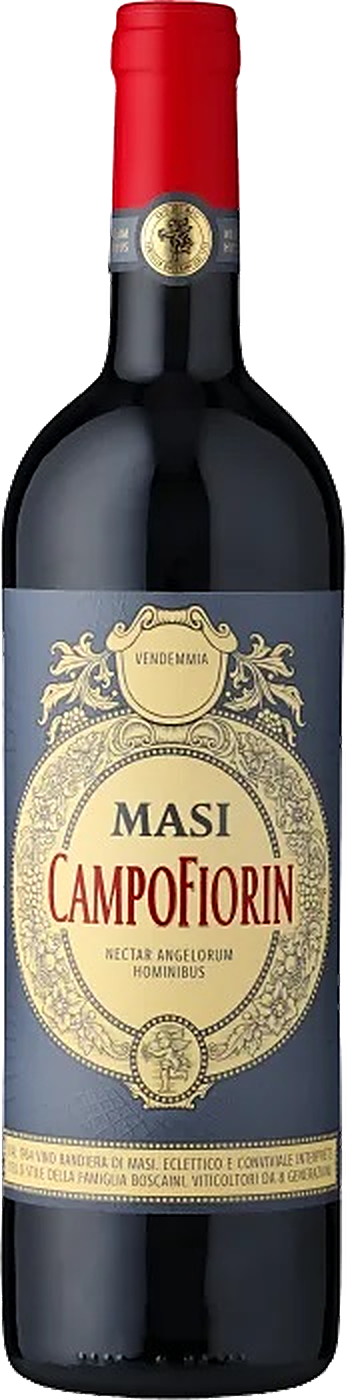
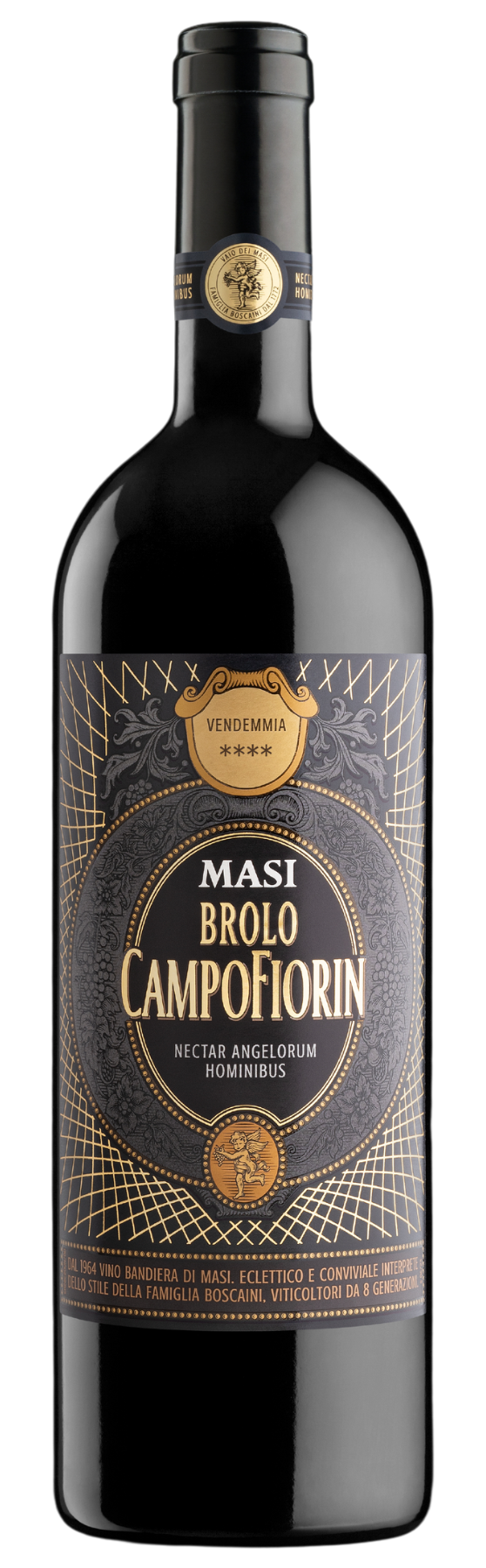
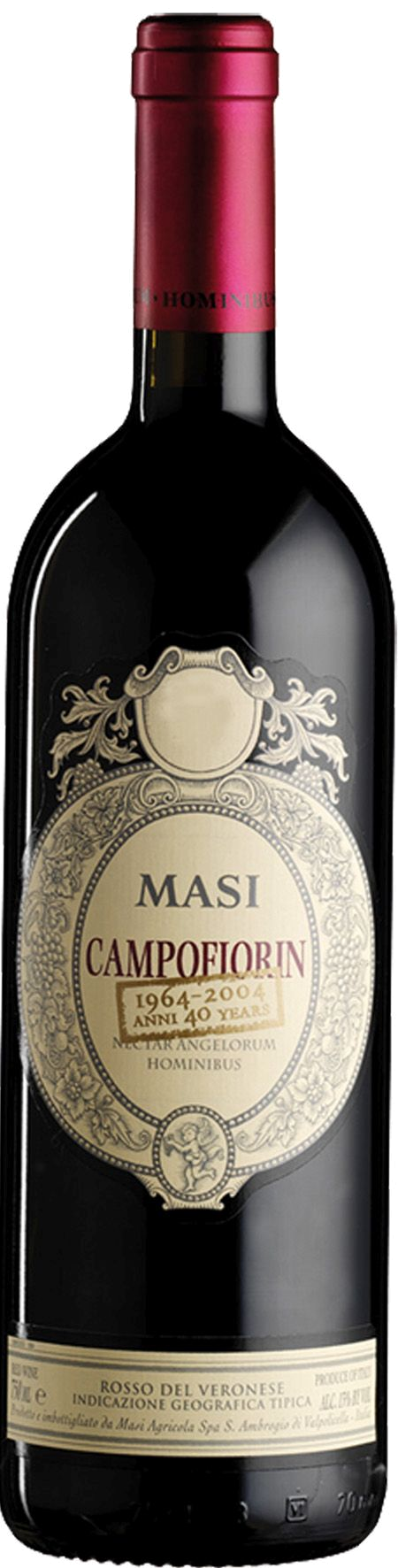
In 1964, Guido Boscaini introduced a previously unknown wine category with the Campofiorin: a double fermentation in which Valpolicella base wine is fermented again on semi-dried grapes of the same indigenous varieties. The process is now considered the prototype of the Ripasso style. The Masi Technical Group has continuously developed it since then — Campofiorin no longer ferments on Amarone pomace, but exclusively on freshly semi-dried grapes.
Costasera, Campofiorin, and the logic of the long finish
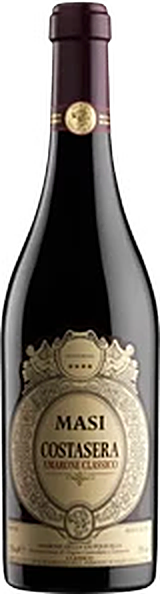
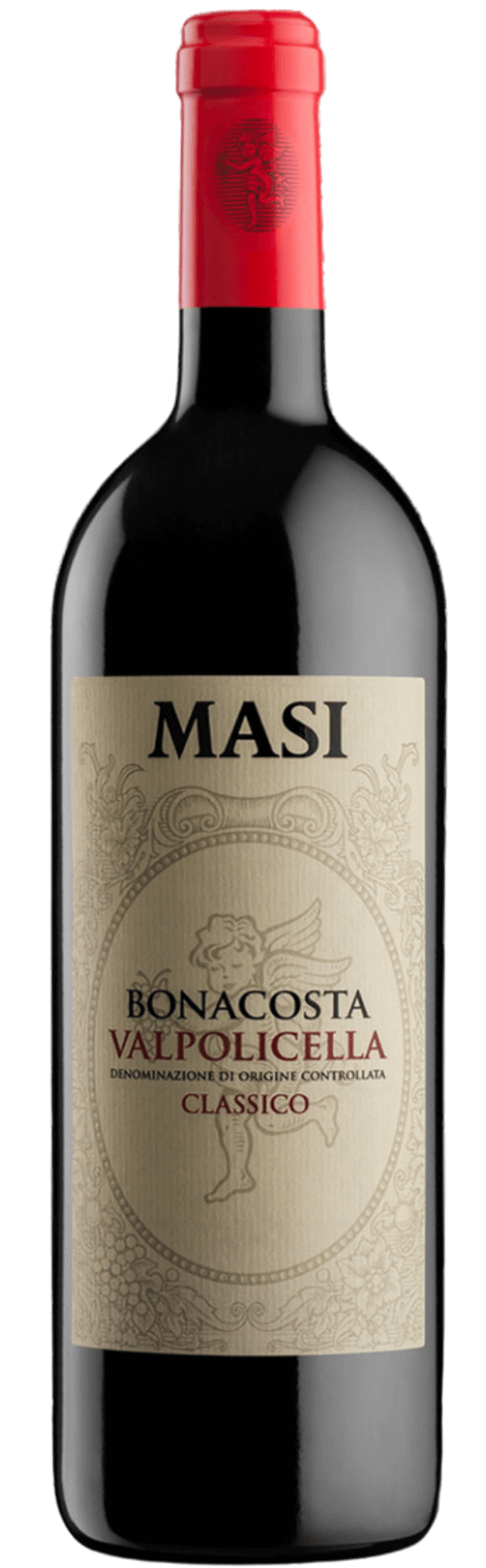
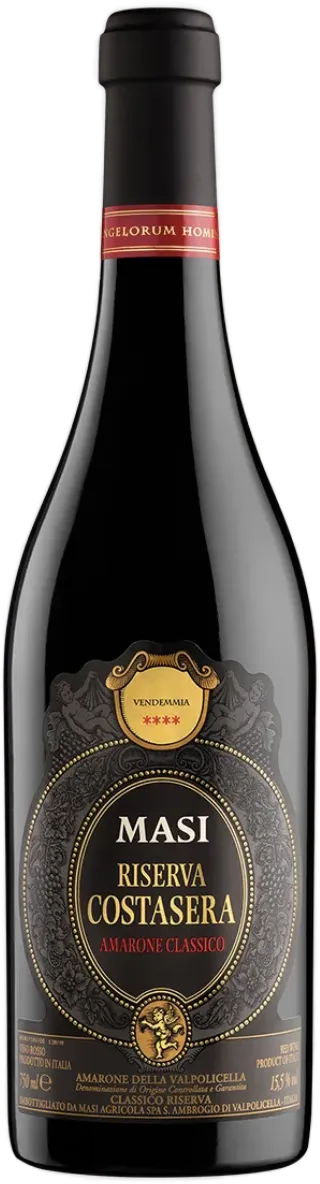
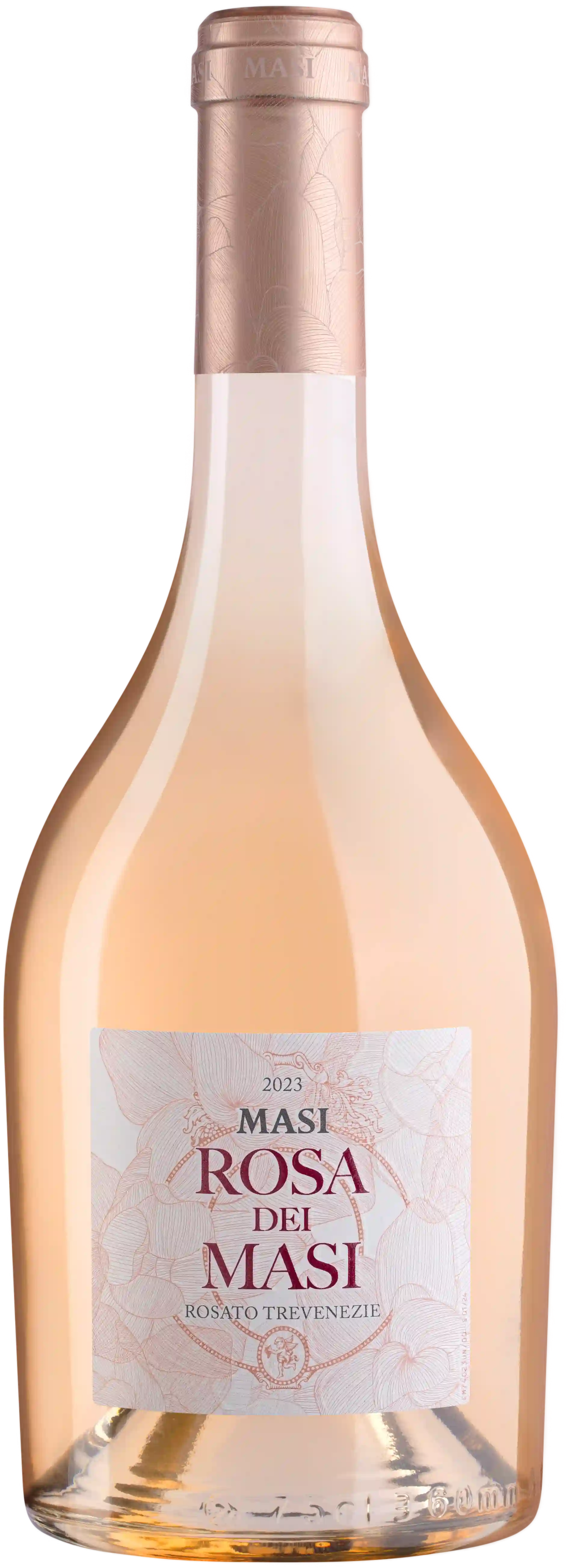
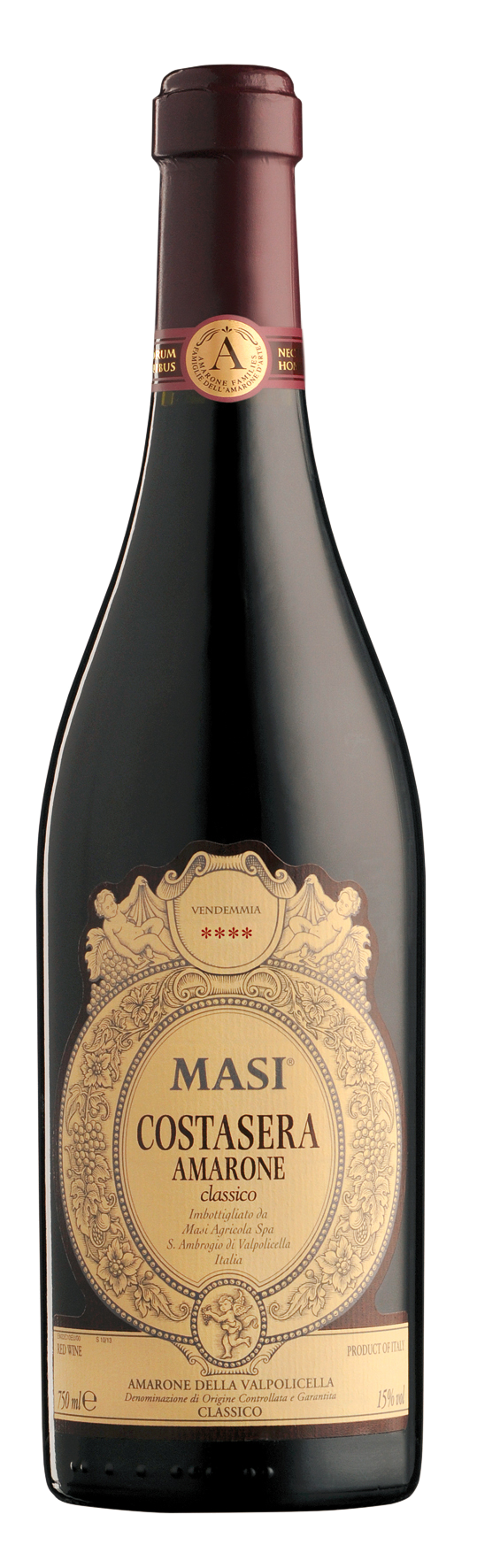
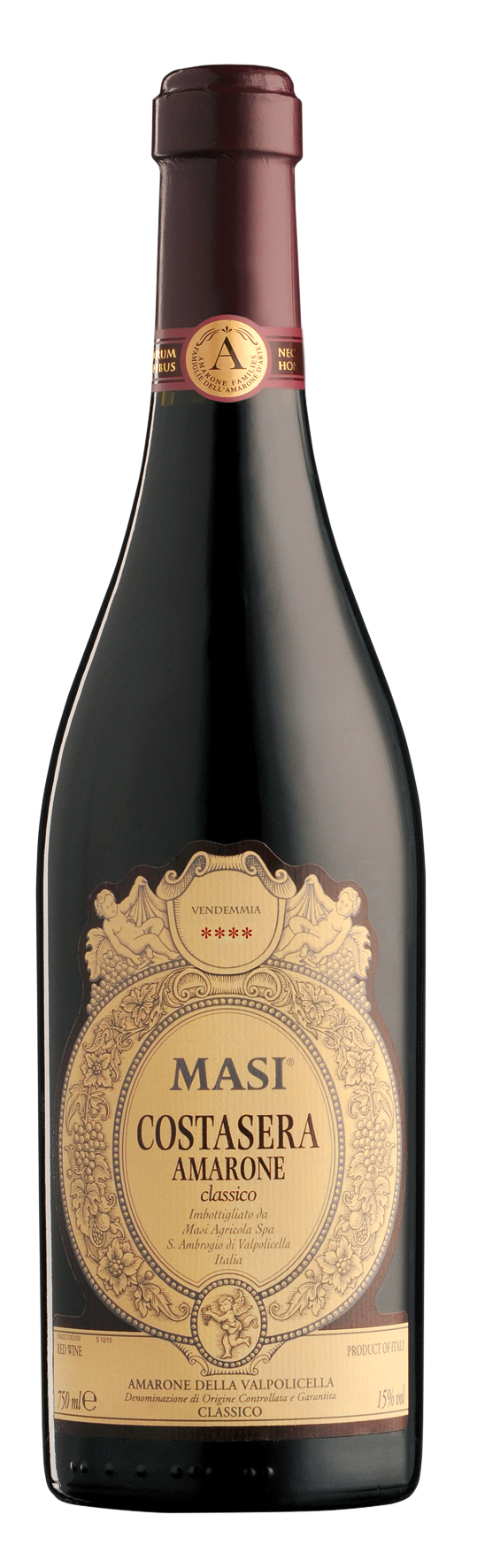
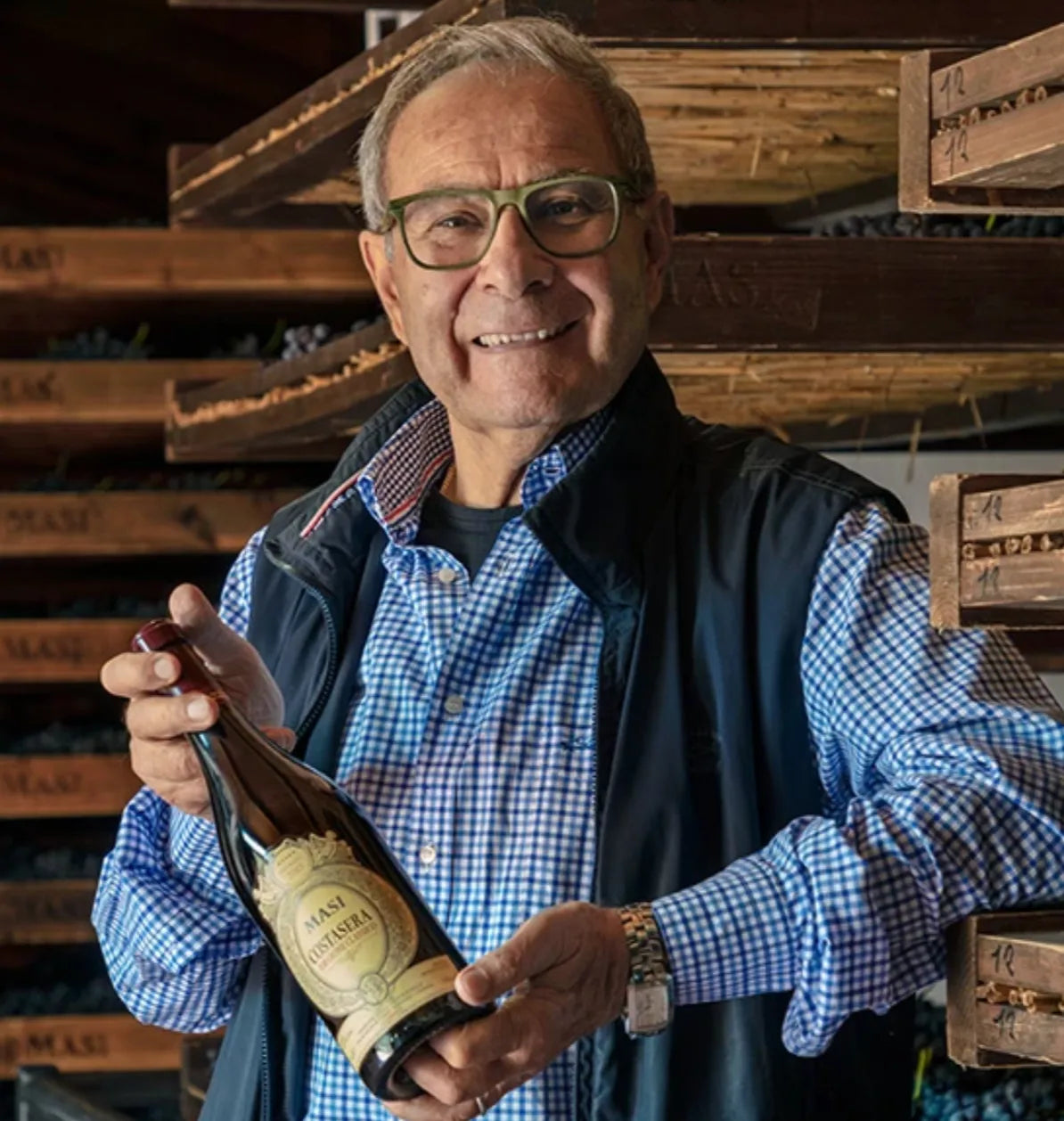
Masi's range spans from the accessible Valpolicella Classico to the Campofiorin and several Amarone cuvées. The Costasera Amarone della Valpolicella Classico is the best-known entry into the house's Amarone world: dark berry fruit, plum, a hint of coffee and cocoa, plus the variety-typical bitter almond note in the finish left by the Appassimento. The Riserva variant undergoes an extended drying phase and matures for at least three years in cherry wood barrels — a material that gives the wine an additional aromatic layer. The Cru Amarones Mazzano and Campolongo di Torbe are produced only in the best vintages and are designed for aging of 20 years and more. The Campofiorin, which stylistically moves between a lively Valpolicella and the Amarone, shows red and black fruit with a fine spice and remains more suitable for everyday drinking due to its structure. The house's wines pair well with braised roasts, game birds, duck breast, or strongly aged cheeses such as Parmigiano Reggiano or Pecorino.