From the tavern in Soave to a pioneering role in Amarone
The history of Cantina Bolla begins in 1883 in Soave, east of Verona, where Abele Bolla grew up in the family-owned tavern "Al Gambero" and developed a passion for local white wines at an early age. What began as a passion quickly became a craft: Bolla started supplying Garganega wines to surrounding taverns until the business reached as far as Venice. In 1883, he laid the foundation for one of Italy's most famous wineries. His son Alberto continued the business and, in the 1930s, recognized the potential of the red hills west of Verona: in 1931, the family opened a winery in Pedemonte, in the heart of Valpolicella Classica. There, the production of Recioto and Valpolicella red wines began — and laid the groundwork for a historic moment: in 1953, Bolla was one of the first wineries to bring Amarone to the commercial market. Until then, this dry red wine made from fully fermented Recioto grapes was at most a local insider tip. Bolla recognized its character, refined the technique, and made it an international benchmark. Today, the company is based in San Pietro in Cariano, one of the five classic municipalities of Valpolicella Classica, and belongs to the Gruppo Italiano Vini.
Appassimento, terroir, and the legacy of the Cantina del Nonno
The work in the vineyard and cellar follows a clear principle: traditional methods, precisely implemented. At the center is the appassimento technique — harvested grapes from the vineyards of Negrar, Marano, and Sant'Ambrogio di Valpolicella are stored for up to 120 days in specially ventilated drying rooms before they are pressed and fermented. The result is an extraordinary concentration of aromas and texture. After fermentation in steel tanks, the Amarone matures in French and American oak barriques as well as in large wooden barrels. In the historic cellar of the Cantina del Nonno, Slavonian oak barrels from the founding year 1883 still stand today — a rare testament to continuity. For white wines, Bolla relies on Garganega grapes that grow on the volcanic soils of Soave and give Soave Classico its characteristic minerality and fresh acidity. The grape varieties Corvina, Corvinone, Rondinella, and Molinara are at the heart of red wine production — autochthonous varieties that the house has cultivated for decades and whose characteristics it knows down to the last detail.
A range that tells the story of the entire Valpolicella
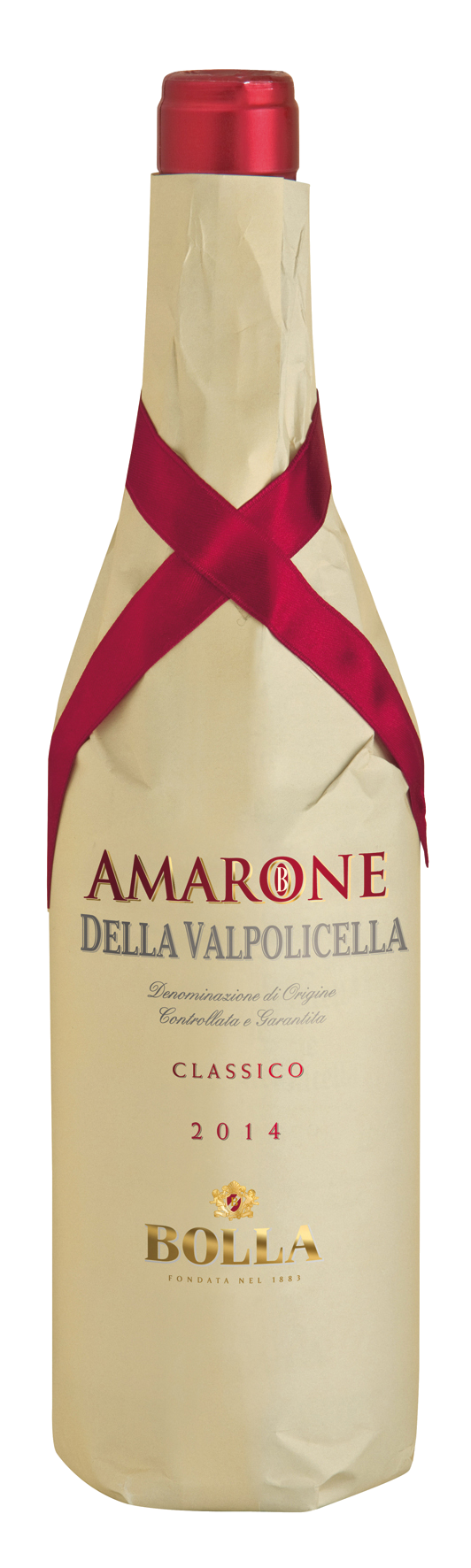
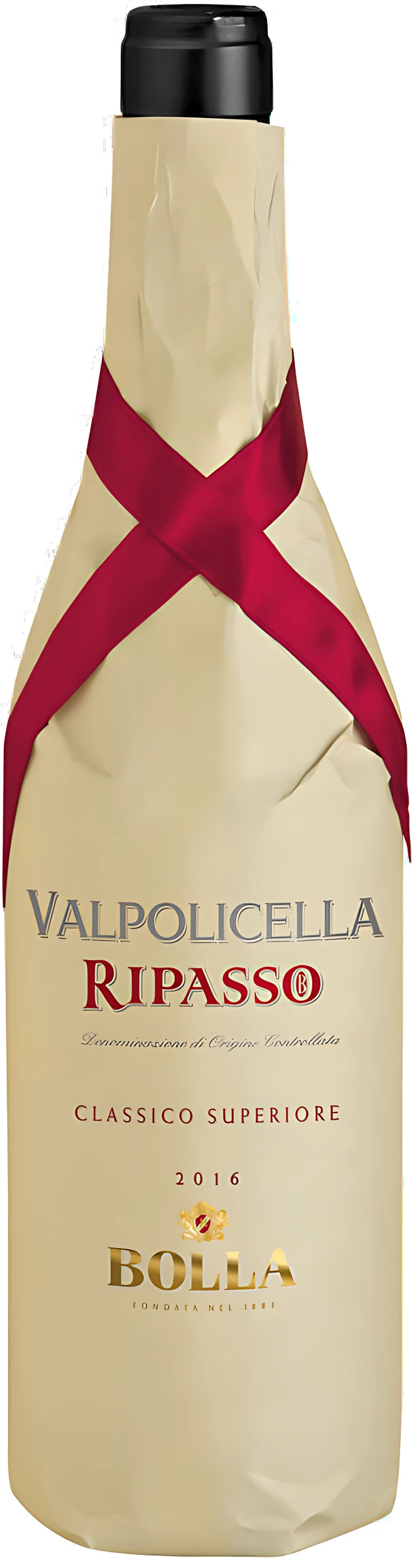
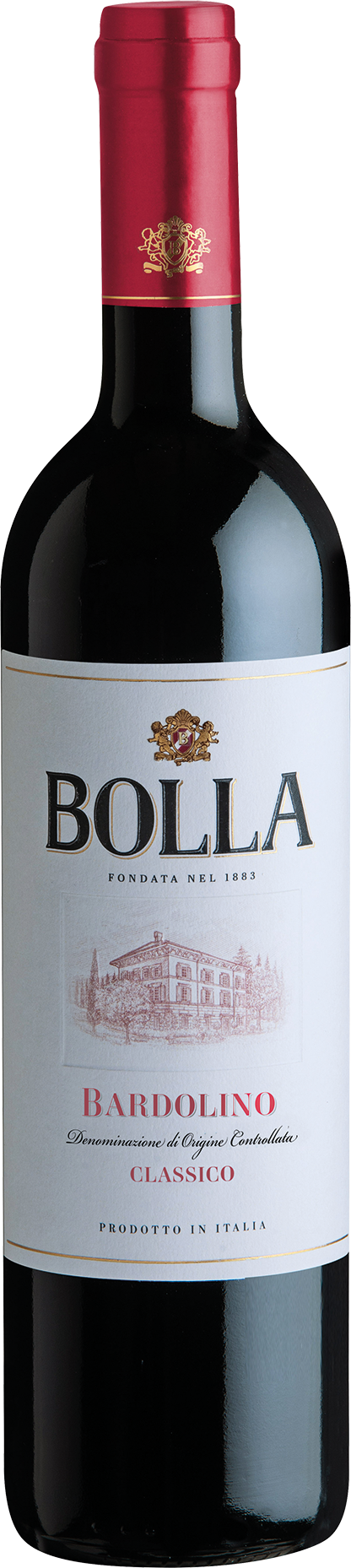
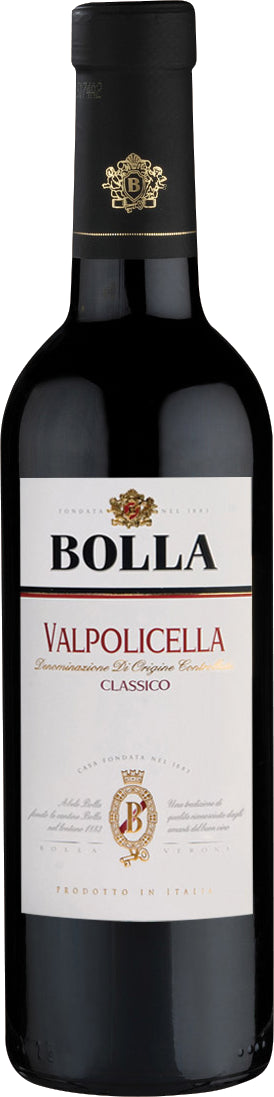
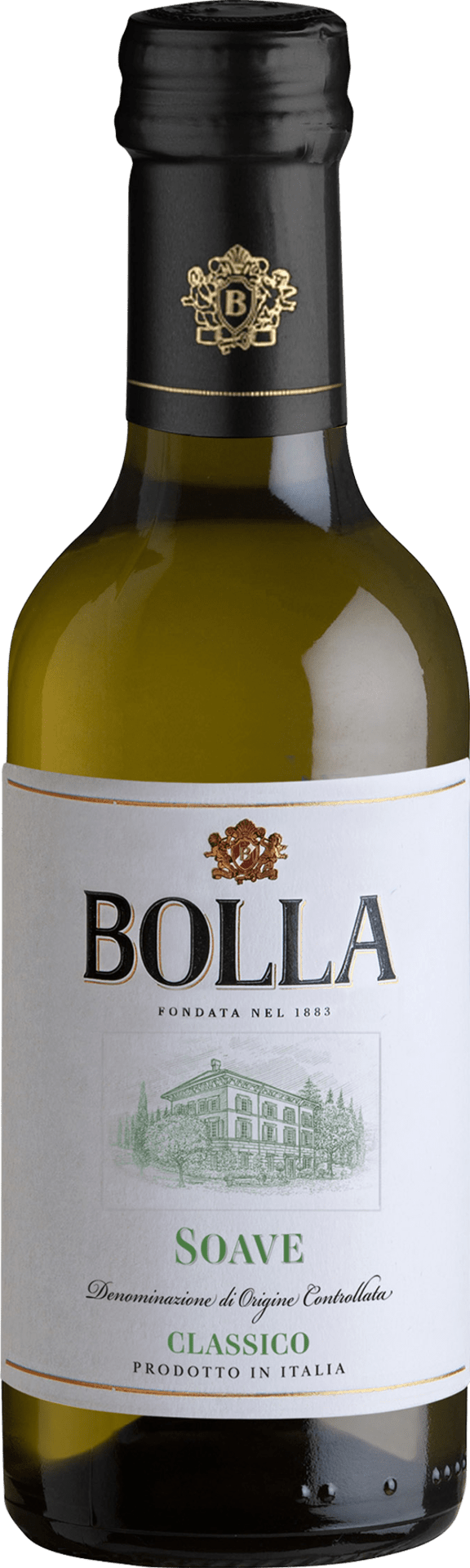
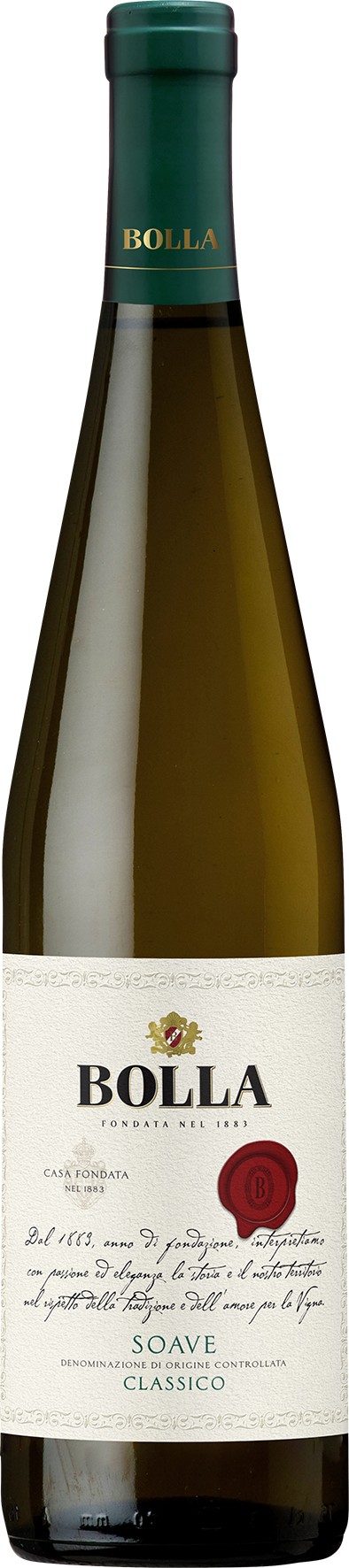
The centerpiece of the range is the Amarone della Valpolicella Classico — a deep, full-bodied glass with notes of dark cherry, dried fig, cocoa, and a hint of cedar wood. Velvety, ripe tannins and a long finish make it the ideal accompaniment to braised meat, game poultry, or mature hard cheese. The Valpolicella Ripasso DOC Classico Superiore uses a second contact with Amarone pomace, which gives the wine additional body, depth, and warmth — a bridge wine between the lightness of Valpolicella and the opulence of Amarone. The Valpolicella DOC Classico in the half-bottle is the house's uncomplicated representative: fruity and spicy, with the typical cherry note of the Corvina, a reliable companion at the table as well. On the white side is the Soave DOC Classico, whose Garganega fruit comes from the volcanic hills east of Verona and shows fresh almond and citrus notes in the glass. Finally, the Bardolino DOC Classico builds a bridge to Lake Garda — light, bright-fruited, made for warm evenings. Anyone who gets to know the Bolla range gets an overview of what the Veneto has to offer in its classic form.