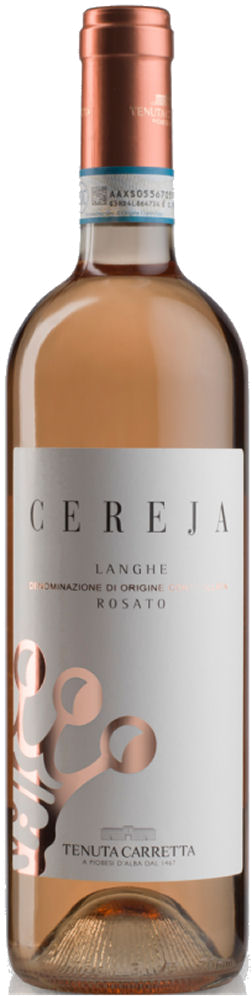
Cereja Langhe Rosato

Cereja Langhe Rosato
Nutritional values per 100 ml
Legal & trade information
Reviews
Werner S.
Simply perfect ??
Translated from German
Log in to review this product.

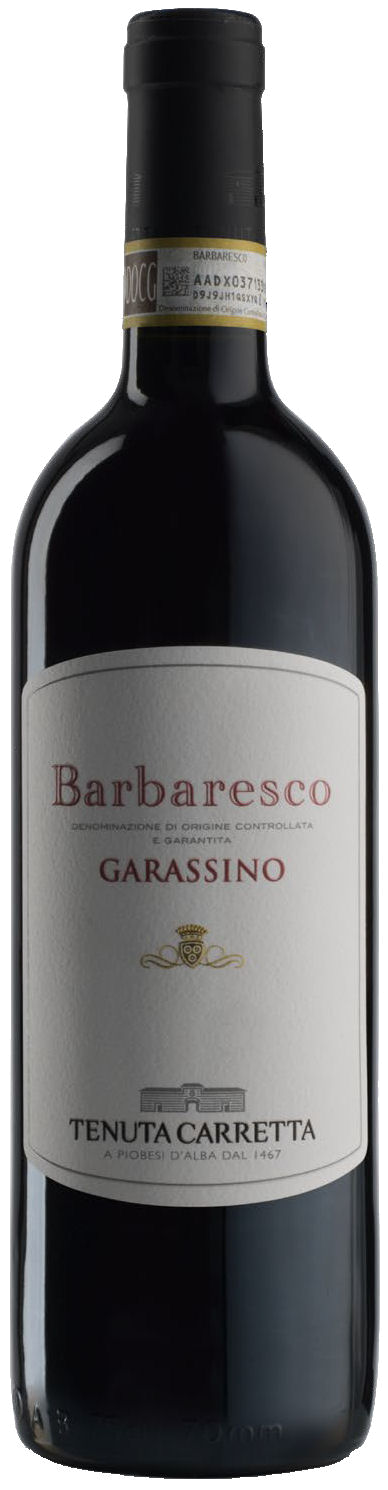
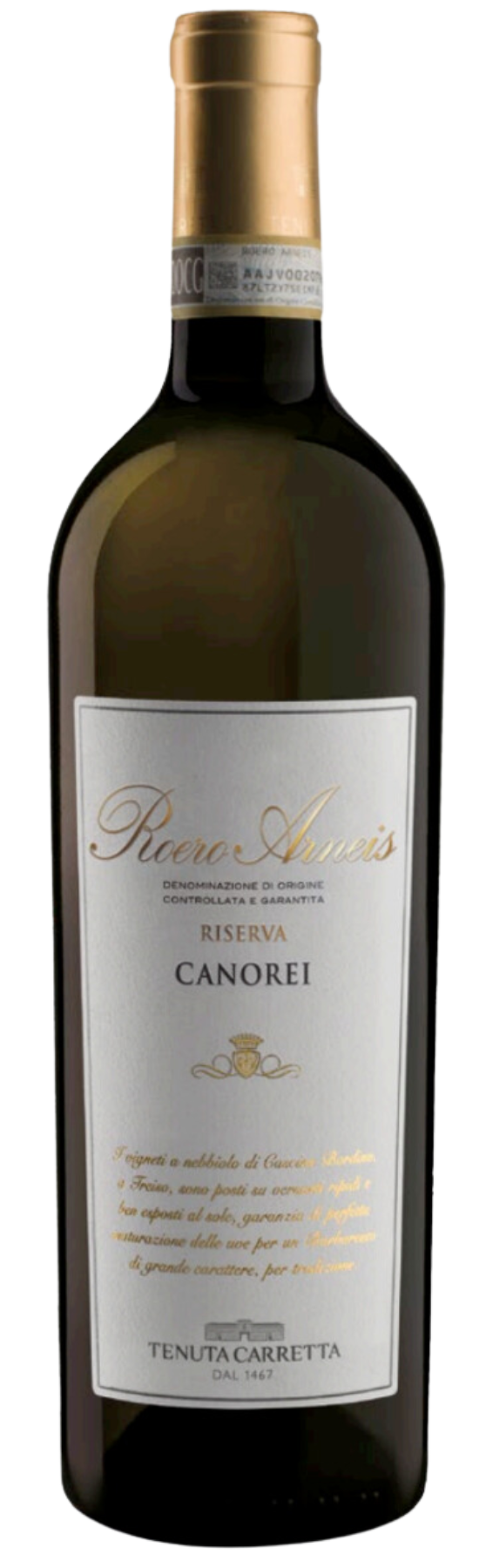
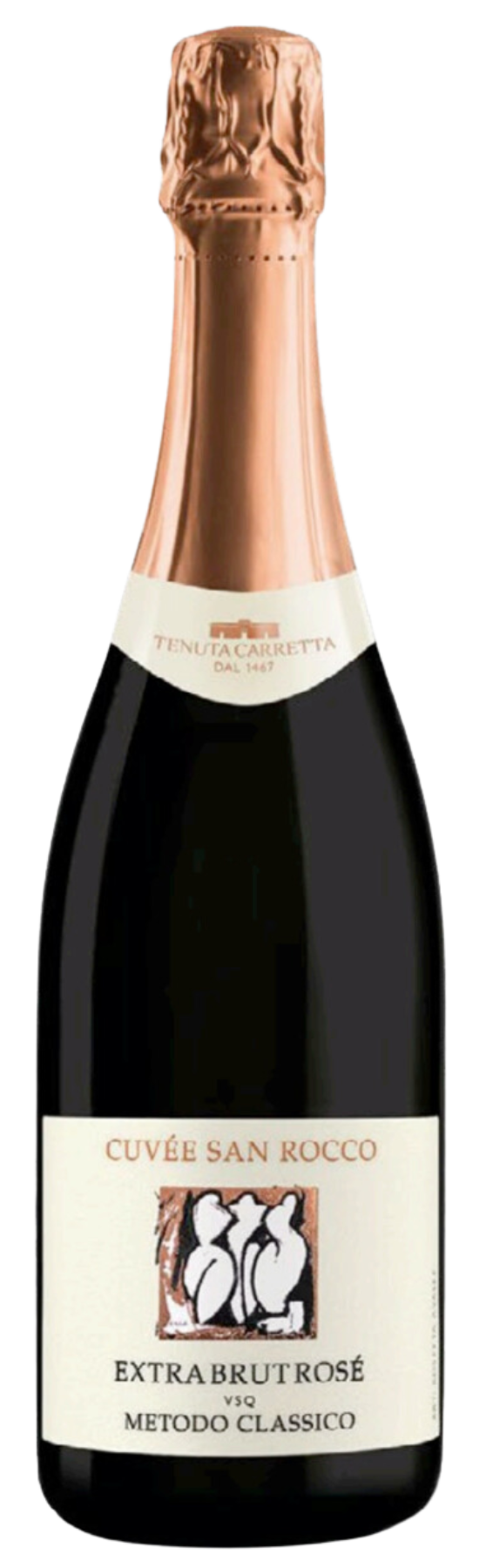
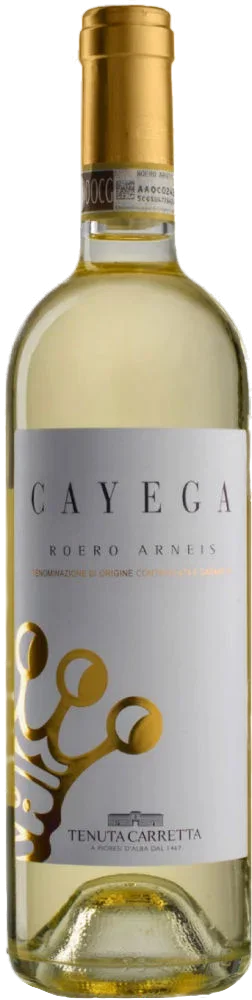
Tenuta Carretta is a winery that can look back on a long history. But above all, it is a winery where people pursue one goal together: to produce high-quality wines. The winery is located in the southern Piedmont, in Piobesi d'Alba in Roero. The vineyards cover approx. 80 hectares and are located in the Langhe-Roero and Monferrato wine-growing regions, which are part of the UNESCO World Heritage. The name Carretta can probably be traced back to an Albanian noblewoman who lived in the area in the 14th century and who was probably the 1st owner of the estate. However, the actual history of the winery begins in 1467, when a kind of lease agreement was concluded for the purpose of viticulture on the estate's land.
Piobesi d'Albatenutacarretta.it
More from Tenuta Carretta

James Suckling Award 2021
Awarded by James Suckling
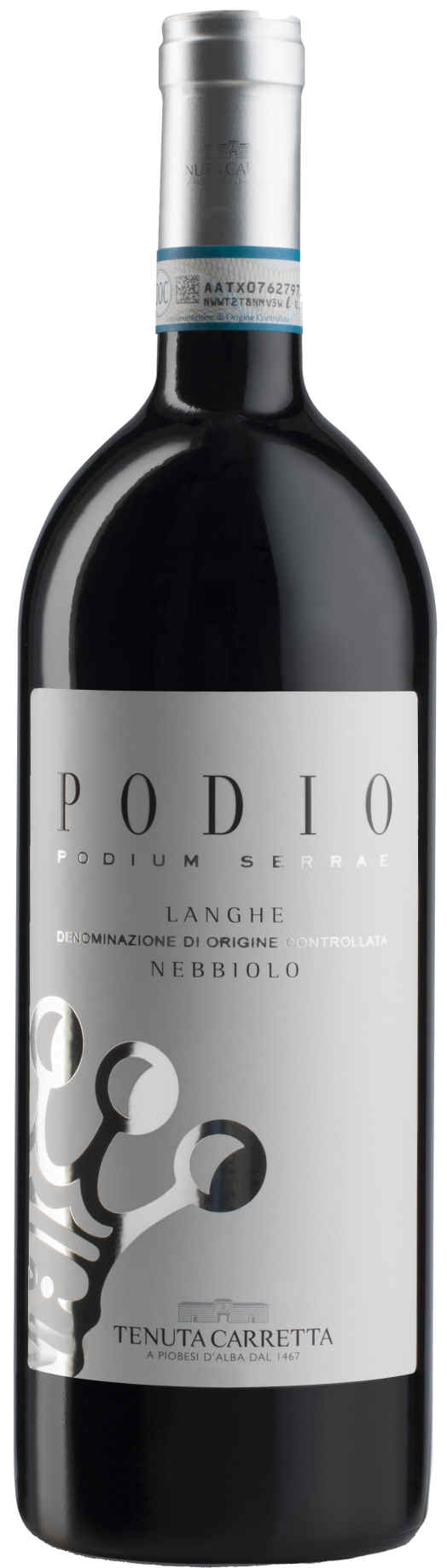
Vinum-eu Rating 2021
Awarded by Vinum-eu
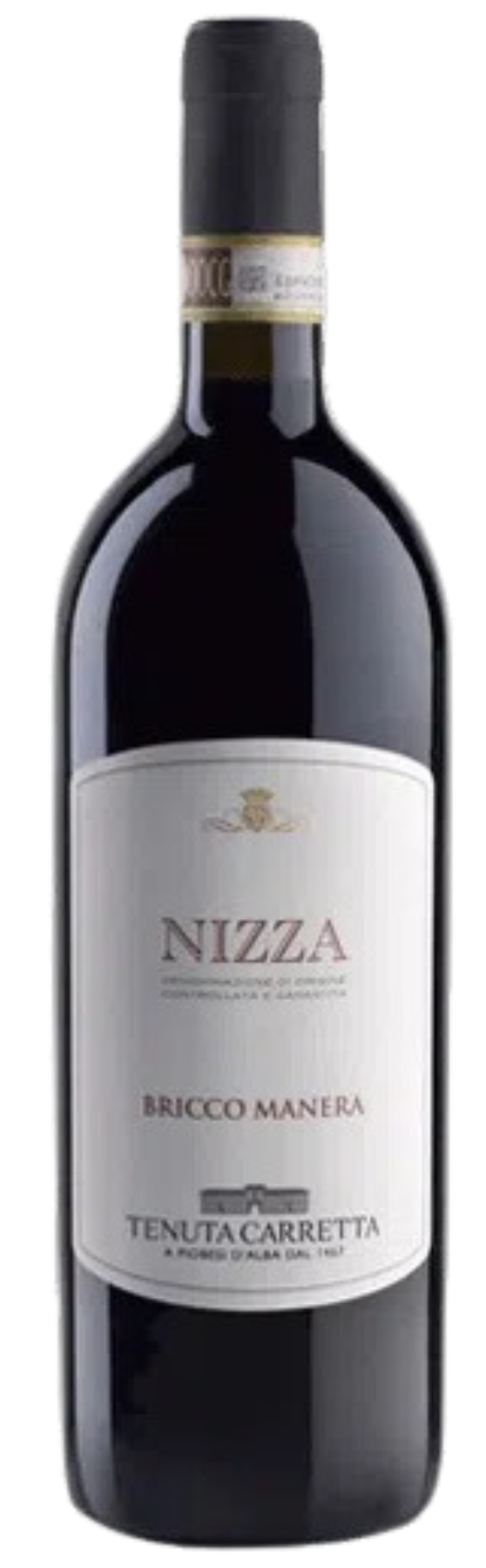
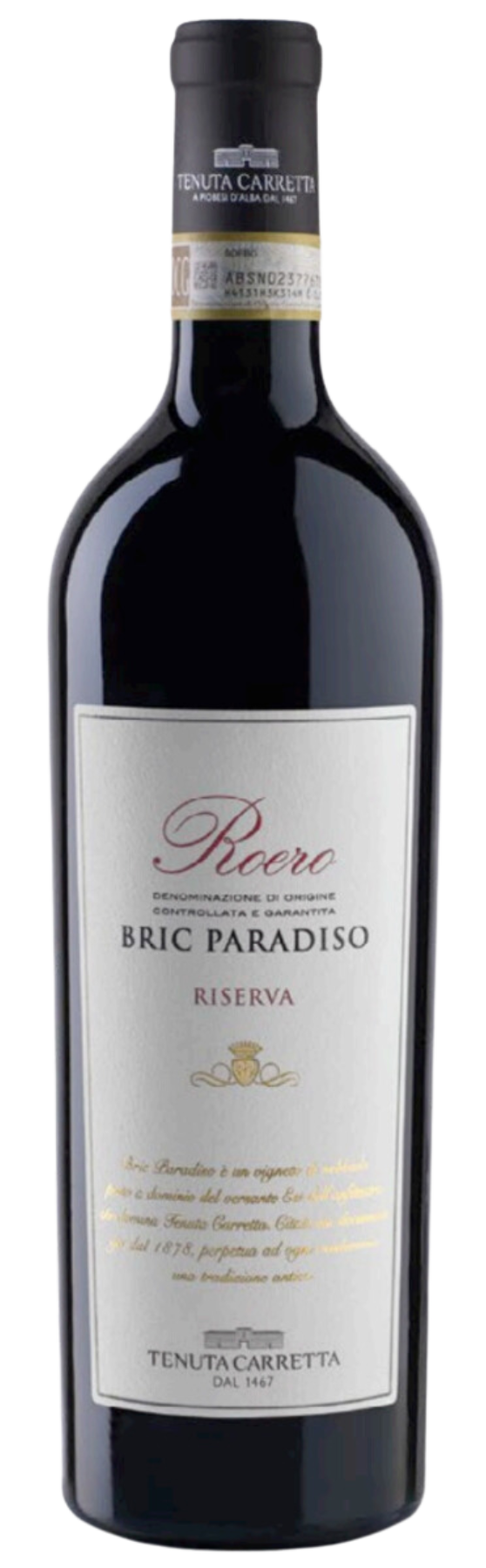
James Suckling Score 93 (2018)
Awarded by James Suckling
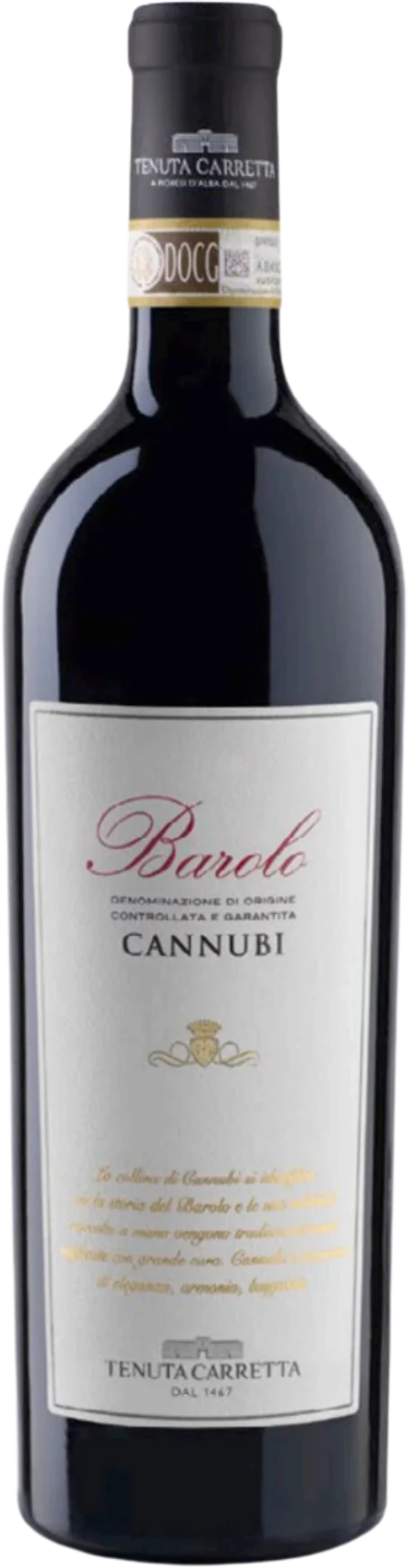


Only Good News!
Promise!
Only Good News!
Promise!
Similar products
Meininger's International Rosé Award 2025
Awarded by Meininger Publishing House

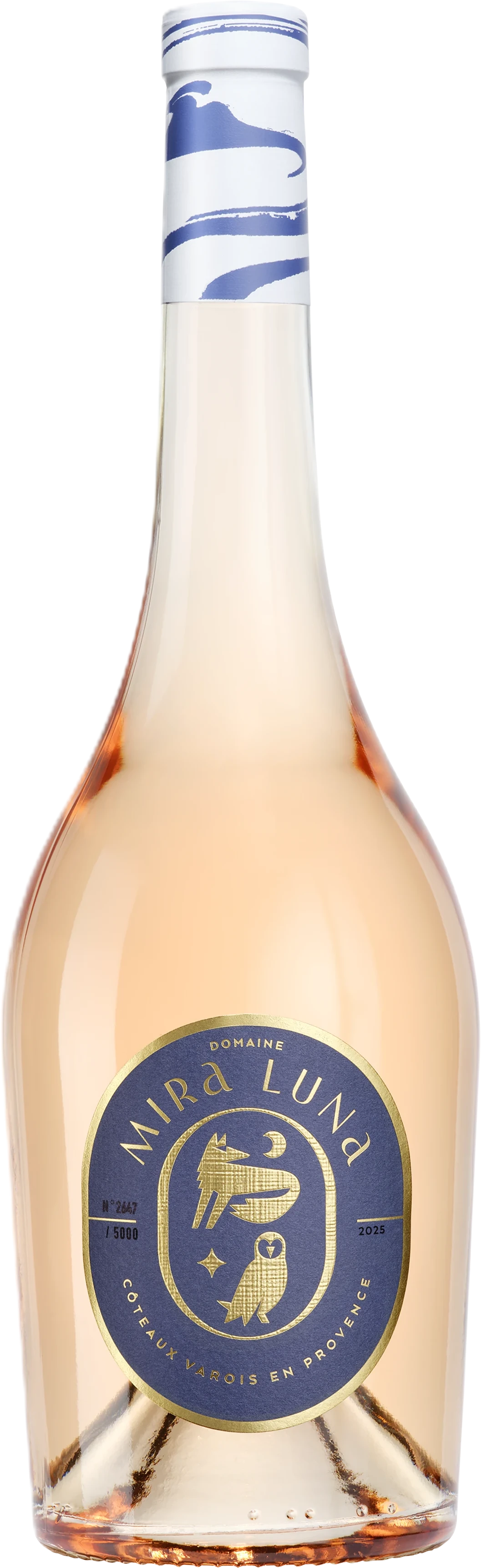
Berliner Wine Trophy 2024
Awarded by Berlin Wine Trophy
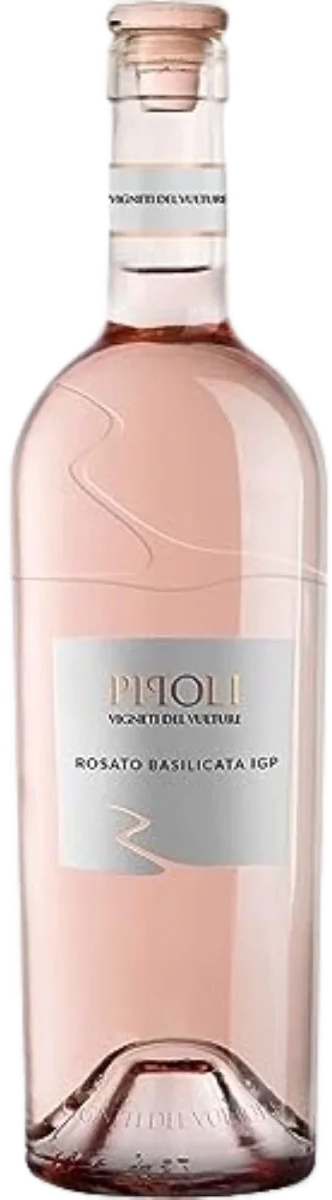
Mondial du Rosé Goldmedaille 2022
Awarded by Mondial du Rosé
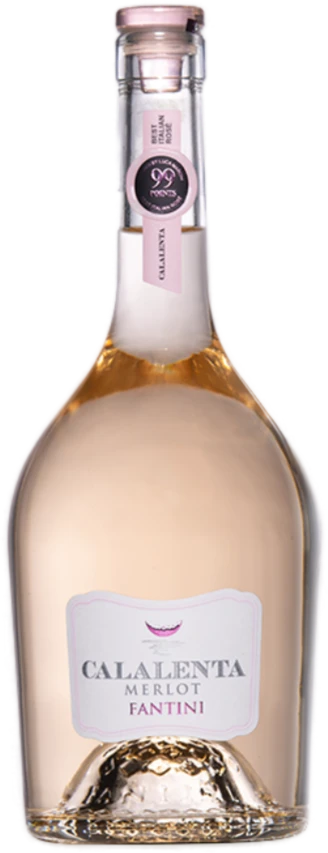
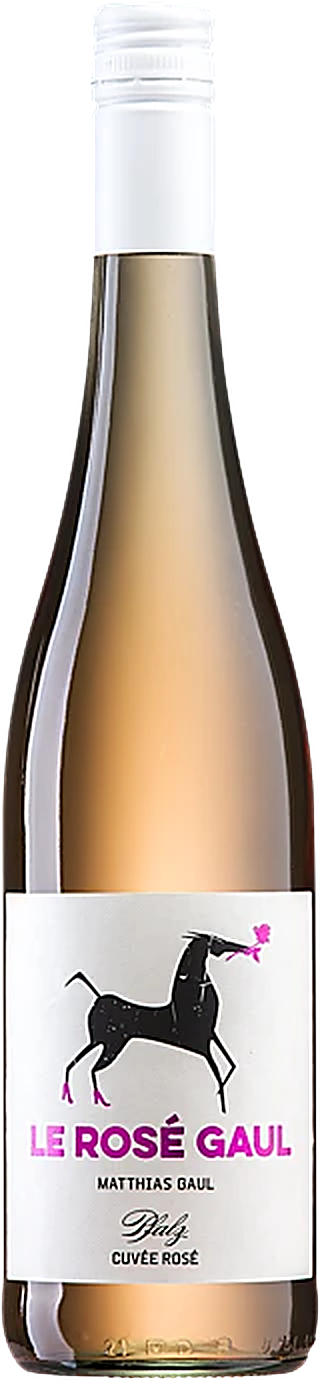
Meiningers International Rosé Award 2022
Awarded by Meiningers International


Vinoscout Pro
Awarded by Vinoscout