From monastery farm to Nahe-Burgundy heavyweight
The history of the Disibodenberg winery reaches far back before the first bottle. The winery originated in the early Middle Ages as a farm for the Disibodenberg monastery — on the grounds of the former monastery mill near Odernheim, directly on the southern slopes of the mountain of the same name. The monastery achieved world-class cultural significance because Hildegard of Bingen lived there for over three decades and wrote her main work, "Liber Scivias". After secularization during the Reformation, the Schmidt family from Odernheim managed the estate for generations before a decisive new beginning followed in 1992.
In that year, Prof. Christian Held, a Berlin lawyer born in Meisenheim, took over the management as a career changer and personally liable partner. In 1997, he found the ideal cellar master and operational manager in Thomas Zenz, a graduate engineer for viticulture. Together, they expanded the winery step by step: the cultivated areas grew, sparkling wine production was established, the Meisenheimer Hof wine hotel opened in 2013, and the winery was completely renovated in 2017. When the von Racknitz family's vineyards on the Disibodenberg were added in 2018 — including one of the oldest Riesling sites in Germany — the total area grew to around 23 hectares, and in March 2019, it was renamed Weingut Disibodenberg.
Steep slopes, manual labor and the demand on the soil
All of the winery's vineyards are located exclusively on steep and very steep slopes around Odernheim. The south-facing Montfort — over five hectares, named after the Boos von Waldeck family — rests on clay slate over a volcanic subsoil: a foundation that stores heat and gives the wines depth. The amphitheater-like Kapellenberg towers high above the fog line, and its soil mosaic of sandstone weathering, slate-streaked sections, and volcanic melaphyr creates noticeably different aroma profiles. The Kloster Disibodenberg site, which only came into the winery's possession in 2018, holds the oldest Riesling terroir in the region.
In these slopes, work is done exclusively by hand — from vine care to harvest. The winery is a member of FAIR'N GREEN, an association for holistically sustainable management in viticulture. In the cellar, cellar master Thomas Zenz combines modern technology with artisanal consistency: low yields, careful selection, and aging in wooden barrels for the top wines. Origin is not considered a marketing term here, but a benchmark.
Burgundian depth, Riesling minerality — and a film composer as a winemaker
The winery has established itself as a Burgundy address in a region dominated by Riesling. The focus is on powerful white and red wines from Pinot grape varieties as well as expressive Rieslings — characterized by the minerality of the volcanic and slate soils, by depth and restrained emphasis instead of loud fruit. The house's sparkling wines have been highlighted several times by specialist magazines, and Gault Millau named the winery a "rising star".
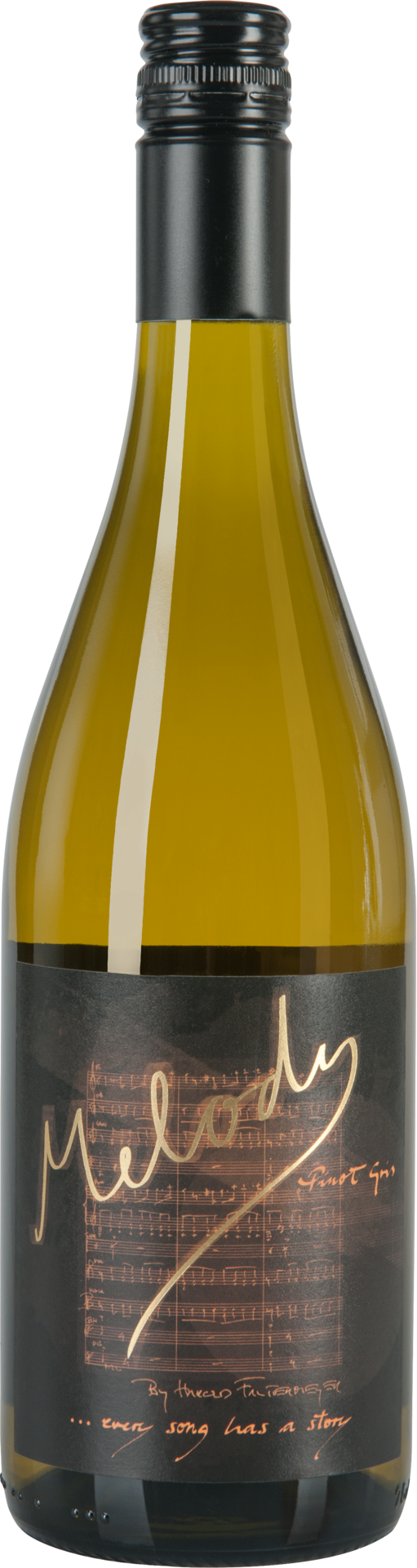
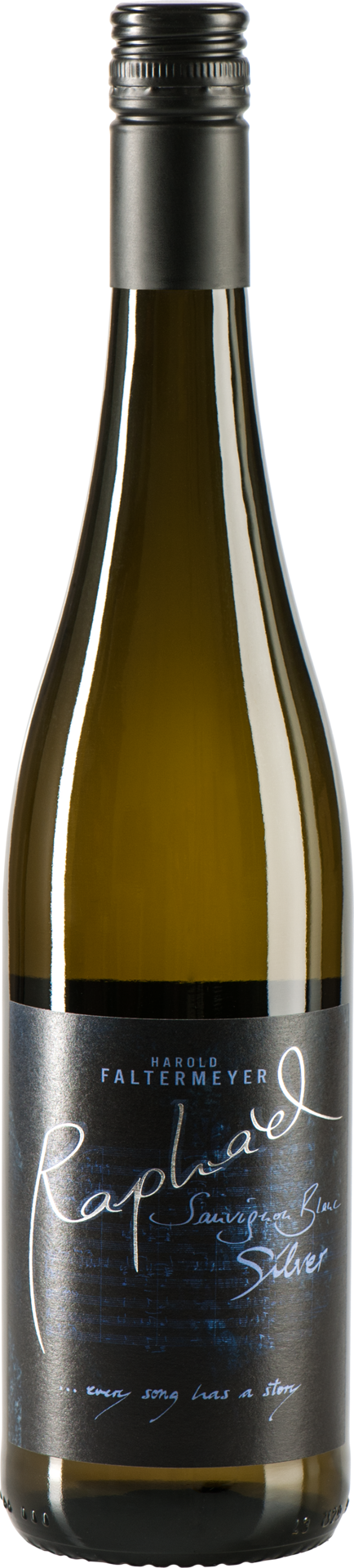
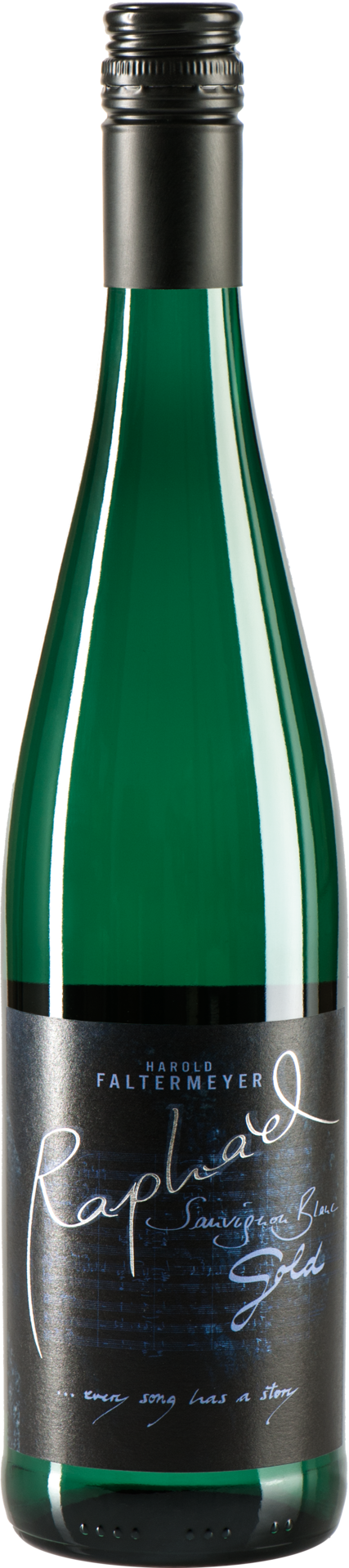
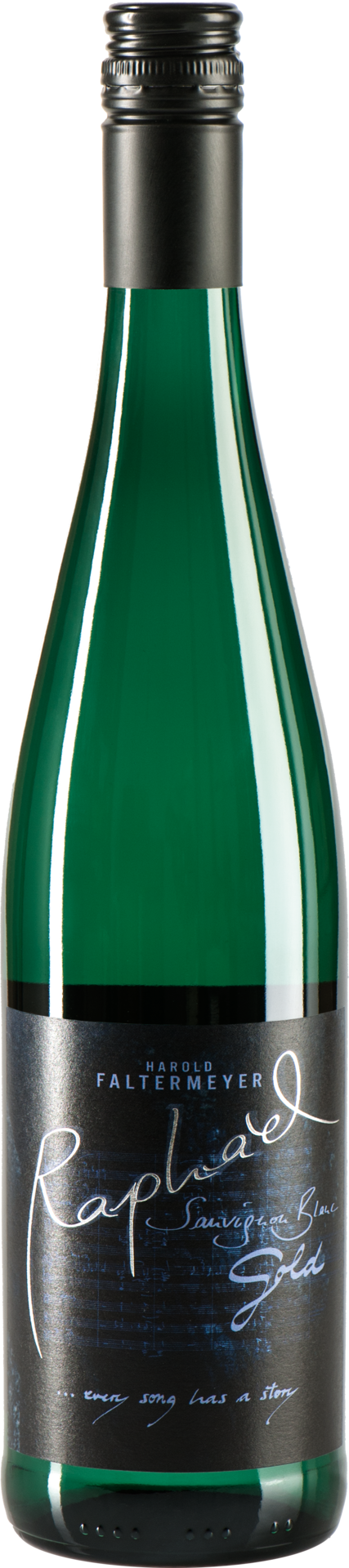
A special facet of the range is the collaboration with Harold Faltermeyer — the German film composer known for his scores for Hollywood productions such as "Top Gun" and "Beverly Hills Cop". As a passionate wine lover, he is involved in the winery for the long term: one hectare of Sauvignon Blanc was planted in the Kapellenberg specifically for him. The wines in the line bear the names of his children — Melody (Pinot Gris), Raphael (Sauvignon Blanc) — and are produced, like everything here, in the same steep slopes under the same artisanal conditions. Those who buy from Weinhaus Disibodenberg get Nahe character from a soil that already convinced the monks of the Middle Ages.