From the Rance Valley to the world: the story of a cider cooperative
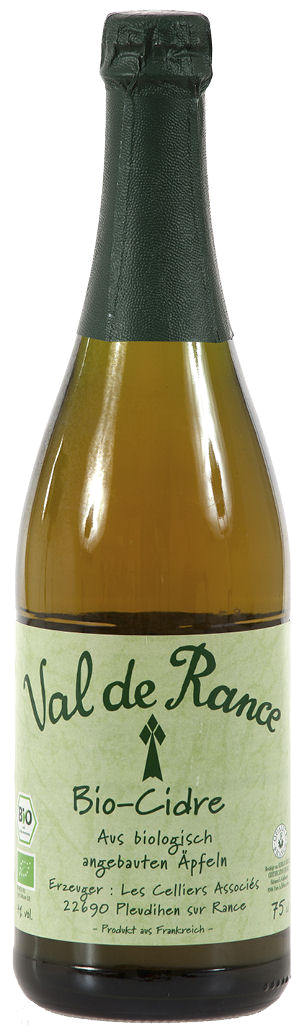
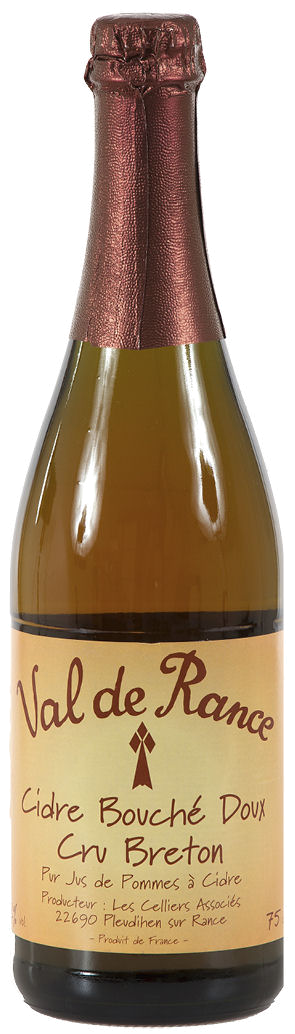
The apple orchards along the Rance have long had a good reputation — but in the mid-20th century, the name "Cidre de Pleudihen" came under pressure: cheap producers used it, and sales collapsed. In 1953, twelve apple farmers from Pleudihen-sur-Rance decided to take countermeasures together. They founded the cooperative Les Celliers Associés and thus created the brand Val de Rance — with the clear goal of protecting quality and origin.
Over the decades, these twelve founders became one of France's largest cider cooperatives. Today, the cooperative has around 355 member farms that together grow over 200 different apple varieties and deliver around 25,000 tons of apples annually. In 2013, a second production site was added in Condé-sur-Vire in Normandy — since then, Breton and Norman apples have flowed together into the range. Today, Val de Rance is on shelves in over 70 countries, from Japan to Canada.
Old varieties, clear signature: philosophy and cellar technology
The cooperative model has concrete consequences for the way Les Celliers Associés works: The member farmers are bound by a binding set of specifications that prescribes full traceability from the orchard to the bottle — especially strict for the IGP-certified Cidres de Bretagne, which are pressed exclusively from Breton apples and also bottled in Brittany. The cooperative focuses specifically on agroecological methods: hedge planting, sheep as biological weed control, nesting boxes for insect-eating birds, and traditional pruning techniques for disease prevention.
At the heart of the pressing philosophy is Maître de Chai Alain Lepage. He is responsible for the recipes of all cuvées — from the choice of variety and pressing pressure to the choice between slow fermentation and double fermentation, depending on the desired aroma profile and residual sweetness. The harvest runs from September to December; after selection on the farms, the apples are delivered, washed, ground, and macerated for about an hour to intensify the aroma. Natural yeasts are then separated by centrifugation before controlled fermentation begins.
Brut to Rosé: what defines the range
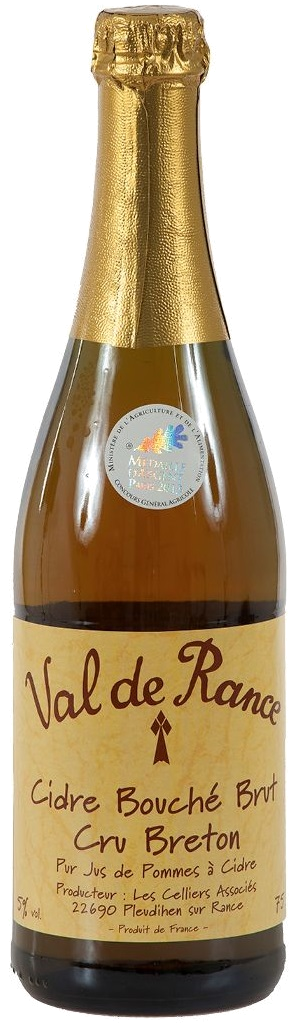
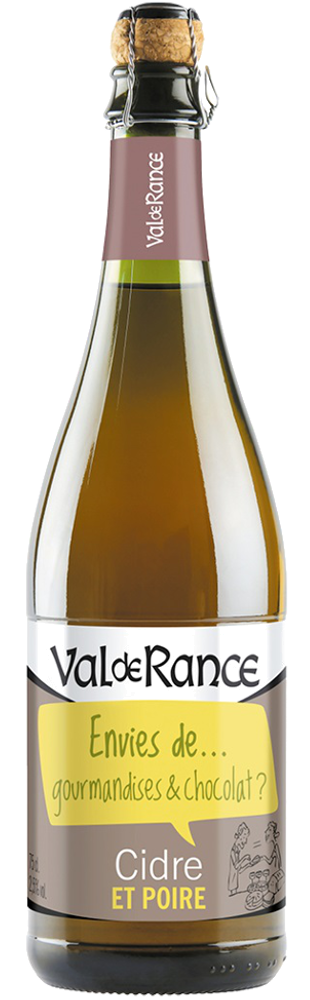
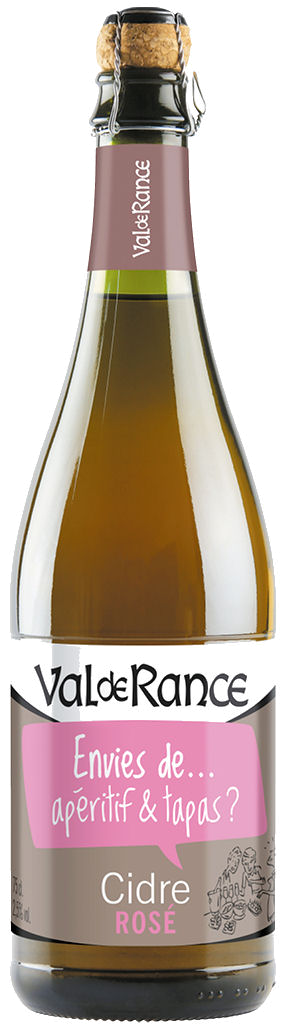
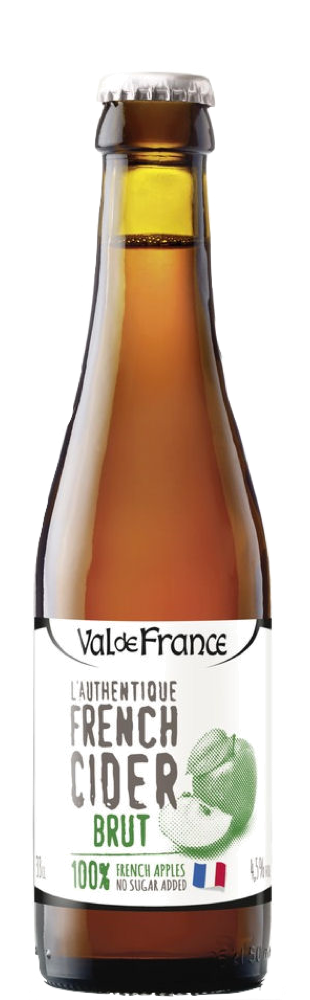
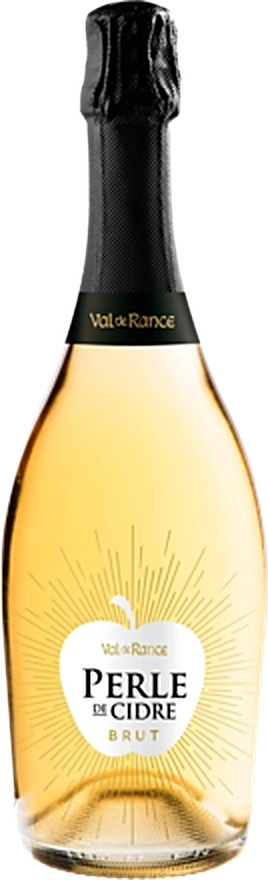
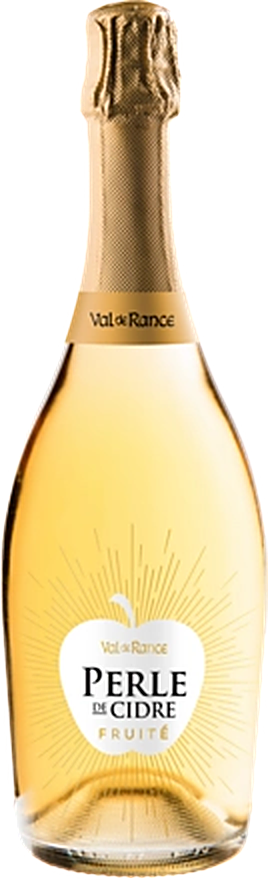
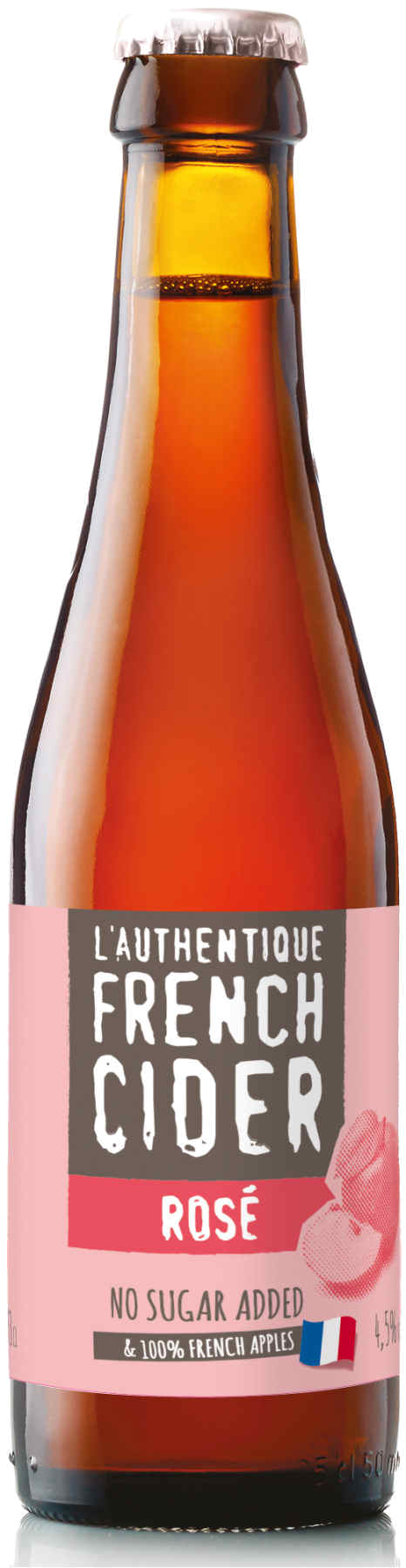
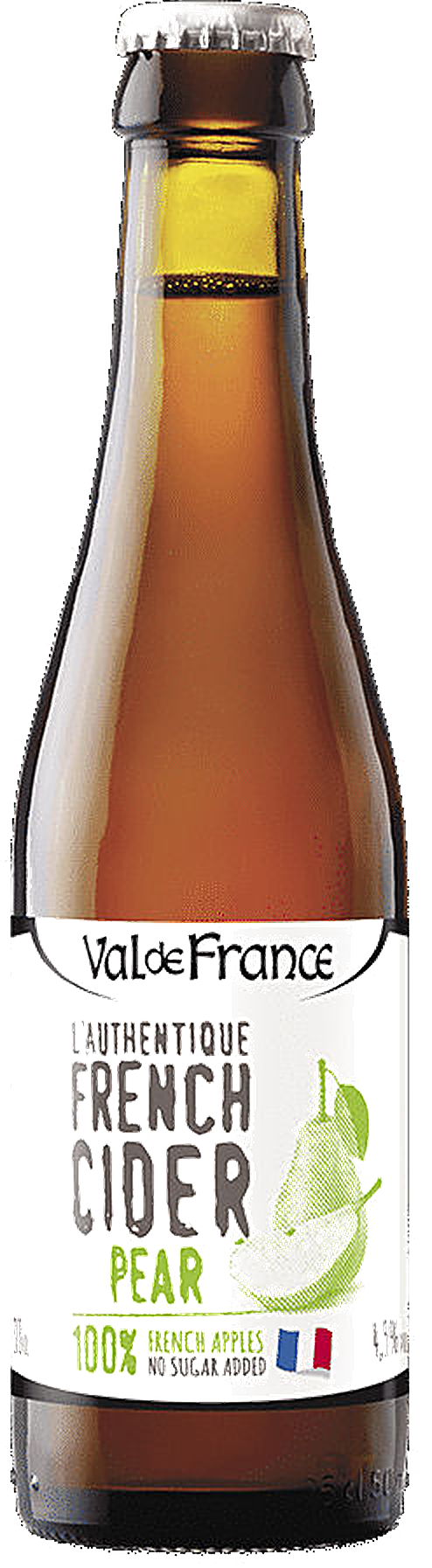
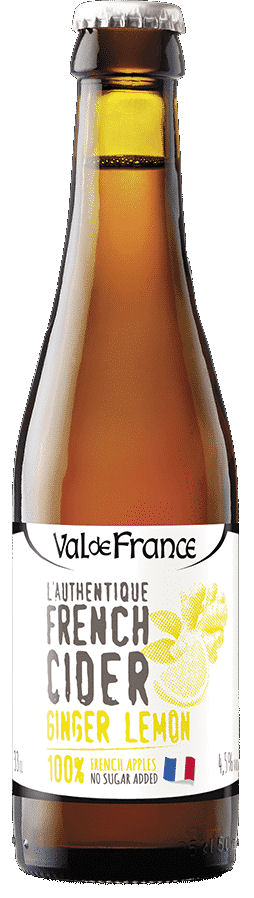
Val de Rance consistently works with old Breton varieties such as Binet Rouge, Douce Moën, Guillevic, Rouget de Dol, or Judor — apple varieties that bring bitter, bitter-sweet, or acid-accented characters into the glass depending on the proportion. The Cidre Brut, with a clearly tannic structure and dry finish, thrives on a high proportion of bitter-sweet varieties. The Cidre Rosé is made from red-fleshed varieties such as Baya Marisa and Avrolles, which give it color and a floral-fruity note — less sweet than a Doux, fresher than a Brut. The Perle de Cidre line, including the Guillevic-based Fruité variant, stands for fine perlage and light, acidulated fruit. For the international business, there is the French-Cider range in the 0.33-l format, supplemented by ginger-lemon and pear variants.
All cuvées bear the signature of the same Maître de Chai and the premise of the cooperative: the purest possible apple juice, clearly defined origin, no compromises on the raw material. This makes Val de Rance one of the most reliable names when it comes to Breton cider with a traceable origin.