A childhood dream becomes pioneering work: the founding of G.D. Vajra
The history of G.D. Vajra begins in 1968 in Turin, when 15-year-old Aldo Vaira is sent away to his grandparents' estate in the hamlet of Vergne – the highest village in the Barolo municipality – following a student protest. What was intended as a punishment became a calling. Aldo decided to farm the family vineyards and formally founded the winery in 1972. Because he was still a minor, his father, Giuseppe Domenico Vajra, signed the founding papers – hence the initials G.D. in the name to this day. In the early 1980s, Milena joined, and she has accompanied Aldo as a partner in the winery and in life ever since. Today, the two run the estate together with their three children, Giuseppe, Francesca, and Isidoro – a true family structure spanning two generations.
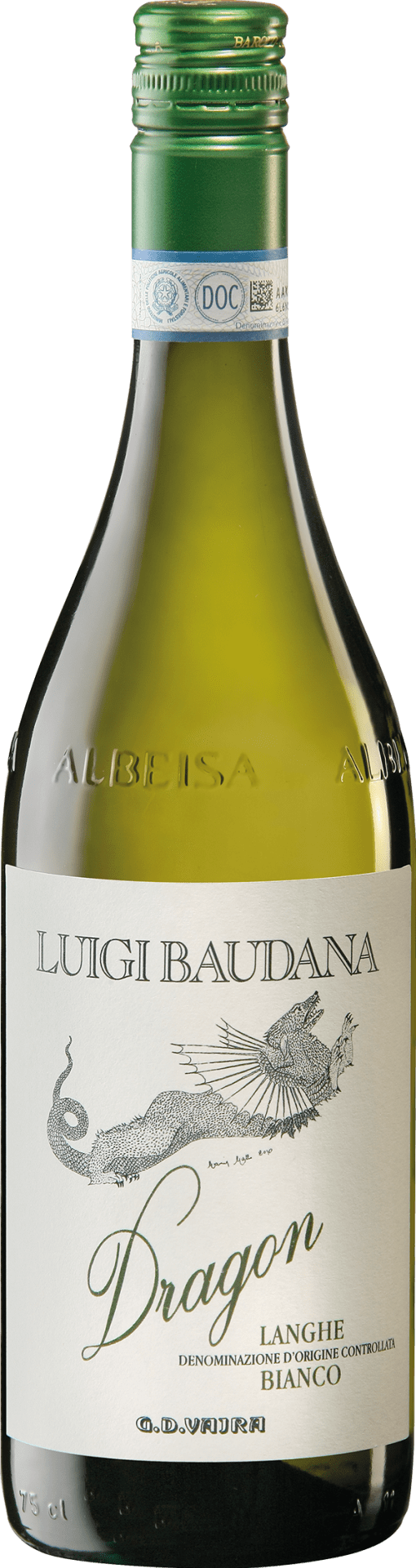
In 2009, Luigi Baudana entrusted the Vajra family with his historic vineyards in Serralunga d'Alba – a vote of confidence that expanded the estate with significant sites in an entirely different geological setting.
Organic farming as a philosophy, not a certificate
As early as 1971, Aldo Vaira joined the Suolo e Salute association, thereby obtaining one of the earliest organic certifications in Piedmont – long before sustainable viticulture became a trend. The vineyards are managed using organic and biodynamic practices, which, according to the family, are not based on a doctrine but on their own experience in the terroir. Since the 1960s and 1970s, Vajra has relied on selezione massale – the propagation of the best individual vines from their own vineyard to maintain genetic diversity and site adaptation.
In the cellar, they work with spontaneous fermentation using wild yeasts, long maceration times, and aging that follows the respective vintage and site. Harvesting is done exclusively by hand, with careful selection directly in the vineyard and at the sorting table. Furthermore, Aldo Vaira taught viticulture at a Piedmontese school for years – this still shapes an analytical, craft-based approach in the winery today.
Cool, precise, polyphonic: the range from the high altitudes of Vergne
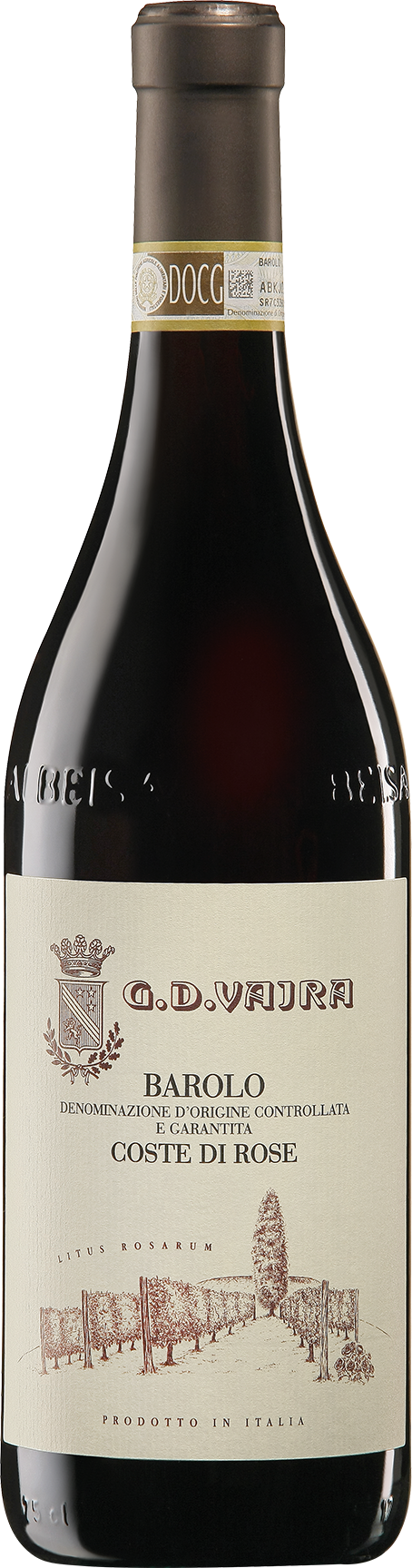
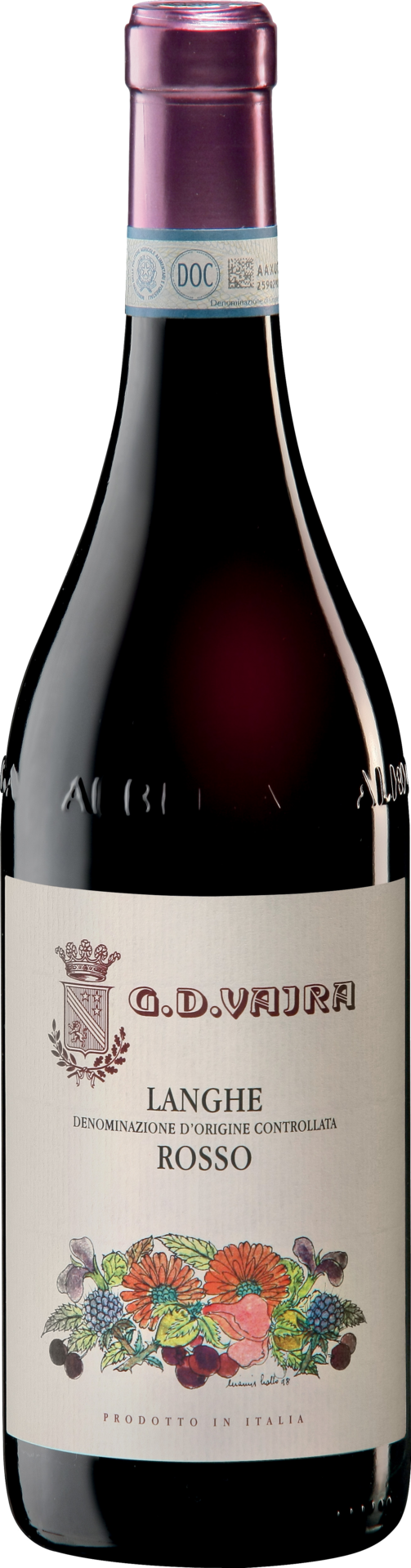
Vergne lies at 400 to 480 meters – which is exceptionally high by Barolo standards. The later ripening of the grapes on the blue-gray marl soils of the Tortonian stage results in wines with cool elegance, vibrant acidity, and a fine aromatic profile rather than broad mass appeal. The Barolo Bricco delle Viole – from sites the family has farmed since the 17th century – is the most famous wine: floral, mineral-salty, with a long finish. The Ravera and Coste di Rose crus represent two further characters within the appellation. The range is complemented by Langhe Nebbiolo, Barbera, Dolcetto, and Freisa – Piedmontese grape varieties that are vinified seriously at Vajra, not as a byproduct. Also remarkable is a dry Riesling Renano, planted since 1985 and a testament to the family's curiosity beyond regional convention.
Those who know the wines of G.D. Vajra appreciate their restraint: no loud extraction notes, no heavy oak, but wines that let the terroir and vintage speak. They pair perfectly with hearty Piedmontese cuisine – brasato al Barolo, tajarin with truffles, ripe Toma Piemontese – as well as the quiet stillness of a long evening.