From purchased grapes to the best Crus of the Langhe
Riccardo Ceretto founded the Ceretto Casa Vinicola in the 1930s in Alba — without his own vineyards, using purchased grapes. His sons Bruno and Marcello made the decisive shift: From the 1960s onwards, they systematically mapped the best sites in the Langhe and Roero and specifically acquired vineyards in the most sought-after locations of Barolo and Barbaresco. Their conceptual model was Burgundy, where individual parcels have been vinified according to their character for centuries — an unusual approach at the time in Piedmont, where most producers still relied on blending. Between 1969 and 1973, Bruno and Marcello acquired their first own vineyard with Bricco Asili in Barbaresco and built their own winery there. Further Crus in Barolo followed in the 1970s and 1980s. Today, the estate comprises four production facilities in the Langhe and the Moscato d'Asti area.
In 1999, the third generation joined the company: Lisa, Roberta, Alessandro, and Federico, children of Bruno and Marcello, gradually took over responsibility. Alessandro completed his oenology studies in Alba and gained experience in wineries worldwide before returning as cellar master.
Biodynamics instead of a certificate: Consistent viticulture on 160 hectares
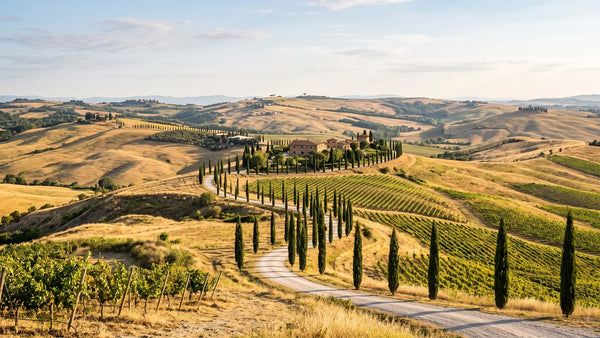
The third generation brought a fundamental change to the vineyard. In 2009, Alessandro Ceretto began with the renowned consultant Adriano Zago to first convert the Nebbiolo Crus in Barolo and Barbaresco to biodynamic cultivation. The results were so convincing that the project was extended to the entire estate: From the 2015 vintage, all Ceretto vineyards are organic-certified, and in parallel, biodynamic principles are applied across all 160 hectares — the family consciously forgoes a formal biodynamic certification to give priority to their own style over standardized requirements. In the vineyard, Ceretto focuses on minimal soil cultivation and the planting of cover crops to maintain the balance between soil structure, microorganisms, and organic matter. The soils of the Langhe hills — calcareous, interspersed with gray marl and sand layers — and the cool continental climate with large daily temperature fluctuations during ripening significantly shape the character of the grapes.
In addition to viticulture, the Ceretto family has helped shape the Langhe as a cultural space: The three-star restaurant Piazza Duomo in Alba is just as much a part of the family structure as the restaurant La Piola with Piedmontese cuisine, as well as projects for contemporary art.
Nebbiolo at the center — from Cru Barolo to Langhe Arneis
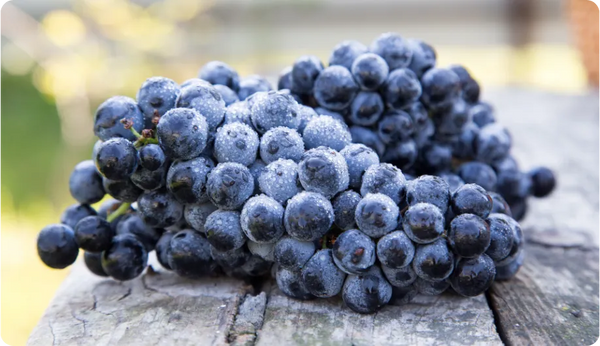
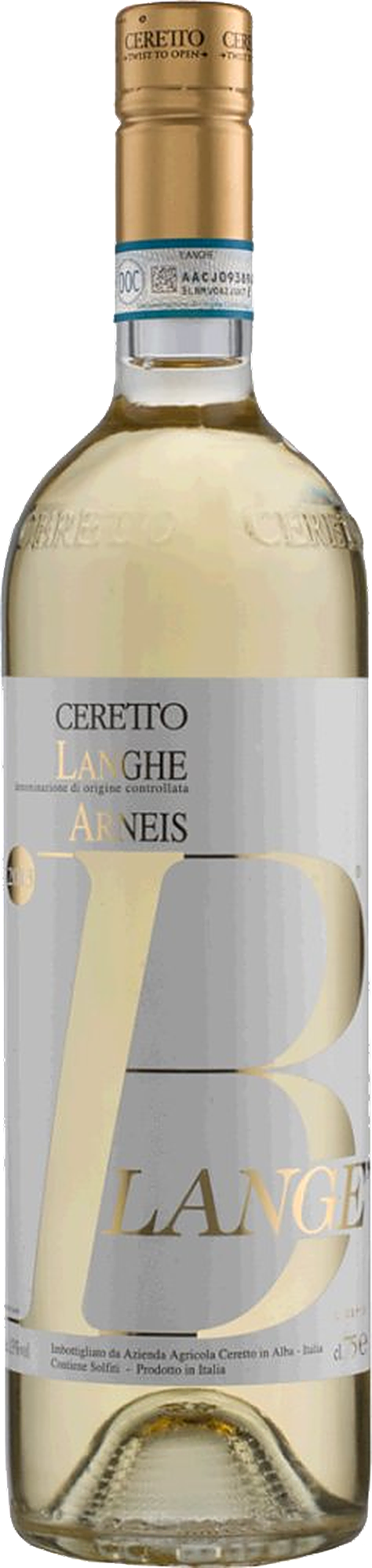
The range reflects the breadth of the Langhe. At the center are the great Nebbiolo wines: single-vineyard Barolos from Crus such as Bricco Rocche, Brunate, Bussia, and Cannubi San Lorenzo, as well as Barbarescos from Asili and Bernadot — sites with clearly different soil structures and correspondingly differentiated wine profiles. Those who want to get to know the whiter side of Ceretto wines will find it in the Blangé: The Langhe Arneis DOC grows in the Roero on the other side of the Tanaro, where sandier soils offer better conditions for the Arneis grape variety than the heavy marl of the Langhe. In addition, Ceretto produces Barbera, Dolcetto, Nebbiolo d'Alba, and a Moscato d'Asti. Common to all wines is the ambition to reflect the terroir of the respective parcel — a principle that Bruno and Marcello once pushed through against the spirit of the times and which the third generation consistently continues.