From horse farm to Maipo showcase estate: the history of Haras de Pirque
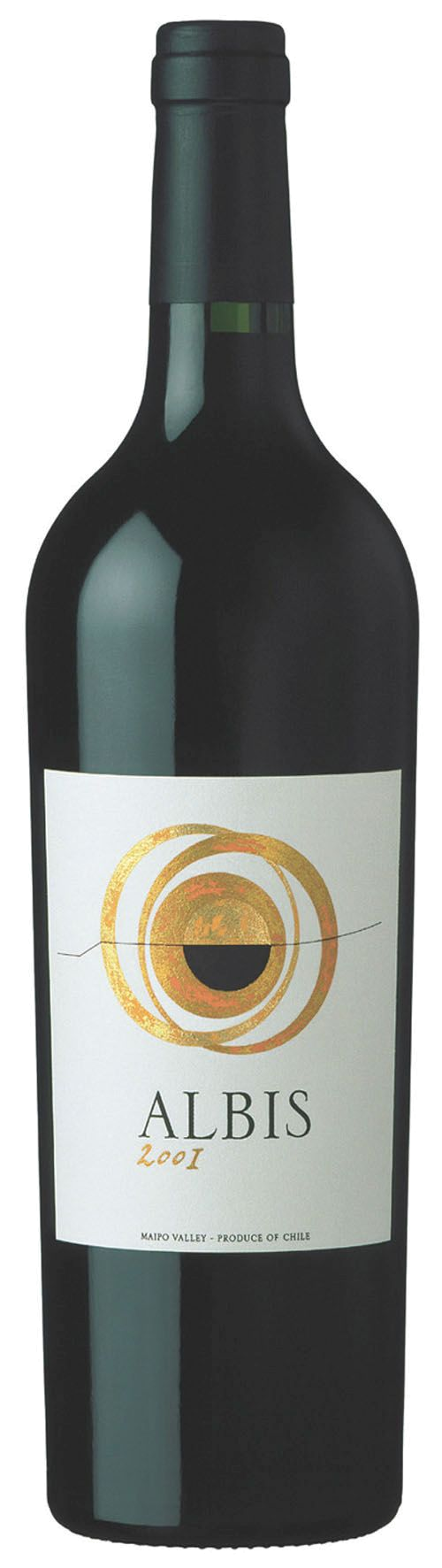
The name reveals its origin: Haras is the French word for stud farm. What began in 1892 as a thoroughbred breeding farm in Chile's Pirque region still bears this past visibly today — in the name, in the label illustrations, and in the architecture of the wine cellar, which sits in a horseshoe shape above the Maipo Valley. Eduardo Matte took the step into viticulture in 1991; a year later, the first vines were planted. In the early 2000s, Marchese Piero Antinori — honorary president of Marchesi Antinori, one of Italy's oldest family wineries — visited the estate and was immediately convinced of the terroir's potential. The collaboration between the Matte and Antinori families led to the joint production of the flagship wine Albis, the first vintage of which was pressed in 2001. The partnership deepened gradually: in 2014, Marchesi Antinori took over vineyard and winery operations, followed by full acquisition by the Tuscans in 2017.
Organic farming at the foot of the Cordillera
The vineyards are located in the Pirque subregion, about 30 kilometers south of Santiago, on the lower Andean slopes of the Cordillera de los Andes — on about 120 hectares of vineyard area, which are managed exclusively for the estate itself. All grapes come from their own stock; there is no purchasing. The conversion to organic farming began in 2006 in the Maipo-Andes sector and was completed in 2016. Since then, the estate has relied on organic fertilization, consistent canopy management starting in October, and irrigation via drip systems. The harvest is carried out exclusively by hand; the grapes are sorted individually before processing. Albiera Antinori, the current face of the project and namesake of the Albis, has publicly committed to organic management as a central quality lever.
The curved, horseshoe-shaped winery building sits on a hill overlooking the valley and mountains — a design that combines function and symbolism: the shape is reminiscent of the horse racetrack that still surrounds the estate.
Tuscan signature, Chilean character: the range
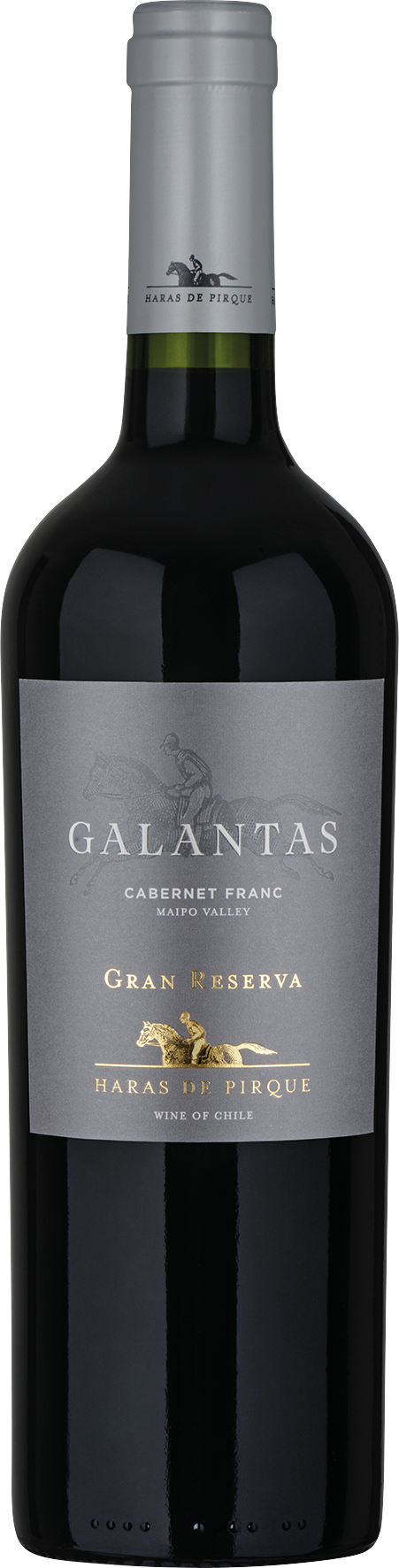
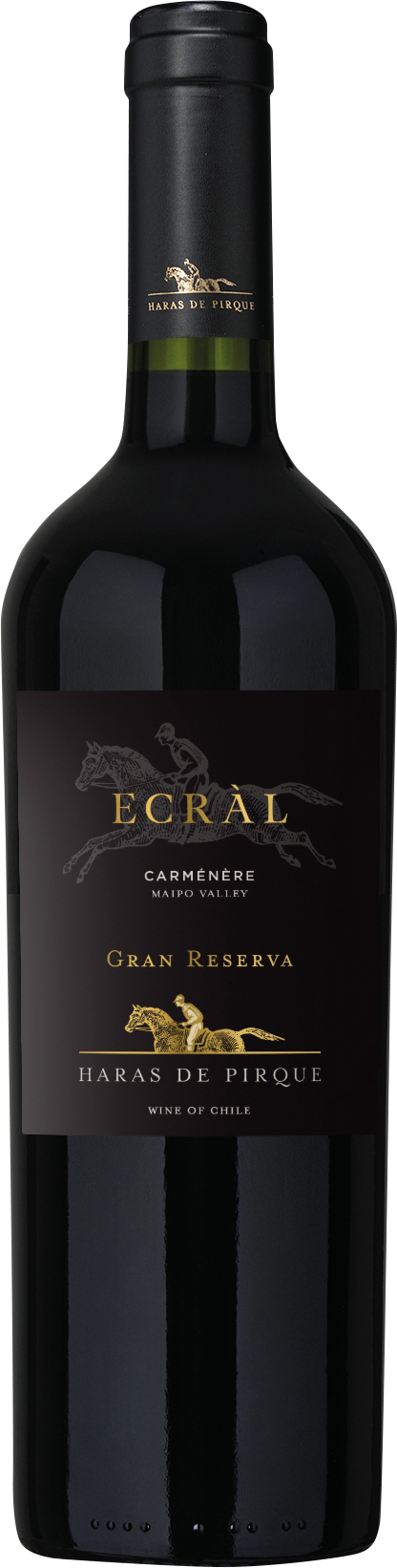
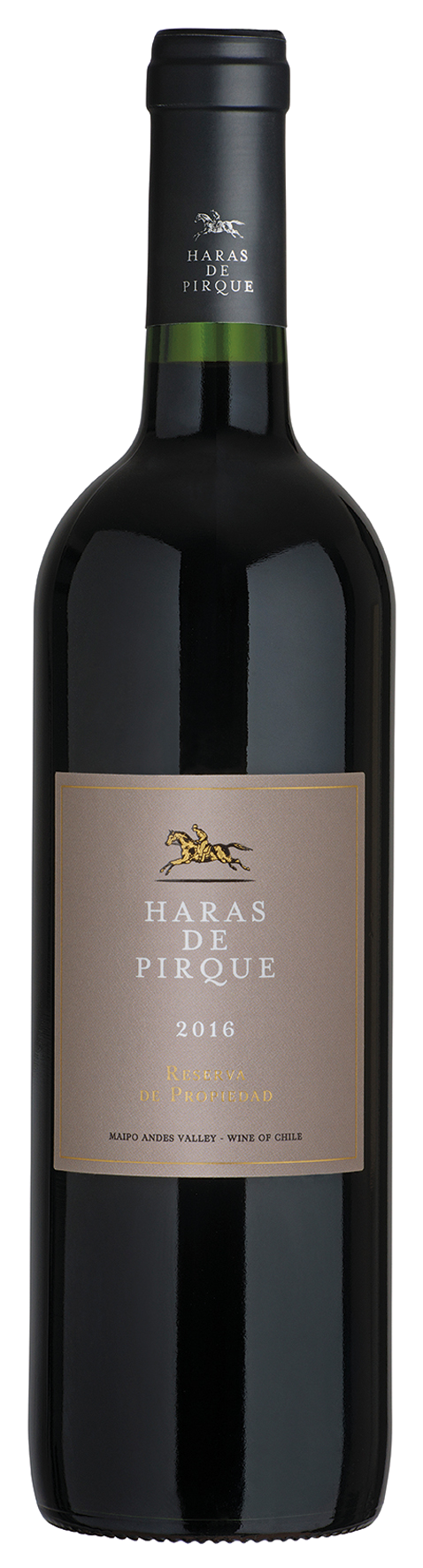
At the center is Albis, a cuvée of Cabernet Sauvignon and Carménère — the first wine the Antinoris produced in Chile, and still the estate's flagship today. In addition, the range shows the full breadth of the subregion: Hussonet, a Cabernet Sauvignon Gran Reserva that matures for twelve months in French oak barrels and then for another twelve months in the bottle; Galantas, a Cabernet Franc Gran Reserva from organic farming; Ecràl, a varietal Carménère; as well as Pitío de Haras de Pirque, whose name is derived from the Mapuche word for the Chilean woodpecker — a sign of over twenty years of research in the Maipo-Andes terroir. The Reserva de Propiedad rounds off the spectrum at the top. Common to all wines is their organically managed origin, their clear Andean imprint — structure, minerality, herbal spice — and the ambition to combine Tuscan cellar signature with the expressive potential of the Maipo Valley.