From the pioneer of the Columbia Valley to Washington's founding winery
The history of Château Ste. Michelle begins on a symbolic day: On December 5, 1933 — the day Prohibition was repealed — the predecessor company National Wine Company (NAWICO) was founded in Seattle. Just a few years later, it became the first to plant Vinifera vines in the Columbia Valley, laying the foundation for one of North America's most exciting wine regions. Following the later merger with Pommerelle to form American Wine Growers, the first premium label of Washington State was created under the direction of the legendary Napa winemaker André Tchelistcheff. In 1976, the Château opened in its current form in Woodinville, east of Seattle, on the historic estate of timber baron Frederick Stimson. Since its sale to the Wyckoff family at the end of 2025, the winery has been back in private hands.
Over nine decades, Château Ste. Michelle has shaped Washington's wine culture like no other house. Wine Enthusiast named the winery American Winery of the Year in 2004; Wine & Spirits has honored it as Winery of the Year 22 times. From this foundation, its self-image continues to grow to this day: not just to make wines, but to advance the region as a whole.
Large growing area, precise signature — viticulture in the Columbia Valley
The Columbia Valley AVA lies east of the Cascade Range, which intercepts Pacific rain and leaves the valley with only 150–200 millimeters of precipitation per year. What remains are around 300 days of sunshine, distinct day-night temperature differences, and soils with free drainage — conditions under which Riesling, Cabernet Sauvignon, Merlot, Syrah, and Chardonnay develop concentrated fruit with vibrant acidity. Château Ste. Michelle manages more than 2,000 hectares of its own vineyards in the Columbia Valley, including the Cold Creek and Canoe Ridge Estate sites as flagships. All vines in the Columbia Valley are on their own roots — a rarity that preserves the site character and varietal expression in their most original form.
Canoe Ridge Estate and Cold Creek are both LIVE-certified (Low Input Viticulture and Enology) and Salmon-Safe-certified — a program to protect salmon habitats in the rivers of the Pacific Northwest. Red winemaker Brian MacKey aptly summarized the philosophy behind this: to be responsible stewards of these vineyard areas so that they continue to bear fruit for decades to come.
Two wine styles, three terroirs — what to expect in your glass
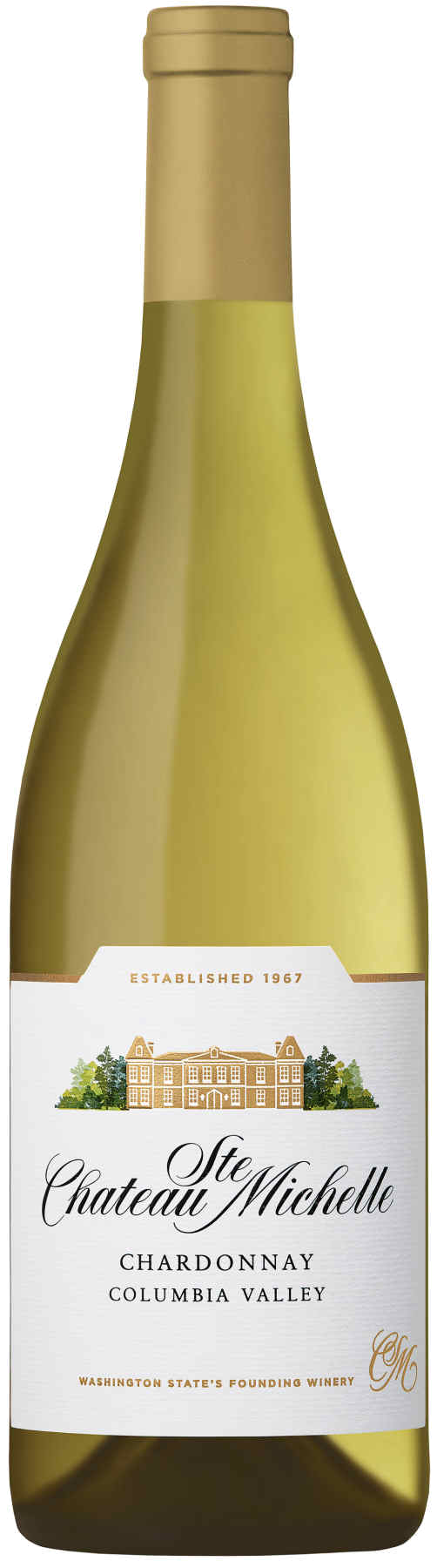
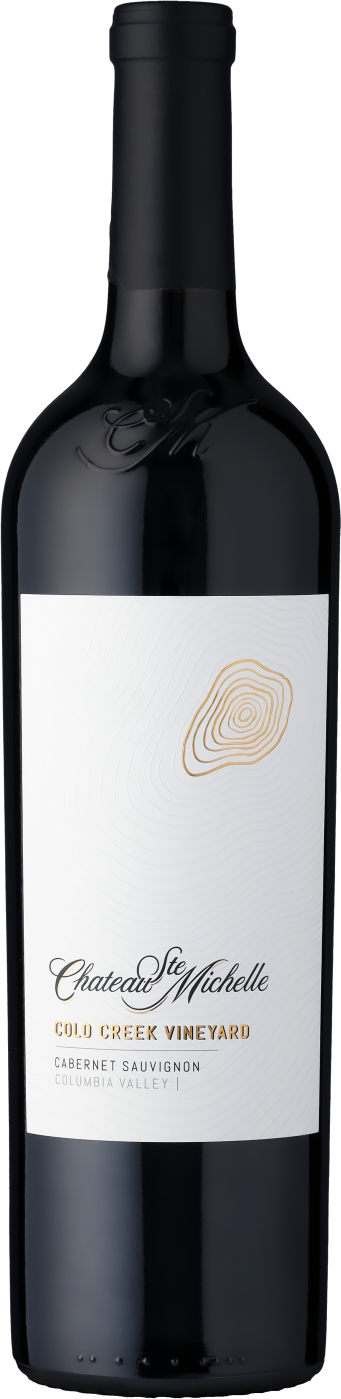
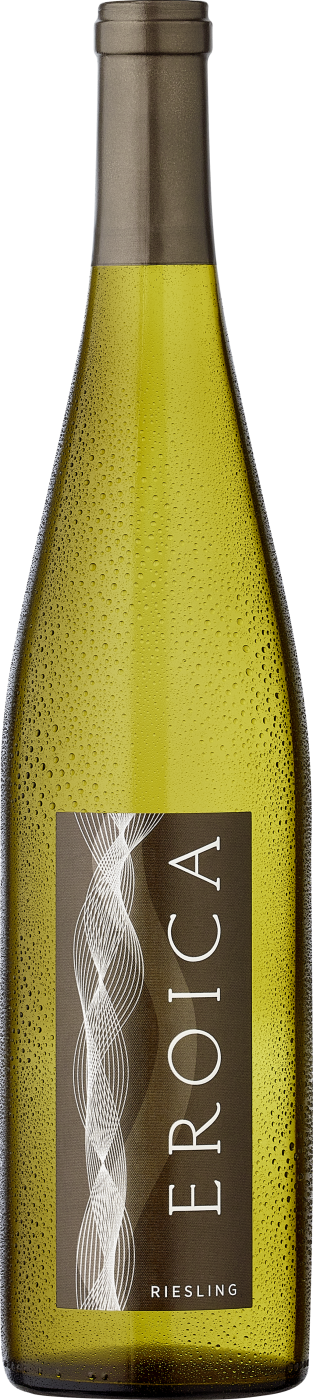
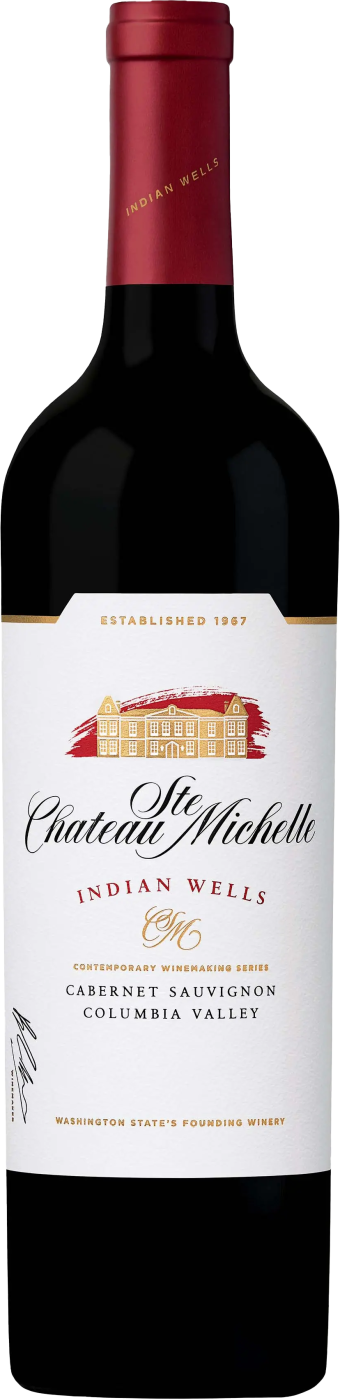
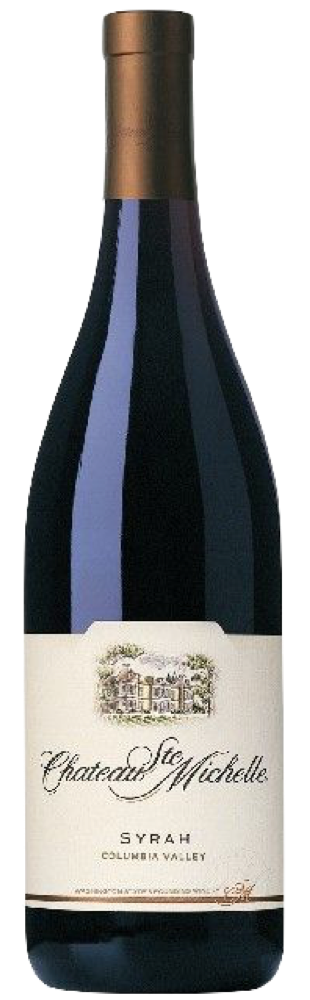
Château Ste. Michelle thinks in terms of sites, not uniform styles. The Woodinville Château vinifies exclusively white wines — Riesling, Chardonnay, Gewürztraminer — in stainless steel tanks that emphasize fresh fruit and clear acid structure. Red wine production is managed by the Canoe Ridge Estate Winery in Eastern Washington, where Cabernet Sauvignon, Merlot, and Syrah from the warm heart of the Columbia Valley mature with more body and structure. The single-vineyard wines — above all the Cold Creek Cabernet Sauvignon — stand for the cooler, mineral side of Eastern Washington: dark-fruited intensity, precise tannins, long finish. Beyond the Columbia Valley range, renowned collaborations have emerged: with Ernst Loosen from the Mosel for the Eroica Riesling and with the Tuscan house Antinori for the Col Solare. In the Vinoscout range, you will find the classic Columbia Valley lines — Cabernet Sauvignon, Chardonnay, Merlot, Syrah — as well as the single-vineyard cuvées from Cold Creek and Canoe Ridge, which show what Washington State is truly capable of.