Pioneer on the Columbia River: How Columbia Crest shaped the Horse Heaven Hills
Columbia Crest was founded in 1983 in Paterson, a small town in the far south of the Horse Heaven Hills, directly on the banks of the Columbia River in Eastern Washington. The winery was the very first in what is now the recognized Horse Heaven Hills AVA — a fact that defines the character of the house to this day. Behind the founding was Ste. Michelle Wine Estates, then as now one of the defining corporations of the American wine landscape. Architect Howard S. Wright designed the building as a French country house; 90 percent of the production facility is underground to ensure constant temperature and humidity year-round. Founding cellar master Doug Gore, who had gathered nine harvests in Californian wineries, brought the first vintage to the new location to develop Washington wines for the national market. In 1984, the first bottles went on sale — and laid the foundation for a success story that would reach far beyond the region.
2,500 hectares in the dry climate of the Columbia Valley
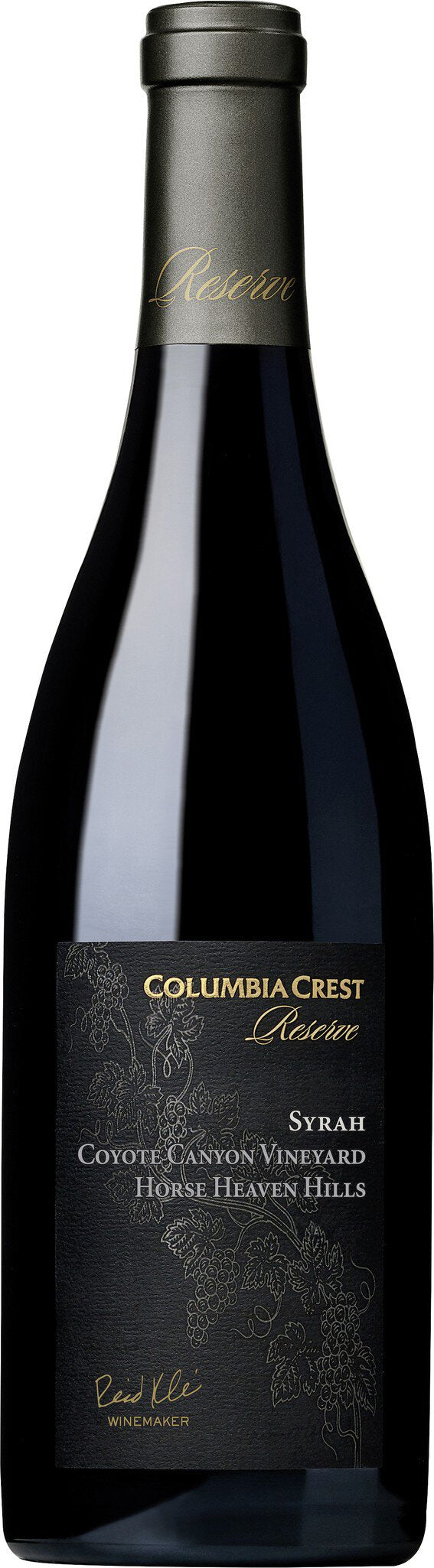
The Horse Heaven Hills are not an easy wine-growing region. With six to eight inches of annual rainfall, the region is one of the driest sites in Washington; drip irrigation is not a makeshift solution, but a precision tool. Today, Columbia Crest manages around 2,500 hectares of its own vineyards — south-facing slopes with good air circulation that protect the vines from frosty nights. Characteristic of the Horse Heaven Hills are strong winds that reduce leaf density and crop size, maximize sunlight exposure, and mitigate temperature peaks. The result is evenly ripening grapes with concentrated aromatics. In addition, the winery sources grapes from partner farms and family farms in the Columbia Valley AVA, including plots such as Coyote Canyon, Beverly Vineyard, and Four Feathers. Current cellar masters continue the philosophy that Doug Gore and later Ray Einberger and Juan Muñoz-Oca shaped: precise vinification, varietal purity, and consistency across vintages.
Three lines, one style: Bordeaux grape varieties as a core competence
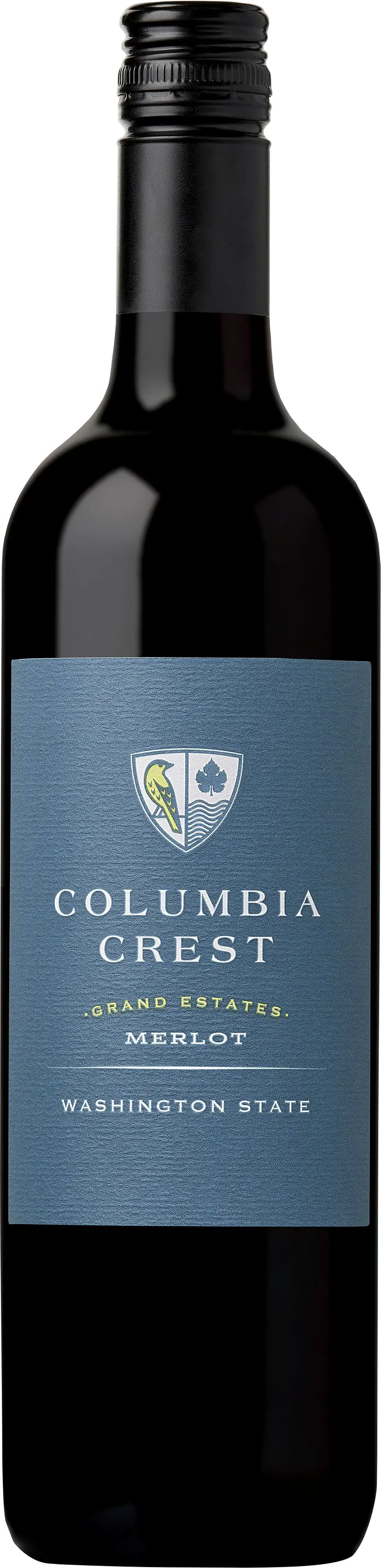
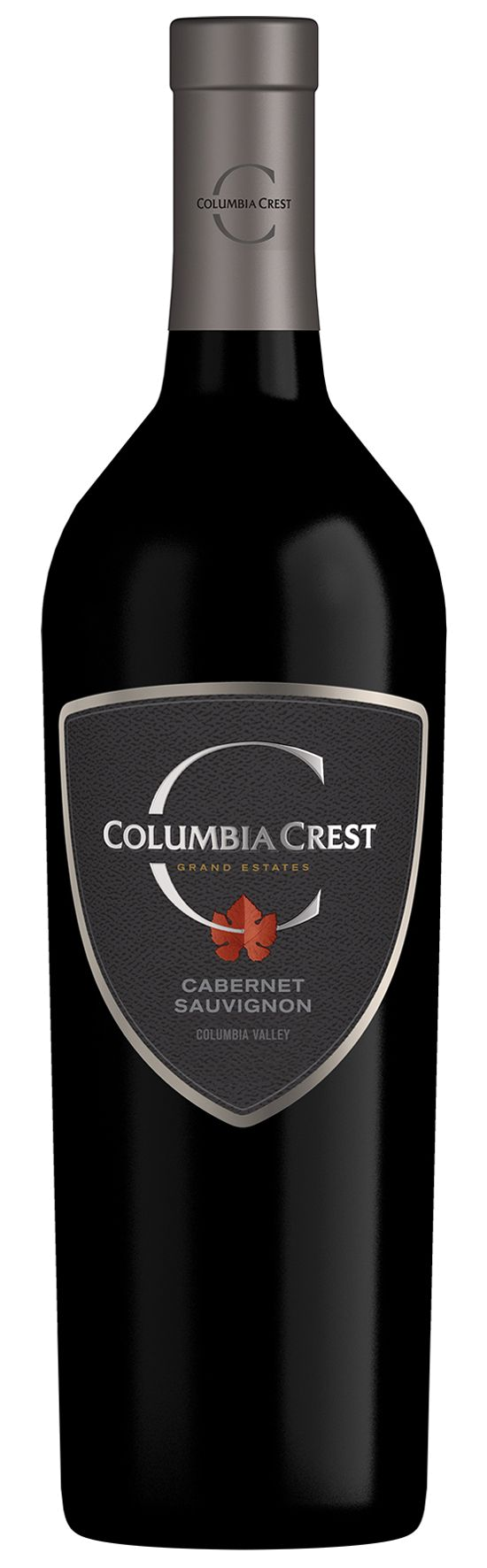
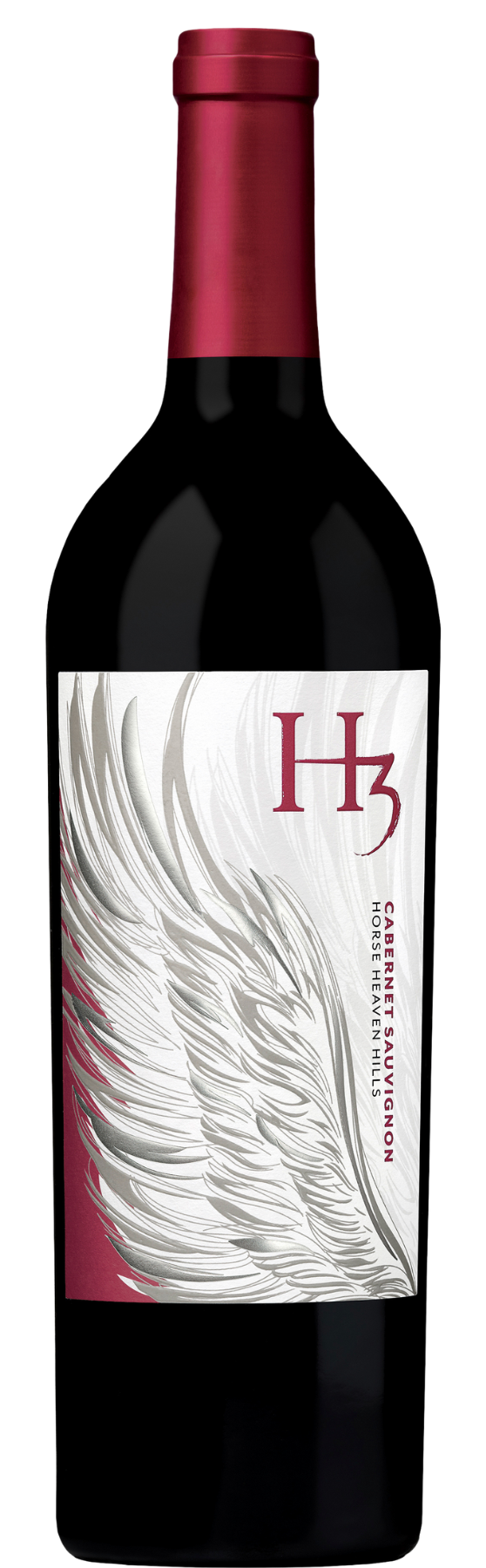
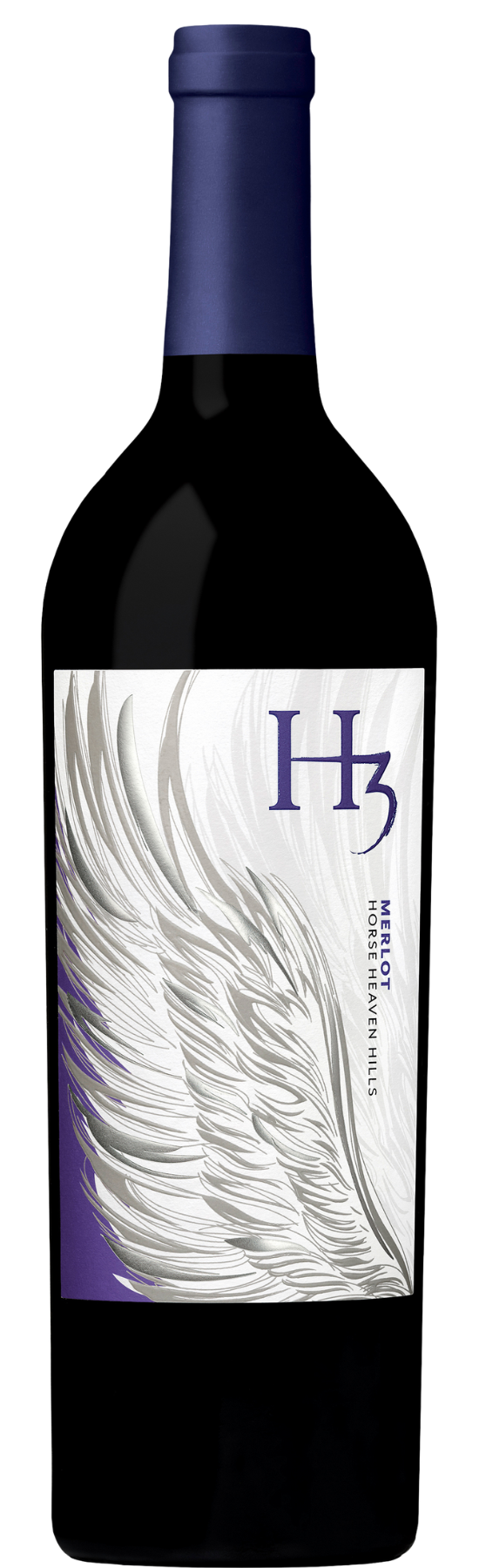
The Columbia Crest range is divided into three clear levels. Grand Estates is the accessible entry-level line with Cabernet Sauvignon, Merlot, and other varieties from the entire Columbia Valley AVA — fruity, direct, without bulkiness. The H3 line draws exclusively on grapes from the Horse Heaven Hills and shows what the terroir can do: the H3 Cabernet Sauvignon has won international awards multiple times and is considered a reference point for affordable premium Washington Cabernet. At the reserve level — and with the Walter Clore Private Reserve as the flagship, named after Washington wine pioneer and WSU researcher Walter Clore — the Bordeaux-inspired profile is developed most consistently. In 2009, Wine Spectator magazine named the 2005 Reserve Cabernet Sauvignon the number one on its worldwide Top 100 list — the first and, until then, only time a Washington wine occupied this spot. In total, Columbia Crest wines have appeared on this list sixteen times. Those who taste their way through the lines from Grand Estates to Reserve will not only get to know a winery, but also the depth and breadth of one of the most exciting wine regions in the USA.