From a joint project to a benchmark of Trevigian wine culture
The history of Cantina Montelliana began in 1957 with a simple idea: small winegrowers at the foot of the Colli Asolani and the Montello should achieve more together than alone. What started back then with a small collection center and the most necessary cellar facilities in Montebelluna is today one of the best-known Prosecco producers in the Marca Trevigiana. Around 400 member estates manage a total of around 700 hectares of vineyard area — most of them micro-estates with less than two hectares. This very fragmentation is the foundation of the cooperative model: every winemaker contributes their knowledge of their soil, their site, and their microclimate; the Cantina bundles and refines this collective knowledge. The cooperative also played an early and defining role in the development of the Asolo denomination — wine historians describe the former Cantina Sociale as a veritable research center for the entire right side of Trevigian viticulture.
Technology in the service of the terroir's signature
The vineyards of Cantina Montelliana lie on the hills of the Colli Asolani and the Montello, between 120 and 250 meters above sea level. Gravelly soils and a climate that combines alpine freshness with Mediterranean influences decisively shape the aroma structure of the wines. In the cellar, the cooperative relies on a combination of modern cellar technology and traditional vinification methods: temperature control, optimized must clarification, and fully automatic autoclave control ensure precision and reproducibility; the region's own knowledge of fermentation times and pressure management in the Charmat method ensures that the result still tastes like Montello. Since 2018, the Cantina has also been operating an approximately four-hectare experimental vineyard with the fungus-resistant varieties Souvignier Gris and Bronner (PIWI) in order to reduce the use of plant protection products in the long term. The sustainability commitment is complemented by a 200-kilowatt photovoltaic system, the electricity from which flows entirely into the operation, as well as by a sensor-based early warning system against downy mildew (PV-Sensing project).
Glera, Marzemino, and the art of sparkling
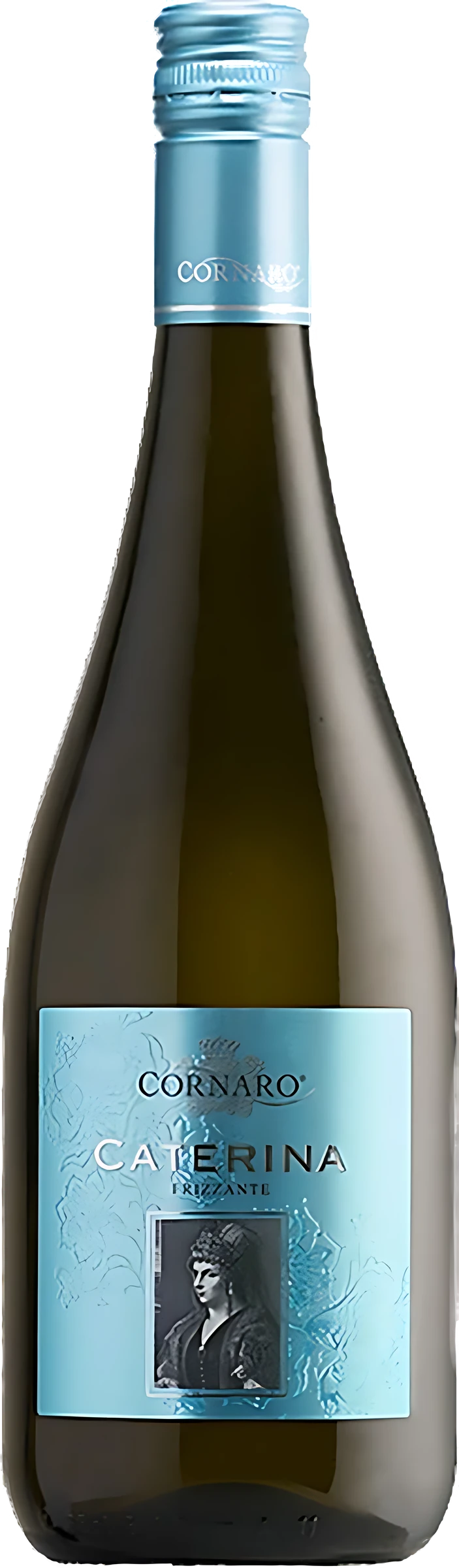
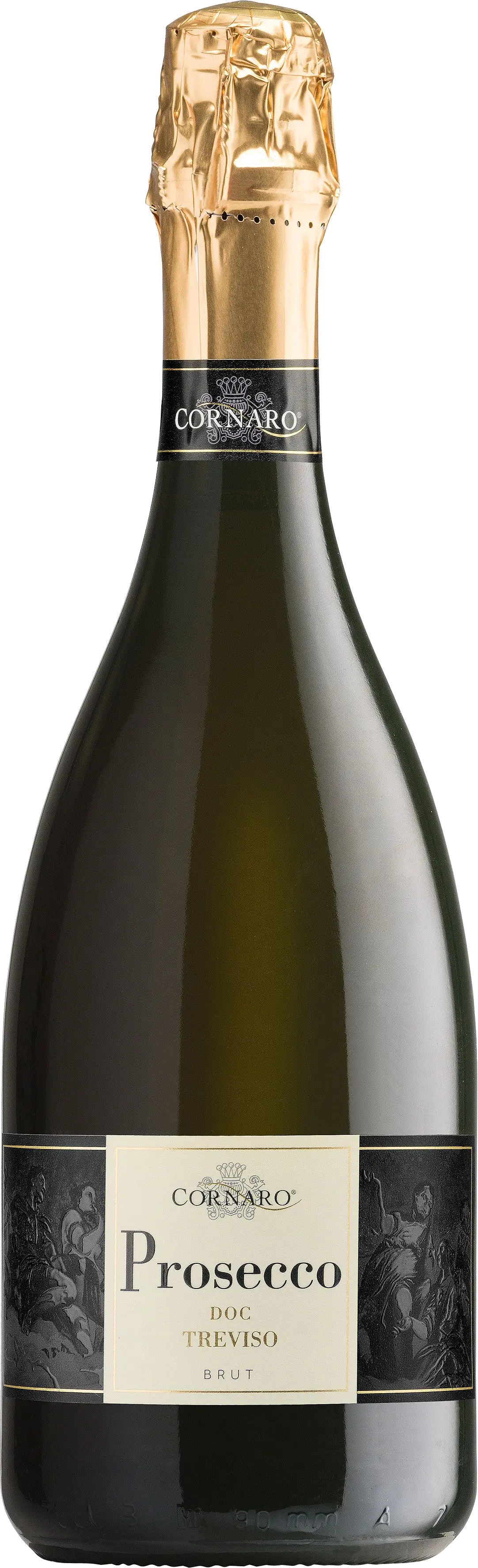
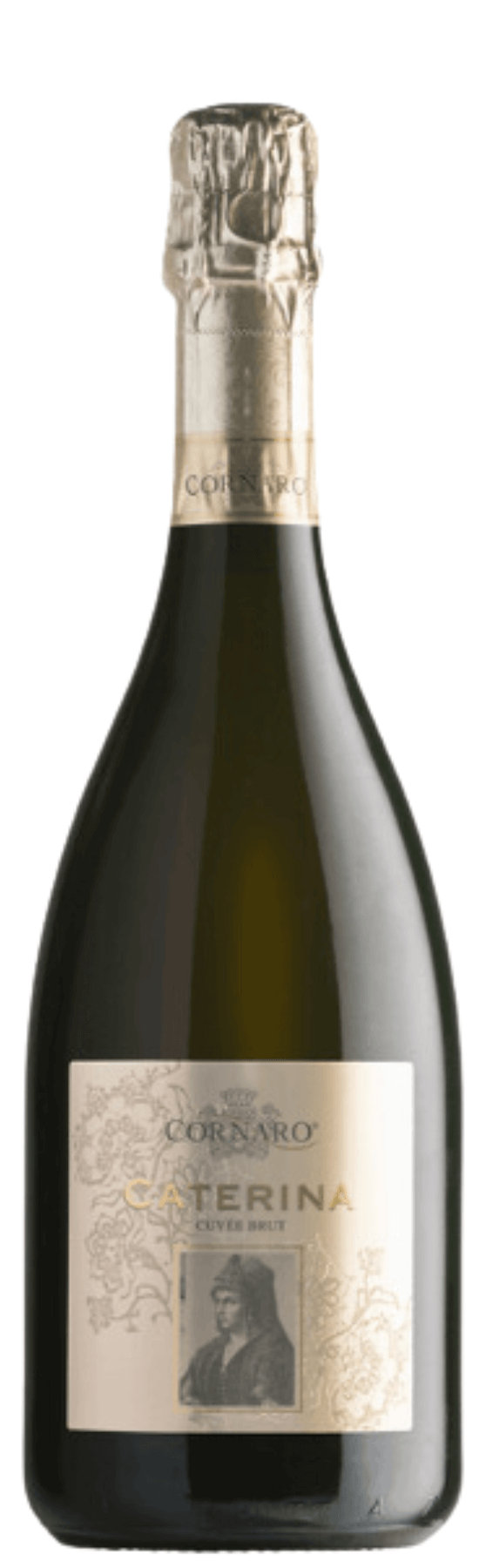
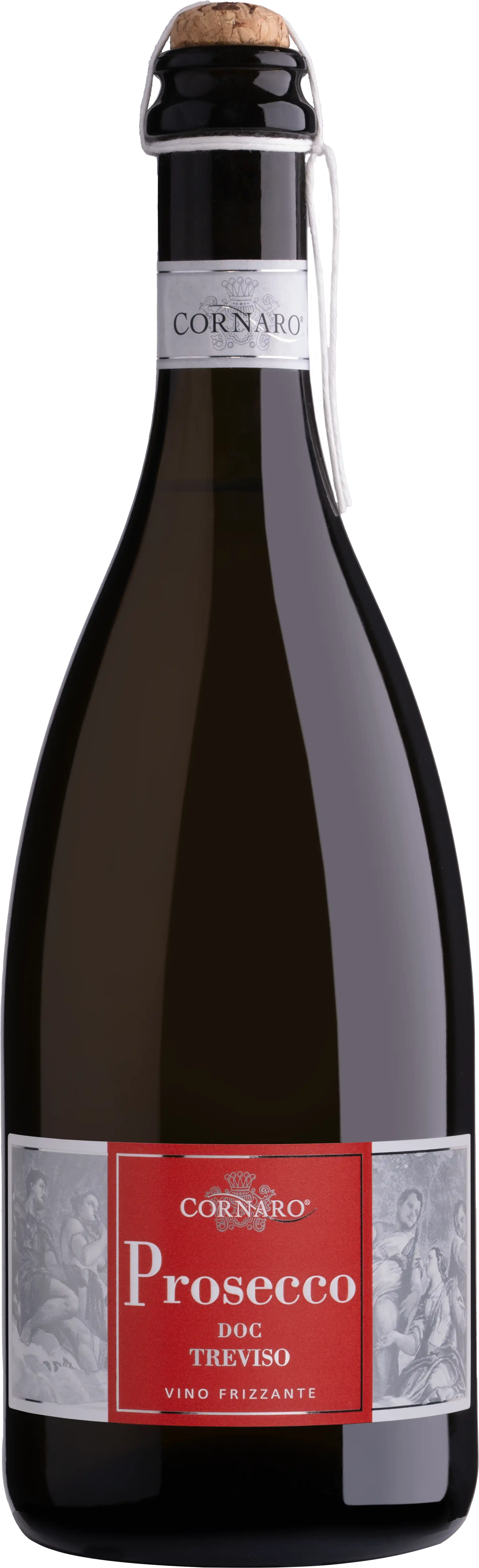
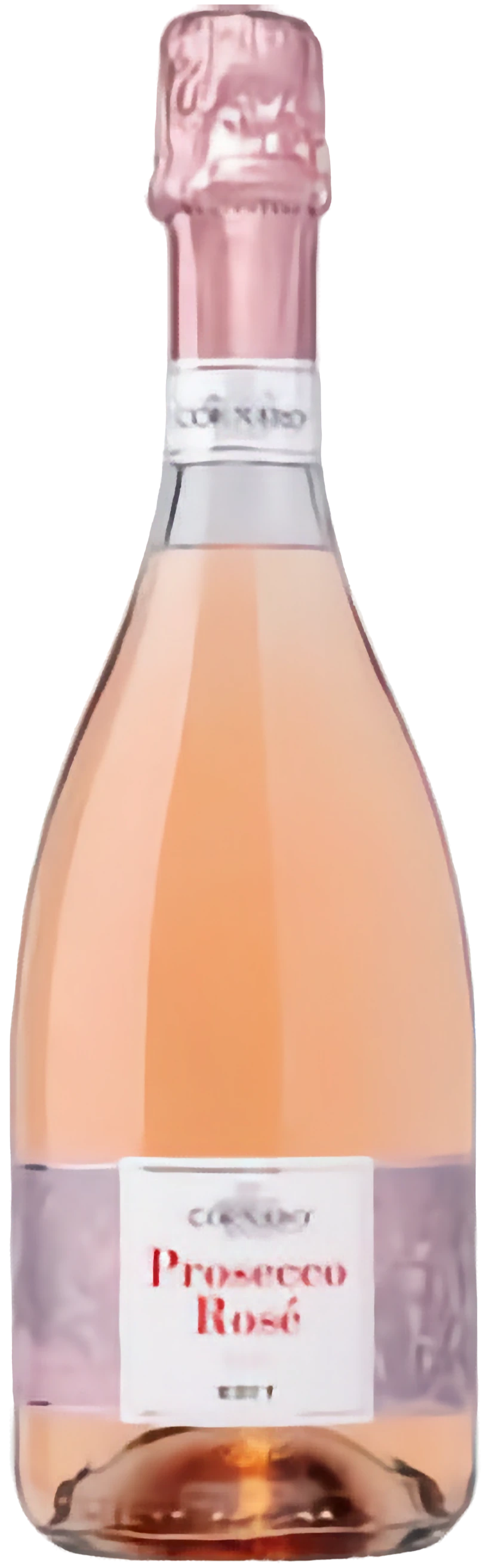
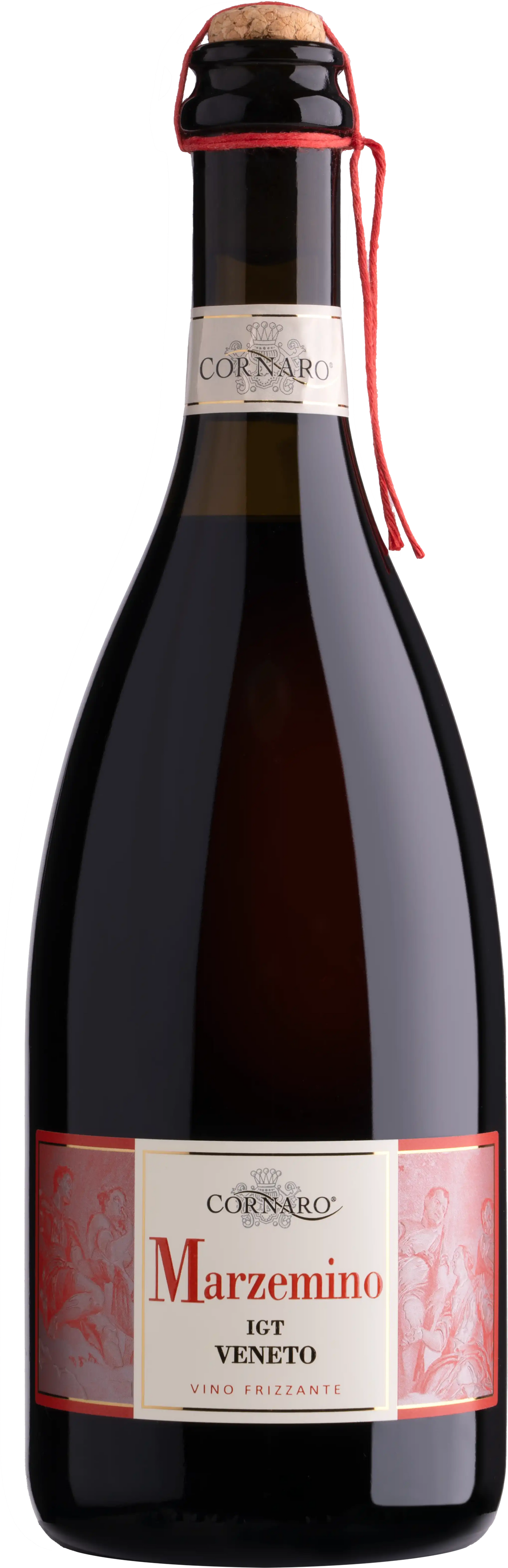
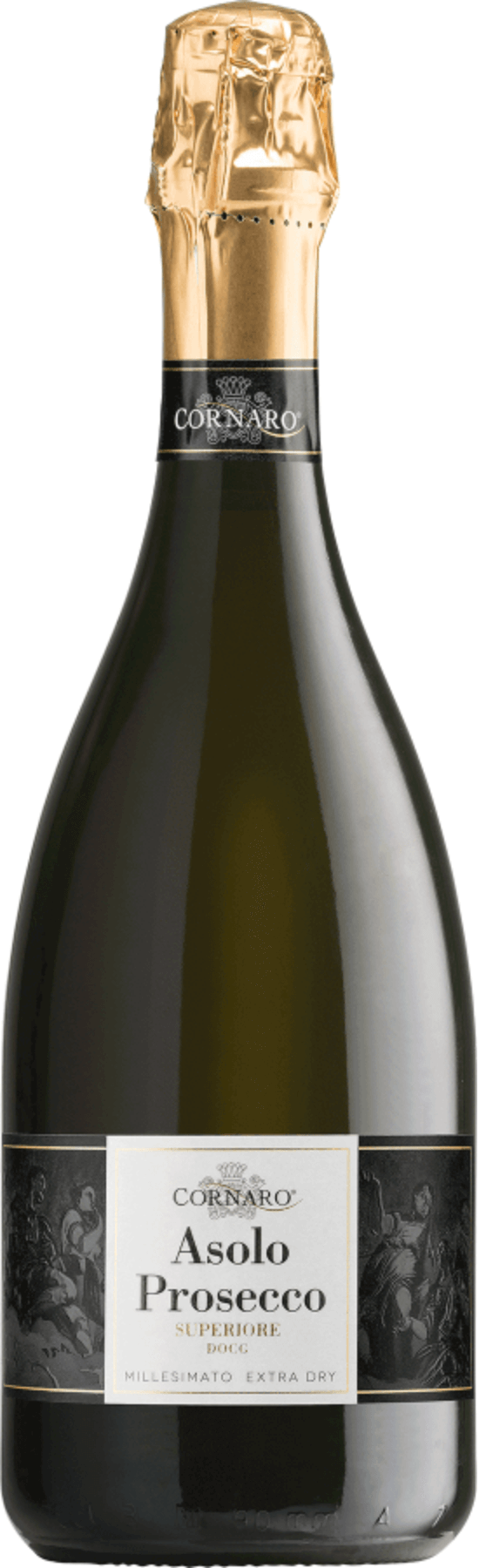
The range consistently revolves around the strengths of the region. At the center are the sparkling wines from the Glera grape: The Asolo Prosecco Superiore DOCG — produced using the Charmat method from sites in the Colli Asolani — shows the typical characteristics of the denomination: apple, white peach fruit, a clear acid line, and a fine, persistent perlage. As the only cooperative within the Asolo Prosecco DOCG, Cantina Montelliana controls the entire production chain from the vineyard to bottling. Under the Cornaro brand, there are both Prosecco DOC Treviso in the Spumante and Frizzante versions, as well as a rosé variant and the Cornaro Marzemino Frizzante IGT — a red Frizzante from the aromatic Marzemino grape, which has been grown in the Veneto for centuries. The breadth reflects what has defined Cantina Montelliana since its founding: not a single style, but an honest cross-section of what the hills between Asolo and Montebelluna have to offer.