
Berlin Wine Trophy 2023 oder 2024
Awarded by Berlin Wine Trophy
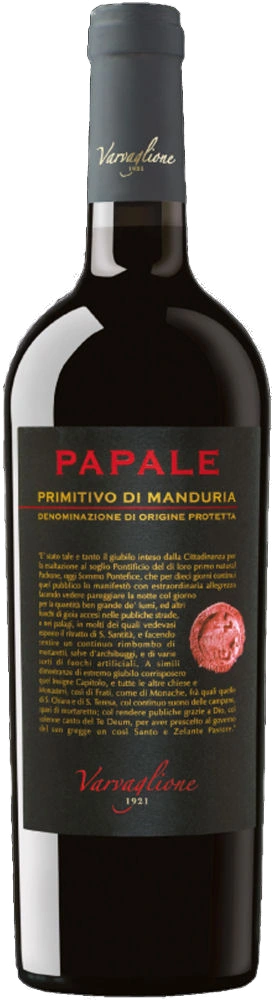
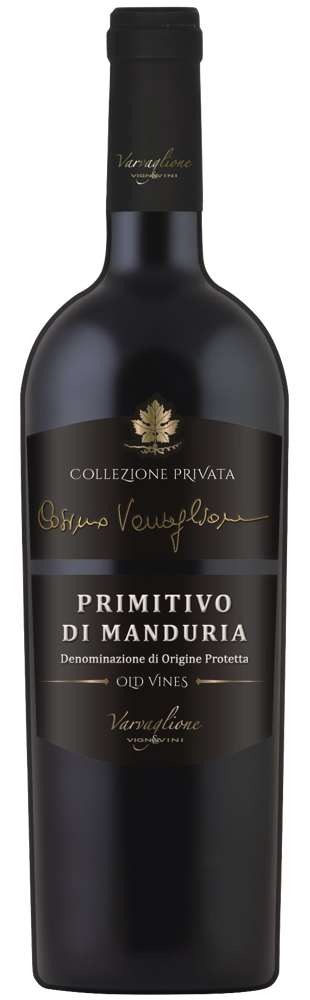
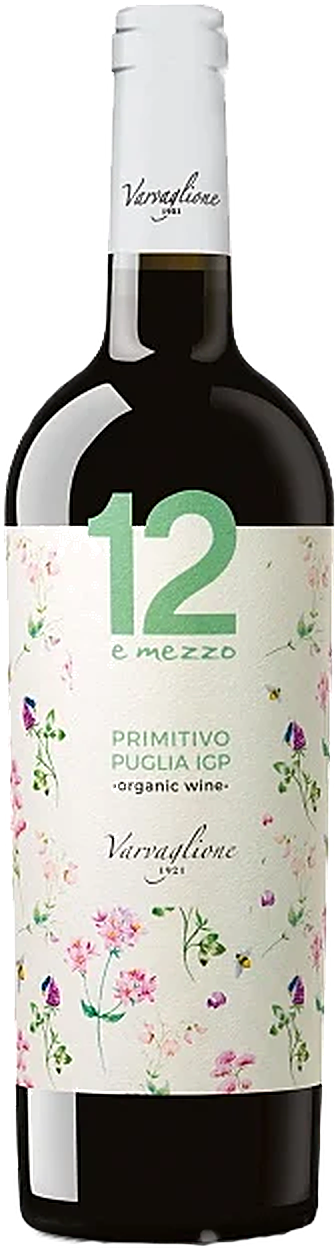
Varvaglione Papale Primitivo di Manduria

Varvaglione Papale Primitivo di Manduria
A Primitivo di Manduria that shows why Apulia is one of Italy's most reliable addresses for this grape variety: dense, ripe, with a soft melt and plenty of aromatic depth.
Varvaglione 1921 has been cultivating Primitivo in Salento for over 100 years. The grapes for the Papale come from old vineyards around Taranto, near the Ionian Sea — a climate with long, hot summers and soils that give the Primitivo its typical ripeness and density.
In the glass, the wine shines ruby red with violet reflections. The nose is dominated by fruit jam, blackcurrant, blackberry, and dark cherry—accompanied by cocoa and a hint of licorice. On the palate, it is round and smooth, with soft tannins and a lingering, aromatic, and spicy finish.
Serving temperature 16–18 °C. Pairs well with brasato al vino rosso, grilled leg of lamb with rosemary butter, or mature pecorino cheese. Also a convincing and uncomplicated accompaniment to an evening meal, requiring no cooking effort.
Nutritional values per 100 ml
Legal & trade information
Reviews
Nice red wine
Translated from German
Very good Primitivo
Translated from German
Small price - Super wine
Translated from German
tastes good!
Translated from German
Andreas J.
Excellent
Translated from German
Guenther D.
xxxxxxxxxxxxxxxxxxxxxxxxxxxxxxxxxxxxxxxxxx
Translated from German
Nicolai M.
Top wines and prompt and uncomplicated processing and
Translated from German
Log in to review this product.

The Varvaglione family winery is located near the Ionian coast, overlooking the Gulf of Taranto and the city of the same name, also known as "the city of two seas," which is bordered by the Ionian Sea along its coast and the inland Mare Piccolo. The soils on which the vines grow are diverse, but predominantly calcareous clay with fossils and iron oxides, which give the soil its characteristic reddish hue. The iron present in the soil aids drainage and prevents stagnation after rainfall, making this red soil among the most suitable for wine production.
Leporano (Taranto)varvaglione.com
More from Varvaglione 1921
Luca Maroni Bewertung
Awarded by Luca Maroni
Berlin Wine Trophy 2019 – Gold
Awarded by Berlin Wine Trophy (DMW)
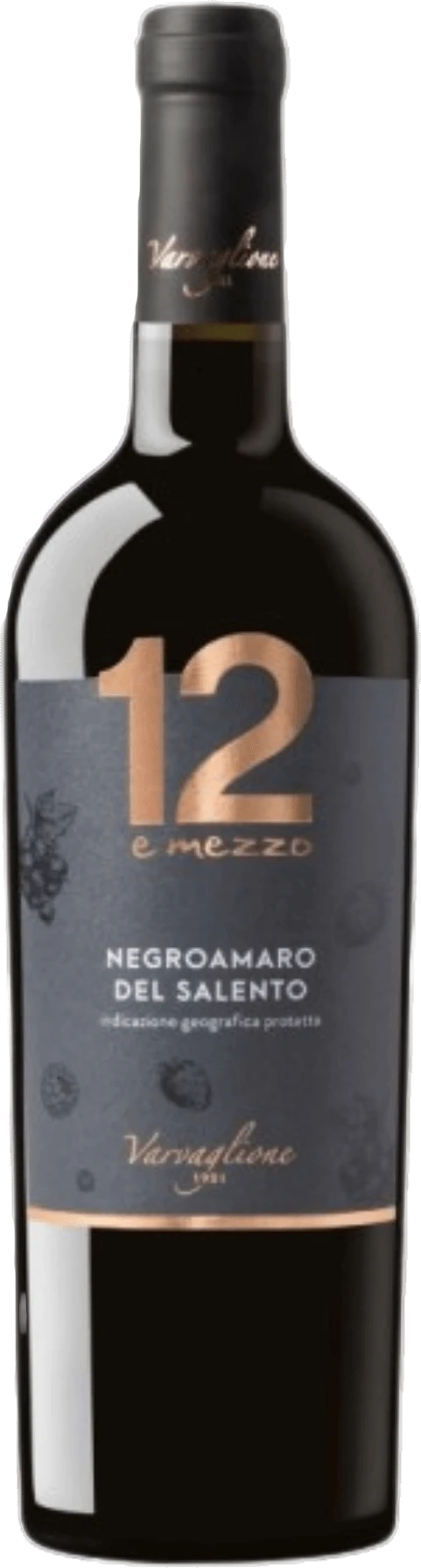
Berliner Wein Trophy
Awarded by Berlin Wine Trophy
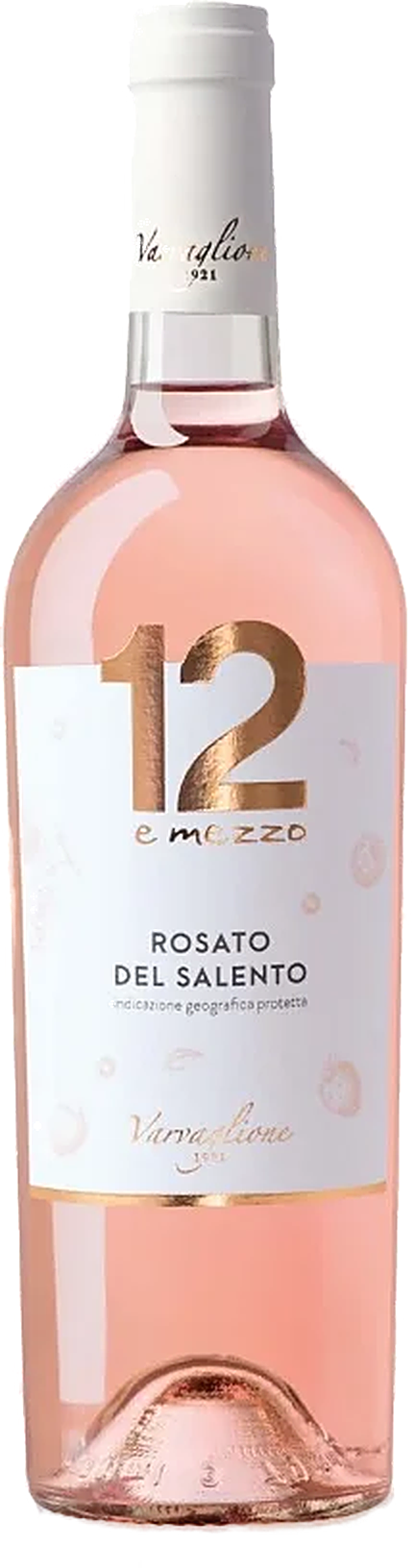
Gambero Rosso 3 Bicchieri 2024 (für Jahrgang 2020)
Awarded by Gambero Rosso

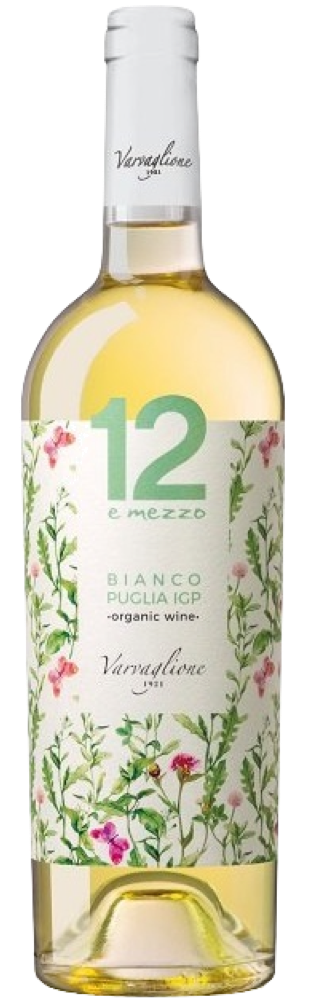
Japan Women's Wine Awards 2017
Awarded by Japan Women's Wine Awards


Only Good News!
Promise!
Only Good News!
Promise!
Similar products
New Zealand International Wine Show Gold 2020
Awarded by New Zealand International Wine Show
Mundus Vini Gold
Awarded by Mundus Vini
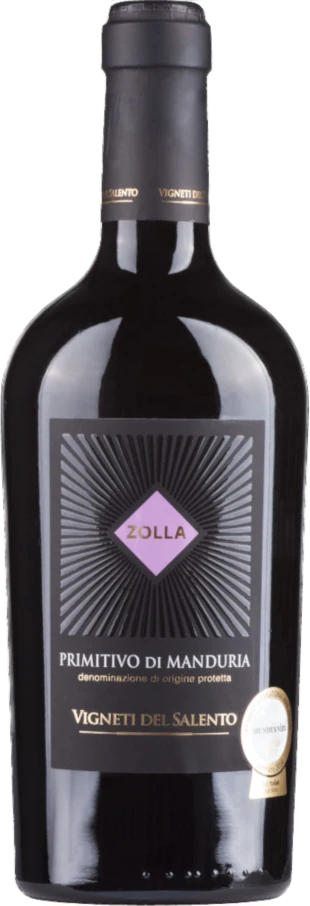
MundusVini 2025 Goldmedaille
Awarded by Mundus Vini
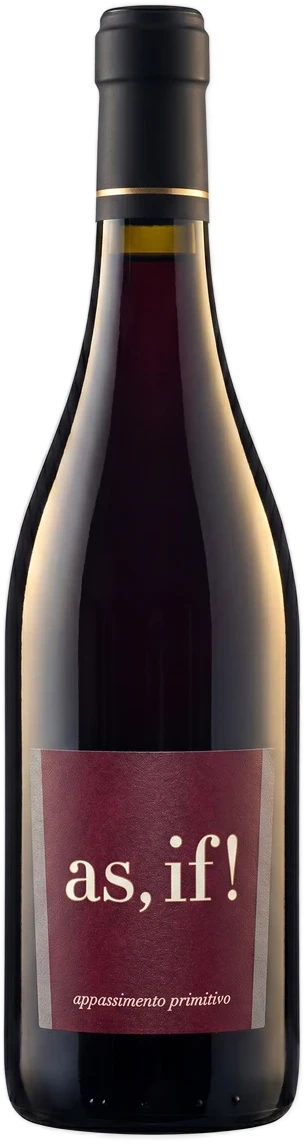
Berlin Goldmedaille 2024
Awarded by Berlin Wine Trophy/Berliner Weintrophy