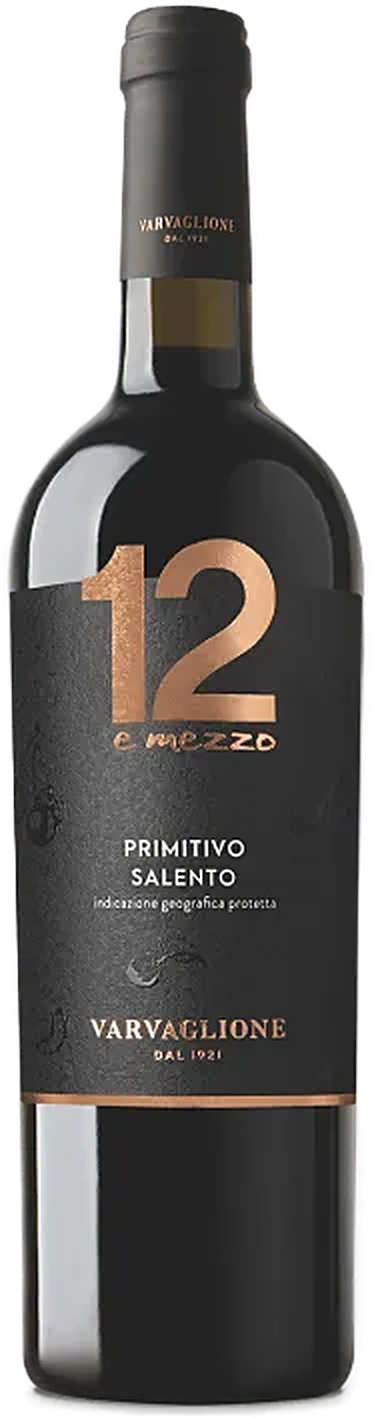
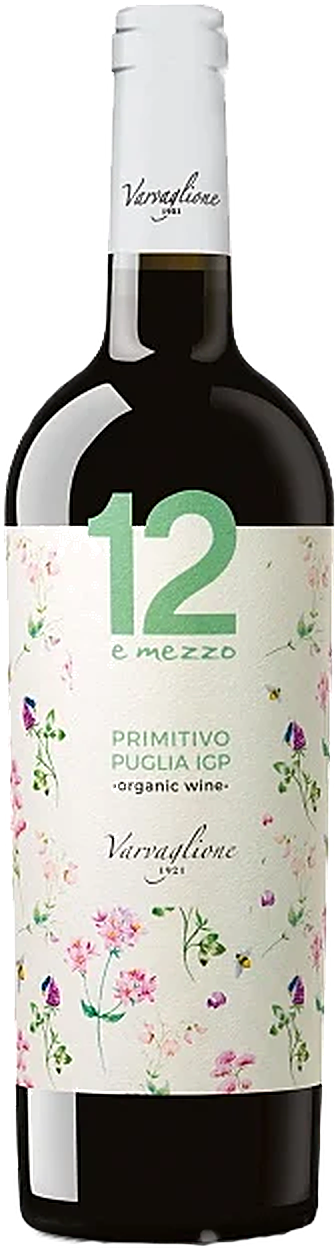
Varvaglione 12 and mezzo Primitivo del Salento

Varvaglione 12 and mezzo Primitivo del Salento
A Primitivo from Apulia that shows why this grape variety finds its true potential in the Salento plain: dark-fruited, full-bodied, with southern warmth – but without the heaviness of some of its counterparts from the region.
Varvaglione has been rooted in Salento since 1921 and is now run as a family winery in its third generation. The estate specializes in indigenous Apulian grape varieties; the 12 e mezzo – named for its alcohol content – is among its most famous cuvées.
In the glass, the wine shines a deep ruby red. The nose offers blackberry jam, ripe plum, and a hint of licorice. On the palate, velvety tannins and fully ripe fruit unfold, culminating in notes of cocoa and vanilla – classic characteristics of barrel aging. The gold medal awarded at the 2016 Berlin Wine Trophy underscores the reliable craftsmanship of this vintage.
Serving temperature: 16–18 °C. Pairs well with braised lamb shoulder, beef stew with rosemary, grilled entrecôte, or spicy tomato sauce dishes. Also a good choice with durum wheat pasta and ragù.
Nutritional values per 100 ml
Legal & trade information

Reviews
Shop customer
I will order it again.
Translated from German
Maria W.
a great full-bodied red wine, also for grilled meat or pasta
Translated from German
Good Primitivo with moderate alcohol content
Translated from German
Shop customer
Recommended
Translated from German
Log in to review this product.
Frequently asked questions
How does the Varvaglione 12 e mezzo Primitivo taste?
Is the wine dry?
What does the Primitivo pair best with?
At what temperature do I serve the wine?
How do I keep an opened bottle?
What is behind the name "12 e mezzo"?

The Varvaglione family winery is located near the Ionian coast, overlooking the Gulf of Taranto and the city of the same name, also known as "the city of two seas," which is bordered by the Ionian Sea along its coast and the inland Mare Piccolo. The soils on which the vines grow are diverse, but predominantly calcareous clay with fossils and iron oxides, which give the soil its characteristic reddish hue. The iron present in the soil aids drainage and prevents stagnation after rainfall, making this red soil among the most suitable for wine production.
Leporano (Taranto)varvaglione.com
More from Varvaglione 1921

Berlin Wine Trophy 2023 oder 2024
Awarded by Berlin Wine Trophy
Luca Maroni Bewertung
Awarded by Luca Maroni
Berlin Wine Trophy 2019 – Gold
Awarded by Berlin Wine Trophy (DMW)
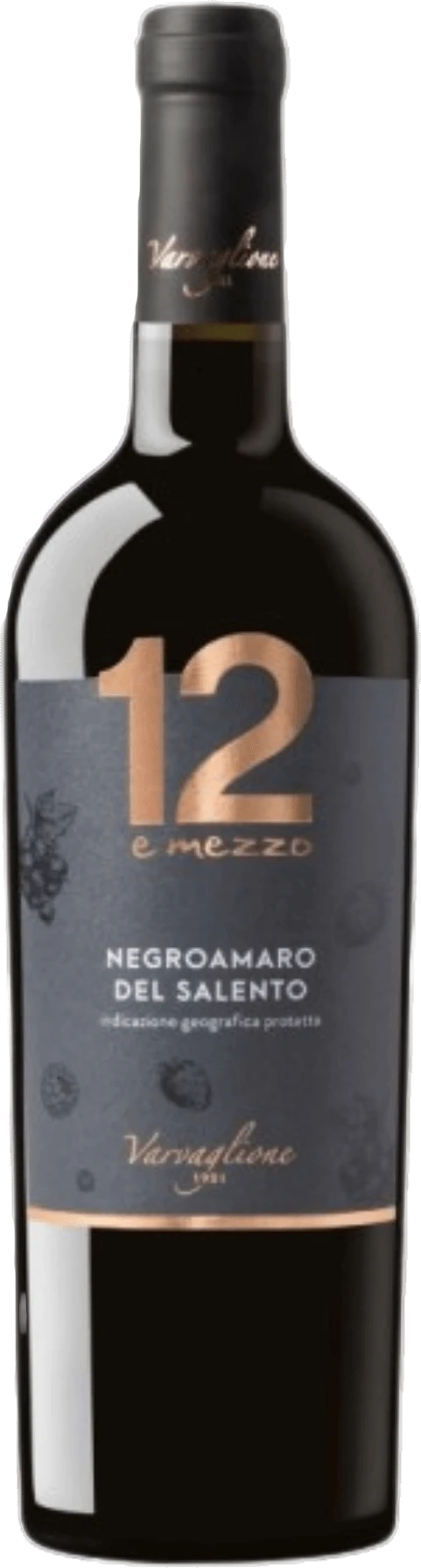
Berliner Wein Trophy
Awarded by Berlin Wine Trophy
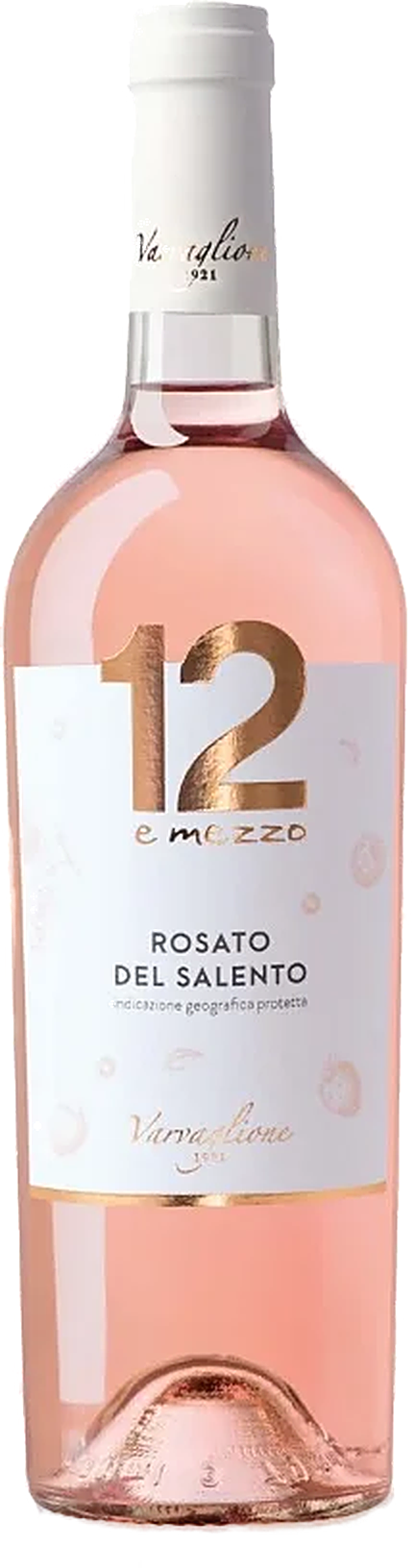
Gambero Rosso 3 Bicchieri 2024 (für Jahrgang 2020)
Awarded by Gambero Rosso
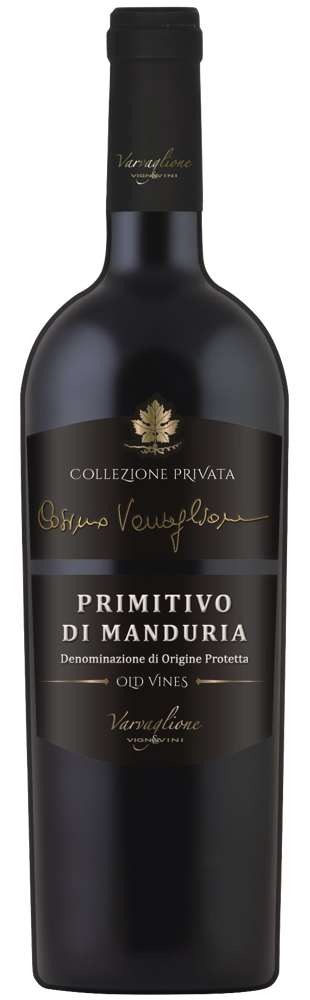

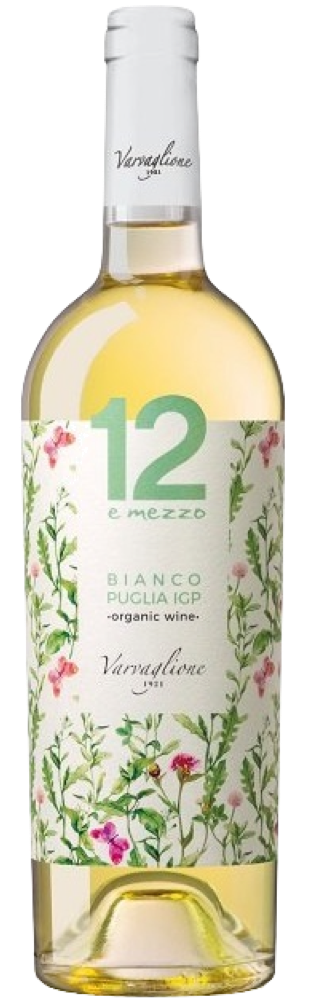
Japan Women's Wine Awards 2017
Awarded by Japan Women's Wine Awards


Only Good News!
Promise!
Only Good News!
Promise!
Similar products
New Zealand International Wine Show Gold 2020
Awarded by New Zealand International Wine Show
Mundus Vini Gold
Awarded by Mundus Vini
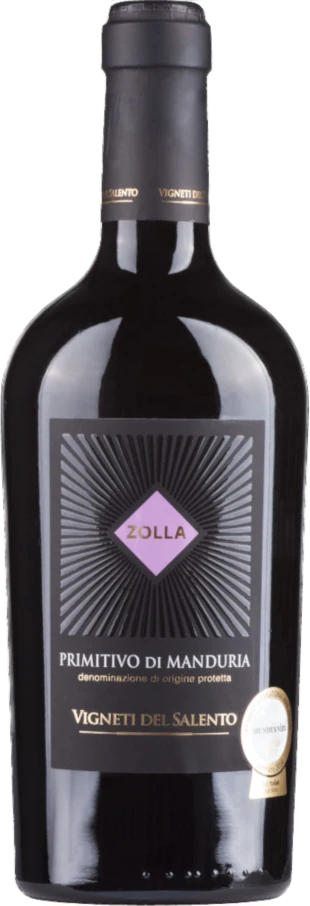
MundusVini 2025 Goldmedaille
Awarded by Mundus Vini
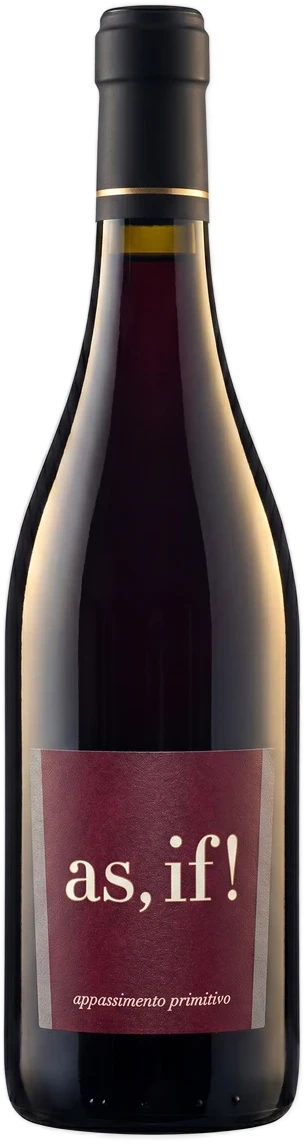
Berlin Goldmedaille 2024
Awarded by Berlin Wine Trophy/Berliner Weintrophy