From the vintner guild in 1447 to Austria's largest wine cooperative
The history of Winzer Krems goes deeper than the cooperative's founding year suggests. Its roots lie in the Krems and Stein vintner guild, which was first mentioned in documents in 1447 and is considered the oldest vintner guild in the German-speaking world. The wine cooperative itself was founded on July 3, 1938, with its headquarters at Sandgrube 13 in Krems an der Donau — an address that has stood for Krems wine culture ever since. The cooperative has faced up to the circumstances of its founding: A scientific final report prepared by independent historians documents how parts of today's company premises were forcibly taken from the Jewish wine merchant Paul Robitschek and his mother Johanna during the Nazi era. With a memorial plaque on the site, the cooperative is making a visible sign of this remembrance. Today, Winzer Krems eG unites around 600 member vintners who together cultivate 1,200 hectares of contracted vineyard area in the Kremstal and the adjacent areas of Wachau, Kamptal, Traisental, and Wagram — making it Austria's largest quality wine producer.
Certification according to “Nachhaltig Austria” and precise cellar technology
Every member business works according to binding guidelines for pruning, soil cultivation, canopy management, and plant protection. Targeted yield reduction is the focus: only physiologically ripe, healthy grapes are delivered, exclusively hand-picked according to a strict harvest plan, sorted by variety, quality level, and origin. In the cellar, a gentle whole-bunch pressing with pneumatic presses follows, then temperature-controlled fermentation and aging, which is geared towards varietal purity and freshness. From 2019, the cooperative invested extensively in two new cellars, a new bottling plant, and a new bottle warehouse at Sandgrube 13 — according to its own statements, the largest investment in the company's history. The consequence of this modernization was also the certification according to “Nachhaltig Austria” from the 2022 vintage: an independent control procedure that checks around 360 measures in nine areas — including climate, energy, soil, biodiversity, and water. District heating instead of gas, a green roof, and a photovoltaic system for the cellar and bottling are concrete implementation steps. All member businesses were involved in the certification process.
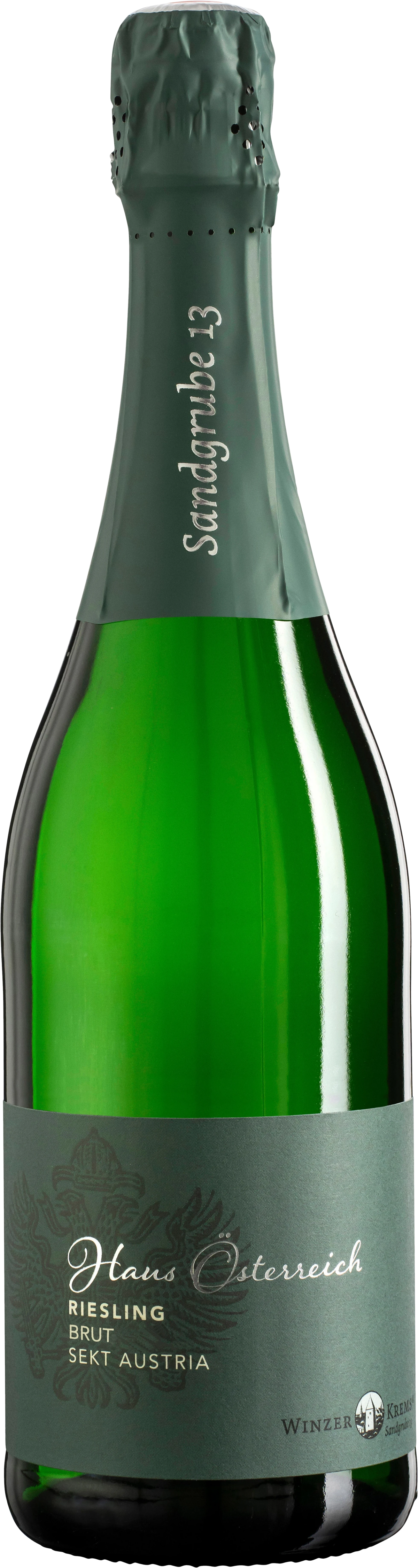
Grüner Veltliner, Riesling, and a broad spectrum from Krems loess and primary rock
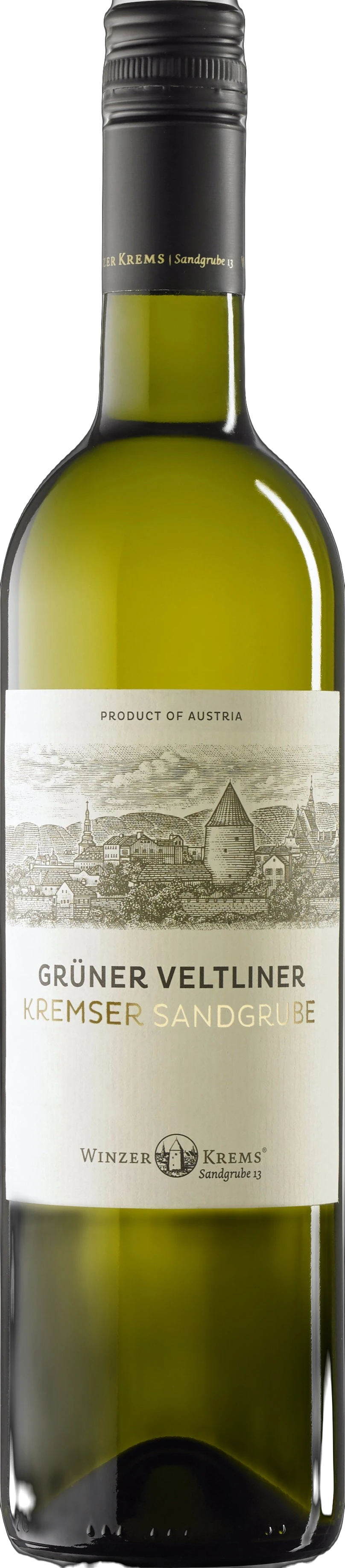
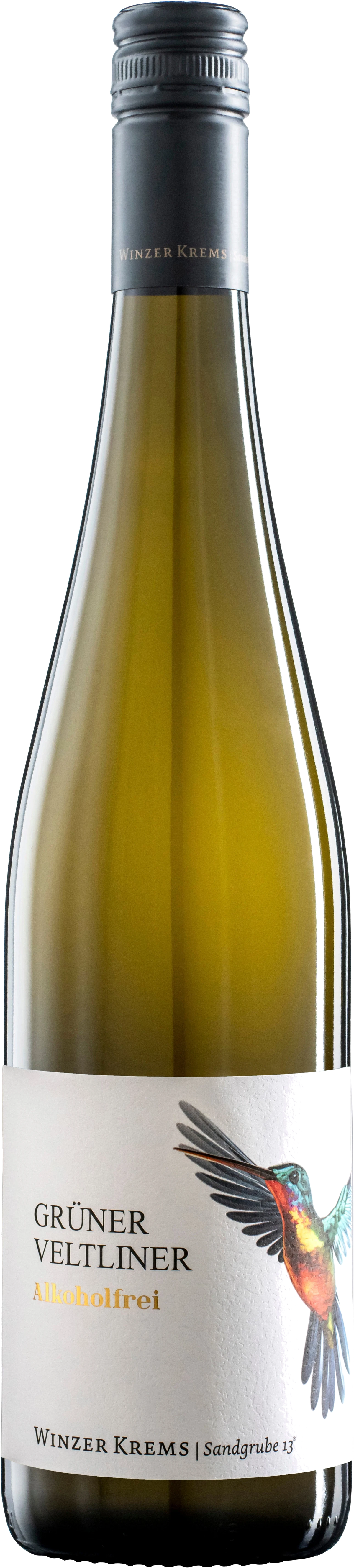
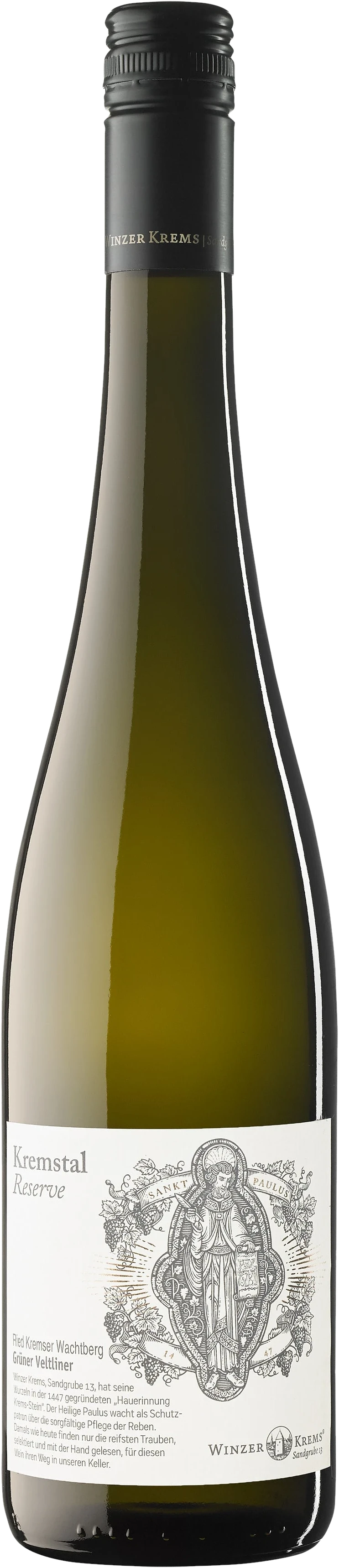
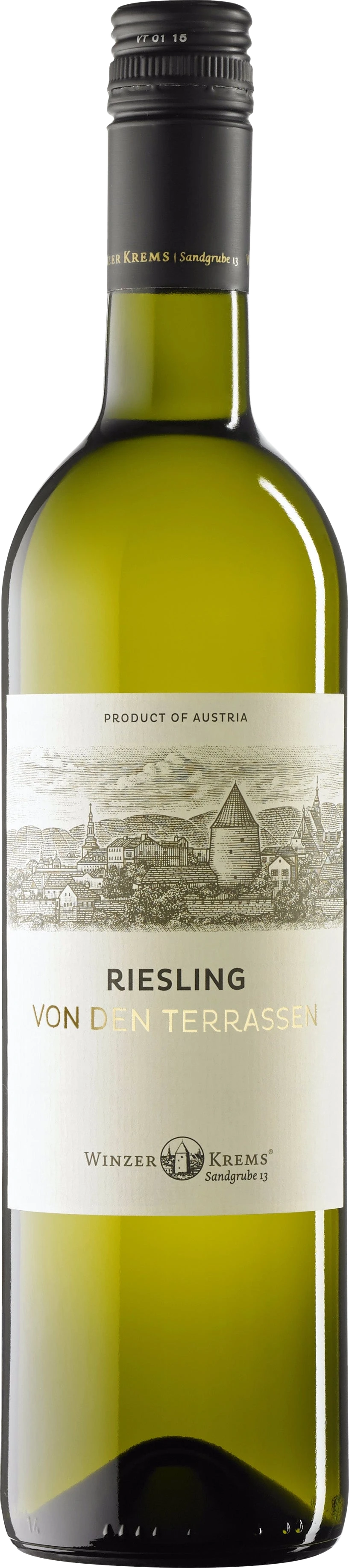
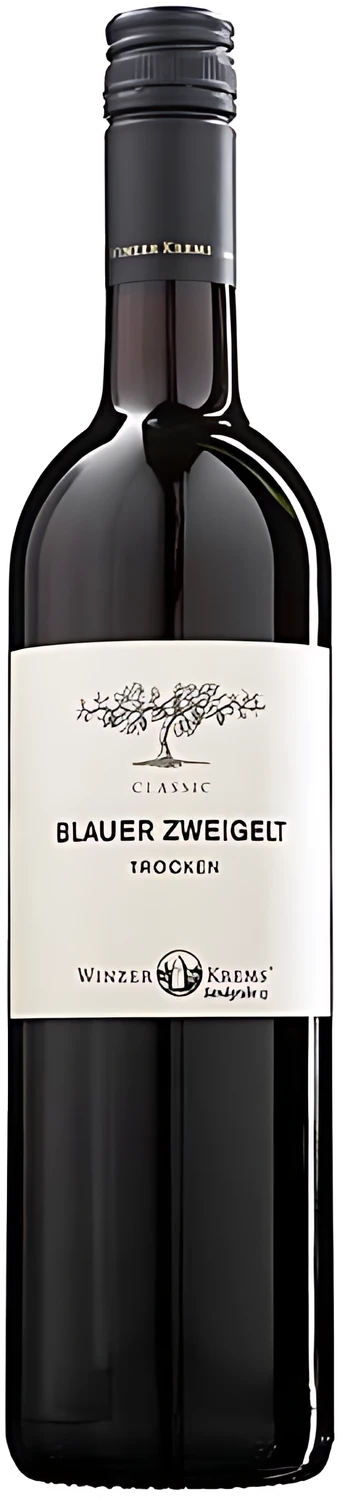
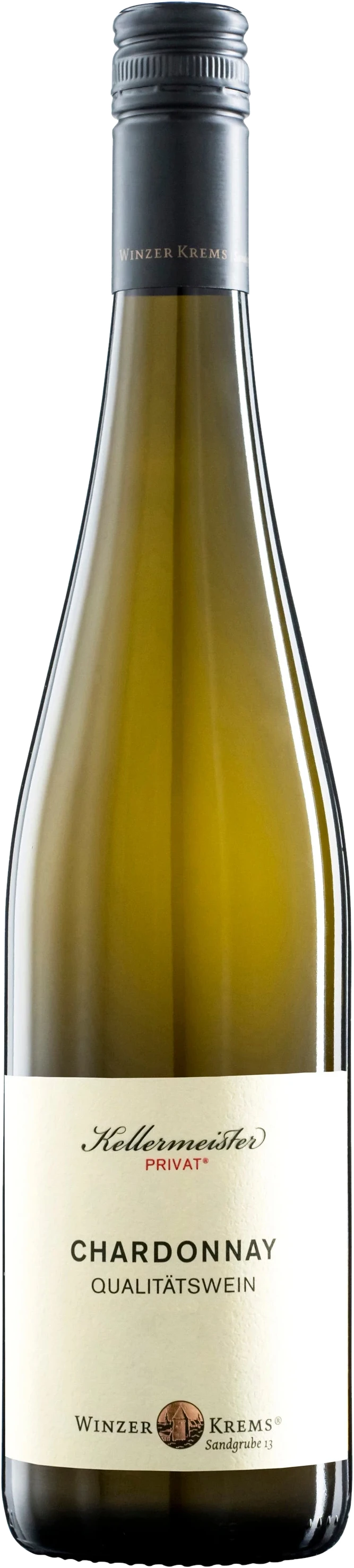
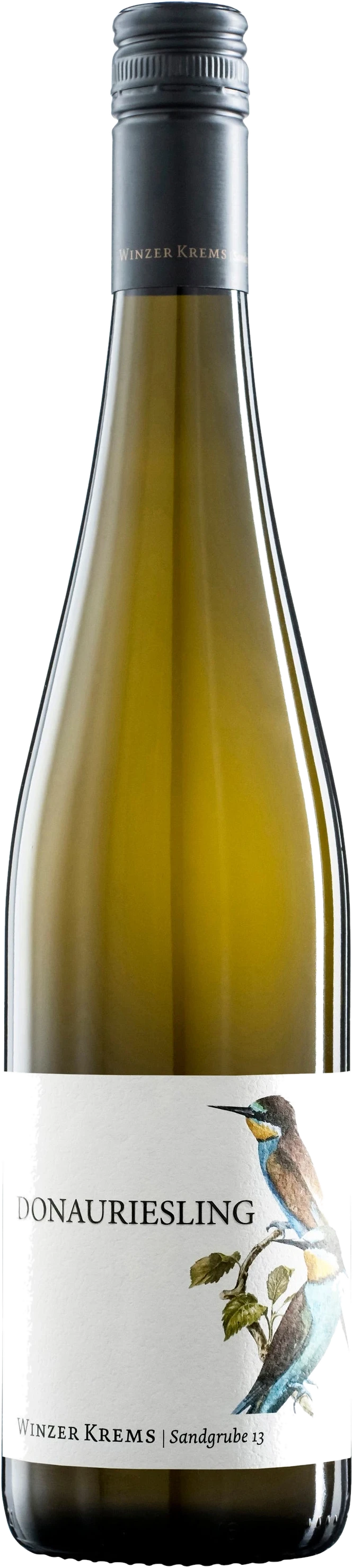
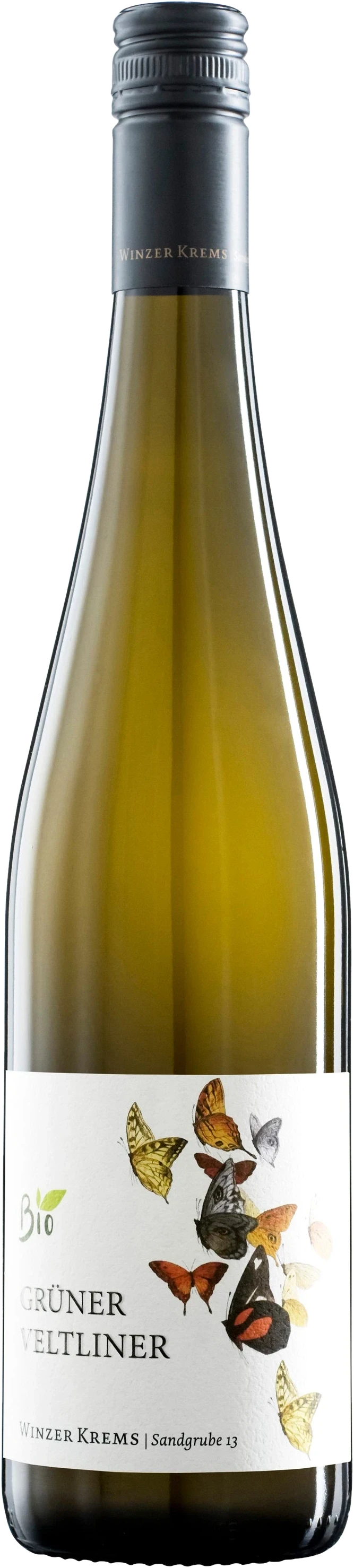
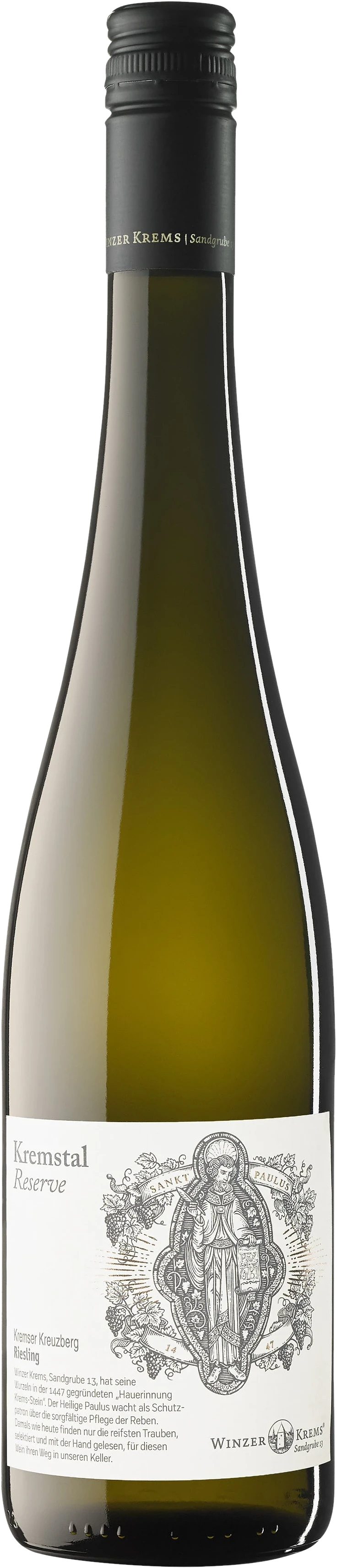
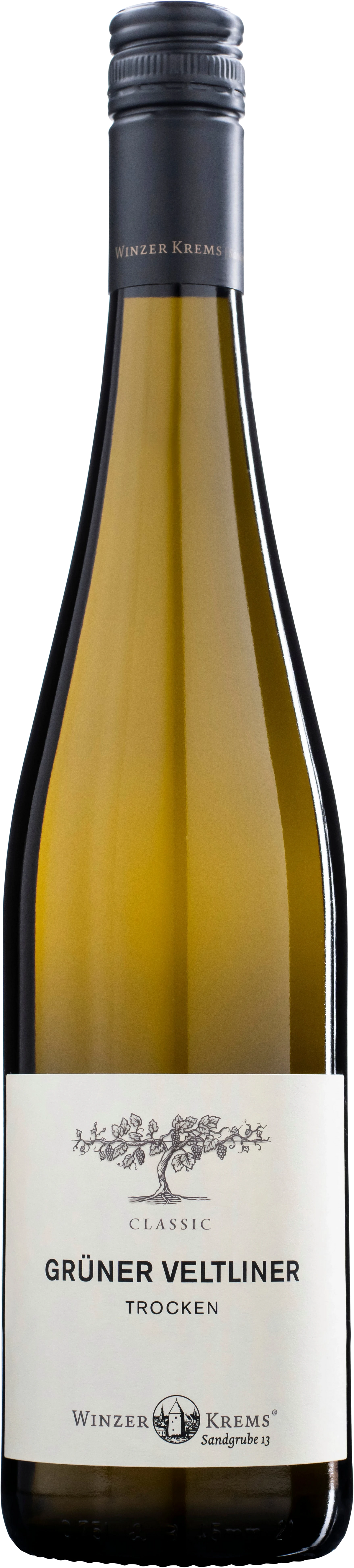
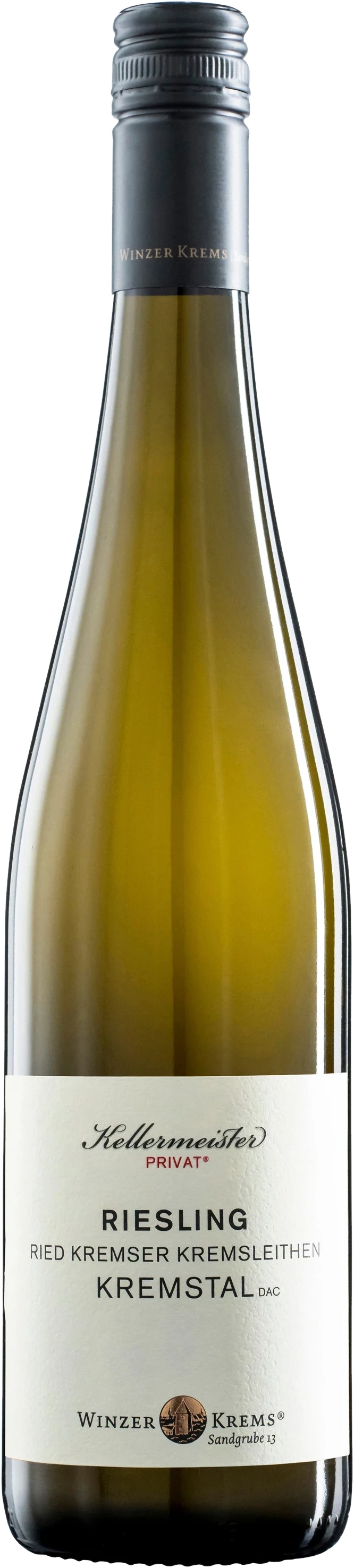
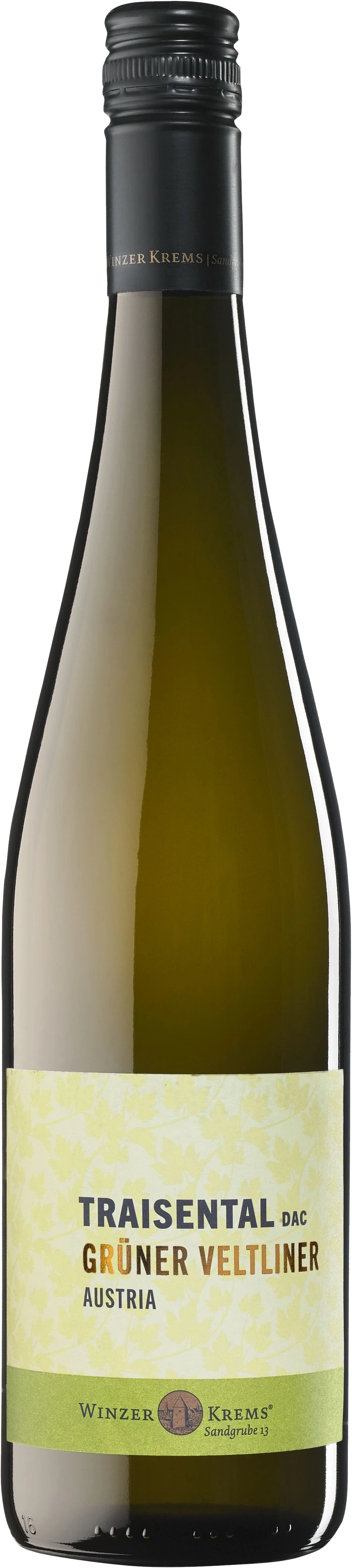
The assortment reflects the natural conditions of the Kremstal: loess and primary rock shape the soils, warm Pannonian air from the east brings ripeness, cool nights from the nearby Waldviertel preserve the acid structure. The Grüner Veltliner — with around 57% of the vineyard area the dominant variety — shows its classic signature here: peppery spice, lively acidity, fruit from apple and pear to tropical notes, depending on the site. The most important sites of the member businesses are Kremser Sandgrube, Kremser Goldberg, Kremser Wachtberg, Kremser Kremsleiten, and Kremser Kreuzberg. Riesling (around 7% vineyard area) from the steep slopes appears more precise and mineral, with a taut acid backbone. Blauer Zweigelt complements the assortment on the red wine side with cherry fruit and velvety structure. The collection is clearly tiered: from the accessible entry-level wines of the “Sandgrube 13” line to the characterful Kellermeister-Privat single-vineyard wines to the dense reserves of the Edition Chremisa. In addition, there is the non-alcoholic Grüner Veltliner, an organic-certified Grüner Veltliner, as well as the Donauriesling typical of the Kremstal — an assortment that covers the stylistic range of an entire region.