From cooperative member to organic pioneer at the Kaiserstuhl
The history of the Schmidt winery begins long before its founding: Richard Schmidt took over the agricultural business in Eichstetten am Kaiserstuhl with his mother at the age of 14 – back then, it still included vegetables, cattle, pigs, and grapes that went to the local winegrowers' cooperative. It was only when Waltraud and Richard Schmidt started a family together that the conviction matured to dare something fundamentally different: in 1987, they converted the entire operation to organic farming and founded their own winery. At a time when sustainability in viticulture was still considered a pipe dream, this was a courageous decision – today, the winery is therefore rightly considered a pioneer. Certification as an ECOVIN operation followed in 1993. In 2013, Waltraud and Richard handed over responsibility to their daughter Helen and her husband Martin Schmidt, who have been running the estate as a dual leadership team ever since – and are consistently developing the signature of the first generation.
Biologically active soil, zero chemicals, PIWI pioneers
The winery stands on the terroir of the Eichstetter Herrenbuck: volcanic subsoil with a lime-rich loess layer, combined with the mild climate of the Kaiserstuhl – one of the warmest locations in Germany. Artificial fertilizers and chemical-synthetic substances are completely avoided; instead, the winery relies on biologically active soil and the targeted promotion of beneficial organisms. Intensive manual labor in the vineyard is not just a phrase here, but a fundamental requirement for healthy grapes. In the cellar, the principle is to neither remove nor add anything to the wines – natural vinification, gentle aging.
The true trademark of Helen and Martin Schmidt are the PIWI grape varieties: fungus-resistant breeds such as Souvignier Gris, Cabernet Blanc, Léon Millot, Maréchal Foch, and Johanniter. Compared to classic varieties, the need for plant protection is reduced by around 80 percent with PIWIs – an argument that is hard to beat for a consistent organic operation. Around 25 percent of the vineyard area is now planted with these varieties, making the Schmidt winery one of the leading PIWI operations in the Kaiserstuhl. In addition, classic Burgundy varieties such as Pinot Gris, Pinot Blanc, and Pinot Noir grow on the loess soil.
Wine style: terroir-driven, expressive, honestly dry
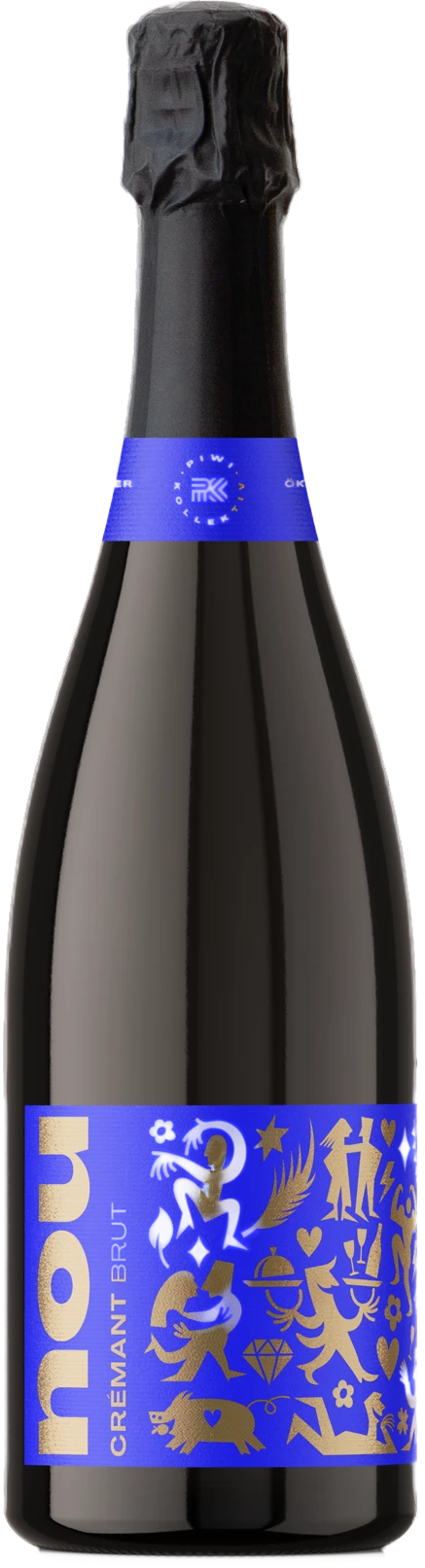
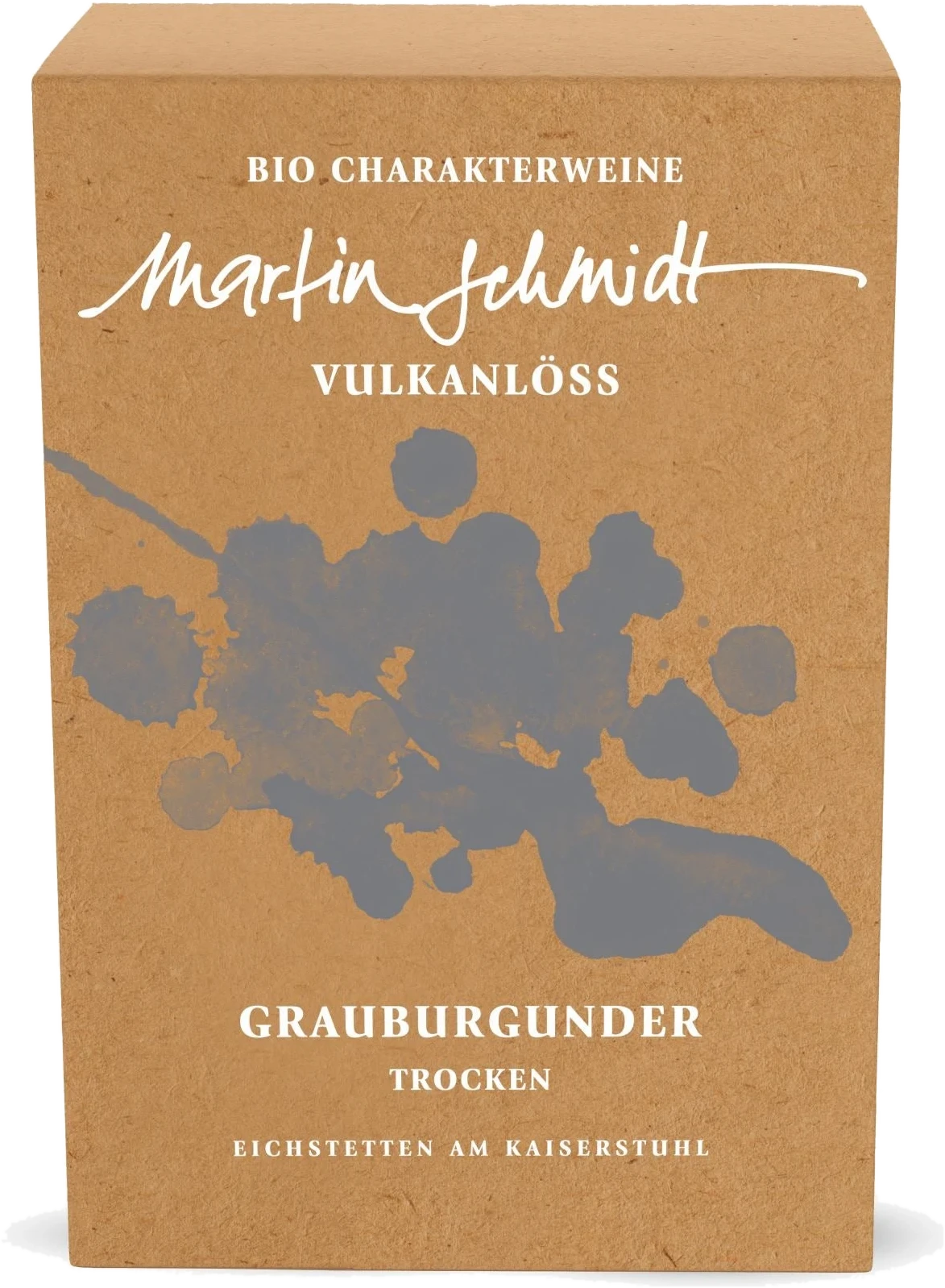
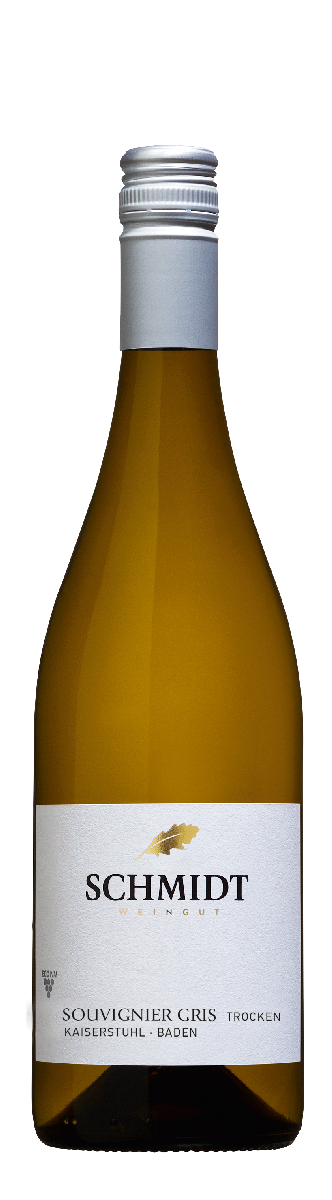
The wines of the Schmidt winery clearly carry the Kaiserstuhl terroir in the glass: the interplay of volcanic subsoil and lime-rich loess layer shapes wines with texture, depth, and a lively acid structure. The Souvignier Gris – one of the estate's lead grape varieties – shows this exemplarily: creamy structure, aromas of green apple and citrus, carried by fine, grippy acidity, long finish with a mineral aftertaste. The PIWI-Crémant brut from the collection line and the red wine cuvée Tamino also show that the PIWI philosophy does not mean a compromise in quality, but an independent style. Those who prefer classic Burgundy lines will find a reliable expression of the Eichstetter terroir in the Pinot Gris – also available as a practical bag-in-box. All wines carry the ECOVIN seal and are marketed as estate-bottled.