From Brandenburg to the Barossa: Five generations of wine history
The history of the Glaetzer family begins in 1888, when the first Glaetzers emigrated from Brandenburg to Australia — on board the North German Lloyd steamer "Habsburg", seven weeks at sea, destination Port Adelaide. In the northern Barossa Valley, they found a landscape that was in no way inferior to their homeland in terms of viticultural potential. The early Glaetzers already planted vines, some of which are still standing today. Winemaker Eric Glaetzer was head waiter at Saltram for decades; his son Colin followed as head waiter at Barossa Valley Estate, where he created, among other things, the iconic E&E Black Pepper Shiraz and was named Australian Winemaker of the Year in 2002. After these 30 years of professional experience, Colin founded his own winery in 1995 — with the clear goal of producing small quantities of exceptional Barossan red wines.
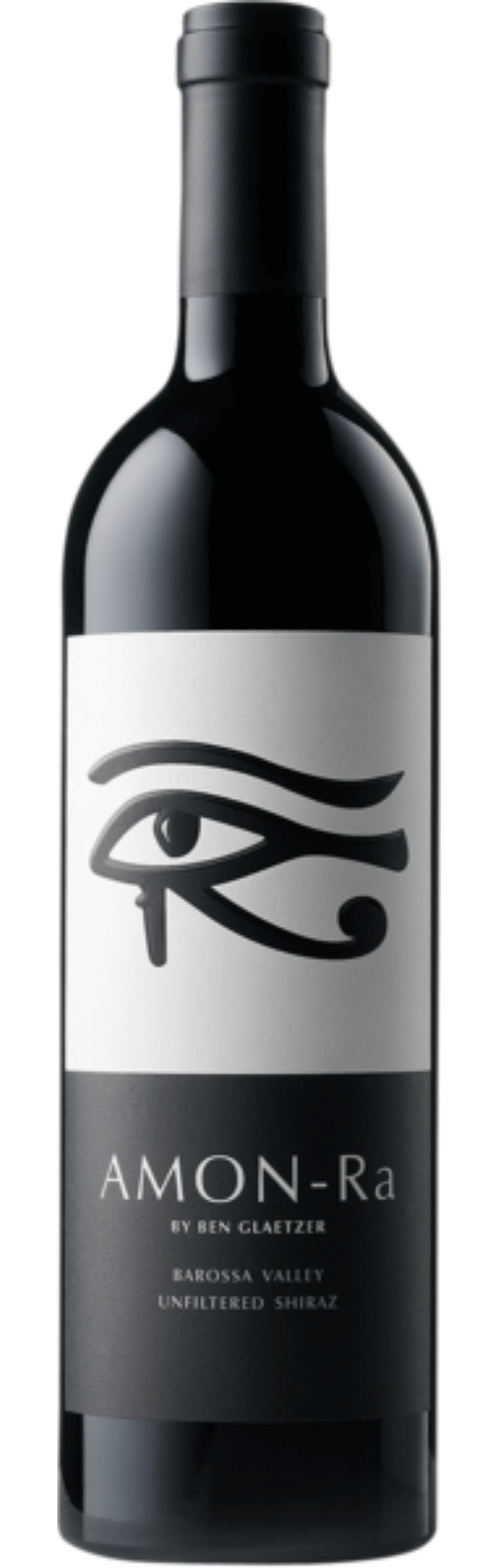
Today, the responsibility lies with Ben Glaetzer, Colin's son and the fifth generation in the Barossa. Ben studied viticulture at the University of Adelaide, gained experience as a flying winemaker in Australian, French, and Middle Eastern wineries, and then returned to Ebenezer to continue the family project. His Amon-Ra Shiraz was released for the first time with the 2001 vintage — the starting signal for a winery that has been causing a sensation internationally ever since.
Ebenezer terroir, minimal intervention, ancient bush vines
All fruit for Glaetzer Wines comes from Ebenezer, a small sub-region in the northern Barossa Valley. What is special there: sandy-loam soils over a solid limestone layer, well-drained and largely unirrigated — ideal conditions for dry-grown Shiraz. The centerpiece consists of ungrafted bush vines aged 80 to 110 years, whose yield in the oldest plots is just 0.5 to 1 ton per acre. These extreme yield reductions force a concentration from nature that no cellar intervention can imitate.
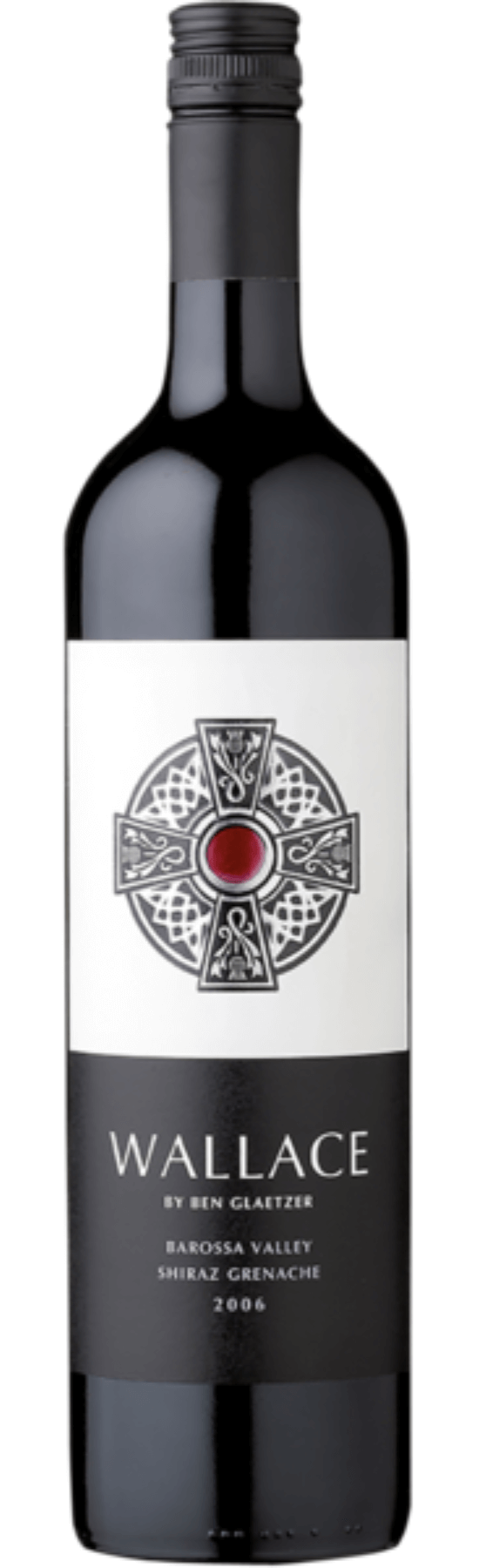
In the cellar, Ben works according to the principle of minimal intervention: a specifically neutral yeast strain emphasizes the natural fruit aromas instead of overpowering them. The musts spend extended time on the grape seeds, which promotes silkiness and tannin structure in equal measure. The malolactic fermentation proceeds naturally, and the aging takes place in French and American hogshead barrels — for the Wallace vintage, for example, 16 months in two- to three-year-old barrels, 80% French and 20% American. The Grenache portion in the Wallace remains deliberately wood-free to preserve its liveliness.
From Wallace to Amon-Ra: a range with a clear signature
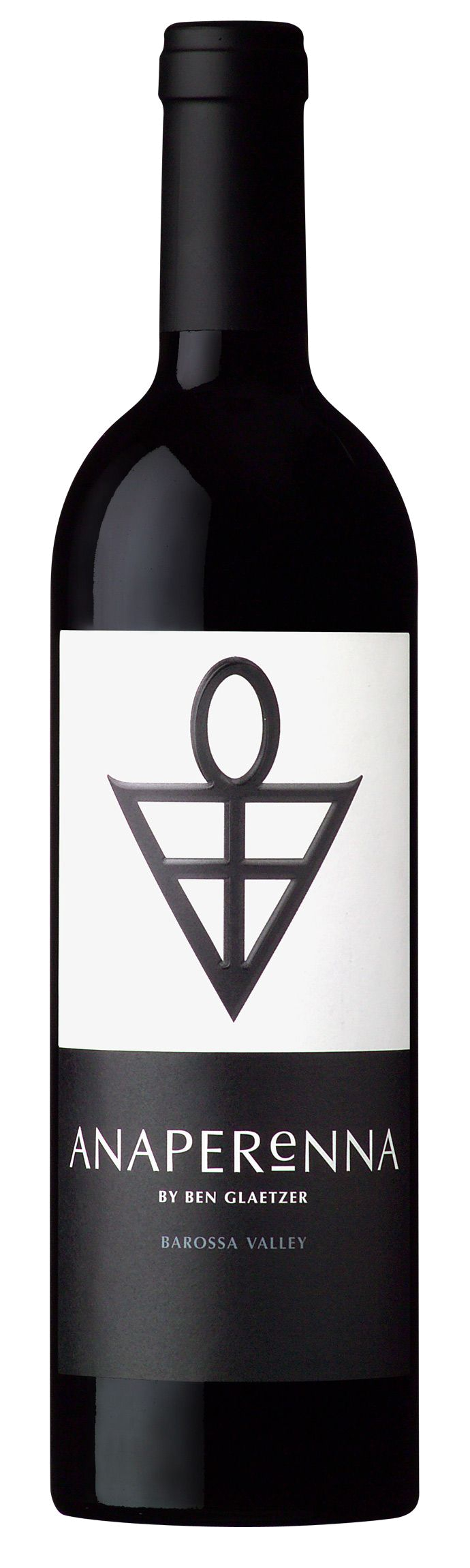
The range follows a consistent tiered principle. The Wallace Shiraz Grenache combines the structural depth of Shiraz with the juicy, red berry fruit of Grenache — accessible, but clearly Barossa-influenced. The Anaperenna brings Shiraz and Cabernet Sauvignon together: dark fruit, fine tannins, a long finish that balances the Barossa warmth with the structure of the Cabernet grape. At the top end is the Amon-Ra, an unfiltered Shiraz from the oldest Ebenezer sites — intense, multi-layered, yet not without elegance. All three wines share the same premise: fruit from exceptional terroir, as little cellar manipulation as possible, a style that is immediately recognizable as Barossan.