


Les Pagodes de Cos Saint-Estephe

Les Pagodes de Cos Saint-Estephe
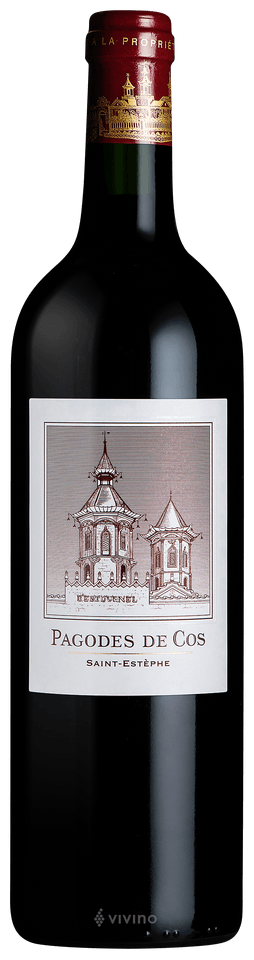
The second wine of Château Cos d'Estournel shows what Saint-Estèphe can do at its best: structured depth without heaviness, fruit with a clear direction.
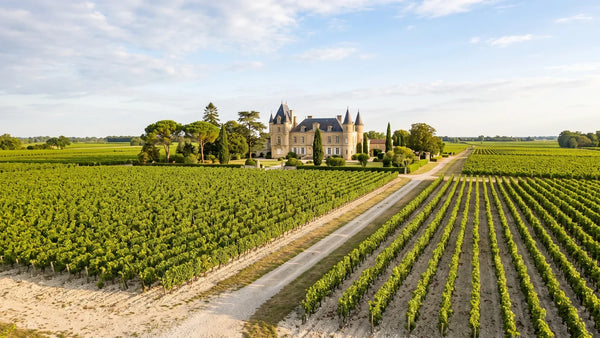
Cos d'Estournel is one of the most famous addresses in the Médoc — a Second Growth of 1855, whose striking pagoda towers define the panorama near Saint-Estèphe. Les Pagodes de Cos is made from grapes from younger vines as well as parcels that do not go into the Grand Vin. Typical cuvée: Cabernet Sauvignon as the backbone, supplemented by Merlot. Classic Bordelais aging in barriques.
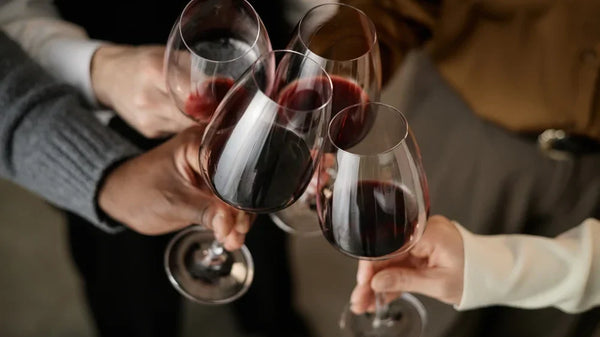
In the glass, a dense garnet red. On the nose, black blackberry, cassis, and a hint of pencil — the varietal-typical Cabernet profile from the Graves soils of Saint-Estèphe. On the palate, medium to full body, densely woven, with lively freshness and firmly integrated tannins. The finish is long, with a slightly mineral note in the aftertaste. Ratings between 92 and 95 points from Wine Enthusiast, James Suckling, Falstaff, and Jancis Robinson (17/20) confirm the class of the vintage.
Serving temperature 17–18 °C. Pairs with Côte de Bœuf, braised lamb shoulder, or aged Comté. If opening now, decant for at least one hour.
Nutritional values per 100 ml
Legal & trade information
Review this product
Log in to review this product.
Frequently asked questions
How does the Les Pagodes de Cos 2018 taste?
What does the Pagodes de Cos pair best with?
Do I need to decant the wine?
At what temperature should I serve it?
What is the difference compared to the Grand Vin from Cos d'Estournel?
How do I store the wine correctly?
Saint-Estèphe with a vision. Louis-Gaspard Estournel, a wine merchant and horse trader who traveled between Arabia and India, discovered that wine that had survived the sea voyage was superior. So he sent his wines on a sea voyage before selling them. The "R" on the bottles stood for "Retour des Indes" – a seal of quality. His goal: to make the best wine in the world, alongside Château Lafite. The gravel hills north of Pauillac became his foundation. 64 hectares, 60 percent Cabernet Sauvignon, 38 percent Merlot, 2 percent Cabernet Franc. A wine with power, elegance, and history.
Saint-Estèpheestournel.com


