From agricultural business to cult winery of the Northern Palatinate
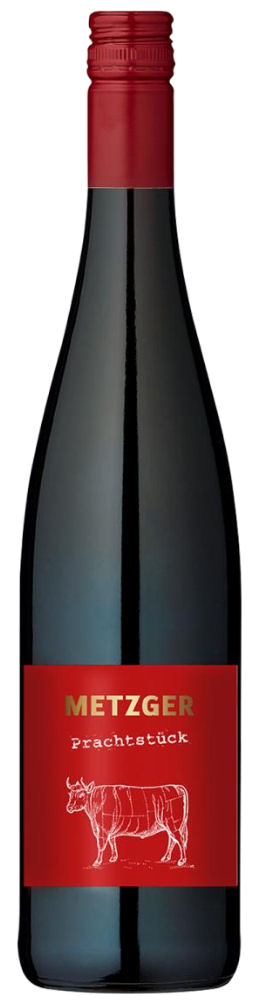
The roots of the Metzger winery go back a long way: Uli Metzger runs the family business in Grünstadt-Asselheim in the third generation — and with his daughters, including Lea Metzger, the fourth generation is already actively involved in the business. Originally run as an agricultural business with arable farming and livestock, the family increasingly concentrated on what Asselheim does best: wine. Uli Metzger completed his training in the Southern Palatinate and then joined the family business directly — for almost three decades before he took over official management in 2010. With this change came a decisive step in the external presentation: the characteristic bull appeared on the labels, and the winery developed its own classification system that showcases the family name with humor and wit. A solid family business became one of the best-known wineries in the Northern Palatinate.
Chalky soils, consistent hand-picking, modern cellar
The heart of the business beats in the historic town center of Asselheim, on the German Wine Route in the northern part of the Palatinate. The vineyard sites around the villages of Asselheim, Bockenheim and Mühlheim stand on chalky soils of clay, limestone and loess — a terroir that gives the wines structure, minerality and finesse. Uli Metzger now manages 27 hectares of his own vineyards; the main grape varieties are Riesling, Chardonnay and Pinot Noir. In the vineyard, he relies on consistent yield reduction and careful canopy management; as much as possible is harvested by hand — even in several passes. In the cellar, the winery combines traditional craftsmanship with modern techniques: in addition to the steel tank, Metzger works with a fine sense for the aging of various wines, always with the goal of bringing the character of the site into the glass as directly as possible.
Three levels, one style — wines with a clear signature
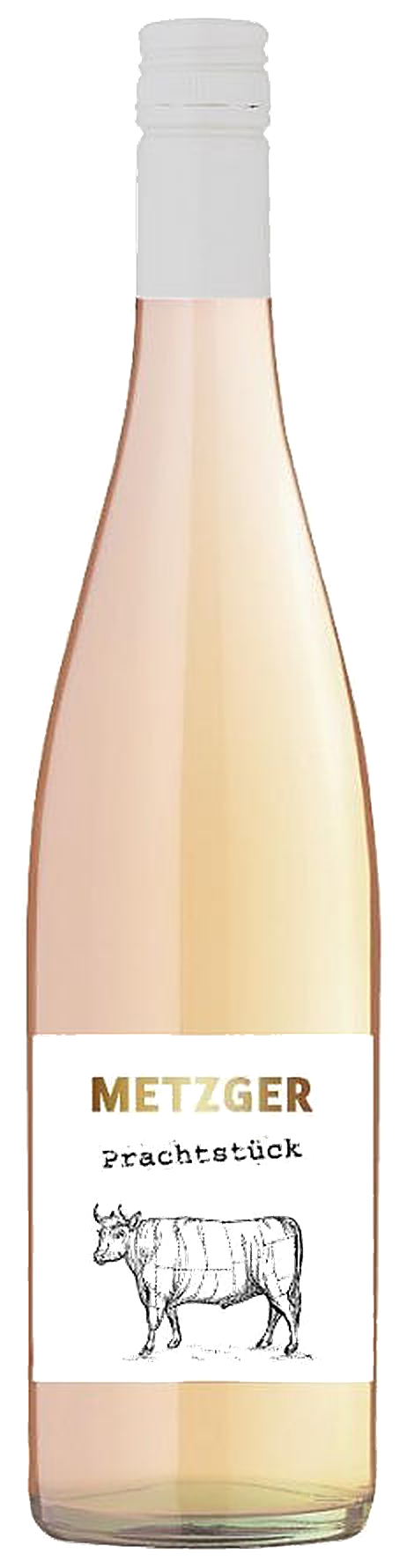
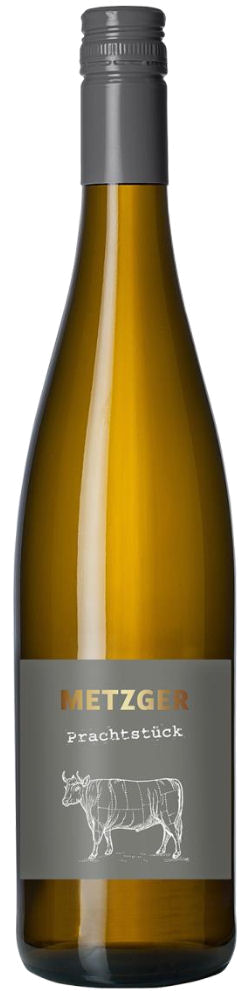
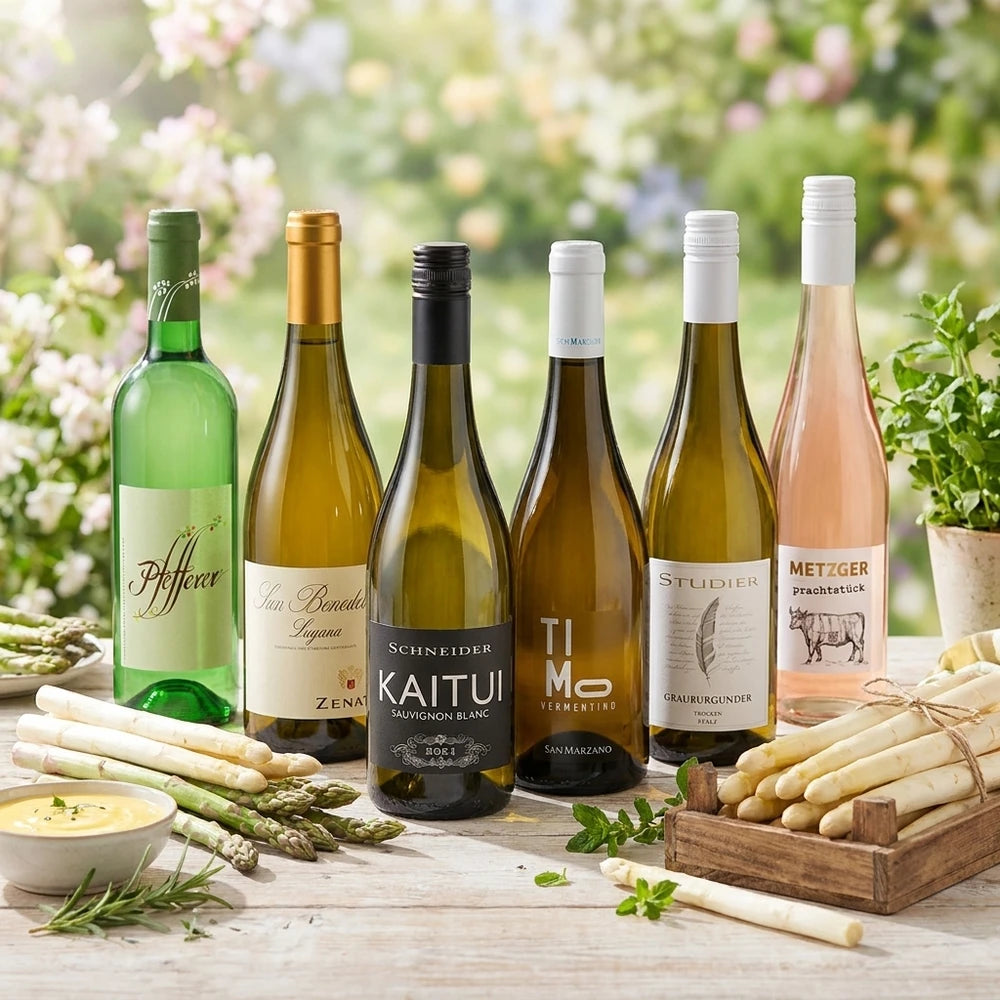
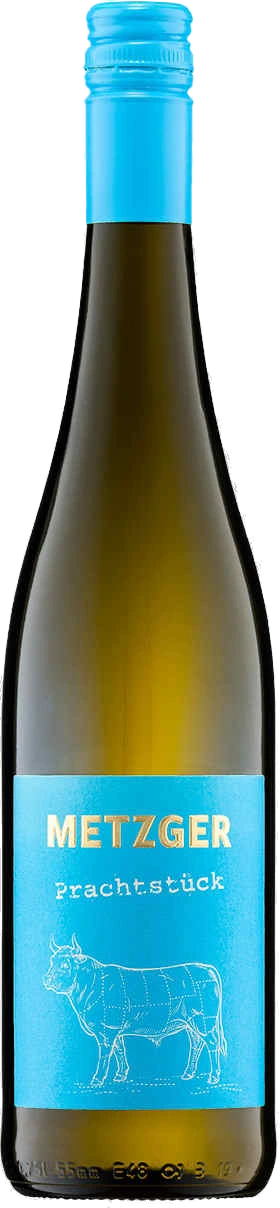
What sets the Metzger winery apart from many others is its consistent classification model: based on the family name, the wines are divided into three categories — Flanke (base wines), Pastorenstück (medium quality level) and Filet (the highest level). The latter partly come from particularly old vines. The range in the shop reflects the medium and upper quality lines: the Prachtstück series includes the Cuvée Rot, the Cuvée Weiß, a Pinot Noir Blanc de Noir as well as a Pinot Blanc Chardonnay. In addition, Lea Metzger has brought a breath of fresh air into the portfolio with her own bottlings. The style of the house is modern and clear: fruit-driven, with precise acid structure, soil-influenced minerality and a sense for accessibility without being generic. The winery was named Winery of the Year in 2026 — proof that the Northern Palatinate has long since ceased to lead a shadowy existence.