Ten centuries of viticulture in the Agly Valley
The history of Château de Jau begins in the 12th century, when Cistercian monks founded the Abbey of Jau and received the rights to the waters of the Verdouble river. They planted the first vineyards, cultivated olive trees, and exported their wines as far as Northern Europe thanks to the technique of mutage – stopping fermentation by adding alcohol. The watchtower that still stands on the rock today dates back to this time. Later, the estate changed hands several times; a Catalan family introduced silkworm farming, and the three-hundred-year-old mulberry tree in the courtyard still tells the story of it.
The year 1973 marks the decisive turning point: Jean and Bernard Dauré, a winegrowing family from Rivesaltes with their own négociant business, acquired the Château. They renovated the buildings, replanted fallow garrigue land – in 1983, Grenache Noir and Carignan were planted on a 26-hectare plateau, which contemporaries thought was madness at the time – and built a new cellar. Bernard's son Simon continues to run the winery today in the third generation.
Organic certification, Tramontane, and the first winemaker grill in France
The Domaine comprises about 100 hectares of vines, embedded in 500 hectares of garrigue, on a mosaic of limestone and slate-containing marl in the Agly Valley. The Tramontane, the northwesterly fall wind, ensures dry conditions and healthy grapes. Since 2018, the estate has been working towards organic conversion; since 2021, Château de Jau has been officially organically certified. In the cellar, cellar master Jérôme works closely with oenologist Hervé Sabardeil – with deliberately minimal oenological intervention to preserve the character of the different sites.
From the beginning, the Dauré family's philosophy has included breaking down the boundary between viticulture and experience. The former silkworm farming building now houses a gallery for contemporary art; artists such as César, Tàpies, and Arman have exhibited here. Even more famous is "Le Grill", the Domaine's summer restaurant: lamb chops and sausages grilled over vine shoots, bread with olive oil and fresh tomatoes, Iberico ham – accompanied exclusively by the house's wines. Château de Jau is considered the pioneer of the first winemaker restaurant in France.
From Vins Doux Naturel to Jaja de Jau: Roussillon pure in the glass
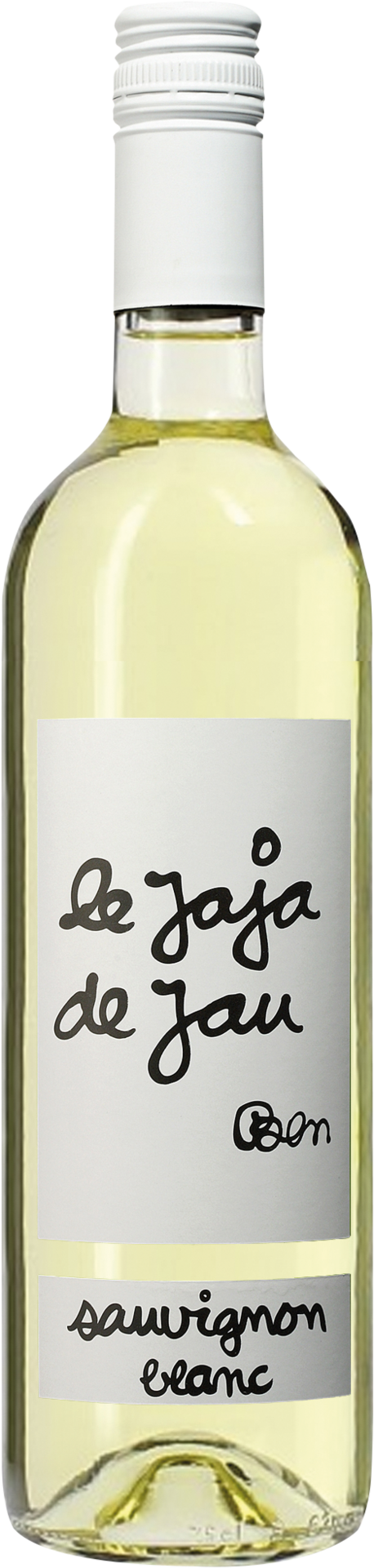
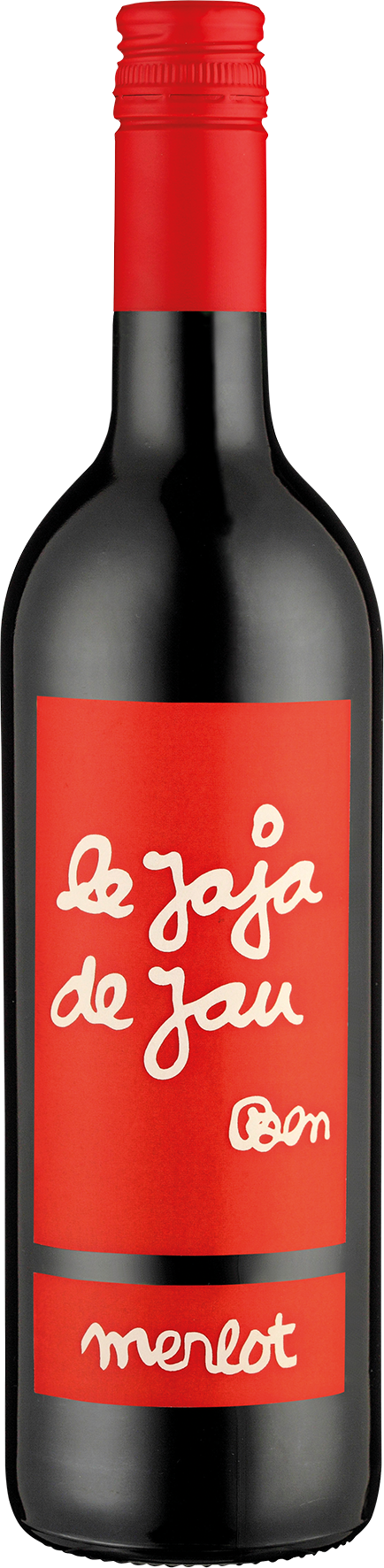
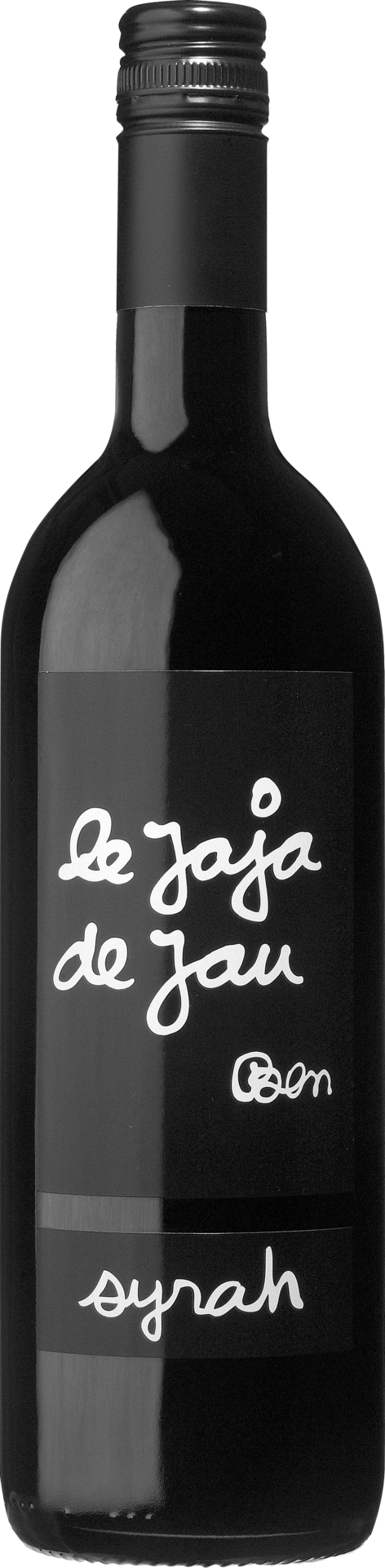
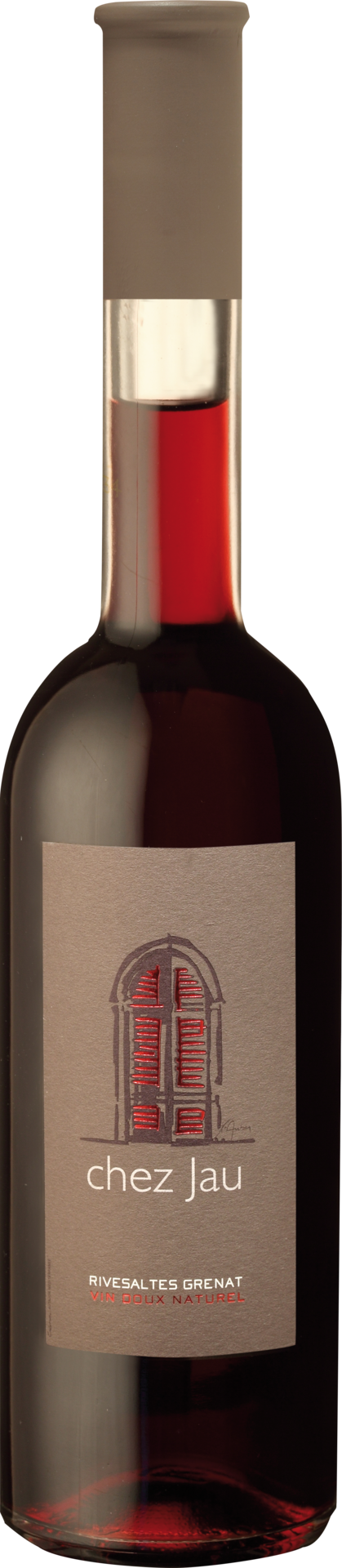
The range reflects the appellative breadth of the Roussillon: AOP Côtes du Roussillon, Côtes du Roussillon Villages, Muscat de Rivesaltes, and Rivesaltes Grenat as Vin Doux Naturel on one side – the sweet wine tradition that the monks already cultivated. On the other side, the Jaja de Jau line: varietal cuvées of Merlot, Syrah, and Sauvignon Blanc in the IGP Côtes Catalanes, whose characteristic signature labels were designed by the French artist Ben Vautier. Red varieties such as Syrah, Grenache, Carignan, and Mourvèdre give the red wines structure and spicy depth, while Vermentino and Sauvignon Blanc stand for the estate's fresh, aromatically clear white wines. In short: wines that could not express the Mediterranean terroir of the Agly Valley more directly.