Two career changers, one black soul
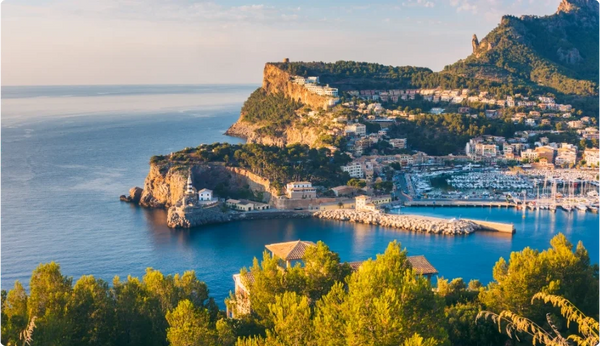
Pere Ignasi Obrador and Miquelàngel Cerdà grew up together in Felanitx, in the southeast of Mallorca. In 1994, the two autodidacts decided that the wines of their home island were far from exhausting their potential. Obrador had previously run his father's dairy farm — over 400 cows, no vines. Cerdà had studied aerospace engineering in Madrid, soon felt the city was an "exile," and had spent years sailing the Mediterranean as a sailor. What connected them both was the conviction that the Mallorcan autochthonous varieties — above all the almost forgotten Callet grape — could produce wines of their own format. They produced their first vintage in short order in disused milk tanks from two Callet barriques. Three years later, in 1997, international critics discovered the wines and made Ànima Negra famous overnight.
The winery is located on the old Possessió Son Burguera, a Mallorcan estate near Felanitx whose walls date back to the 13th century and where wine was already being produced for the residents of the estate at that time. The former dairy has now become one of the most highly regarded wineries in Spain — its wines are exported to more than 40 countries.
Natural farming, around 150 micro-plots
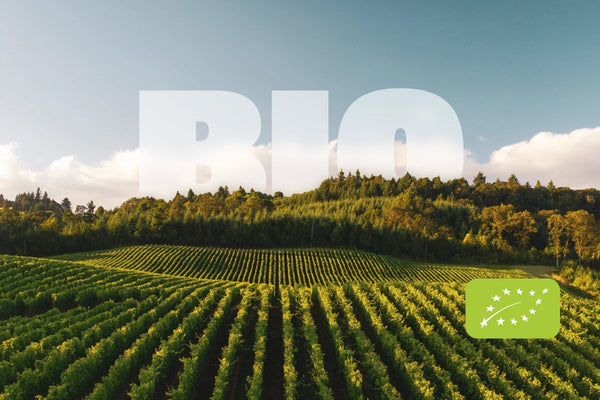
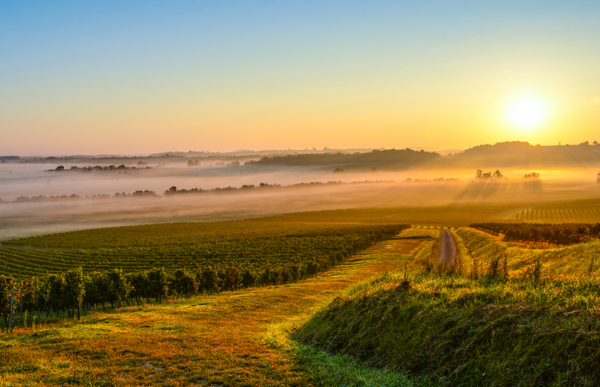
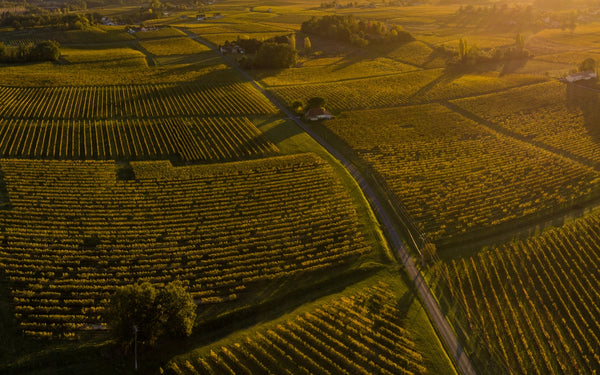
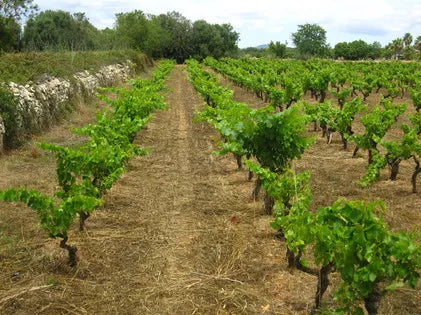
Ànima Negra manages around 150 micro-plots, almost all of which are located within ten kilometers of the winery in Felanitx. The vines — predominantly 50 to 85-year-old bush vines — grow on calcareous, iron-oxide-red soil (in Mallorcan, vermell) in wind-exposed sites near the coast: conditions that the winemakers themselves describe as essential for the quality of the Callet. Dry farming without irrigation and without mineral fertilizers is standard; chemical herbicides and insecticides are avoided, and biodynamic practices are preferred. The sea breezes of the Mediterranean ensure healthy grapes in summer and allow for a largely chemical-free vineyard.
In the cellar, Ànima Negra works with spontaneous fermentation using carefully selected wild yeasts. Harvesting is done by hand in small crates so that the grapes reach the winery undamaged. For the ÀN, Callet grapes ferment in large oak vats and small concrete containers; the wine then matures in French barriques. The winery is advised by Xavier Ausàs, an oenologist who began his career as technical director at Vega Sicilia.
Callet as a guideline — from the entry-level line to the prestige cuvée
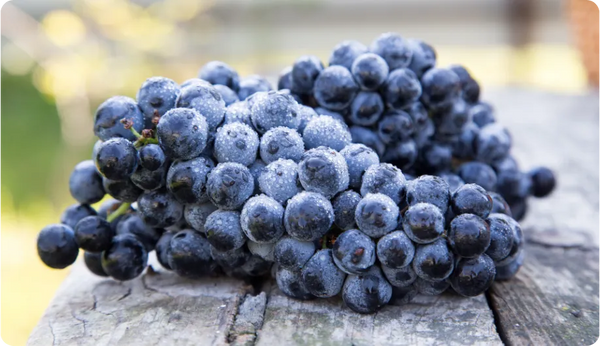
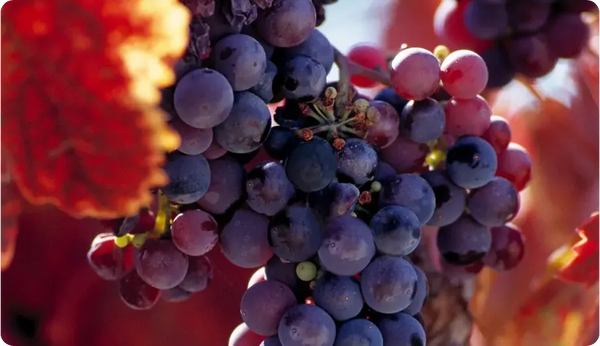
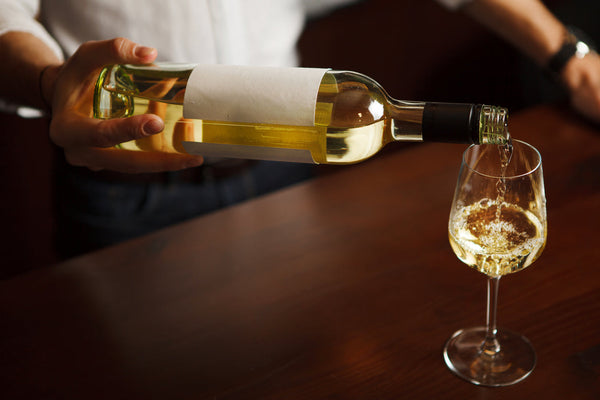
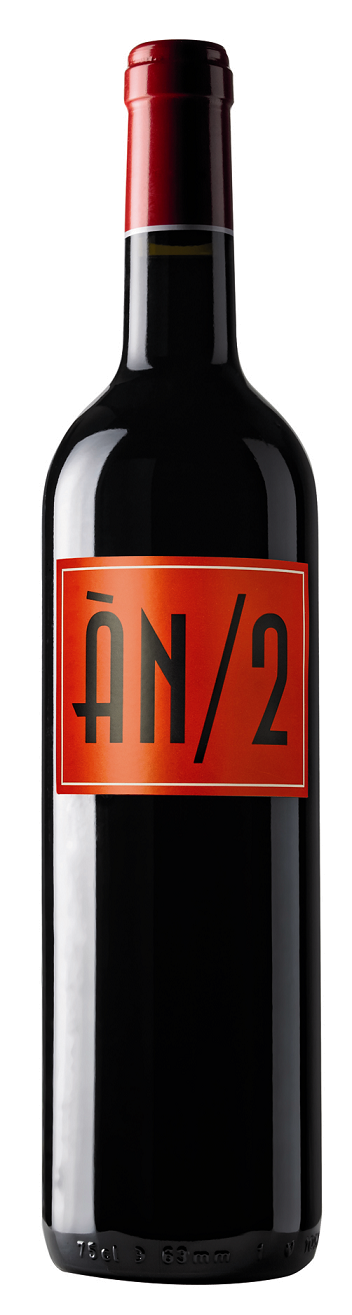
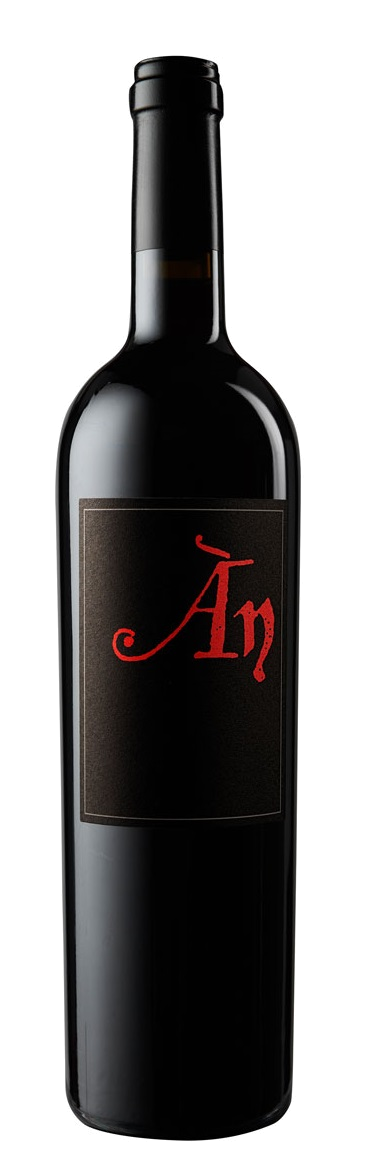
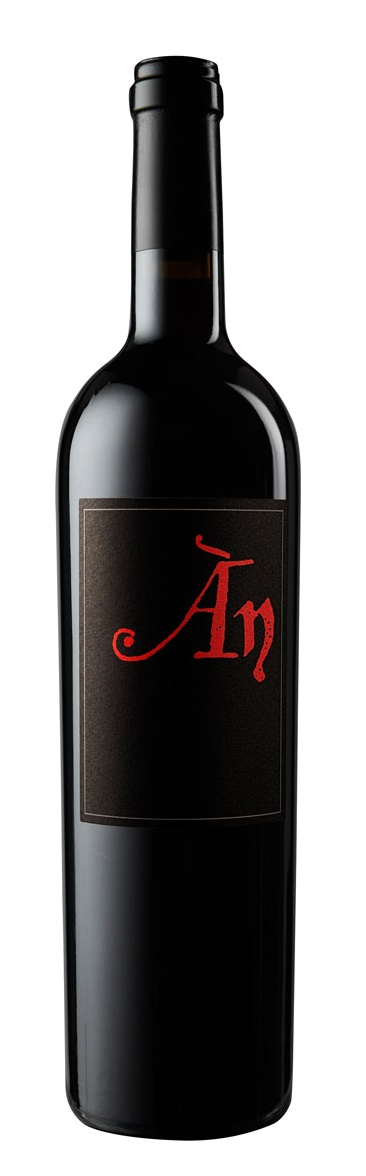
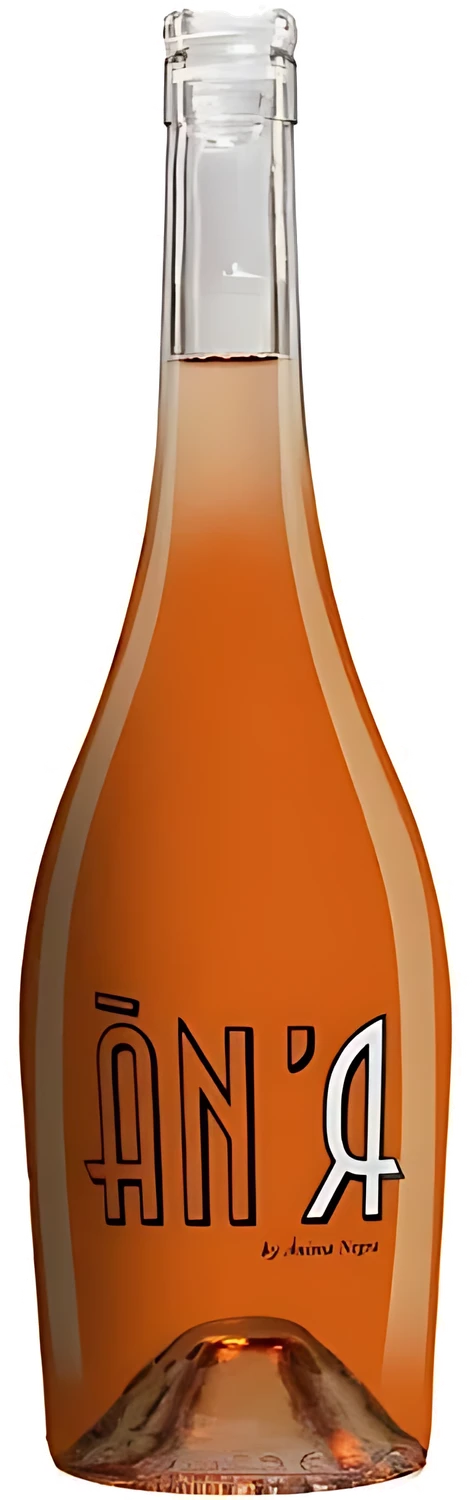
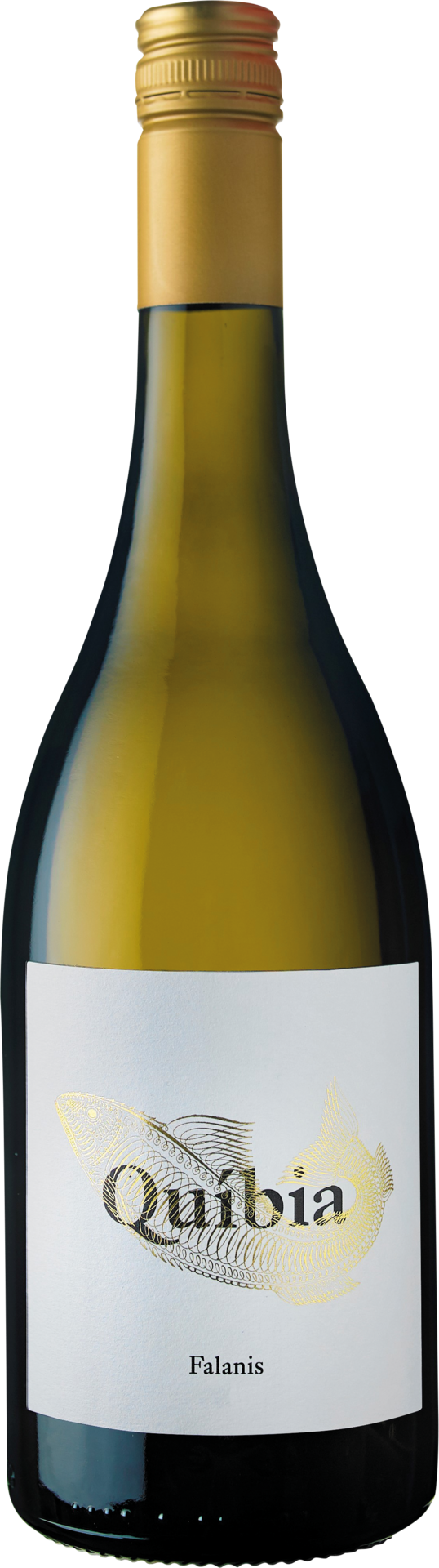
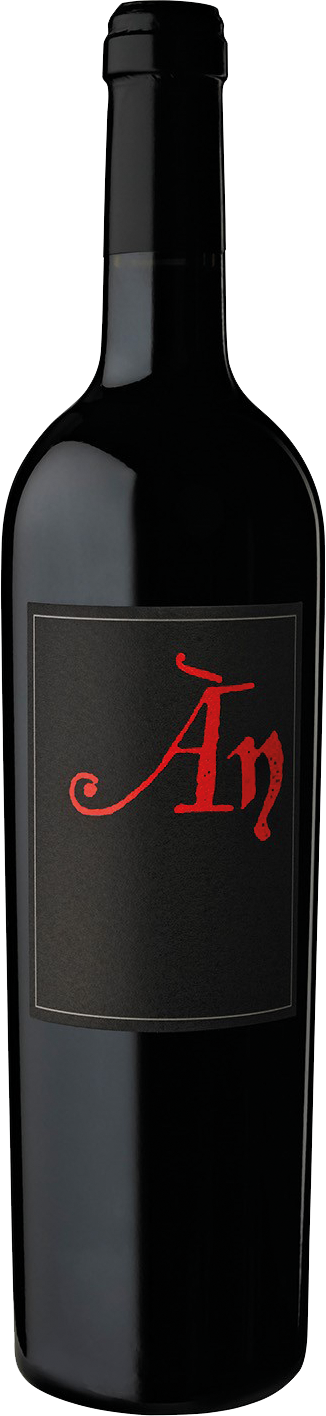
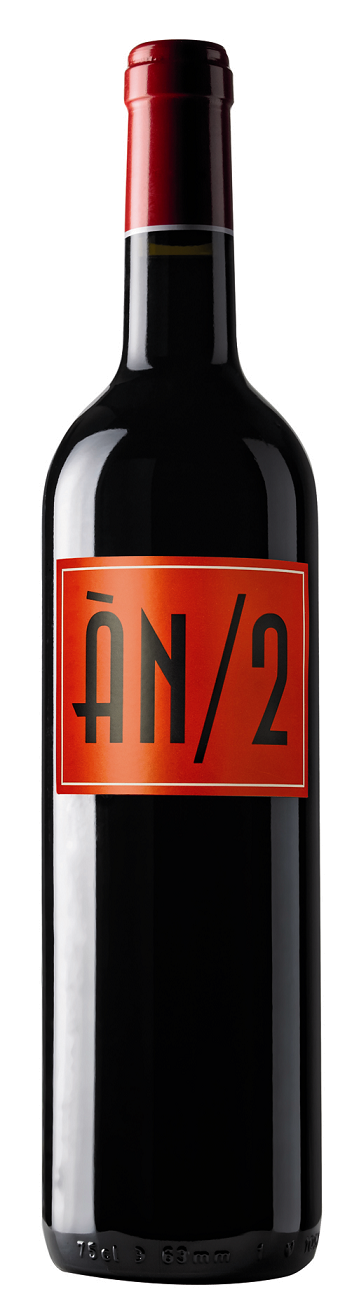
The common thread throughout the entire range is the Callet — a grape variety that develops its full depth exclusively in the east of Mallorca and finds an unmistakable balance of acidity, minerality, and dark fruit with its neighbors in the vineyard, traditionally apricot and other fruit trees. The ÀN/2 combines 65% Callet with Manto Negro, Fogoneu, and a portion of Syrah into an accessible, salty-mineral entry into the Mallorcan profile. The heart of the house, the ÀN, comes from old vines and consists of around 95% Callet — mineral, wild, with a long structure. The range is complemented by the ÀN/R, a 100 percent Callet rosé aged in concrete tanks, as well as the white wine cuvée Quíbia made from Premsal and Giró Ros, which stands for a Mediterranean white wine with pronounced salinity. In exceptional vintages, Son Negre is released — a single-varietal or almost single-varietal Callet whose label is redesigned by the Mallorcan painter Miquel Barceló.