Possessió Binicomprat: Five centuries of family on one of Mallorca's oldest estates
The roots of Oliver Moragues date back to 1229, when the Possessió Binicomprat was first recorded in the Llibre del Repartiment — the land register that King Jaume I had created after the conquest of Mallorca. The estate has been in the possession of the Oliver Moragues family continuously since 1511, now in its fifteenth generation. What this means becomes tangible on the estate near Algaida: a 15th-century natural stone house, a historic cellar, a house chapel with an 18th-century vault — and vines that bear varieties that have long since disappeared elsewhere on Mallorca.
The estate is located on the Pla de Mallorca, the island's central plateau, at 265 meters above sea level at the foot of the Randa mountain. On the south side, a 50-hectare forest of pine and holm oak adjoins, which regulates the microclimate and serves as a reservoir for biodiversity. On the north side, the vineyards slope gently — well-exposed, ventilated, with a view as far as the Serra de Tramuntana.
Biodynamic on-site: forest, donkeys, and the return to 1998
The family set the turning point in the year 1998: instead of focusing on international grape varieties and modern training methods, they began to bring back old Mallorcan varieties and switch to the traditional Gobelet training style — the bush-shaped, low-pruned vine style that the island has known for centuries. The entire operation has been organic-certified since 2004. Synthetic pesticides and herbicides are not used; instead, the winery relies on prevention, intensive manual labor, and a balanced soil ecosystem.
Biodynamic principles are not a marketing term here, but everyday life: nettles from their own forest are fermented into plant manure, and the compost comes from the estate's donkeys. The summer Embat breeze, which blows across the plateau daily from May to October, ensures warm days and cool nights — the natural temperature spectrum that preserves acidity and aroma intensity in the grapes. Harvesting is done exclusively by hand, in small 10-kilo crates, directly into the cellar on the estate. For 2026, the winery plans to convert 2.3 more hectares from international to native varieties — the consistent continuation of a path that began in 1998.
Mallorcan grape varieties, salty minerality, and the goal of the lasting wine
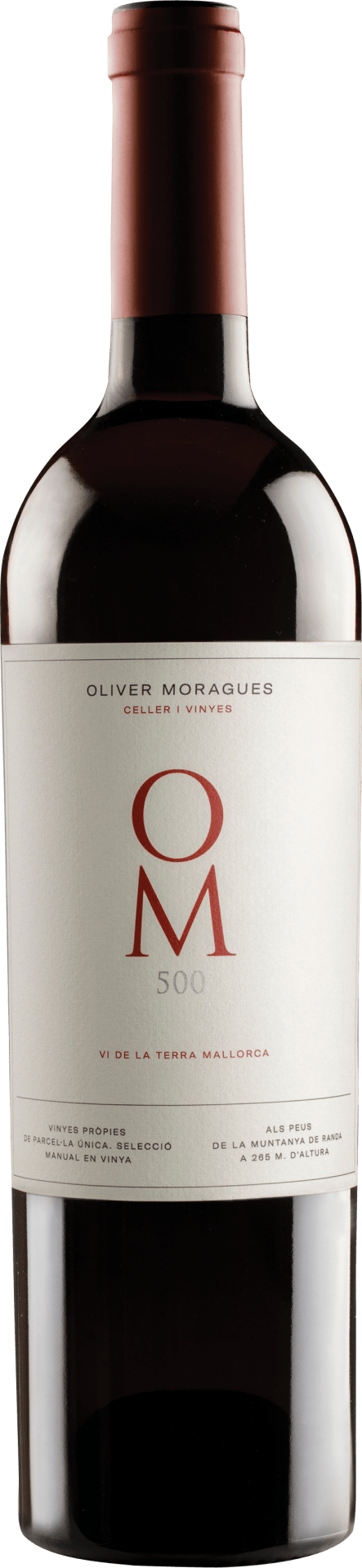
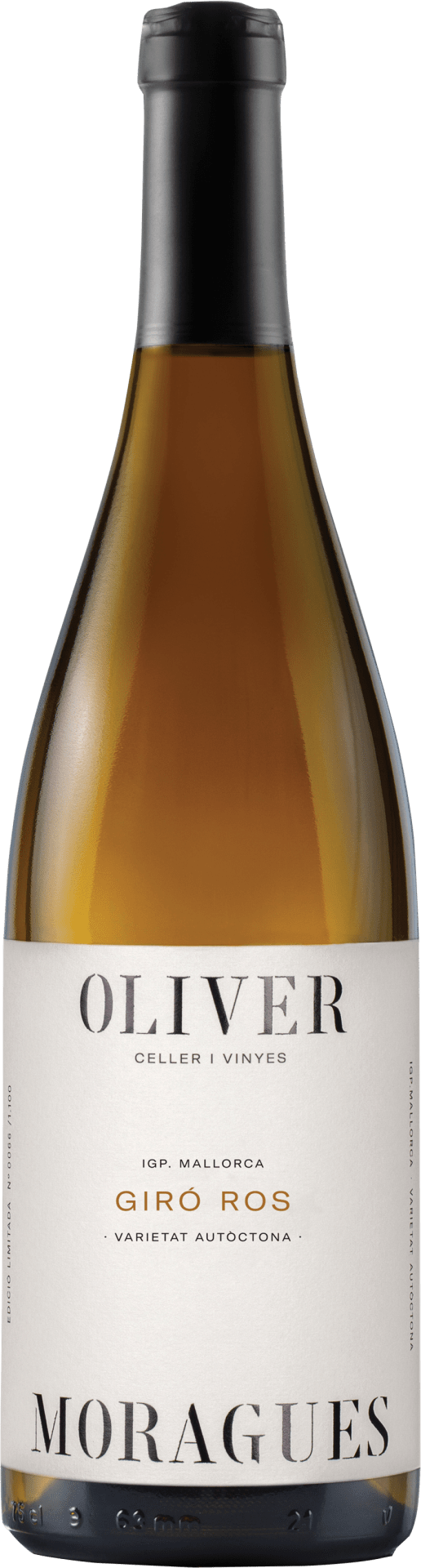
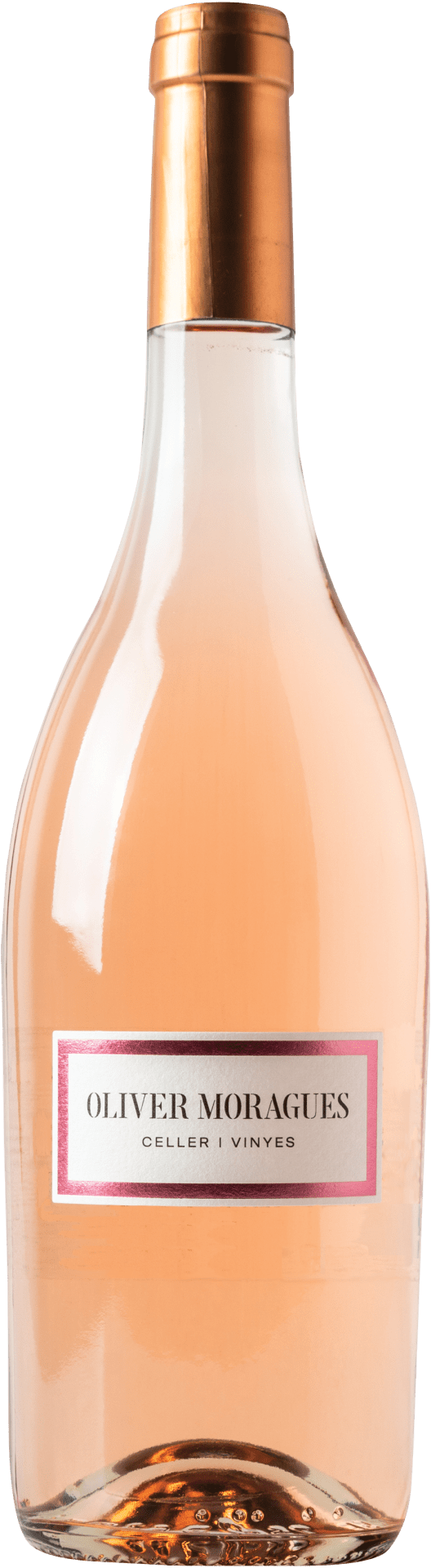
The Oliver Moragues range is an archive of the island: Prensal Blanc and Giró Ros for the white wines, Manto Negro, Callet, Gorgollassa, and Escursach for the reds. The latter are so rare that they are hardly known outside of Mallorca. The OM Giró Ros, for example, is made from a white grape variety that barely survived the phylloxera crisis of the 19th century. The winemaking style aims for fruit intensity with moderate alcohol, fine tannins, and a salty edge that comes from the estate's sea-influenced soils. Decanter awarded 95 points for the OM Gorgollassa in 2024 and 92 points for the OM Prensal Blanc in 2025 — each from a blind tasting. The spectrum ranges from the accessible OM Rosé to the OM 500, which carries the half-millennium of family history in its name.