From Rolf and Moni to Tina: a family winery reinvented
Rolf and Moni Pfaffmann established the winery in Frankweiler, in the heart of the Southern Wine Route, in 1970. When Tina Pfaffmann took over the business from her parents in 2000, it was more than just a change of generations — it was also a change of style. By renaming it after herself, she sent a clear signal: wines are created here according to her own signature, not according to traditional patterns. Rolf Pfaffmann remains connected to the winery to this day and distills the house's spirits using the traditional double-distillation method. Tina herself is taking the winery into its third generation — with around 15 hectares of vineyards around Frankweiler and a vinotheque that opened in September 2019 as her personal wine living room.
"This is me" — winemaking as an attitude, not a routine
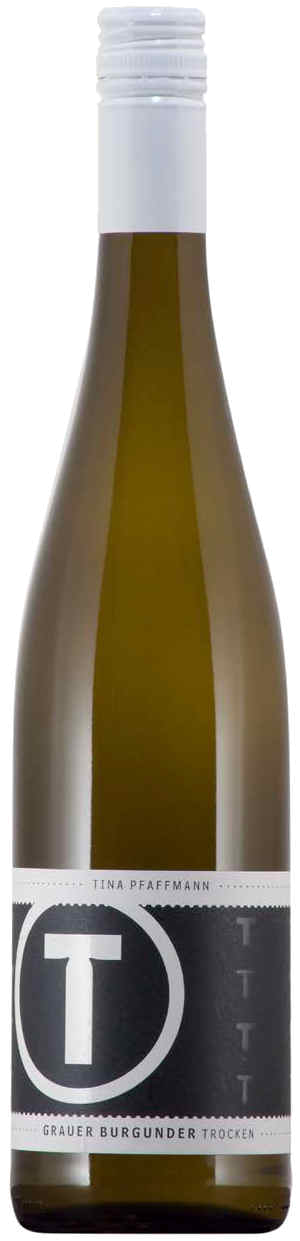
Two sentences come from Tina Pfaffmann more often than any others: "This is me" and "This is not me." This clarity also shapes her work in the vineyard and in the cellar. Although the winery does not strive for organic certification, she works consistently in harmony with nature: healthy soils, vital vines, a functioning ecosystem — developed step by step, vintage by vintage, based on observation rather than marketing trends. The soils in Frankweiler are loam and limestone, as is typical for the Palatinate; the grapes for the Pinot Gris, among others, grow in the Frankweiler Kalkgrube.
In the cellar, Tina Pfaffmann relies on artisanal consistency: only hand-picked, fully ripe grapes are processed. She ferments her best Riesling grapes in a stone container over 100 years old — a vessel that releases neither oxygen nor wood notes into the wine, thus preserving the fruit in its purest form. White wines sometimes undergo a long maceration period, which gives the wines texture and depth. The best red wines mature for several months in barriques. During fermentation, Tina Pfaffmann accompanies her wines intensively — for her, wine is a living product that needs time, patience, and attention.
Riesling, Pinot, Sauvignon Blanc — Palatinate with personality
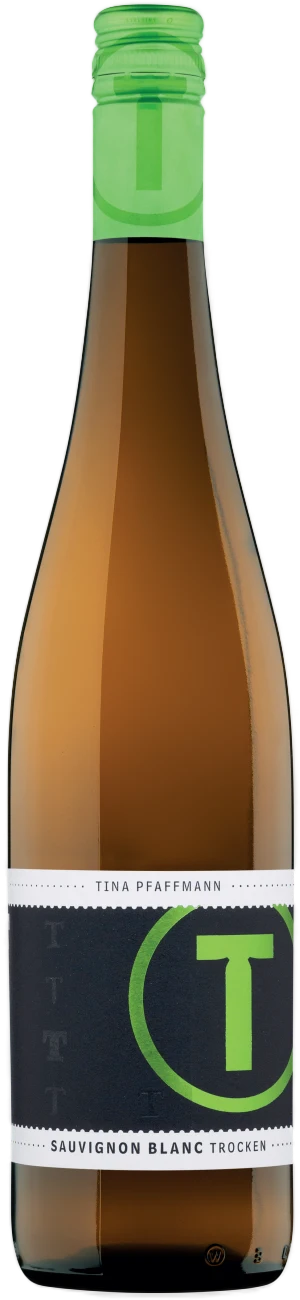
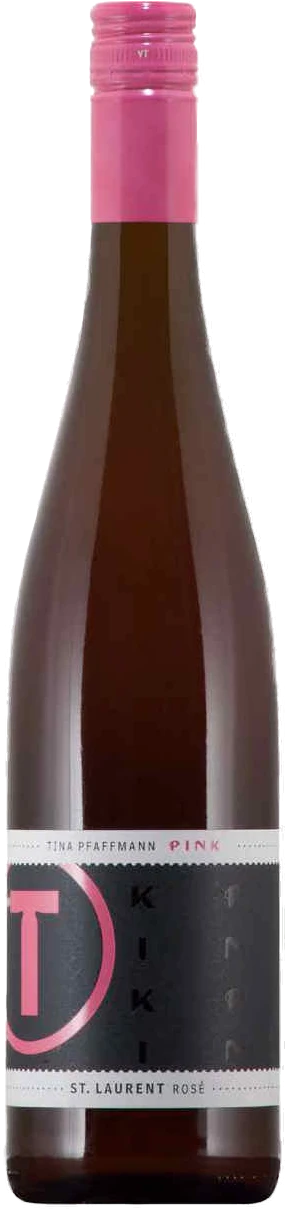
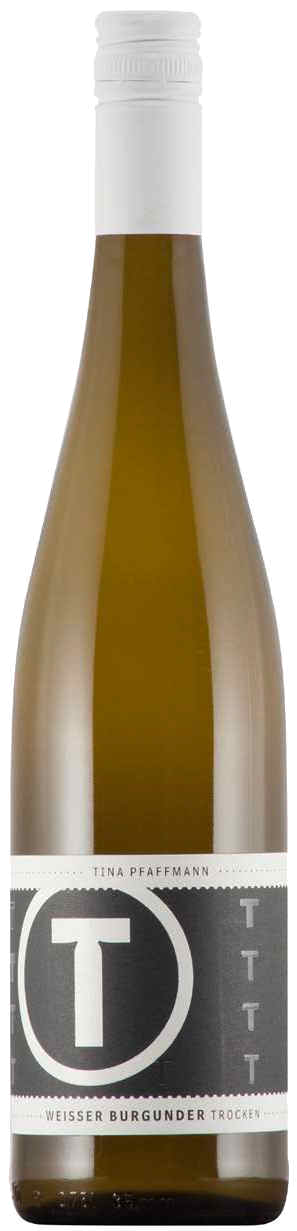
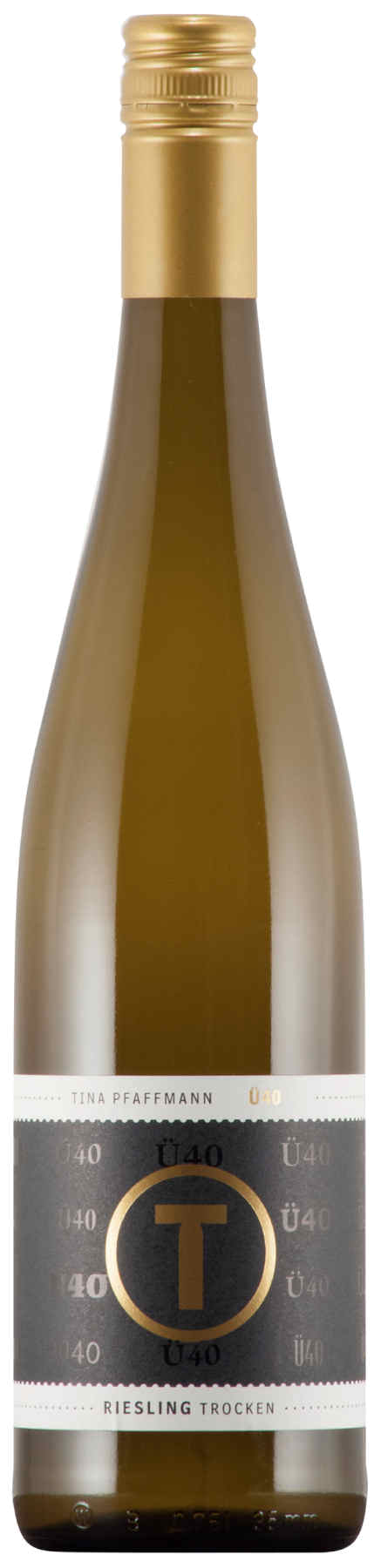
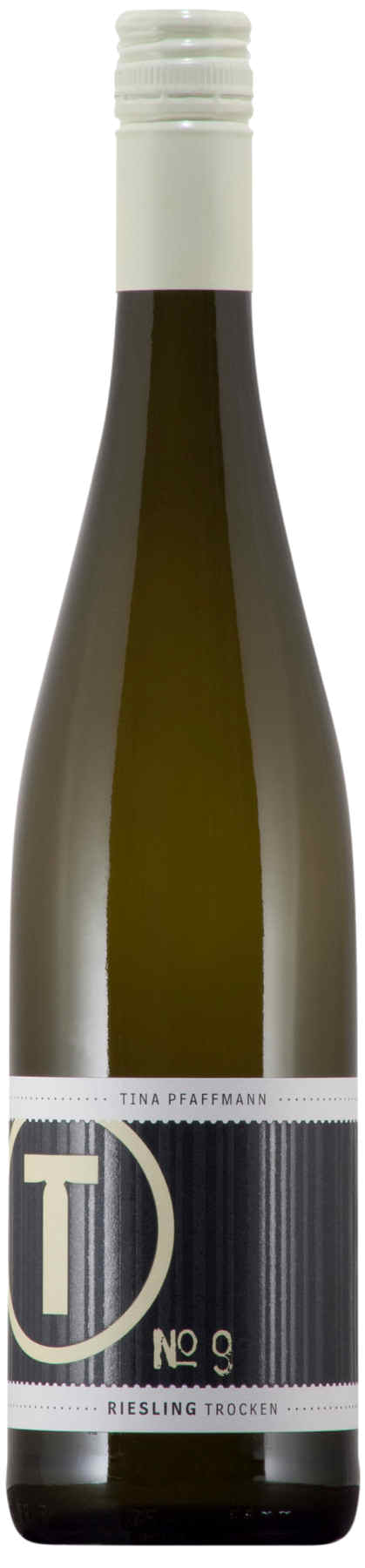
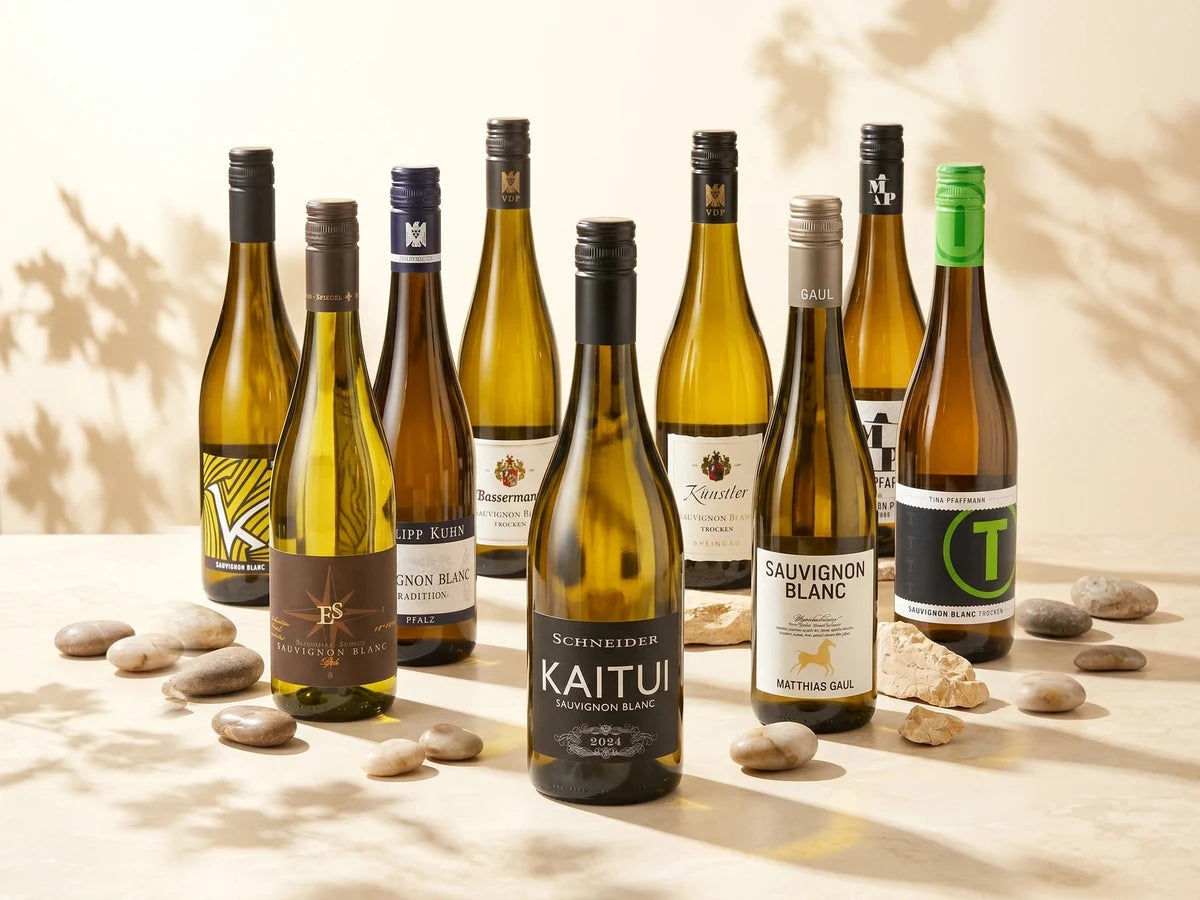
The focus of the range is Riesling, Tina Pfaffmann's declared favorite variety. The material for the Riesling Ü40 grows on sites with vines over 40 years old — deep extracts that older vines simply build up differently than young ones. The Riesling No9 stands alongside it as a more accessible counterpart. Pinot Gris and Pinot Blanc show the Burgundian side of the estate: earthy tones, volume, natural carbonation in the purist style. The Sauvignon Blanc, by her own admission the result of targeted site experiments, brings citrus, mint, and kiwi into the glass. With the Pink Rosé, Tina Pfaffmann rounds off the range with a wine that shows her style — fruity, direct, without detours — in rosé form as well. Gault Millau and Der Feinschmecker have rated the winery several times; Wein Gourmet counted it among the best in Germany as early as 2008. What all wines have in common: they should be fun — and they should be clearly recognizable as coming from one person.