From the steam locomotive boiler house to Italy's oldest distillation license
The Antica Distilleria Domenico Sibona is located in Piobesi d'Alba, a few kilometers from Alba, in the middle of the Roero — that hilly landscape in Piedmont that borders the Langhe on one side and produces the grapes for Barolo, Barbaresco, and Roero on the other. The distillery was founded just over a century ago on the site of a former brickworks. The founder, Domenico Sibona, heated his first distillates with the boiler of a decommissioned steam locomotive — a pragmatic beginning that sounds like a founding myth today. It was not until the middle of the 20th century that the locomotive gave way to a copper still. What has remained is the location, the family name, and the Distillation License No. 1 from the UTF (the Italian financial authority that monitors all distillery operations) — the oldest state-issued distillation license in Italy, which is only awarded to companies with proven tradition and artisanal standards.
In the 1990s, the Barbero family took over the company. Luigi Barbero, who has worked in the business since 1999, continues to lead the distillery today in the philosophy of the founder: single-varietal grappa, artisanally distilled, with a clear connection to the origin of the pomace.
Fresh pomace, copper stills, careful cutting
The heart of the Sibona philosophy is immediacy: the pomace — in Italian, vinaccia — must arrive at the distillery fresh and still moist, no later than four days after pressing. As soon as it arrives, it is immediately distilled in continuously operating copper stills. This tight timeframe is no coincidence, but a prerequisite for ensuring that the varietal aromas of the grapes are preserved. The heads and tails of each distillate are consistently separated — only the pure heart reaches the aging process. Three experienced oenologists oversee the entire process.
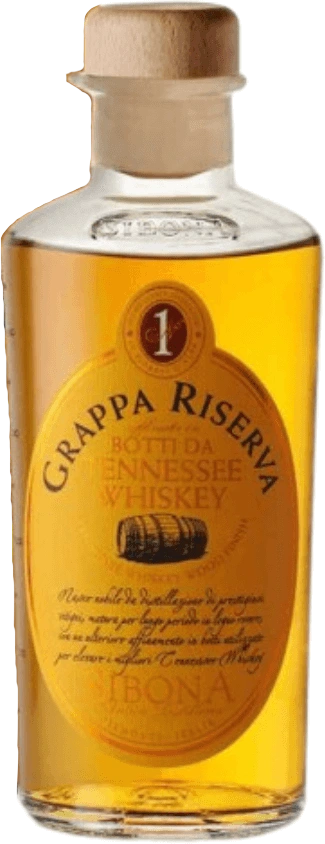
During aging, Sibona clearly separates by grape variety: Nebbiolo and Chardonnay mature in steel tanks, while all other varieties move into small wooden barriques. For the Riserva line, Sibona uses barrels that previously held rum, Tennessee whiskey, sherry, port, or madeira — a technique that gives the pomace brandies complex depth without foreign aromas: dark fruit, dried fruits, warming spice, depending on the barrel type.
Barolo, Moscato, Nebbiolo — pure Piedmont in the glass
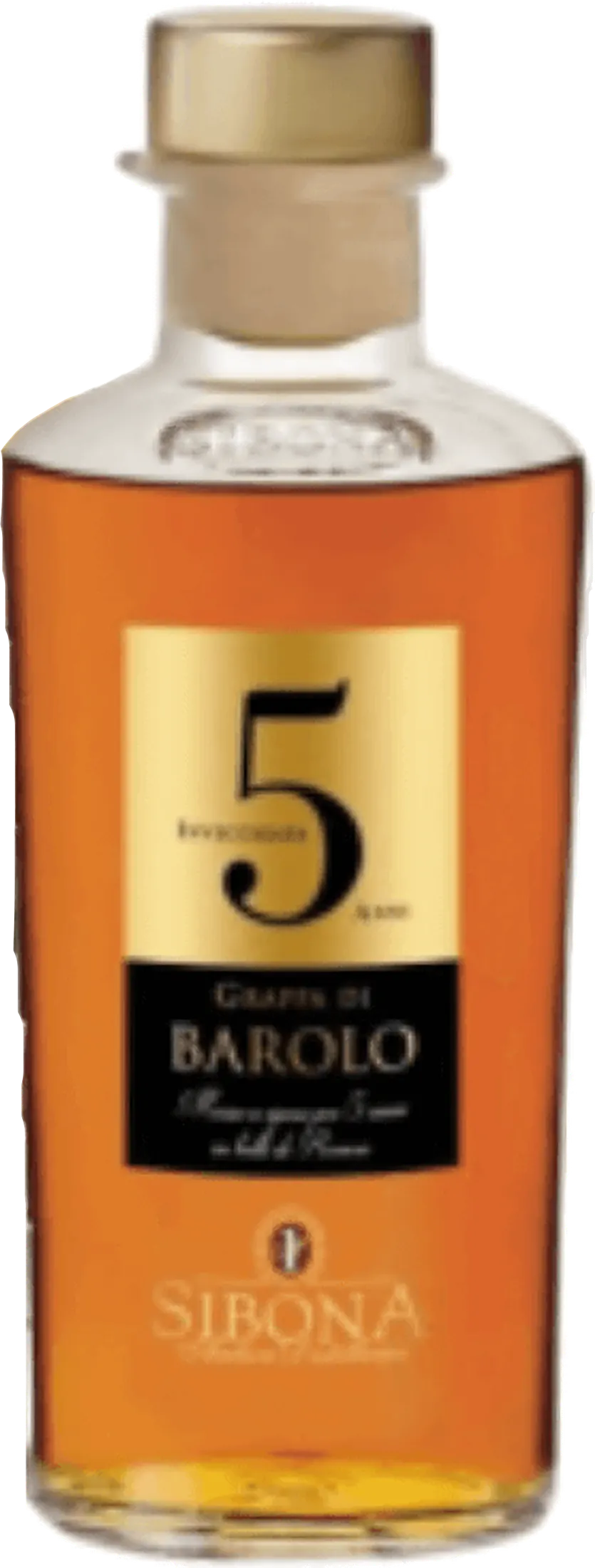
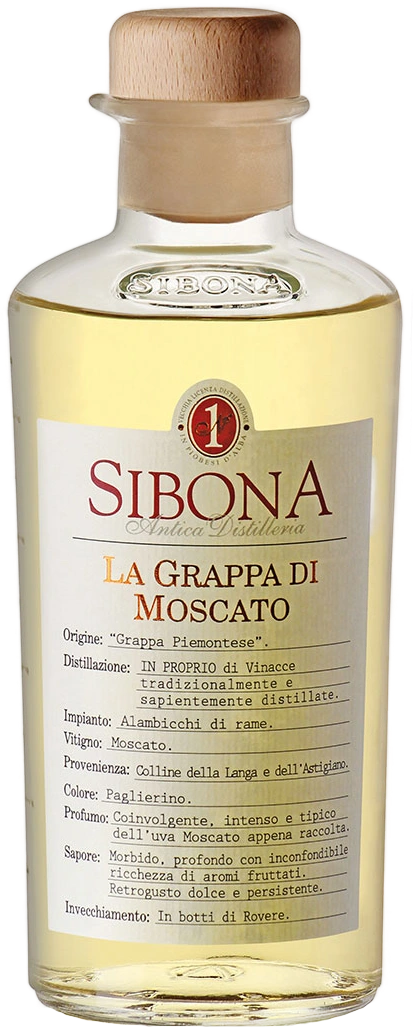
Sibona distills exclusively single-varietal and exclusively with pomace from winemakers in the immediate vicinity. The grape variety spectrum reflects Piedmont in its entire breadth: Nebbiolo, Barolo, Barbera, Moscato, and Chardonnay stand for the classic line, which brings the varietal aroma profile to the fore. The Grappa di Barolo brings the tart, tannin-typical spice of the Nebbiolo from the Barolo zone, the Grappa di Moscato the floral, almost sweet lightness of the Muscat grape, and the Grappa di Chardonnay the bright fruitiness with a fresh acidity line.
The Riserva series goes a step further: through aging in former rum, whiskey, or sherry barrels, distillates with layering and length are created, which unfold both neat at room temperature and over ice. The assortment available from us shows Sibona from both sides — the clear, fruit-forward grappa fresh from the copper and the aged, barrel-influenced character of the Riserva bottlings.