From oenologist to Langhe pioneer: the story of the Molino family
Mauro Molino studied oenology in Alba and subsequently gained five years of cellar experience in Emilia-Romagna. When his father died in 1979, he returned to the Langhe, took over the inherited vineyard plots in Annunziata di La Morra, and simultaneously began working as a consultant for regional agricultural associations. In 1982, he bottled the first Barolo from the Conca site — the shell-shaped vineyard in the Conca dell'Annunziata that would become the heart of the operation. In the 1990s, Mauro purposefully expanded the business: he acquired plots in Berri, on the western flank of La Morra, and developed further single-vineyard Barolos. Step by step, the winery grew into a reference estate of the appellation — at a time when the debate between classic and modern was moving the entire region.
Today, the second generation continues to lead the company. Son Matteo, also a graduate of the Alba wine school, joined in 2003 and took over winemaking. Daughter Martina followed in 2008, responsible for communication and international sales. Founder Mauro remains connected to the business; in his own words, winemaking has given him knowledge and expertise "that carry the labels of my name into the whole world to this day."
Site-specific philosophy and integrated viticulture as a principle
The estate is located in the hamlet of Annunziata, not far from the old abbey of San Martino di Marcenasco. The approximately 20 hectares of vineyards are distributed across several sites in La Morra as well as plots in Guarene, Farigliano, and Costigliole d'Asti — the birthplace of Mauro's father. About half of the area is planted with Nebbiolo for Barolo; the rest is dedicated to Barbera, Dolcetto, and — in small quantities — Arneis. The soils in La Morra are calcareous, marly, and sandy: a combination that gives the Nebbiolo its characteristic fragrance and tannin softness.
In the vineyard, the estate relies on integrated pest and disease control to reduce interventions to a minimum. Each site is vinified separately so that it expresses its own origin as clearly as possible — a site-specific philosophy that Mauro Molino pursued early on, when the market was still focused on volume.
Nebbiolo with depth and fragrance: what defines the range
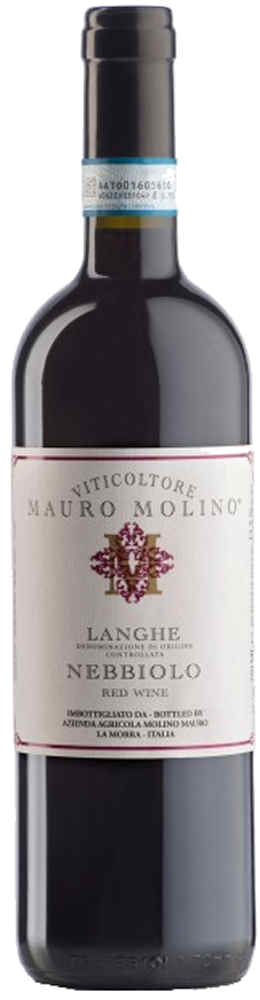
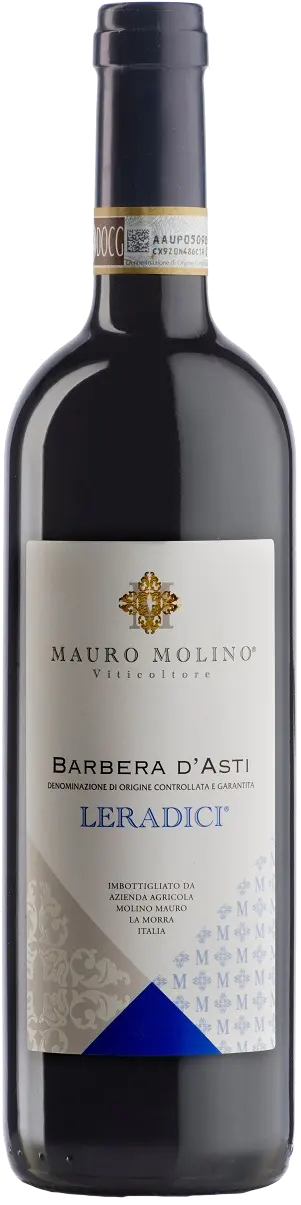
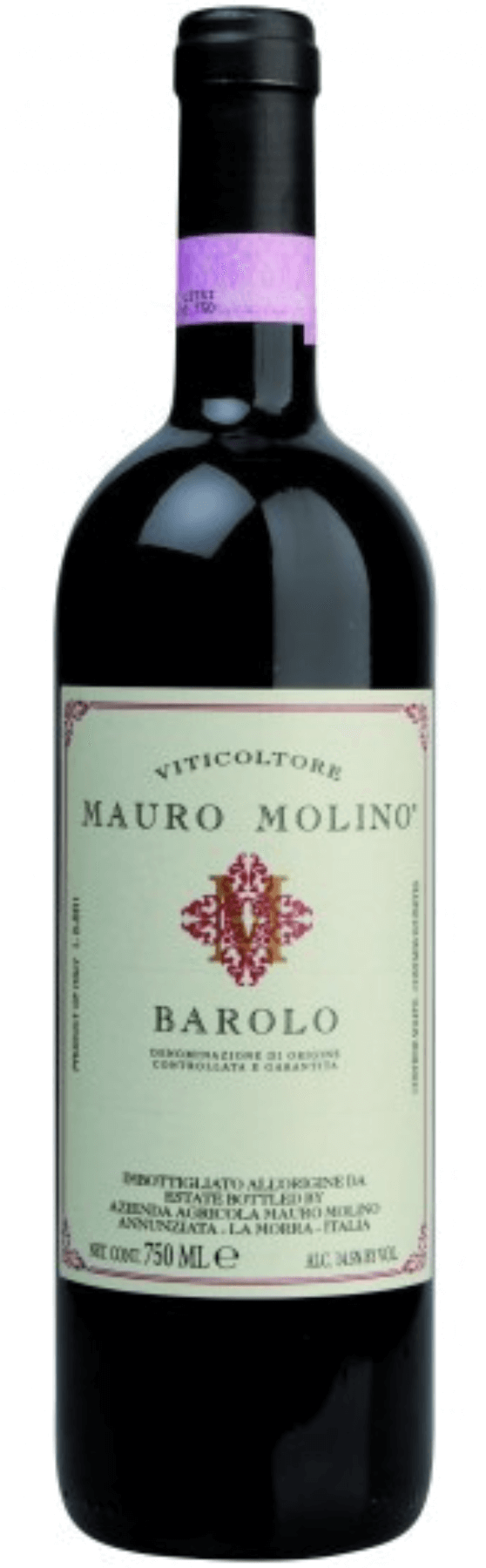
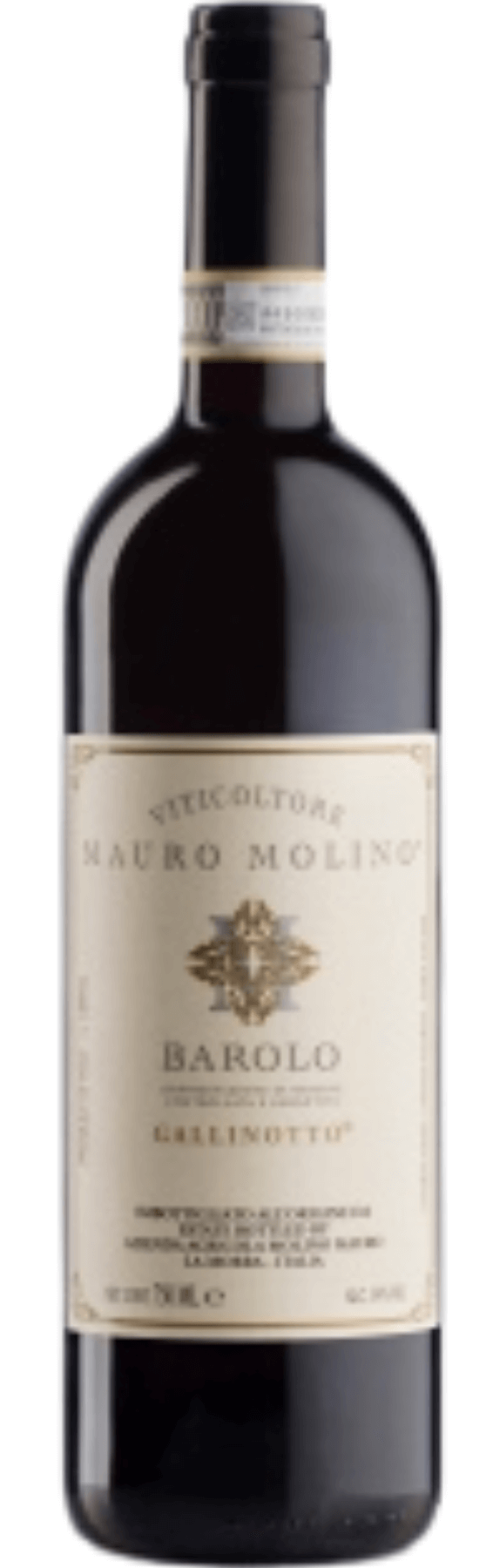
La Morra is considered the most fragrant, accessible municipality in the Barolo area, and the wines of Mauro Molino reflect this character precisely. The Barolo Conca — the flagship since 1982 — shows dried cherry, rose blossom, and undergrowth, plus a fine tannin structure that grows on calcareous-marly soils. The Barolo Gallinotto, named after the hamlet of the same name, is one of the younger single-vineyard bottlings and brings a somewhat spicier, earthy tone. The Langhe Nebbiolo DOC reproduces the same character in a leaner, earlier-accessible framework — an introduction to the aromatic language of the house. With the Barbera d'Asti LeRadici, fruit from the Monferrato is added: a 3.5-hectare old site in Costigliole d'Asti at 350 meters with a southeast orientation, which picks up the family roots in the grandfather's hometown again. A total of five Barolo bottlings and a clear commitment to Piedmontese grape varieties make the estate a reliable address for anyone who wants to get the terroir of the Langhe into their glass without detours.