Two families, one wine press, two centuries of Albig
The history of Jung & Knobloch begins in 1813, when Konrad Knobloch acquired a distinctive wine press that still stands on the farm today and lives on in the winery's stylized logo. The oldest wine barrel in the cellar dates back to 1893; in 1915, Adalbert Jung, together with the vine breeder Georg Scheu, planted the new variety Scheurebe for the first time in a trial cultivation — at that time still under the experimental designation S88. Philipp Ludwig Knobloch later became a founding member of the Albig winegrowers' cooperative and held membership number 1 until his death. From these two Rheinhessen family lines grew the current winery in Albig, which is now managed in the sixth generation by Melanie and Tobias Jung.
The vineyards in and around the wine village of Albig have been in the family for more than 200 years in some cases — a continuity that sharpens the view of soil and site. The two single vineyards Albiger Hundskopf and Albiger Schloss Hammerstein still define the winery today: The Hundskopf lies on a southwest slope of limestone and marl with a high clay content; the Schloss Hammerstein site dates back to traditions reaching as far as Roman times — remains of a Roman villa rustica were discovered in the neighboring plot. Since 1998, underground catacombs have connected the formerly separate family businesses.
Sustainability as an attitude, not a marketing promise
Jung & Knobloch is certified according to the FAIR'N GREEN standard, the holistic sustainability seal of the German wine industry. This means in concrete terms: no use of insecticides, use of green electricity, lightweight glass bottles, fallow land with bee meadows, and consistent purchasing from regional suppliers. In the cellar, the principle of free fall applies — grapes and must are moved without pumps to protect the material. As early as the 1970s, Reinhard Knobloch introduced this gentle grape reception without pumping, long before it became the standard. For its commitment as a training company, the winery was honored with the federal award Training Company of the Year in 2014, followed by the regio-effekt prize in 2017.
Operating on soils that have belonged to the same family for generations shapes the attitude in the vineyard: mindfulness towards the soil and responsibility for those who come after. Cellar innovation and this generational perspective are not mutually exclusive at Jung & Knobloch — they depend on each other.
Fruit-forward white wines, powerful reds, and an Eiswein tradition since 1979
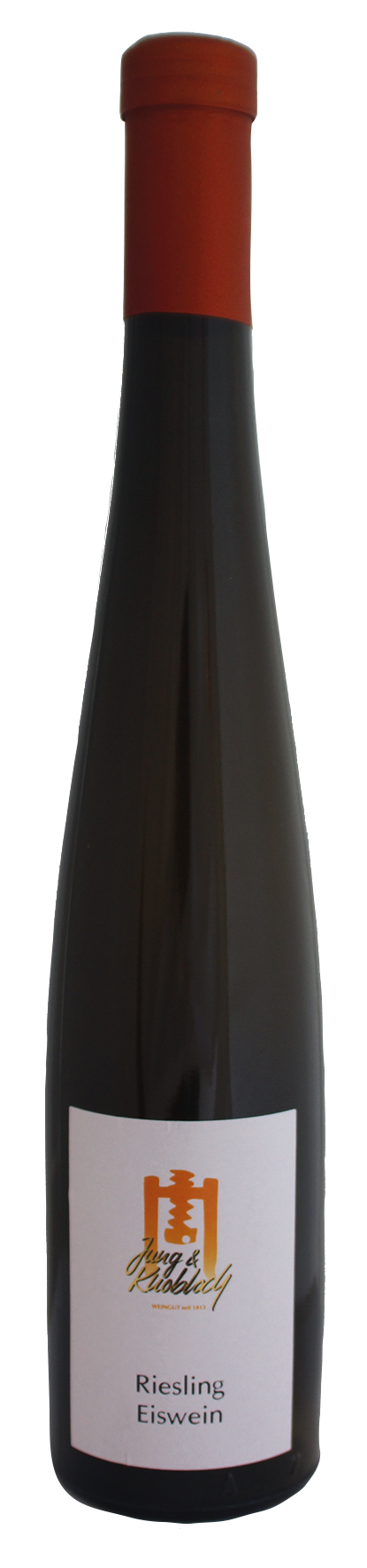
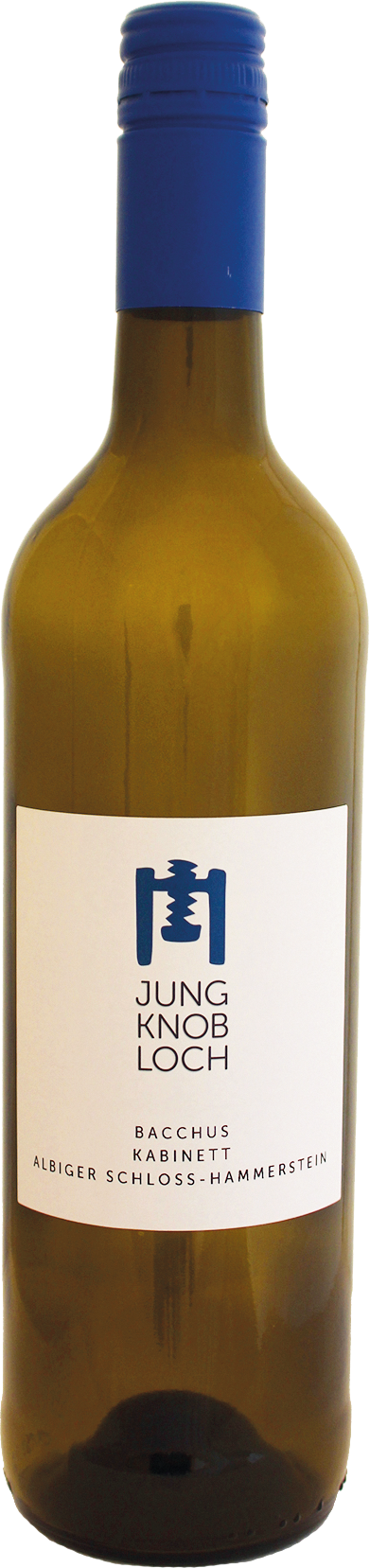
On about 54 hectares of vineyard area around Albig, 21 grape varieties grow — from Riesling and Bacchus to Scheurebe, Kerner, and Huxelrebe, to Pinot Noir, Portugieser, and Regent. The calcareous soils with clay components, formed by a prehistoric sea 20 million years ago, give the white wines a clear mineral line that combines fresh fruit and structure. The reds show warmth and body without hiding their origin. The assortment ranges from dry to Edelsüß; Eisweine from the Albiger Hundskopf have been among the nationally known specialties of the house since 1979. Anyone looking for wines with a clear varietal profile, Rheinhessen groundedness, and a long family history in the glass is in the right place here.