From slate whisperer to cult brand of the Terrassenmosel
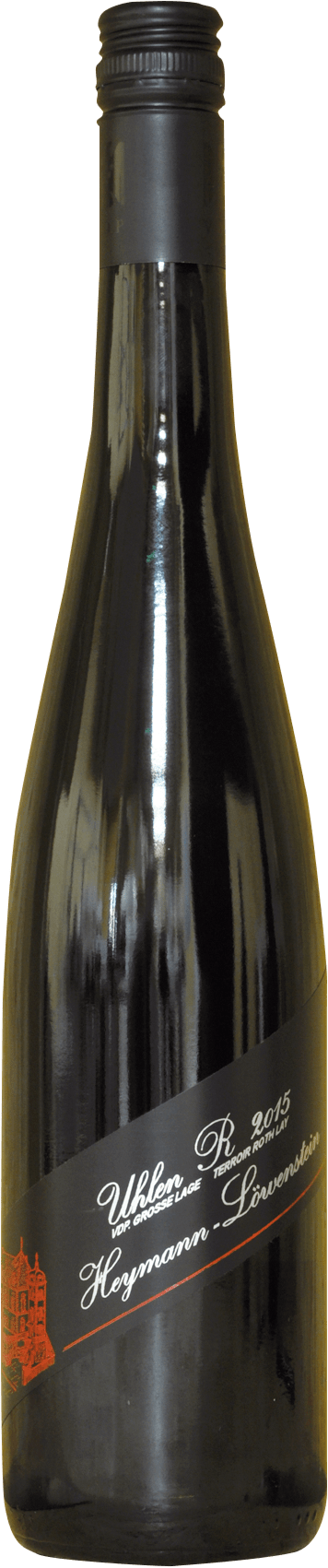
The winemaking history of the Löwenstein family can be traced back to the 16th century — Reinhard Löwenstein represented the 13th generation before he founded his own winery in Winningen in 1980 together with Cornelia Heymann-Löwenstein. As the second-born, he did not take over the parental legacy, but started anew: initially in Lehmen, and a few years later firmly rooted in Winningen on the Terrassenmosel. In the mid-1980s, the first parcels in the steep slopes of Uhlen and Röttgen were added — sites that would become the core of the winery. Reinhard Löwenstein became a contentious key figure of modern Mosel Riesling: as the author of a terroir manifesto, as a book author (Terroir: A Plea for a New Wine Culture), and as one of those who coined the term "Terrassenmosel" and pushed for the recognition of soil designations such as "Roth Lay" or "Blaufüßer Lay" as protected designations of origin. In 2025, Reinhard and Cornelia Löwenstein handed over the winery to new shareholders; Reinhard continues to support the house in an advisory capacity.
Slate, spontaneous fermentation, and the abandonment of the cellar magic box
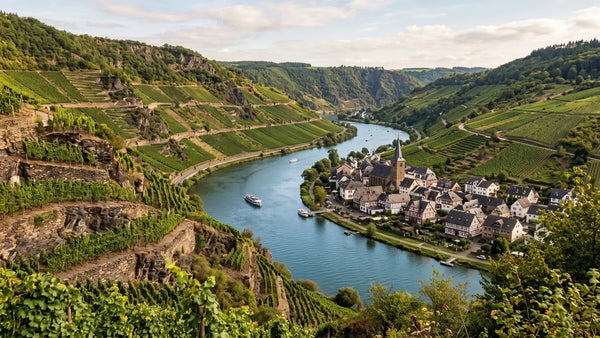
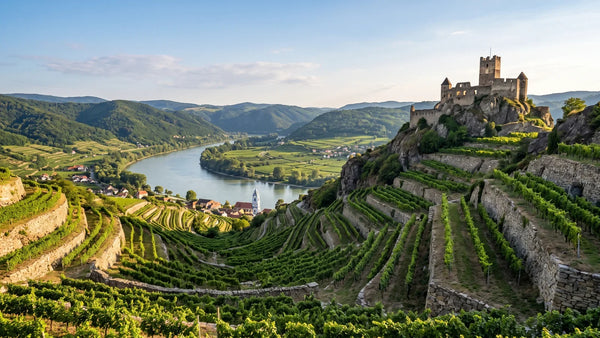
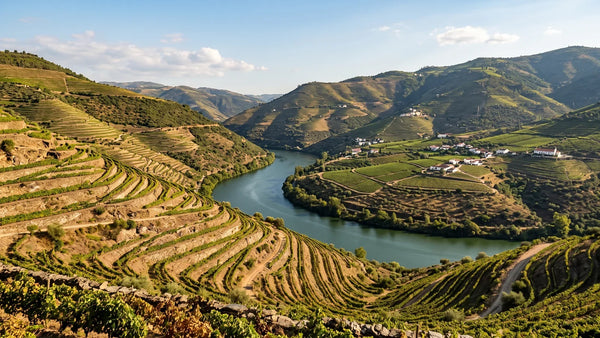
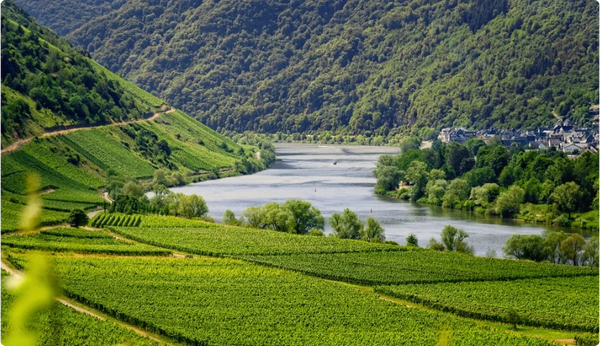
Heymann-Löwenstein cultivates around 14 hectares of steep slopes on Devonian slate — in seven different geological variations. The vineyards are worked exclusively by hand, which is not a choice but a necessity given the extreme gradients of the Terrassenmosel. The historic terrace wall systems above the Mosel have been restored piece by piece by the winery for years to preserve the cultural landscape. In the cellar, a consistent minimal principle has applied since the 1990s: exclusively spontaneous fermentation with site-specific yeasts, no bentonite, no enzymes, no artificial fining agents. The wines mature for a long time on the lees in large wooden barrels — the Grosses Gewächs wines from Röttgen and Uhlen are only bottled after about 24 months. The winery is certified according to Fair'n Green and works according to the VDP classification model.
Slate minerality, depth, and an assortment with a clear hierarchy
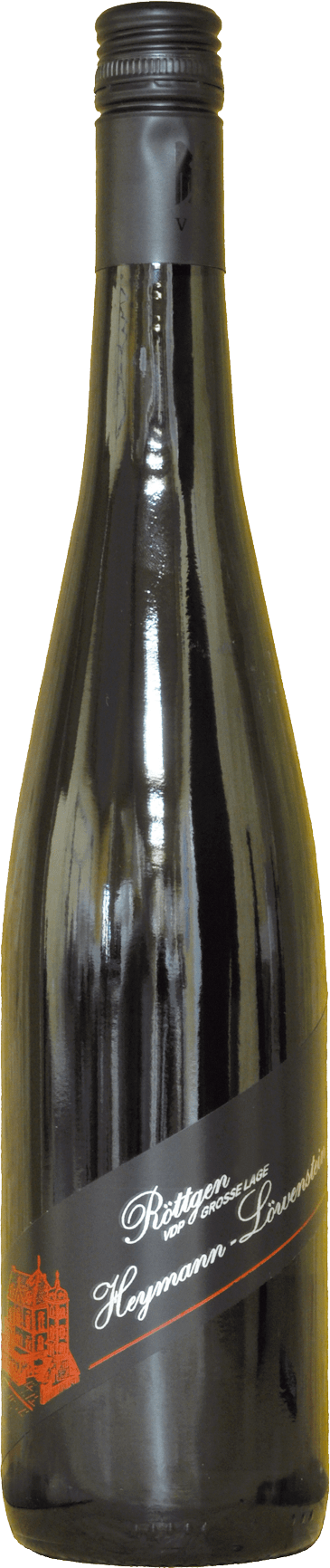
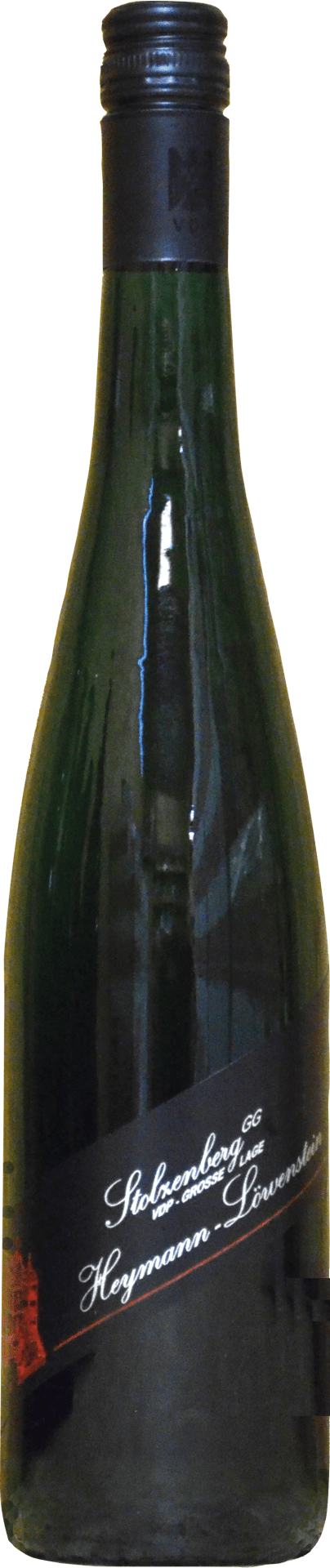
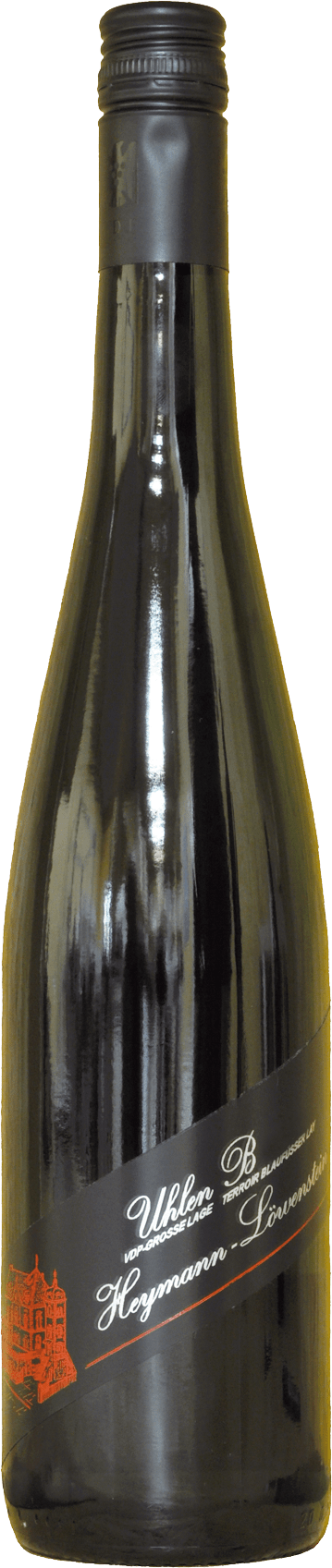
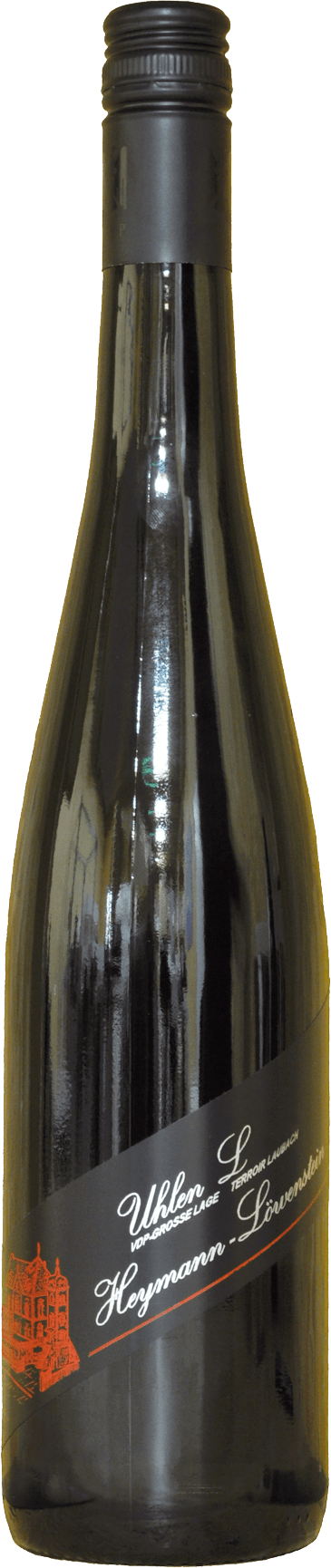
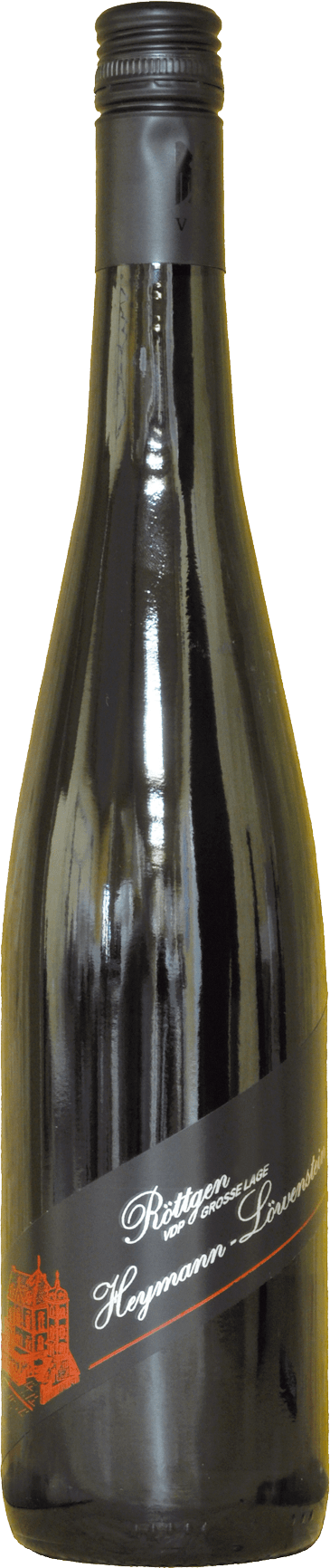
The assortment follows the VDP classification: The entry is successful with the Schieferterrassen Riesling, an accessible, drinkable wine with a clear origin profile. Above this are the Erste Lagen from Hatzenport — Kirchberg and Stolzenberg — as well as the three Uhlen parcels and the Röttgen, all vinified as Grosses Gewächs. The soils of Devonian slate — whose roots sometimes reach more than twenty meters deep into the rock — shape the house style: pronounced minerality, a cool, precise acid structure, salty finish, and a density that manages without heaviness. The Uhlen parcels show their own face depending on the soil type: Blaufüßer Lay with iodine notes and pumice character, Laubach nutty-smoky, Roth Lay with the greatest concentration and the longest finish. Röttgen brings ripe citrus fruit and dark minerality, carried by spice and depth. All wines strive for the same goal: to make the terroir audible — without concessions to trends.