Since 1761: Bartolomeo Borgogno and the origin of Barolo
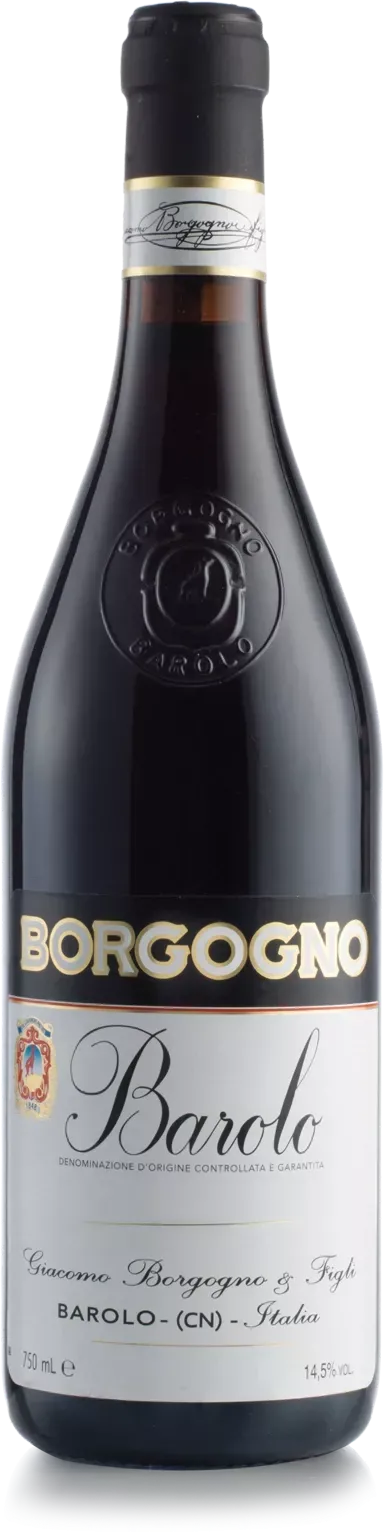
Bartolomeo Borgogno founded the cellar in 1761 — and thus laid the foundation for the oldest continuously operating winery in Barolo. What sounds like a legend today is documented by records: the house's first commercial wine sale is dated December 19, 1848. As early as 1861, the year of Italian unification, Borgogno's Barolo was chosen for the official banquet; in 1886, the same choice was made for a state banquet in honor of Tsar Nicholas II at Racconigi Castle. In the early 1900s, Cesare Borgogno developed the first export markets — to South America and the United States — and began systematically storing selected vintages in the cellar. After Cesare's death, his granddaughter Ida and her husband Franco Boschis took over the winery; later, their sons Cesare and Giorgio Boschis continued to run the company. In 2008, the Farinetti family — known as the founders of Eataly — acquired the house and explicitly committed to continuing the traditional wine philosophy. Andrea Farinetti has been managing the winery since 2010.
Spontaneous fermentation, large wooden barrels, patience: the cellar maxims of Borgogno
Anyone entering the cellar in the town of Barolo can still see the original concrete fermentation tanks in their ancestral place — Andrea Farinetti had them put back into operation after the takeover, after they had been temporarily replaced by stainless steel tanks. The process itself has not changed since the founding: spontaneous fermentation with natural yeasts, long maceration, followed by exclusive aging in large Slavonian oak barrels. For a classic Barolo, at least three years pass in the wooden barrel and two more in the bottle before the wines leave the house. In addition, there is a cellar library, which is one of the few of its kind in Piedmont: selected vintages are archived for decades in the historic vault.
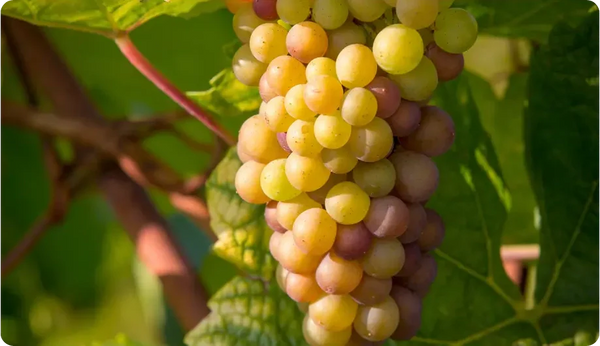
In the vineyard, Borgogno has been working in a fully certified organic manner since the 2019 harvest — without herbicides, without chemical fertilizers. Old vines are preserved through mass selection to maintain the genetic richness of the Langhe. The areas are distributed over several sites in and around Barolo as well as in the Colli Tortonesi.
Five Crus, one style: Nebbiolo as a benchmark
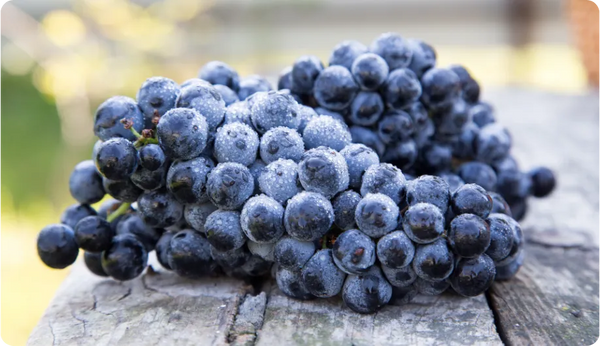
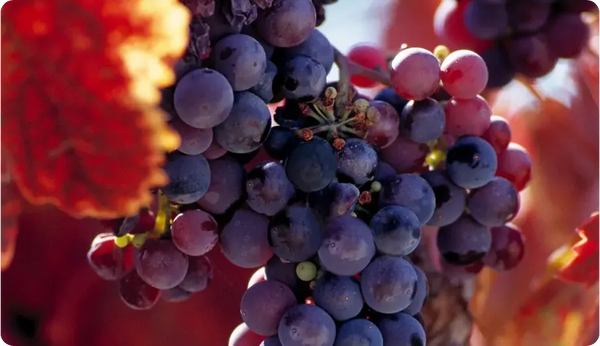
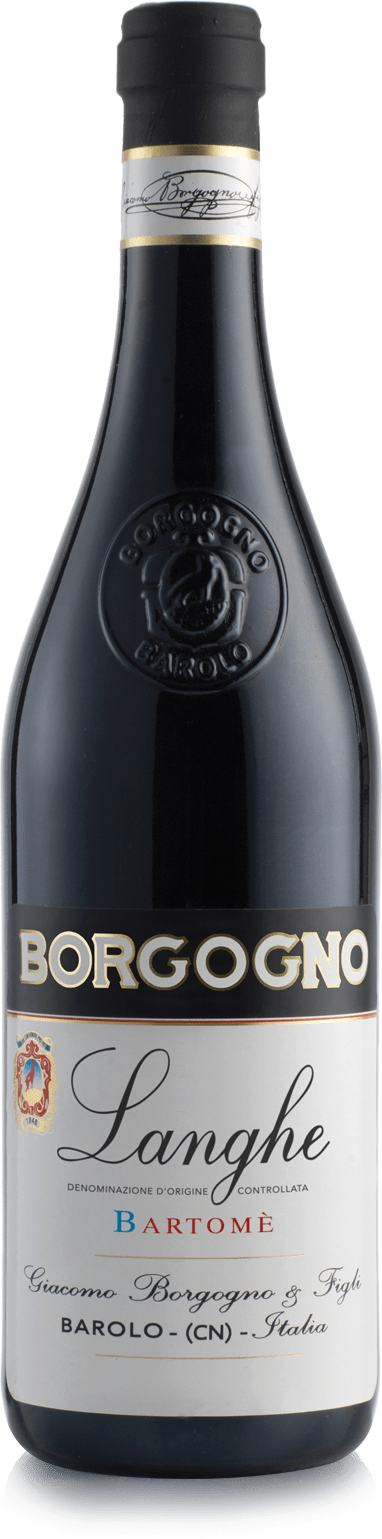
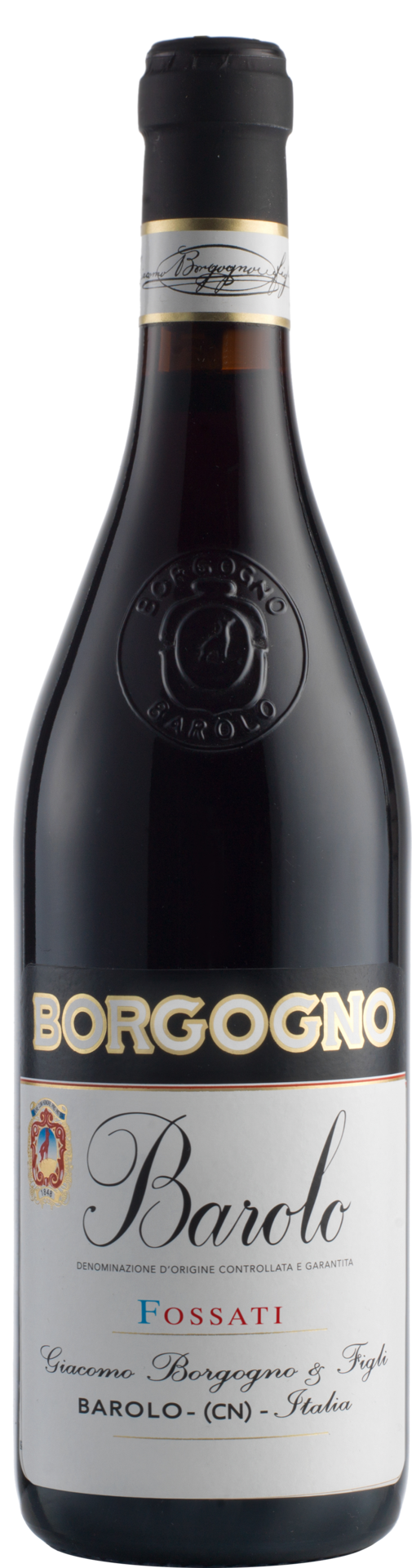
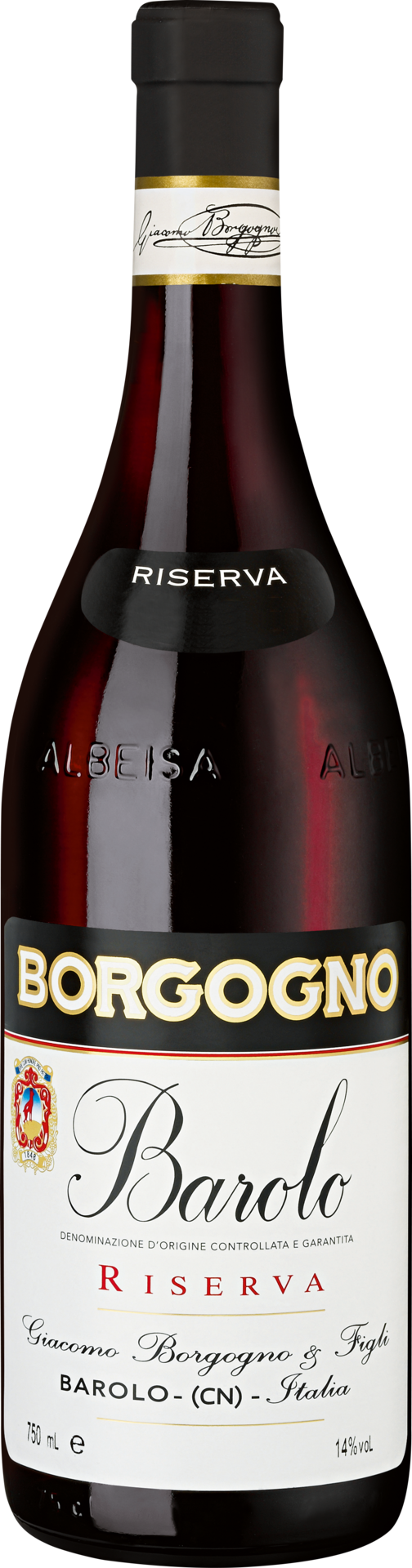
Borgogno's range revolves around Nebbiolo and thus around Barolo. The classic Barolo is a blend of all five of the estate's historic sites — Cannubi, Liste, Fossati, Cannubi San Lorenzo, and San Pietro delle Viole — and stylistically represents what traditional Barolo should be: dense tannin structure, lively acidity, aromas of black cherry, anise, and violets, long finish. Single-vineyard bottles from Fossati and Liste as well as the Riserva line deepen this picture; the Cannubi plot with its sandy calcareous marl soils produces particularly delicate, aromatically precise wines.
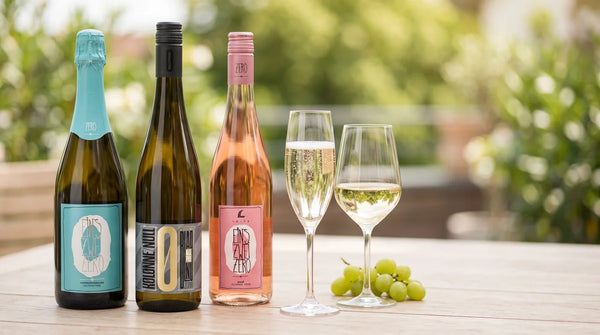
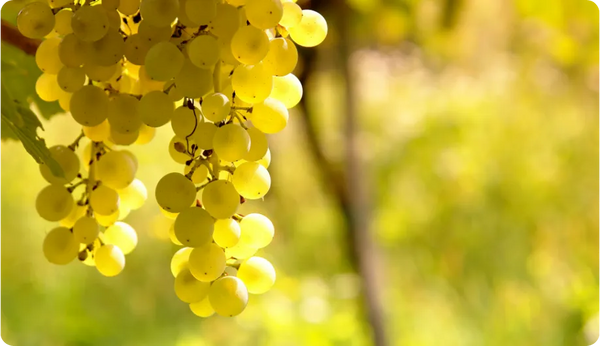
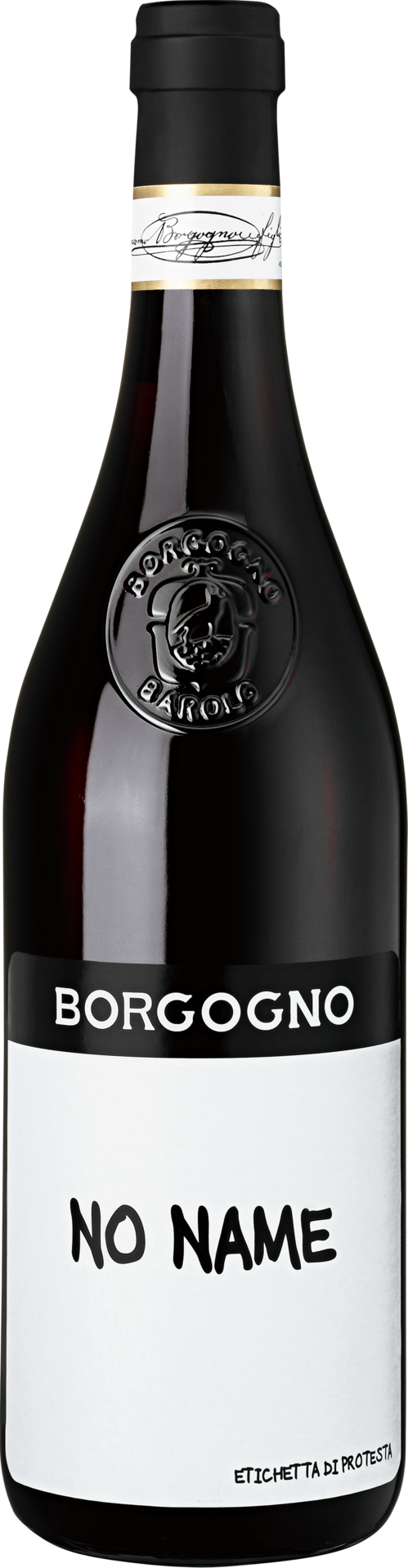
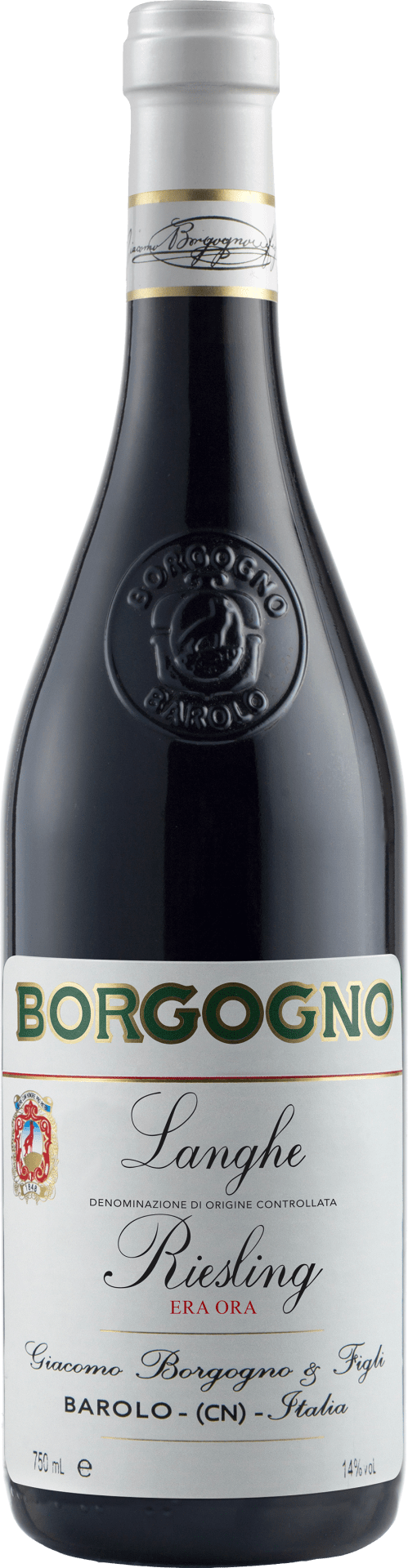
In addition to the Barolo, the range includes Barbera d'Alba, Langhe Nebbiolo, and the "No Name" — a Langhe Nebbiolo DOC that originated from a Barolo vintage not recognized by the control authority, and which matures for two years in Slavonian oak barrels. With the wines from the Colli Tortonesi, including Derthona from the indigenous Timorasso grape variety, Borgogno is expanding its spectrum towards white wine. The Bianco "Era Ora" from the Vinoscout range represents this new, yet deeply rooted side of the house. For the Nebbiolo-based wines, classic Piedmontese cuisine is recommended: braised meat dishes, roast game, Tartufo d'Alba.