From Berlin to Estremoz: How a trip became a winery
Aliestre Vineyards is not a long-established family winery, but a deliberate fresh-start project — and that is exactly what defines its character. Carsten Kullik, a wine lover from Berlin, traveled to the Alentejo and fell in love with Estremoz: the white marble buildings, the warm hospitality, the golden light over the hills. When a friend pointed out that the Quinta da Esperança — a historic estate on the outskirts of Estremoz — was available, the decision was made quickly. "We are at the right place in the right moment," recalls Kullik. The name Aliestre is an acronym: Allies of Estremoz — a group of friends who together founded a wine project in a region that had inspired them. After revitalizing the Quinta da Esperança, the team began developing wines from the estate's 42 hectares of vineyards. Oenologist Luis Louro is responsible for the vinification.
Marble, slate, limestone: Terroir as a guiding principle at Quinta da Esperança
The heart of Aliestre is the estate's geological diversity. The 42 hectares of vineyards at an altitude of around 400 meters rest on an unusual combination of slate, limestone, and — characteristic of Estremoz — striking marble inclusions, which give the soil a special freshness and minerality. Cork oak forests and olive trees grow around the vines, completing the typical image of the central Alentejo mixed-use estate.
In the cellar, Aliestre relies on a clear, purpose-driven infrastructure: a modern production facility and an underground barrel cellar with a capacity for 500 casks. Depending on the wine, aging takes place in stainless steel tanks or French oak barrels — always with the goal of preserving freshness and the character of the origin rather than masking it. For the reds of the "The Very First Day" project — Aliestre's first wine — Alicante Bouschet, Touriga Nacional, and Cabernet Sauvignon were aged in wood for up to 18 months.
Accessible and precise: an assortment between everyday wine and ambitious cuvée
The assortment is divided into clearly defined lines. The Aliestre base line (Red, White) works with the variety of grape types in the Alentejo: Syrah, Aragonez, and Alicante Bouschet for the reds — vinified dry, partially barrel-aged, with an acid structure that prioritizes freshness over warmth. For the whites, the Alentejo varieties Arinto and Antão Vaz are used, known for their invigorating acidity and salinity.
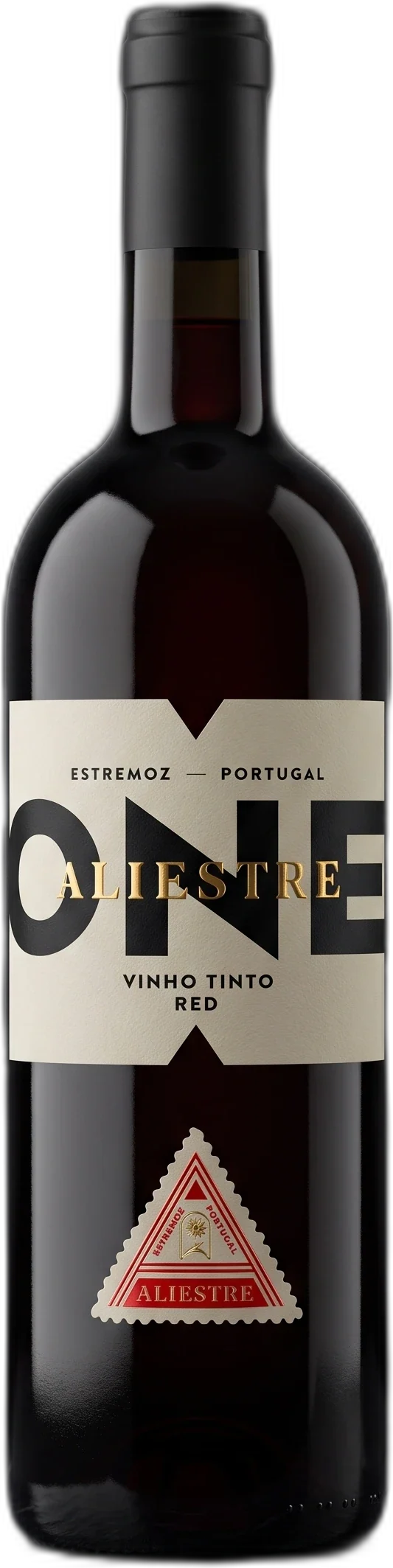
The ONE line highlights individual grape varieties — including a varietal Touriga Nacional — and is aimed at anyone who wants to specifically explore the Portuguese grape profile. The fresh rosé under the "Dancing Grapes" label rounds off the assortment with a light, lively, and fruity style. Overall, Aliestre stands for a modern Alentejo approach: less alcoholic heaviness, more precision, with a terroir fingerprint that makes the marble soils of Estremoz palpable.