From the Order of Knights to a family winery: eight centuries on the Tejo
The history of Quinta da Lagoalva de Cima reaches further back than most European wineries would even dare to dream. The estate on the southern bank of the Tejo, not far from the small town of Alpiarça, was first mentioned in documents as early as 1193 – King Sancho I had gifted these lands to the Order of Santiago de Espada, which subsequently managed them for six centuries. In 1834, Henrique Teixeira de Sampayo, 1st Count of Póvoa, acquired the Quinta; shortly thereafter, his heiress married into the noble Palmela family and brought the estate into the Casa Palmela. Today, the Holstein Campilho family – direct descendants of this line – continues to run the estate as Sociedade Agrícola Quinta da Lagoalva de Cima S.A. The Quinta has been a documented wine producer since 1888: at that time, it was represented at the Exposição Portuguesa de Indústria with 600 barrels of wine.
660 hectares of Ribatejo, 45 hectares of vines – a cellar between two worlds
The entire estate comprises 660 hectares along the southern bank of the Tejo, about two kilometers from Alpiarça and eleven kilometers from Santarém. Viticulture is only one part of a widely diversified agricultural operation: olive oil, cork oak, cattle farming, and one of Portugal's oldest stud farms are also part of the Quinta. Of the total area, 45 hectares are planted with vines – on sandy soils that provide freshness and fruit despite the warm Tejo climate.
In the cellar, the winemaking team led by Diogo Campilho and Pietro Pinho – Diogo gained experience in Australian wineries, Pietro brings a European background – specifically combines both approaches: grape varieties are vinified separately and only then blended into the cuvée. For the red wines, fermentation in stainless steel tanks follows the maceration period, followed by aging in wood. This juxtaposition of precision and craftsmanship is no coincidence, but a declared concept.
Portuguese grape varieties, international readability – a broad, characterful range
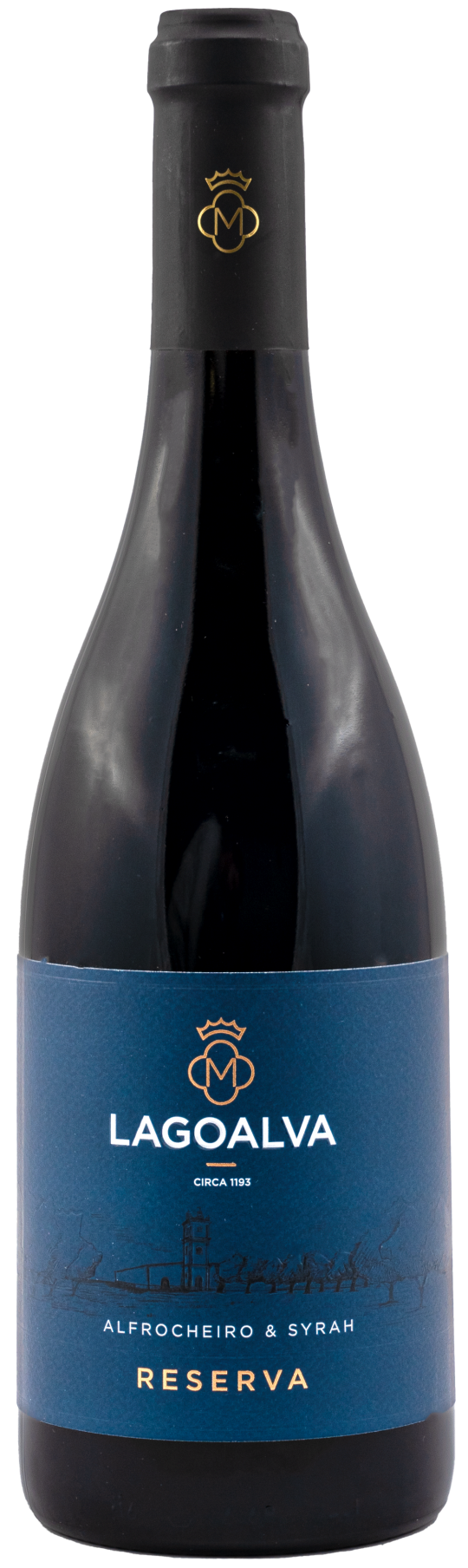
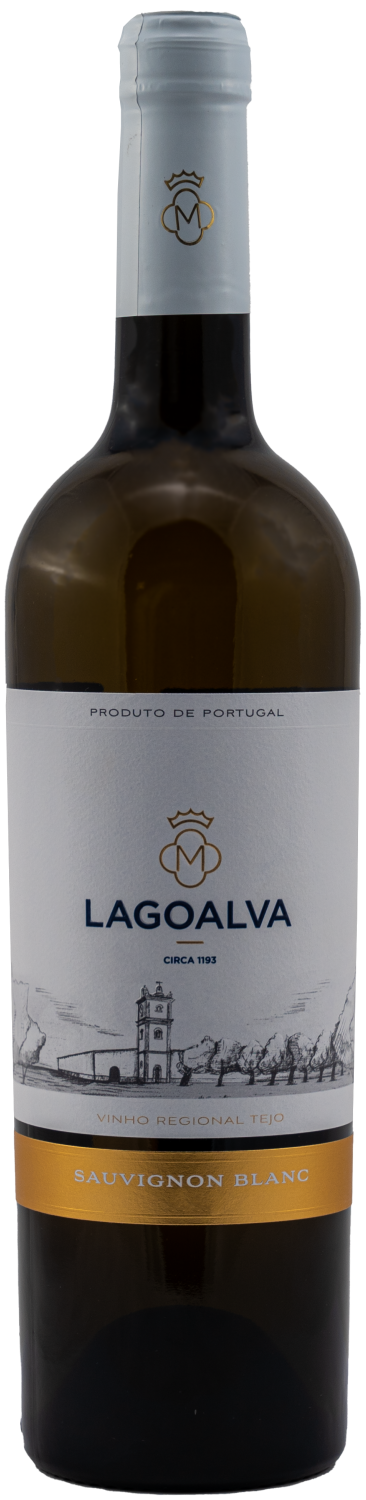
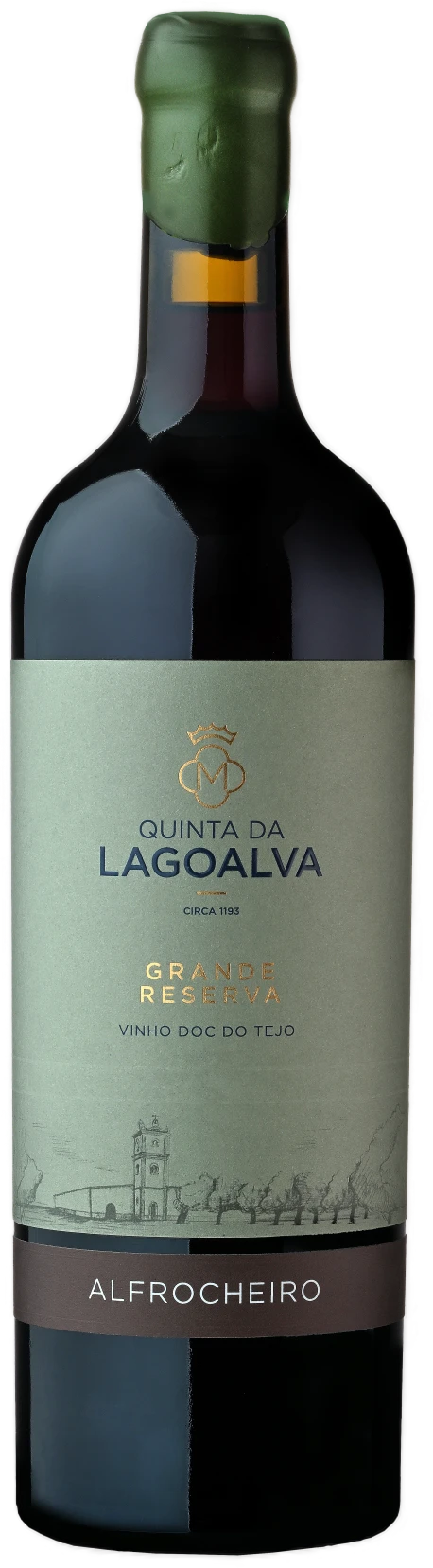
The range spans a wide arc: from accessible estate white and red wines to the Reserva and Grande Escolha lines, which show longer wood aging and more concentrated fruit. The Sauvignon Blanc surprises with a freshness rarely expected in this region. Also typical of the range is a single-varietal Alfrocheiro – a grape variety that actually originates from the Dão, but thrives surprisingly well on the sandy soils of Lagoalva. In addition, cuvées of Touriga Nacional and Syrah are produced, as well as a sparkling wine made using the traditional bottle fermentation method (Champenoise method) from Arinto and Alfrocheiro, which ages for twelve months on the fine lees. What all wines have in common: a clear fruit language that links Portuguese character with international readability – without abandoning its roots in one of the oldest estate histories on the Tejo.