From Margarethenhof to a path of their own: a Nierstein family history
The winery has borne its name since 2013 — but the roots go deeper. Lisa Bunn comes from a fourth-generation winemaking family that originally ran its business as Weingut Margarethenhof. After studying International Wine Business in Geisenheim, Lisa took over the family business from Georg and Eva Bunn in 2011; her husband Bastian Strebel, a trained viticulture technician from Bad Kreuznach, simultaneously brought in his parents' family business. The merger of both estates resulted in today's winery with around 18 hectares of vineyards — a new beginning with a clear, independent ambition, not just a takeover. Lisa was also the 2008 Rheinhessen Wine Queen before she recognized the cellar as her true field.
Rotliegend, limestone, and consistent manual labor in the vineyard
The plots extend from the steep slopes of the Roter Hang directly above the Rhine to the cooler site of Wintersheim. At the Roter Hang, the Riesling grows on deep red clay sandstone — the Rotliegend, a rock formed around 280 million years ago that stores heat due to its dark color and releases it again at night. This soil is barren, rich in stones, and low in humus; it forces the vines to root deeply and gives the wines their distinctive salinity. Vines in the renowned single vineyards Hipping, Oelberg, and Orbel provide the winery's Riesling line wines. The Pinot varieties, on the other hand, thrive in the limestone-rich Wintersheim, where deeper soils and slightly cooler temperatures create a different ripening rhythm.
The estate is farmed organically — without herbicides, with manual labor as the benchmark. The winery is certified according to the FAIR'N GREEN standard, a holistic sustainability seal for viticulture. Lisa and Bastian clearly divide the tasks: Bastian is responsible for plant protection and soil cultivation, Lisa for vine work and quality control from the vineyard to the cellar.
Spontaneous, in wood, on the lees: a style with a clear signature
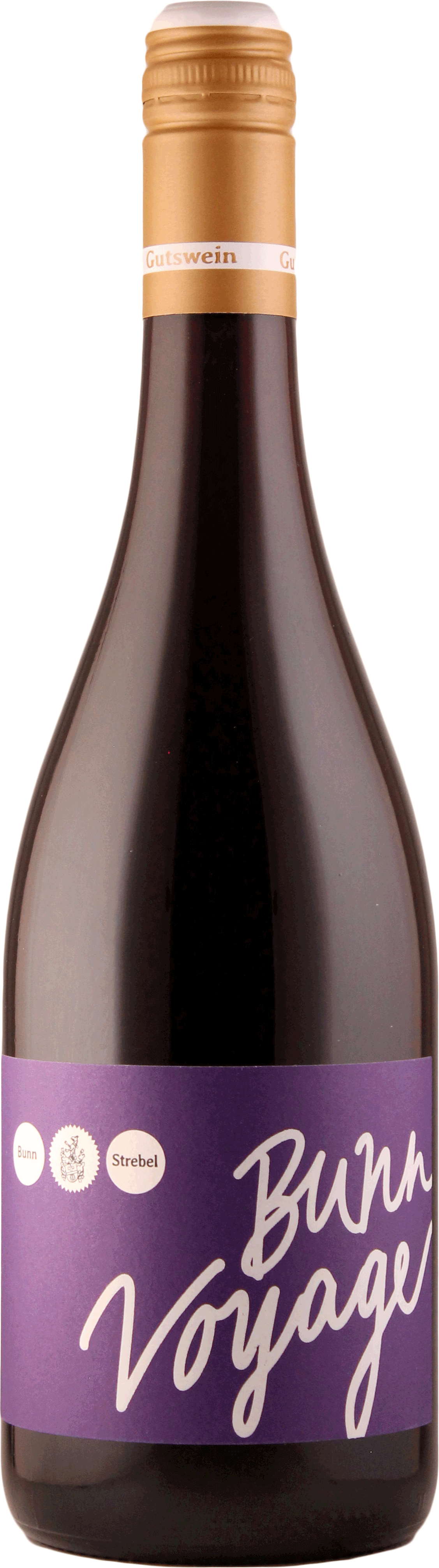
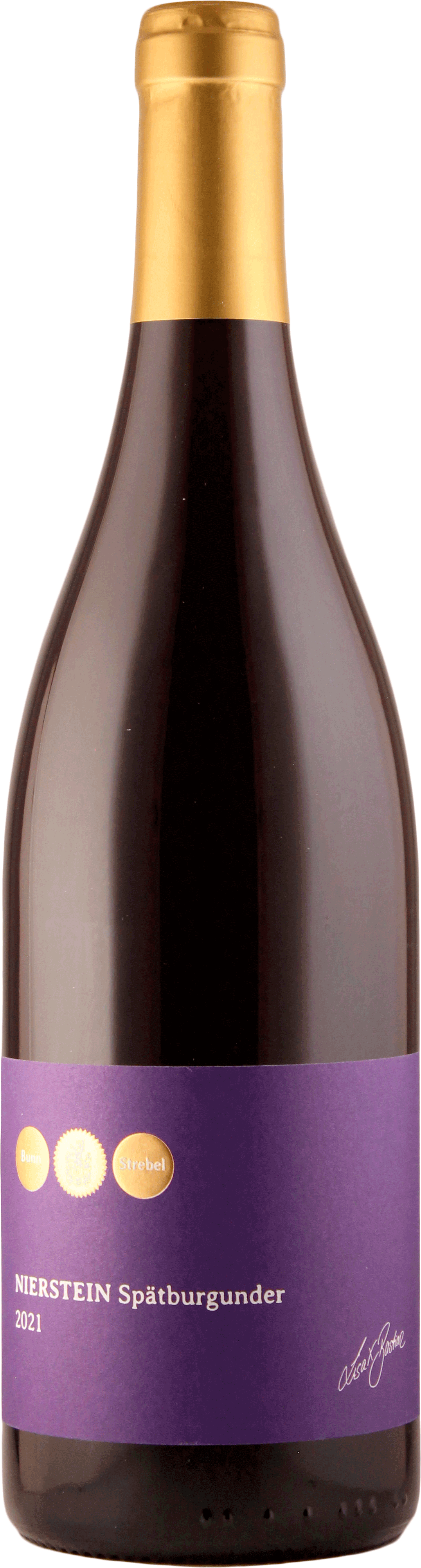
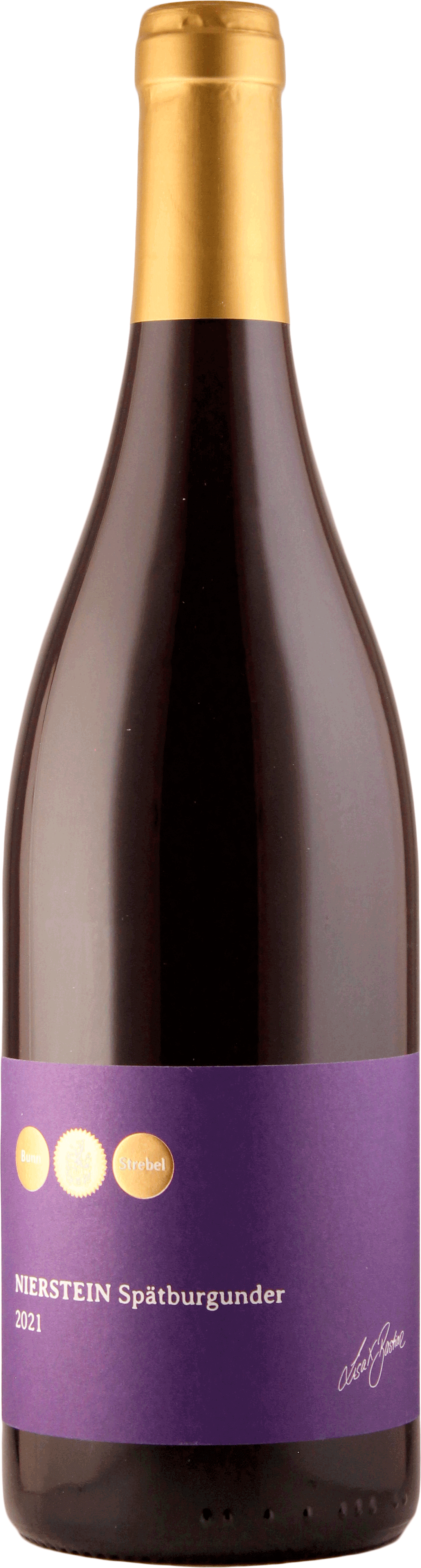
In the cellar, Lisa and Bastian work deliberately slowly. Spontaneous fermentation is standard, long maceration times are part of the program — they make it possible to work out the fine differences between the sites. Aging takes place in both small and large wooden barrels, and the wines are stored on the full lees for a long time. The Riesling Ölberg, for example, matures for a year in a large wooden barrel before it is bottled. The result is wines with pressure and depth: the Rieslings from the Rotliegend show spicy, herbal-toned aromas, a taut arc of acidity, and the salty-mineral finish that this soil leaves behind. The Pinot wines from Wintersheim — Spätburgunder and Pinot Noir — benefit from the limestone and the cooler location, which gives them freshness and a fine tannin structure. Anyone who drinks their way through the range will repeatedly encounter the same fundamental idea: read the origin, do not over-shape it.