From the Cape Colony to a family brand: almost a century of Stellenrust
The history of Stellenrust reaches far back before its official founding. In 1692, the land was granted to Douwe Gerbrand Steyn, a master mason who was significantly involved in the construction of the Castle of Good Hope in Cape Town and was among the first to practice viticulture at the Cape. The family registered the brand name Stellenrust – "finding rest in Stellenbosch" – in 1928, and since then, the estate has been one of the largest family-run wineries in South Africa. The current managing directors, Kobie van der Westhuizen and Tertius Boshoff, joined the family business in 2005 – both with university degrees outside of viticulture, Kobie as a business economist, Tertius as a physician and dentist. This decision to consciously return still shapes how the estate operates today: out of conviction, not out of necessity.
Soil, responsibility, and integrated viticulture
Stellenrust manages nearly 400 hectares around Stellenbosch, 200 hectares of which are planted. Half of the vineyards are located in the so-called Golden Triangle on the Helderberg – weathered granite, internationally known for its suitability for powerful red wines. The other half is located in the Bottelary Hills, where afternoon sea breezes from the direction of Cape Town slow down ripening and ensure fine acidity structure and freshness for both white and red wines. The estate team follows the principle of integrated viticulture: minimal ecological intervention while simultaneously preserving artisanal tradition.
Equally formative is the social commitment. Kobie van der Westhuizen's father dreamed of giving back to the farm workers some of what they had built over decades. Around 100 hectares of productive land were transferred to a workers' trust, which secures real land ownership rights for about 72 long-term permanent employees – not a symbolic act, but participation in economic yield and intergenerational security. This model forms the basis of the estate's Fairtrade certification and is considered one of the largest and most consistent Black Economic Empowerment projects in South African viticulture.
Two faces, one philosophy: Kleine Rust and the estate lines
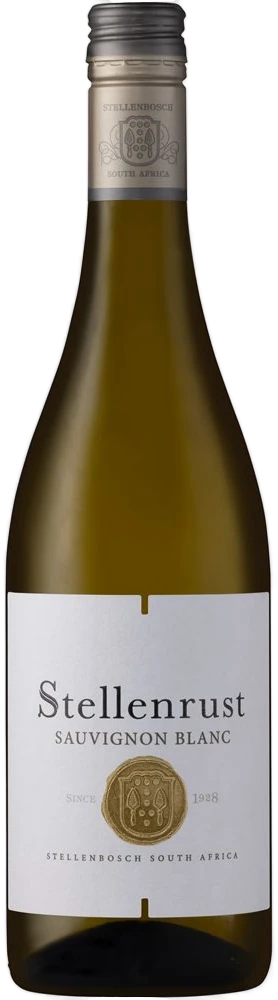
Stellenrust's assortment reflects the breadth of the terroirs. The estate lines – including Chenin Blanc, Sauvignon Blanc, and Pinotage – originate from the best plots of the Golden Triangle and the Bottelary Hills, developed for quality and expression of the respective site. The Kleine Rust series is the accessible side of the estate: grapes from about 15-year-old vines, Fairtrade-certified, with the goal of delivering stylistic consistency and fruit accuracy even in an honest everyday quality. Whether the salty finish of the Chenin Blanc, the lively fruit of the Sauvignon Blanc, or the velvety texture of the Pinotage – all wines follow the triad that Tertius Boshoff describes as a guideline: passion, chemistry, and technology. If one of these three pillars is missing, a wine remains good. Only their interplay makes it extraordinary.