From Armagnac country to the driving force of the Sud Ouest
In the mid-1970s, the wine country of Gascony was largely reduced to Armagnac production – table wine was hardly considered a worthwhile goal. André Dubosc, a winemaker from a family rooted in the Gers for three generations, saw it differently. Together with a team of young winemakers, he began to press dry white wines, to wake the Saint Mont appellation from its slumber, and to revitalize the Pacherenc du Vic-Bilh with late-harvest grapes. 1979 the cooperatives of Plaisance, Aignan, and Saint-Mont joined forces – the name Plaimont was created from the initial letters. Later, other cooperatives were added, including Crouseilles and Condom. Today, Plaimont unites around 600 winemaker families on a good 5,300 hectares of vineyard area and is responsible for 98% of the entire AOC Saint Mont production.
Craft, research, and preservation of a heritage
Plaimont sees itself not as a mere wine producer, but as a guardian of a living cultural heritage. In 2002, the cooperative founded the first private ampelographic conservatory in France in Saint-Mont – a research institution that saves rare autochthonous grape varieties from disappearing and documents them for future generations. This includes pre-phylloxera ancient vines over 200 years old, which are classified as a Historical Monument. In the vineyard, Plaimont relies on HVE3 certification and organic farming on parts of the area, reduction of pesticide use through forecasting models, hand-harvesting, and immediate processing of the grapes to ensure fruit freshness. Old sites are worked plot-by-plot, and grape varieties are planted according to soil and microclimate. In the cellar, air-conditioned oak maturation facilities stand alongside an experimental wine laboratory that tests new vinification paths for the challenges of climate change.
Gascon character wines between the Pyrenees and the Atlantic
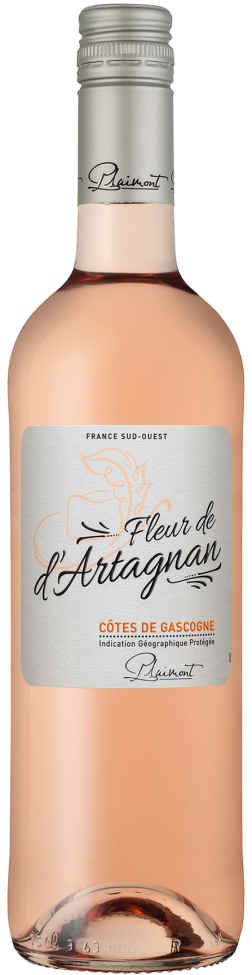
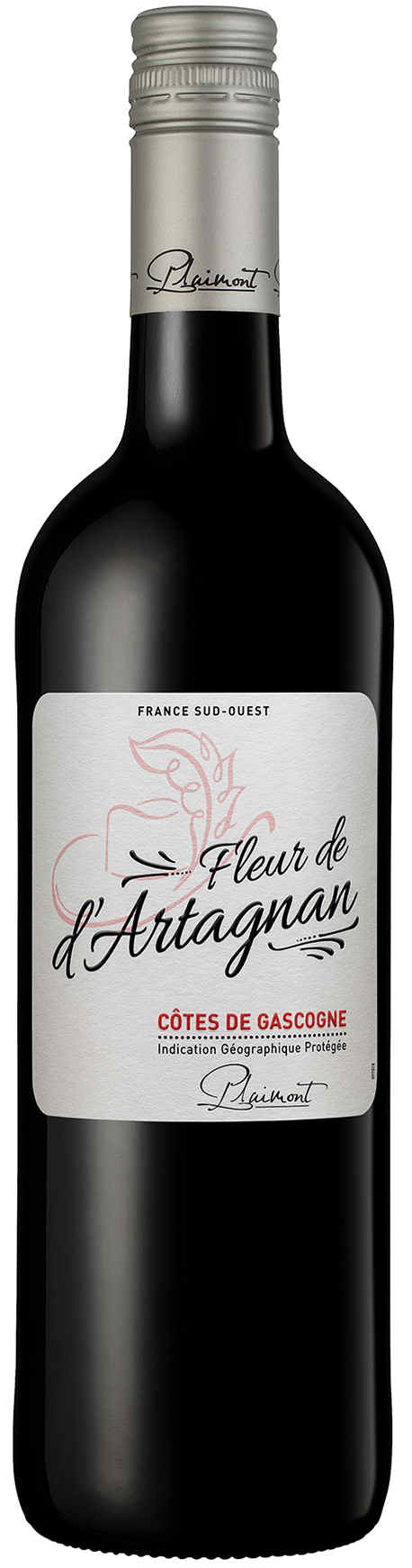
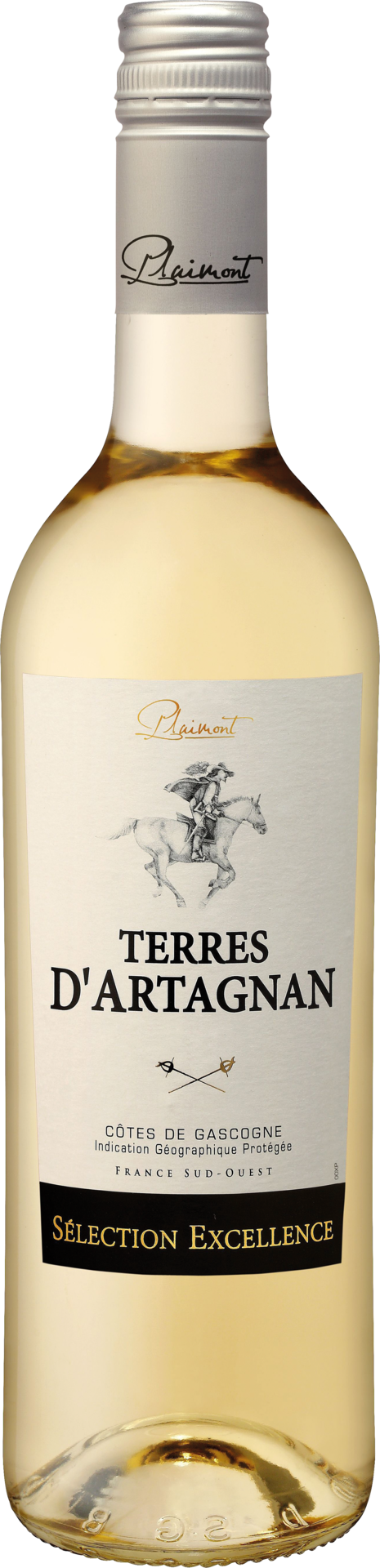
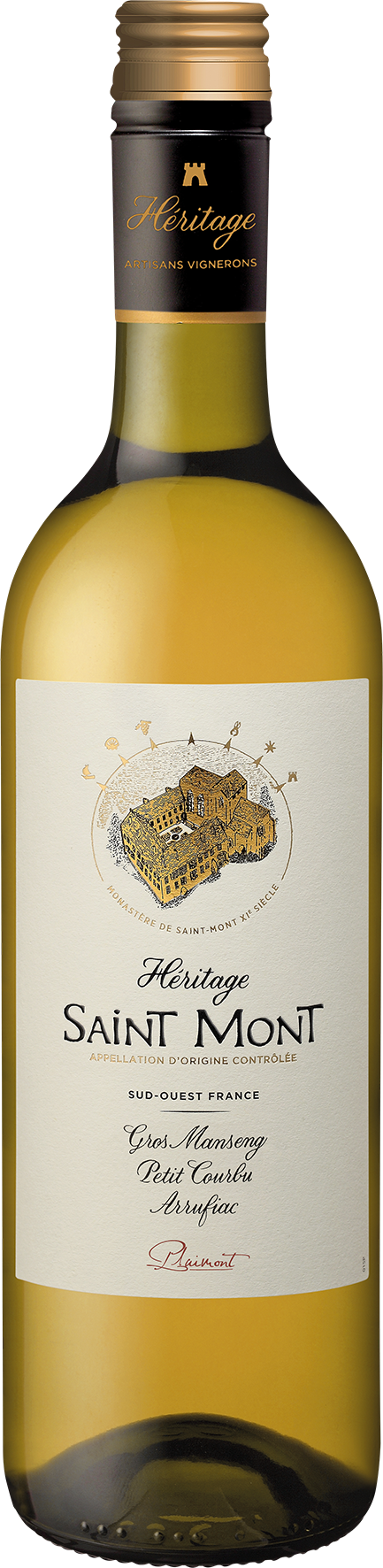
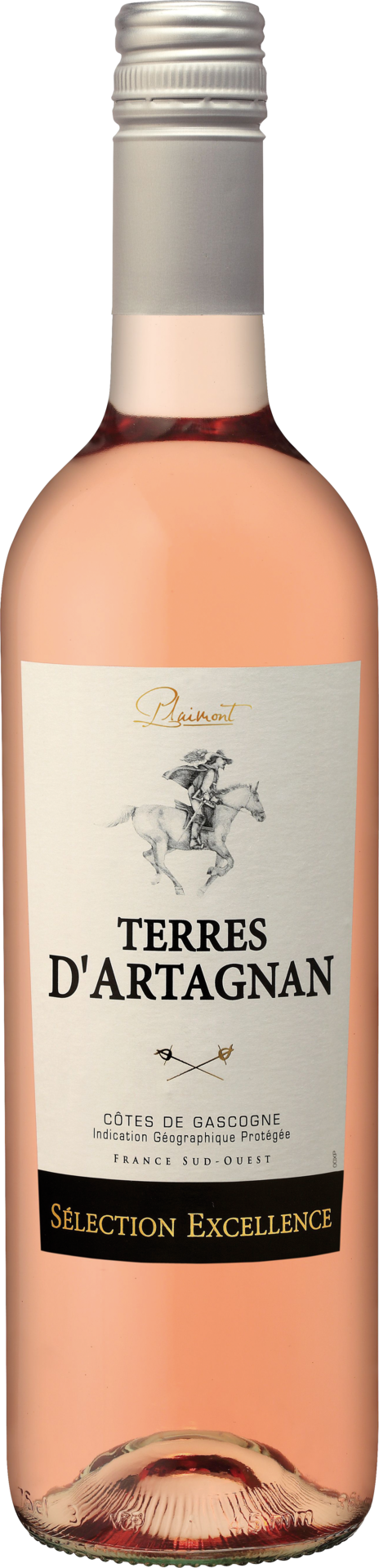
The vineyards of Plaimont lie in one of the most climatically interesting corners of France: about 80 kilometers from the Pyrenees, about the same distance from the Atlantic, with soils of molasse, sand, and clay. The wines reflect this intermediate space – fresh and aromatic like the oceanic climate, while having the structure and weight that the sunny summers of Gascony provide. For the white wines, the regional varieties Colombard, Gros Manseng, and Arrufiac are the focus: lively acidity, aromas of citrus, white peach, and exotic fruits. The red wines of the Saint Mont and Madiran appellations rely on Tannat, Cabernet Franc, and the almost forgotten Pinenc variety – with dark fruit, a firm structure, and depth. The range extends from the accessible Terres and Fleur d'Artagnan lines to the Château cuvées of the Plaimont Terroirs & Châteaux label, which come from the historic estates around Saint-Mont.