Pioneers of Lugana: How the Montresors helped invent an appellation
The history of Cantina Ottella runs deeper than most wine-growing histories in the region: as early as 1905, the Montresor family was the only one in the province of Verona producing Lugana wine — documented by historian Giovan Battista Perez in his work La provincia di Verona e i suoi vini. But the Montresors were not just producers. In 1964, Lodovico Montresor, together with Professor Michele Vescia from the University of Brescia and the engineer Turlini, initiated the geographical demarcation and definition of the Lugana area. Three years later, in 1967, the Denominazione di Origine Controllata was officially recognized. The family had thus helped launch not just a wine, but an entire appellation.
In the 1980s, sons Francesco and Michele took over the estate from their father and gave it new momentum. Francesco led the Consorzio di Tutela Lugana from 2007 to 2013; Michele is president of the Associazione Vignaioli Veneti. In 2013, the project for the new winery building in San Benedetto di Lugana was launched — a place intended to connect viticulture, landscape, and art. Today, Lodovico and Lamberto, the next generation, work alongside their father and uncle.
Clay soils, lake breeze, and the demands on Turbiana
Ottella's 90 hectares of vineyards lie on the alluvial soil on the southern shore of Lake Garda, spread between Veneto and Lombardy. The soil is of glacial origin: heavy, pure clay with a high lime content and mineral salts — the typical Lugana terroir that drives the Turbiana grape to aromatic depth and salinity. Turbiana, the locally common name for Trebbiano di Lugana, is considered an independent autochthonous variety; studies by the University of Milan have described its genome as not to be equated with other Trebbiano varieties.
In the vineyard, Ottella relies on the traditional arch-training system, which keeps the vines at low yields with high aromatic concentration. In the cellar, the focus is on the harmony between the scent profile and the taste — wines that do not play mineral spice and aromatic finesse against each other, but show them as a unity.
Lugana as the core idea — from base wine to Riserva
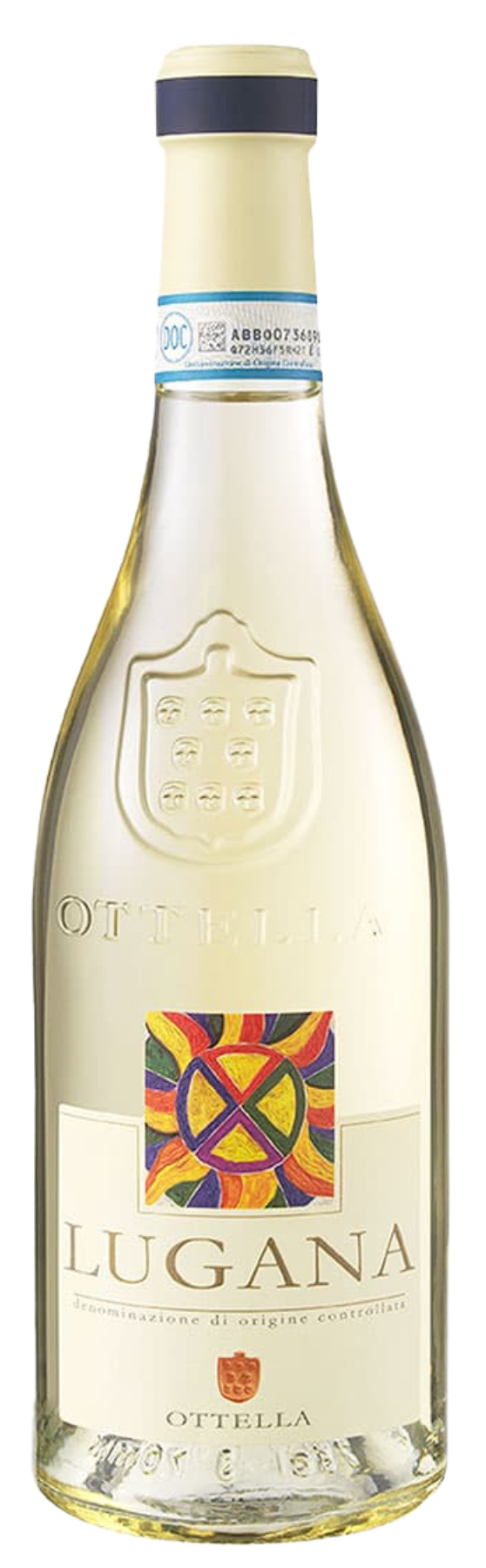
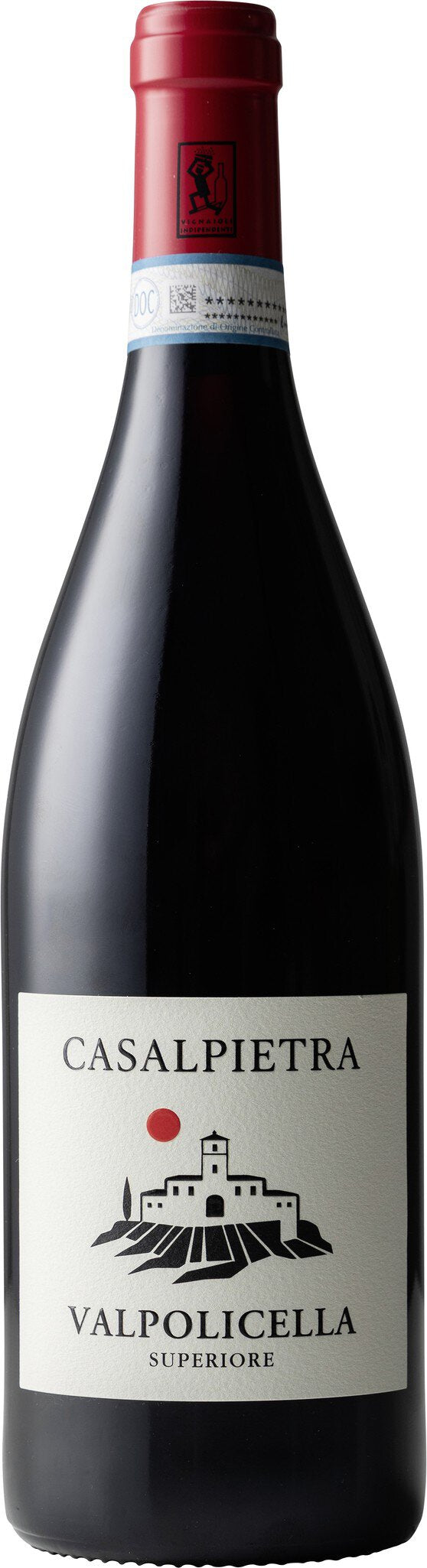
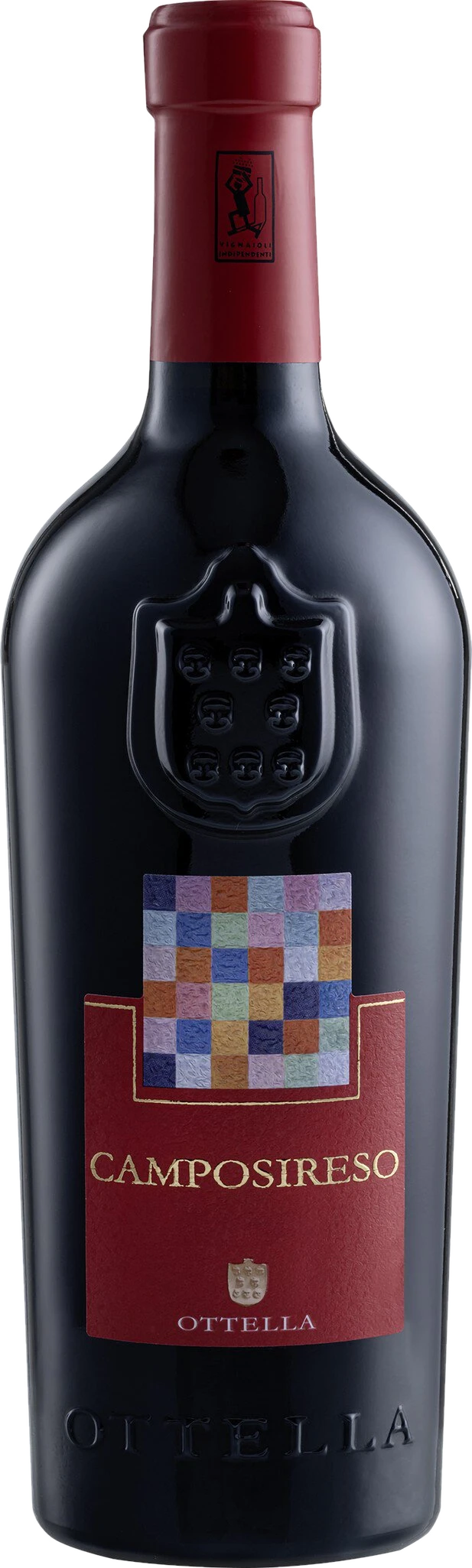
Ottella's range consistently revolves around the Turbiana grape and the Lugana terroir. The classic Lugana DOC shows floral citrus notes, a hint of almond, and the salty spice of the clay soil — lively in its acidity, lean in body, and easy to drink with Lake Garda fish, risotto, or mild goat cheese. The Le Creete — named after the clay-rich cru site in San Benedetto di Lugana — spends several months on the fine lees; hence the denser texture, the creamy structure, and the long-lasting mineral finish. For red wine lovers, Ottella also produces a Valpolicella DOC and a powerful Ripasso under the estate name Ripa della Volta on 20 hectares in Valpolicella. However, the heart remains the white wine: Lugana as it is intended on the southern shore of Lake Garda — clear in its origin, substantial in the glass.