From the winemaker in Chénas to the oldest family maison in Beaujolais
The story begins in 1711 with Jean Loron, a winemaker from the Beaujolais village of Chénas, who was one of the first in the region to focus exclusively on viticulture. His grandson, Jean-Marie Loron, founded an independent wine merchant house in 1821 — the starting point of the Maison Jean Loron as it is known today. With this founding, he laid the cornerstone for what historians call the oldest family company in Beaujolais. Over the decades, the house grew through acquisitions and mergers: in 1852, Jacques Loron united the Maison with the business of his in-laws, the Charlet family, who had already been active as a négociant in Saint-Amour and Juliénas in the 18th century. Today, the eighth generation of the family runs the company — a continuity that is unparalleled in southern Burgundy.
220 hectares, viticulture and a UNESCO Geopark
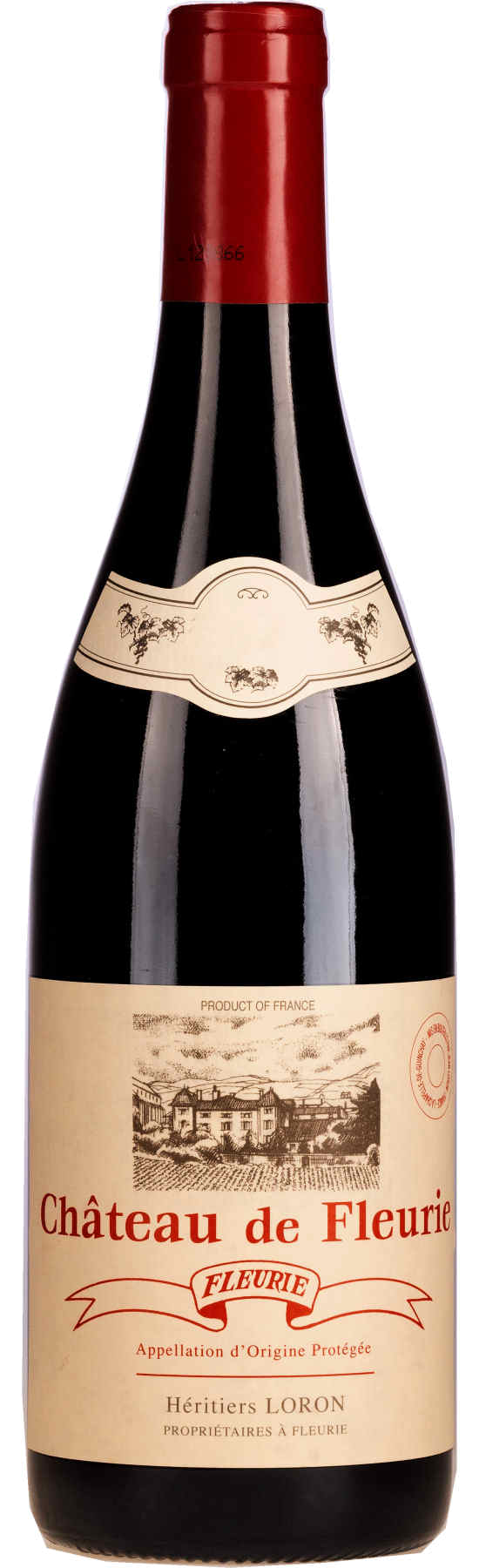
Maison Jean Loron currently manages 220 hectares of vineyards, spread across eight Beaujolais Crus and the best sites of the Mâconnais. The estates range from Saint-Amour and Juliénas in the north to Brouilly in the south — including Château de Fleurie, Château Bellevue in Morgon, and Château de la Terrière in Brouilly, whose vineyards are part of France's first viticultural geopark, which has been recognized by UNESCO. About 15 years ago, a systematic restructuring of the vineyards began: over 62% of the vines were replanted to better withstand the effects of climate change. All work in the vineyard follows a precise agronomic concept. The company is IFS-certified and places special emphasis on traceability. In the cellar in Pontanevaux, cellar master Rodolphe Dumont has been leading the vinification for almost two decades.
Gamay and Chardonnay: two grape varieties, one clearly defined style
The Maison Jean Loron range revolves around two grape varieties: Gamay Noir in Beaujolais and Chardonnay in the Mâconnais. The Gamay wines from the various Crus show clear terroir differences — from the floral-silky structure of Château de Fleurie (Fleurie) to the more powerful, fruit-driven texture from Morgon or Moulin-à-Vent. The goal is a precise expression of the respective soil of origin, without masking the typical fruit character of the Gamay. The Chardonnays are created on the limestone and clay soils of the Mâconnais, including within the framework of the partnership with Domaines Auvigue in Pouilly-Fuissé. Anyone who drinks their way through the Maison's range gets a complete picture of southern Burgundy — from the light, early-ripening, fragrant cuvée to the structured Cru wine that needs time in the glass.