Five centuries of Bérerd – rooted in Le Perréon
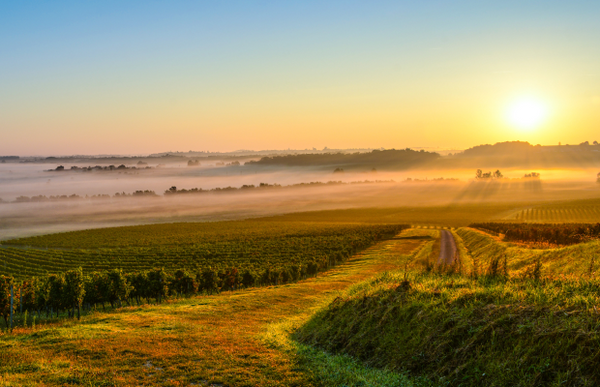
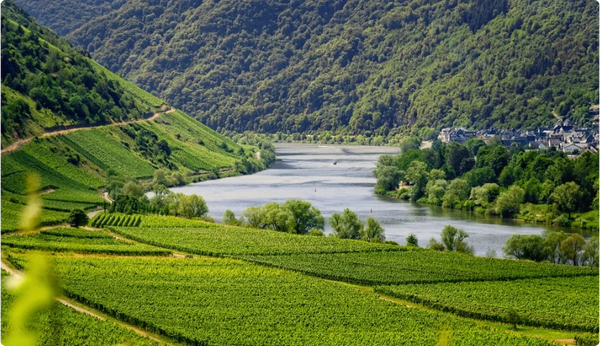
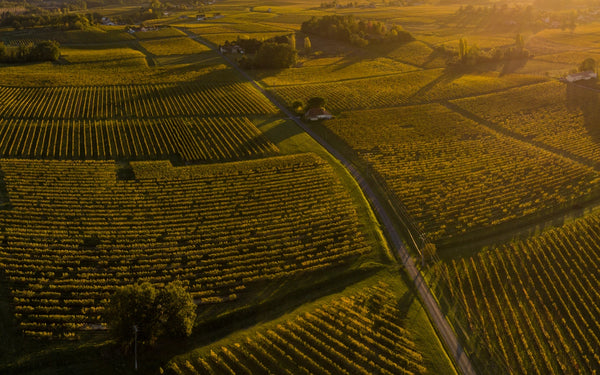
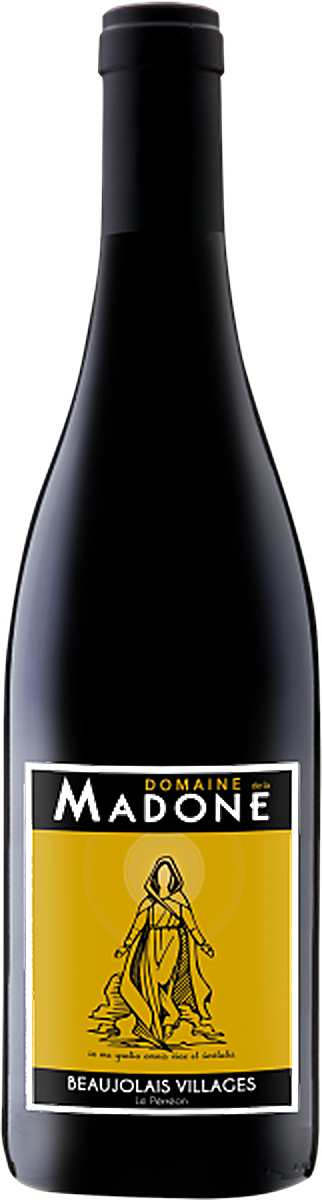
The Domaine de la Madone of the Bérerd family is one of the oldest wineries in Beaujolais. For over 500 years, the same family has been cultivating its vineyards around the village of Le Perréon – a continuous family thread that is unparalleled in this region. The estate has grown over generations and now covers around 28 hectares, divided into about 90 individual plots with different exposures and altitudes. The "Jean-Baptiste Bérerd" cuvée bears the name of the current owners' grandfather – a quiet commitment to their roots. Today, brothers Olivier and Bruno Bérerd manage the winery together; another generation committed to the granite of Le Perréon.
Steep slopes instead of tractors – craftsmanship on pink granite
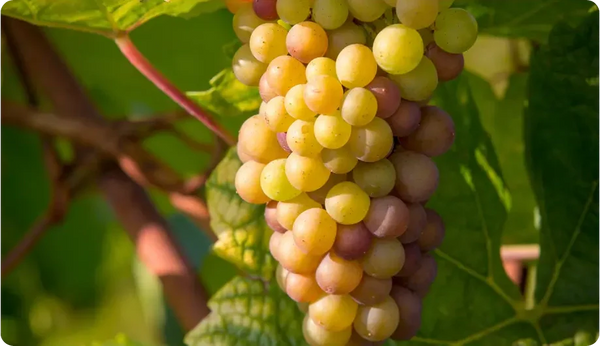
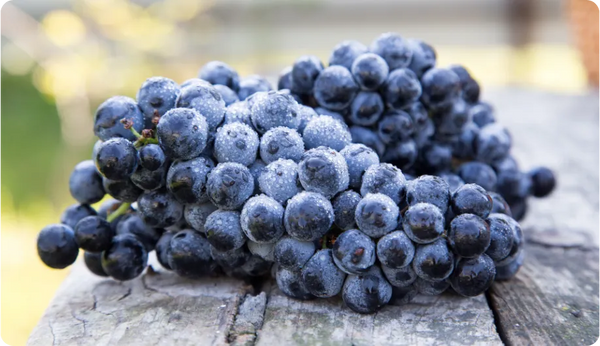
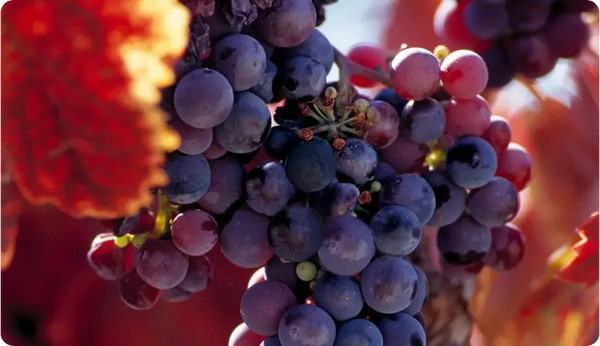
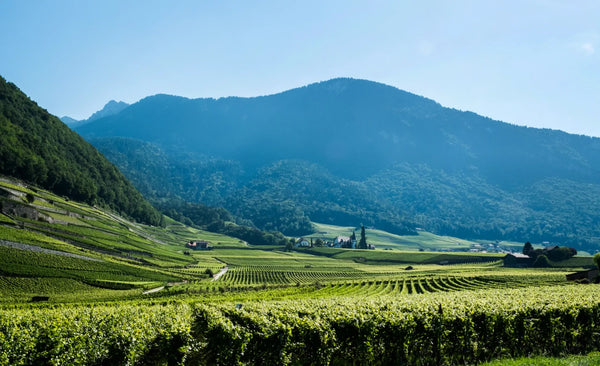
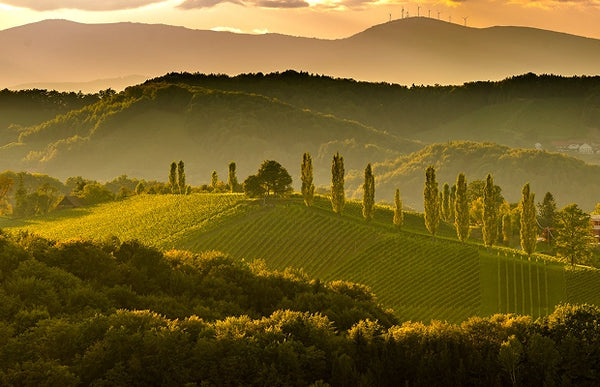
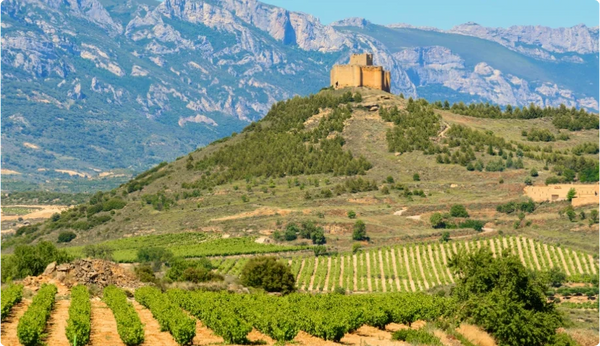
Le Perréon is located in the northern Beaujolais and shares its geology with the famous Cru Fleurie: pink weathered granite, rich in minerals, low in nutrients, ideal for concentrated and aromatically precise Gamay grapes. The Bérerd vineyards are among the highest in the appellation and in places drop at a 30 to 40-degree incline – too steep for a tractor. Every grape is harvested by hand and selected a second time directly in the cellar.
The vines are between 15 and 100 years old, with an average of around 40 years; many plots are among the oldest in the entire Beaujolais-Villages area. In the cellar, the brothers work in a consistently Burgundian style: complete destemming, fermentation on natural yeasts, gentle vinification in stainless steel tanks to preserve the fruit aromas. In parallel, there is the "La Vinif à Papa" cuvée – a tribute to their father, who vinified in the 1960s in the style of carbonic maceration and without added sulfur. Around 2.5 hectares of the estate are now farmed entirely organically; the rest is managed largely without pesticides.
Gamay at Cru level – the Bérerd range
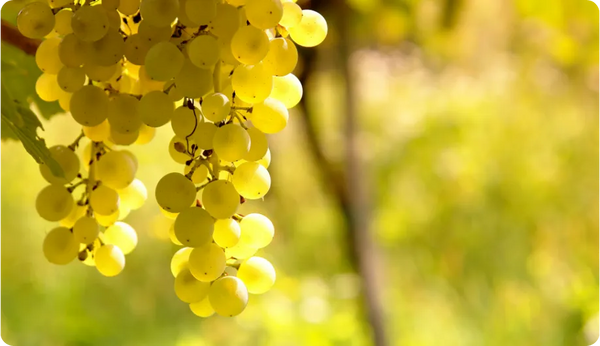
What distinguishes the wines of Domaine de la Madone (Le Perréon) is the discrepancy between the appellation and the actual quality level: formally, they carry the Beaujolais-Villages label, but their character corresponds to that of a Cru. The terroir argument is sound – soil, altitude, age of the vines, and slope are comparable to Fleurie or Brouilly, only the bureaucratic boundary is missing. In the glass, this manifests in aromas of cherry, raspberry, and red berries, underpinned by baking spices and a fine mineral streak. The tannins are silky, the acidity is lively without edges, and the finish lasts longer than one would expect from a "Villages". The range includes the classic Tradition cuvée, an organic line, as well as the "Jean-Baptiste Bérerd" selection based on old vines – plus a Beaujolais Blanc made from Chardonnay planted on the estate's northern granite slopes. Serving temperature: 14–16 °C, with grilled poultry, Lyoner sausage, or strong goat cheese.